Artwork
Guy Little Theatrical Photograph
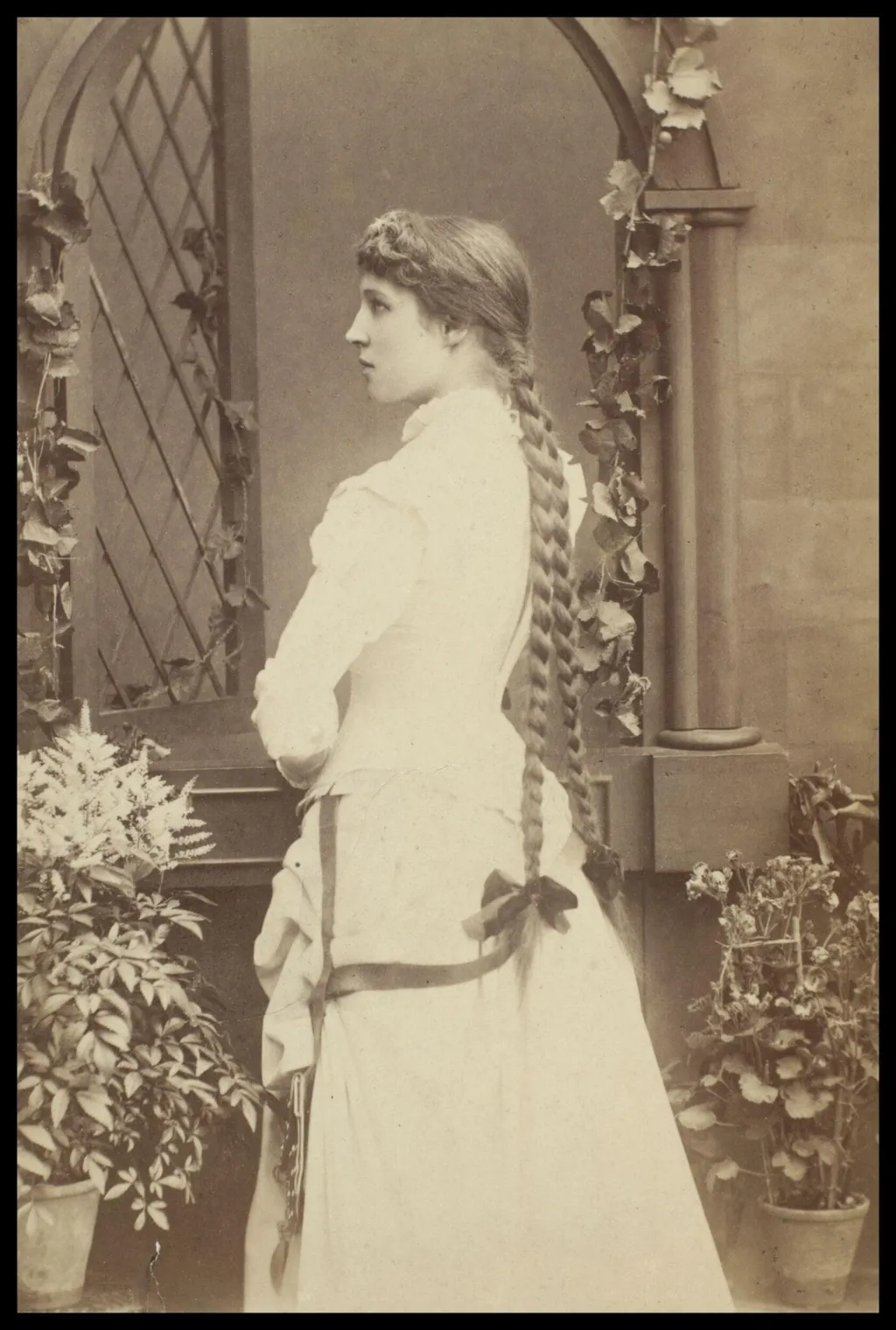
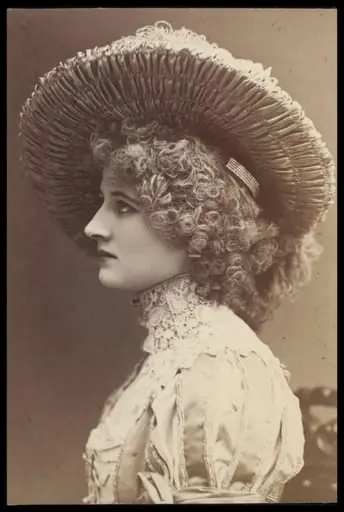
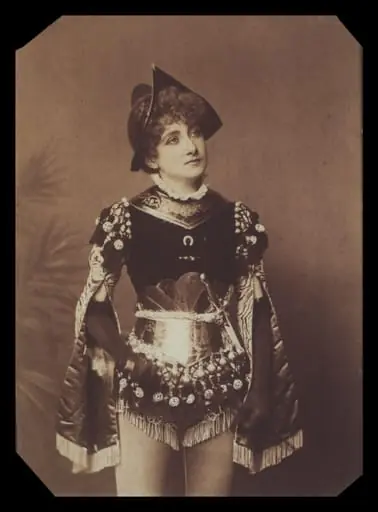
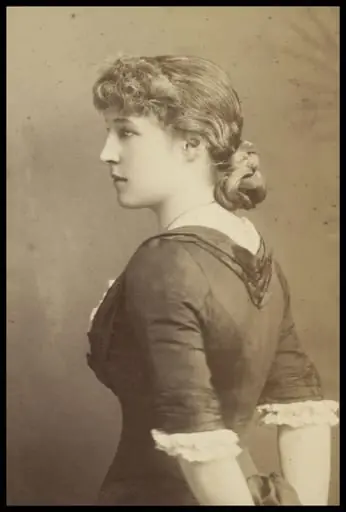
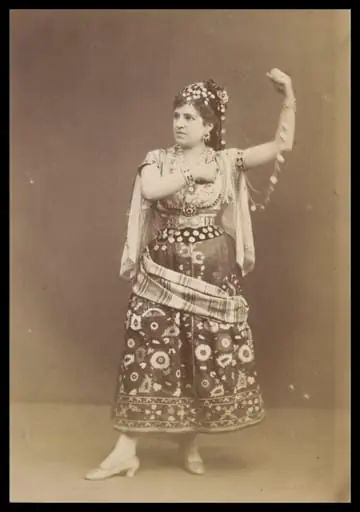
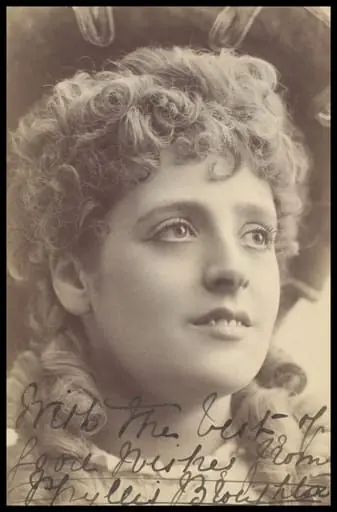
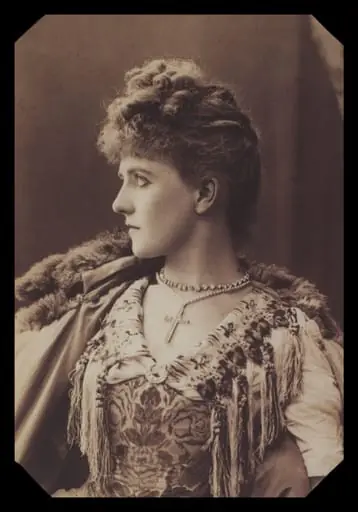
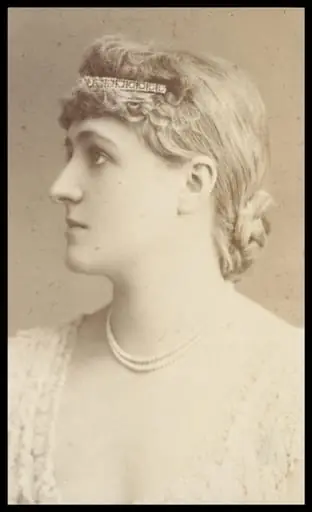
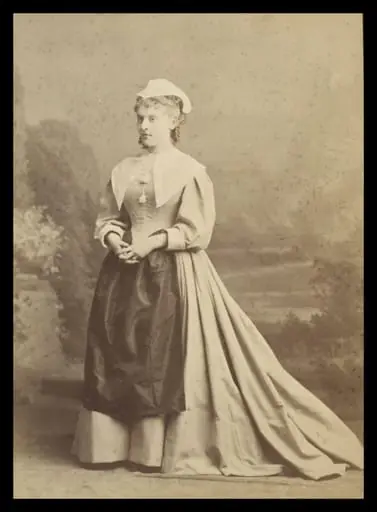
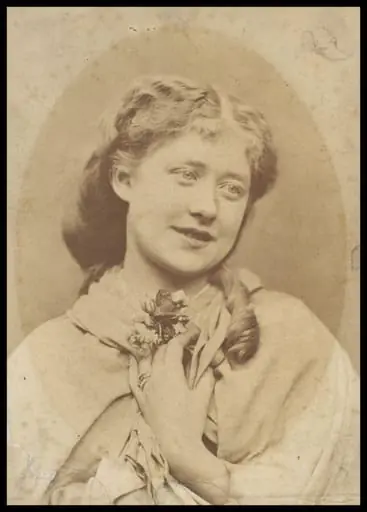
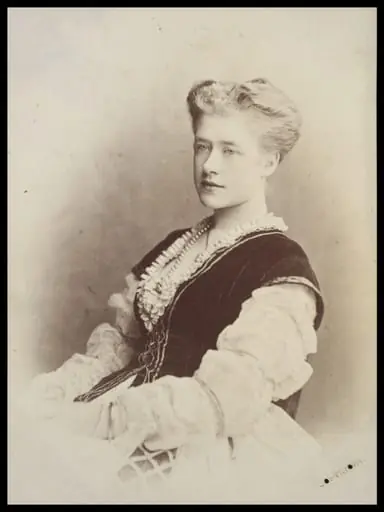
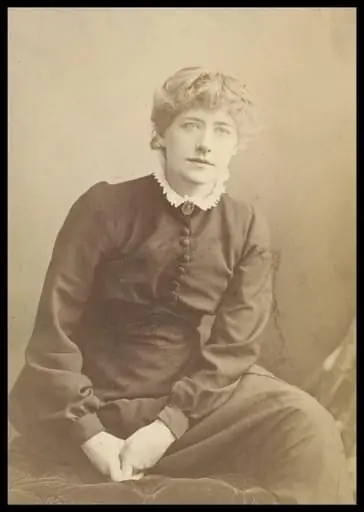
Guy Little Theatrical Photograph is a photographic photography by the Impressionist artist W. & D. Downey. It dates from 1878 and is held in the collection of the Victoria and Albert Museum. This photograph is a cabinet card from 1878, depicting actress Mrs.
About this work
Taken in 1878, it’s a cabinet card, the bigger, sturdier kind that replaced visiting-card-size cartes de visite.
This photo shows Mrs. Langtry in stage costume. Taken in 1878, it’s a cabinet card, the bigger, sturdier kind that replaced visiting-card-size cartes de visite. It’s an albumen print on card with the photographers’ names printed below the image.
Victorian stars loved these cards. They swapped them like trading cards and collected them in albums. The larger size let printers add fancy borders and bright colors.
Look up the Victoria and Albert Museum.
Overview
This photograph is a cabinet card from 1878, depicting actress Mrs. Langtry in theatrical costume. Produced as an albumen print on stiff card, it bears the imprint of its photographers and was part of a personal collection assembled by Guy Tristram Little. The image reflects the Victorian practice of preserving stage personas through photographic portraiture, a medium that gained widespread popularity during the latter half of the 19th century.
Subject & Meaning
Mrs. Langtry, a celebrated stage performer, is shown in costume, capturing her public persona rather than private identity. These portraits served as both promotional tools and personal mementos, allowing audiences to connect with performers beyond the theater. The choice of attire suggests a specific role, reinforcing the link between celebrity and character in Victorian entertainment culture.
Technique & Style
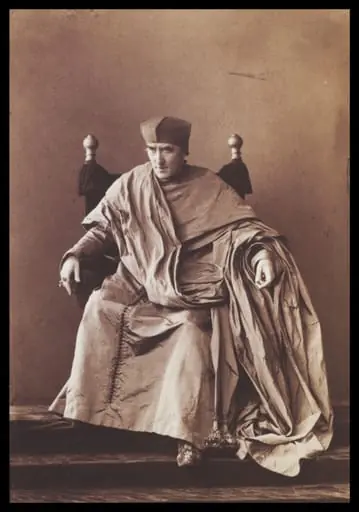
The image is an albumen print made from a glass negative, a standard process of the era. Mounted on a sturdy card backing, it features printed lettering beneath the image identifying the photographers. The larger format of the cabinet card allowed for more detailed rendering and decorative borders, distinguishing it from earlier, smaller cartes de visite and accommodating richer visual embellishment.
History & Provenance
The photograph was once part of Guy Little’s personal archive of theatrical photographs, which he meticulously mounted in albums. Little, a solicitor and collector, inherited and preserved materials from Gabrielle Enthoven’s extensive theatrical holdings. Upon his death in 1953, the collection was bequeathed to the Victoria and Albert Museum, forming a foundational element of its theater archives.
Context
Cabinet cards replaced cartes de visite in the late 1870s as demand grew for more durable and visually elaborate portraits. They were widely collected by the public, who exchanged them as social tokens and stored them in albums. The format’s popularity coincided with rising interest in celebrity culture, enabling actors and actresses to extend their visibility beyond the stage into domestic spaces.
Legacy
Little’s collection, now housed at the V&A, preserves a tangible record of Victorian theatrical life. These photographs offer insight into how performers were marketed and consumed, and how audiences engaged with celebrity imagery. The archive remains a vital resource for scholars studying the intersection of photography, performance, and popular culture in the 19th century.
Artist & collection
Artist
These sisters turned a London studio into a backstage pass for Victorian theater.