Artwork
Guy Little Theatrical Photograph
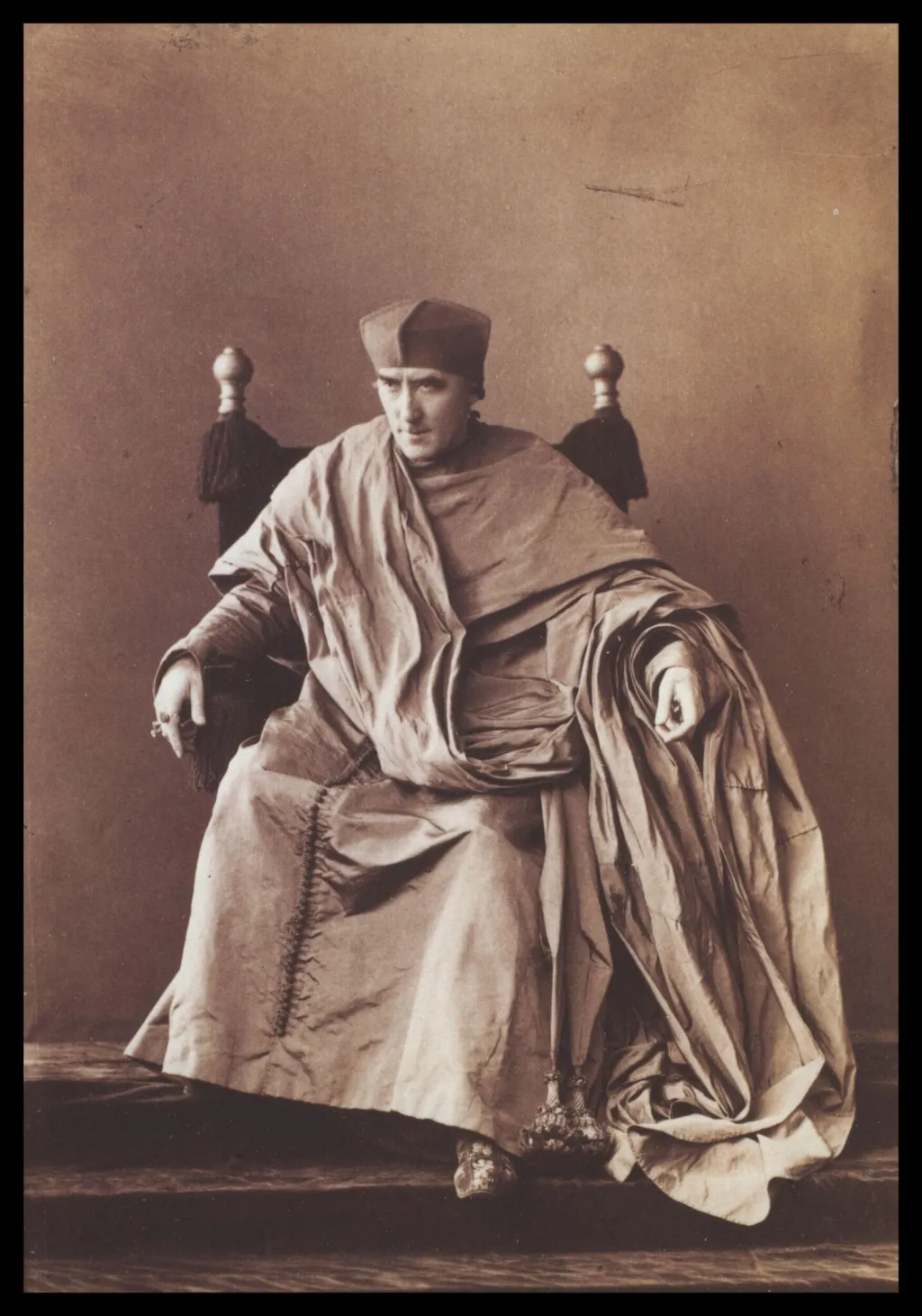
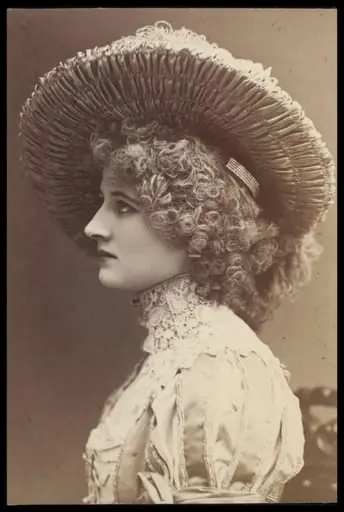
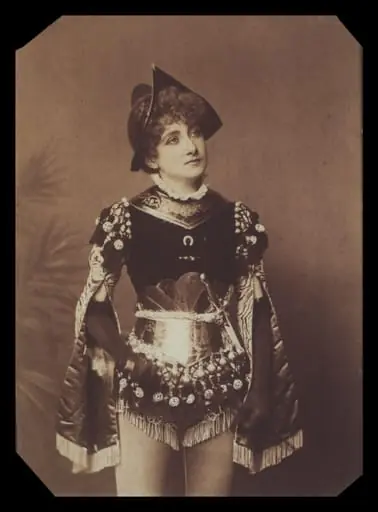
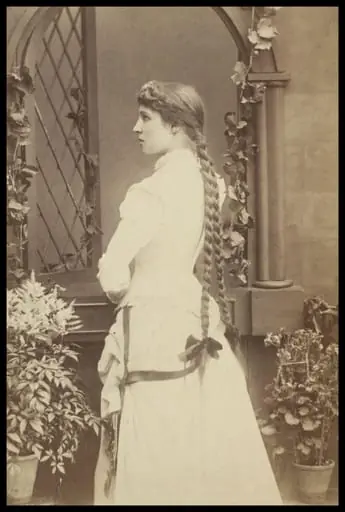
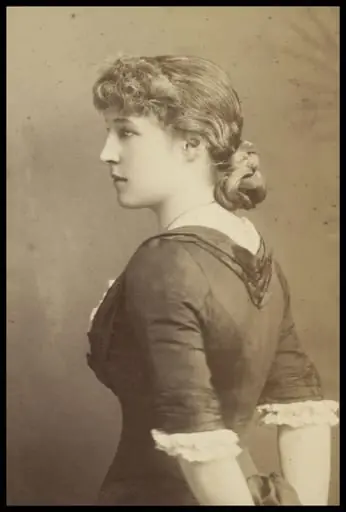
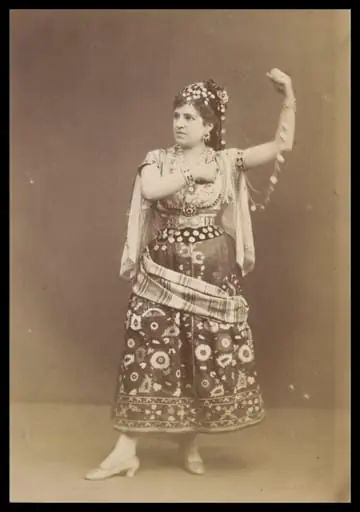
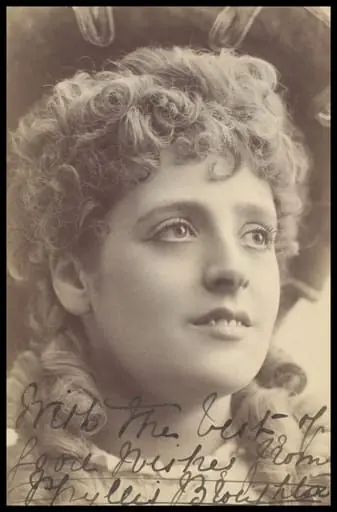
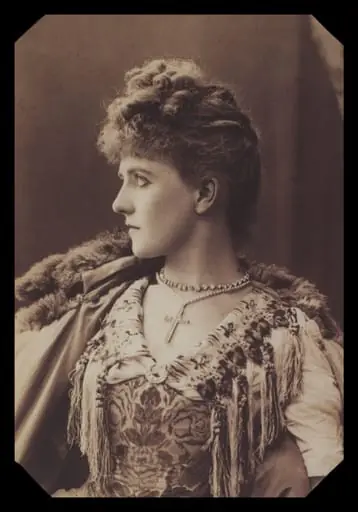
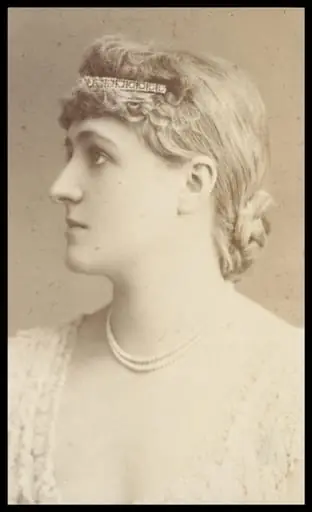
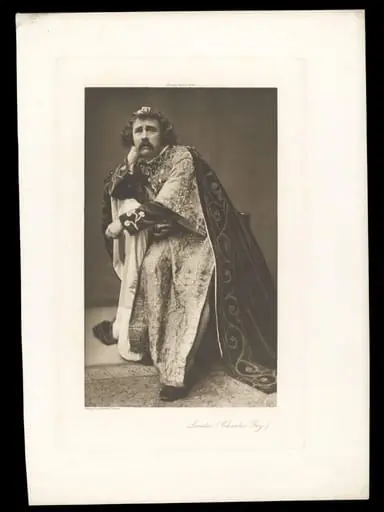
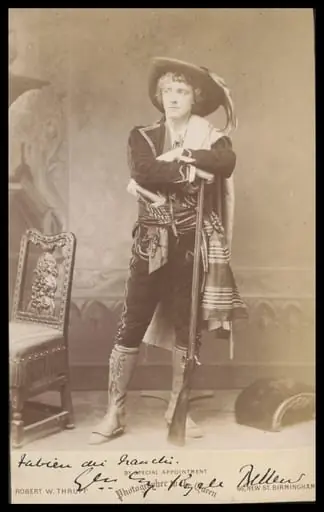
Guy Little Theatrical Photograph is a photographic photography by the Impressionist artist W. & D. Downey. It dates from 1892 and is held in the collection of the Victoria and Albert Museum. This photograph, taken in 1892 by W.
About this work
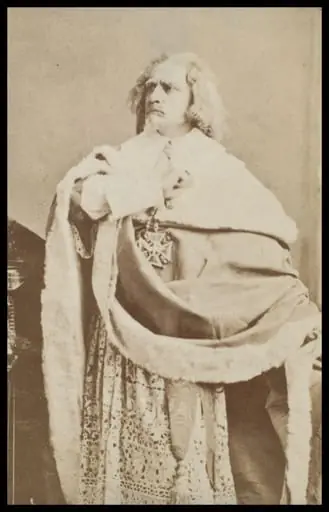
This is a studio photo from 1892. It shows actor Henry Irving in costume as Cardinal Wolsey, made by photographers W. & D. Downey. The print is mounted on card, typical of Victorian theatrical photos.
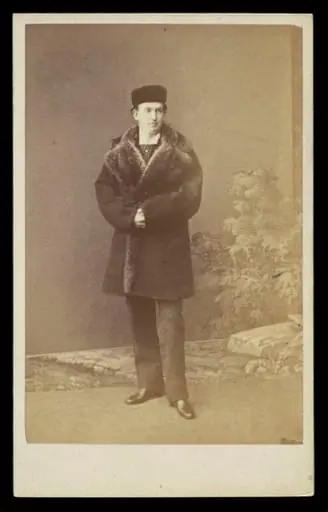
These photos were called “cartes de visite” at first. They were small, cheap, and people collected stacks of them, like trading cards.
Check out the Victoria and Albert Museum for more.
Overview
The image reflects the Victorian era’s widespread fascination with documenting stage performances through accessible photographic prints.
This photograph, taken in 1892 by W. & D. Downey, captures Henry Irving in costume as Cardinal Wolsey from Shakespeare’s Henry VIII, performed at London’s Lyceum Theatre. Mounted on cardstock in the cabinet card format, it belongs to a private collection assembled by Guy Tristram Little, a legal professional and avid collector of theatrical memorabilia. The image reflects the Victorian era’s widespread fascination with documenting stage performances through accessible photographic prints.
Subject & Meaning
Henry Irving, one of the most celebrated actors of his time, portrayed Cardinal Wolsey with a gravity that aligned with his reputation for dramatic intensity. The costume and pose emphasize Wolsey’s ecclesiastical authority and political weight, reinforcing the character’s historical resonance. The photograph served not merely as a record of performance but as a cultural artifact, allowing audiences to engage with theatrical roles beyond the live stage.
Technique & Style
Produced as a cabinet card, the image is an albumen print derived from a glass negative, a standard process in late 19th-century studio photography. The lighting is carefully controlled to highlight the texture of Wolsey’s robes and the actor’s facial expression, while the plain background isolates the figure for maximum visual impact. The print’s mounting on thick cardstock reflects the era’s emphasis on durability and display, suitable for inclusion in personal albums.
History & Provenance
The photograph was part of a larger assemblage of theatrical portraits collected by Guy Tristram Little, who meticulously removed the images from their original backings and mounted them in bound albums. Upon his death in 1953, the collection was bequeathed to the Victoria and Albert Museum. Little, also the executor of Gabrielle Enthoven’s estate, played a key role in preserving the foundations of the V&A’s Theatre Collections.
Context
During the late 1800s, cabinet cards replaced the smaller cartes de visite as the preferred format for theatrical portraits, offering greater detail and a more substantial presence. These images circulated widely among the middle class, functioning as both souvenirs and status objects. The popularity of such photographs coincided with the rise of celebrity culture and the growing institutional interest in documenting the performing arts.
Legacy
Little’s collection, now housed at the V&A, remains a vital resource for understanding Victorian theatre’s visual culture. These photographs document not only individual performances but also the evolving relationship between stage and screen, as well as the public’s desire to own tangible fragments of theatrical experience. The archive continues to inform scholarship on performance history and photographic practice.
Artist & collection
Artist
These sisters turned a London studio into a backstage pass for Victorian theater.