Artwork
Guy Little Theatrical Photograph
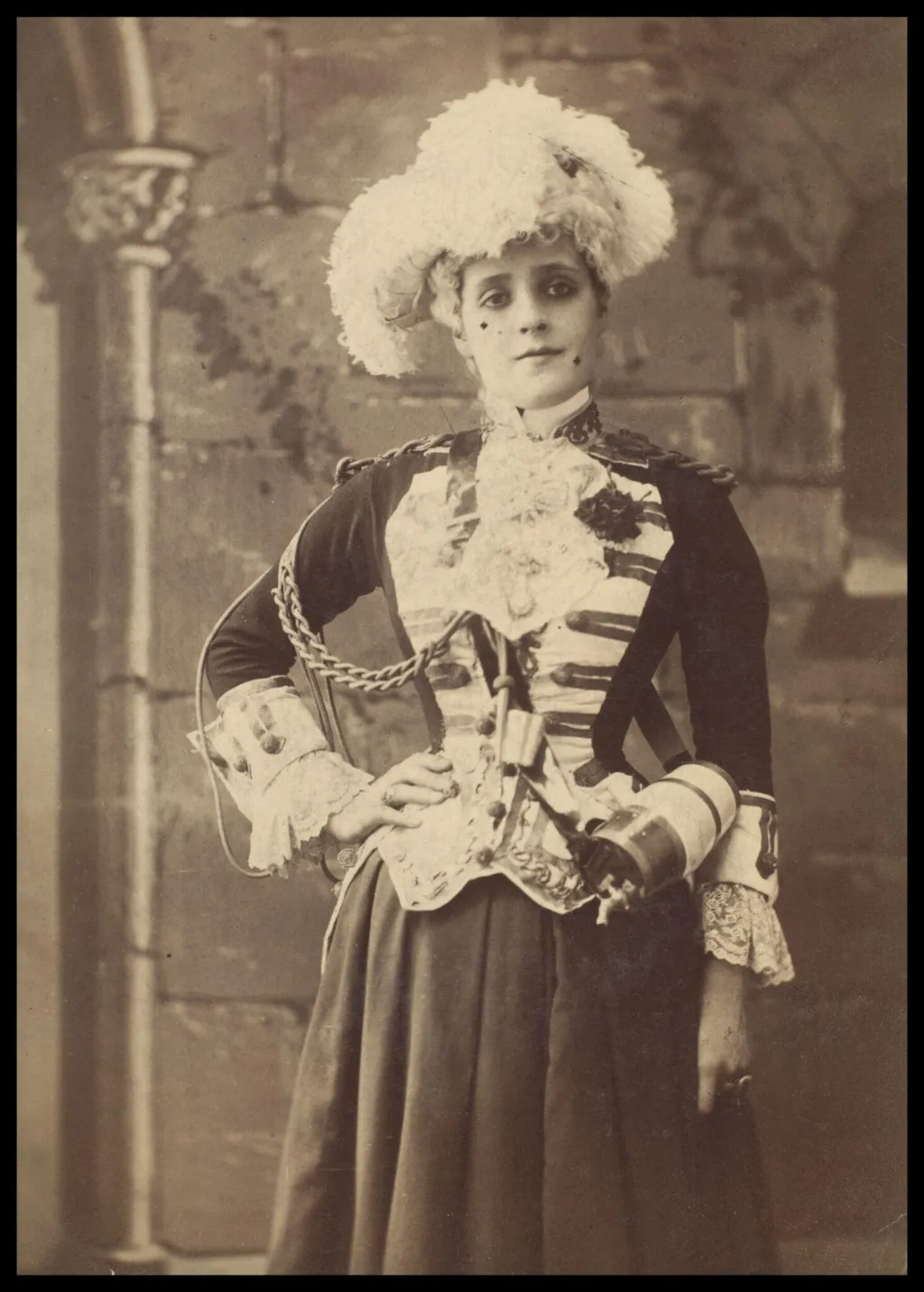
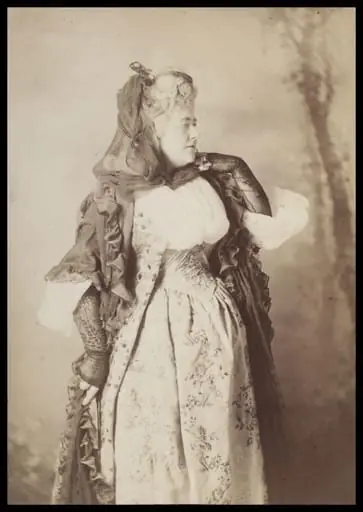
Guy Little Theatrical Photograph is a photographic photography by the Impressionist artist Samuel Alex Walker. It dates from 1887 and is held in the collection of the Victoria and Albert Museum.
About this work
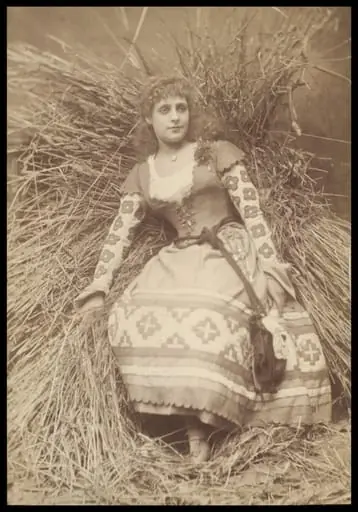
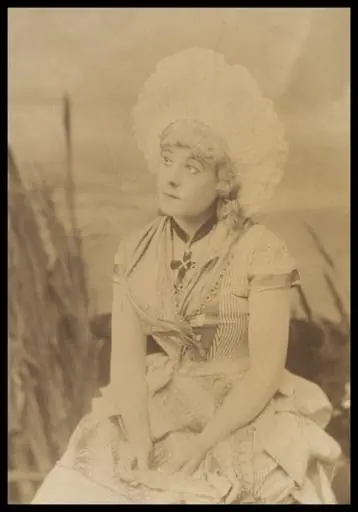
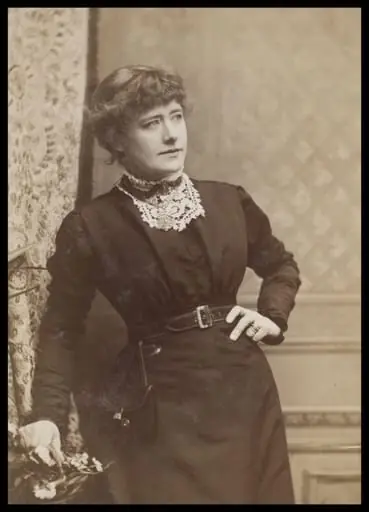
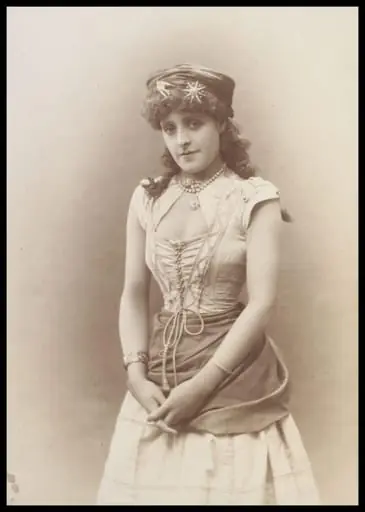
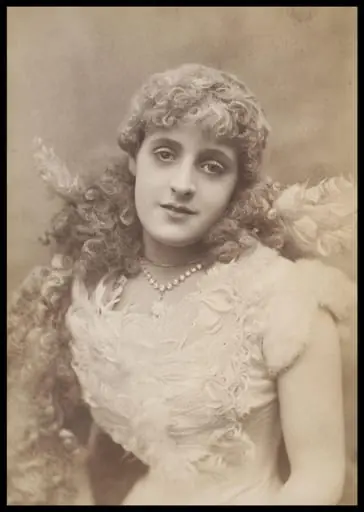
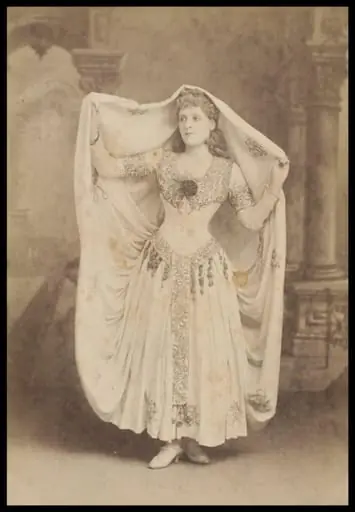
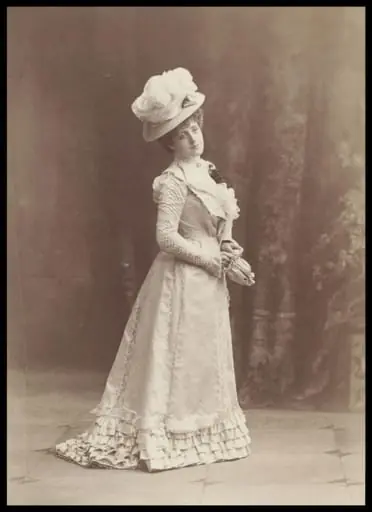
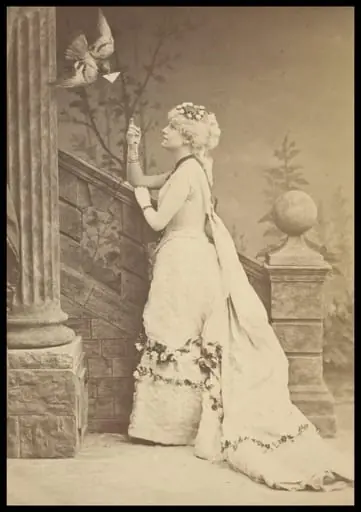
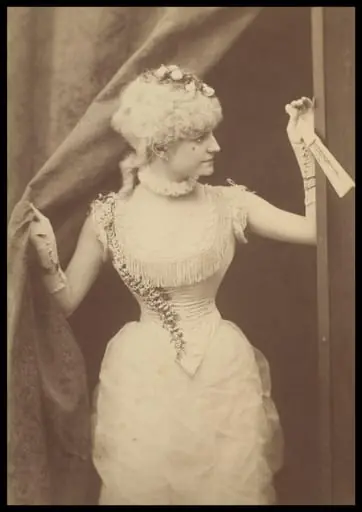
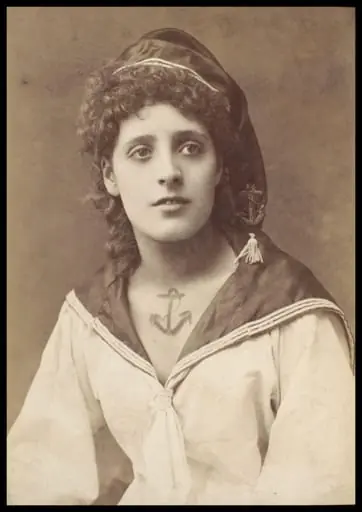
This photo shows Phyllis Broughton dressed as Suzanne in the play *Madame Favart* at London’s Avenue Theatre.
This photo shows Phyllis Broughton dressed as Suzanne in the play *Madame Favart* at London’s Avenue Theatre. Taken in 1887, it’s a snapshot of Victorian theater life.
Actors used these small albumen prints to promote themselves, just like modern headshots. The Victoria and Albert Museum keeps this one in their collection.
Want to see more 19th-century theater photos? Look up the Victoria and Albert Museum.
Overview
This photograph, taken in 1887, captures actress Phyllis Broughton in costume as Suzanne from the operetta Madame Favart at London’s Avenue Theatre. Produced as a cabinet card, it is an albumen print mounted on thick paper, bearing the imprint of photographer Guy Little. Part of a larger personal archive assembled by Little, the image reflects the Victorian practice of preserving theatrical imagery through standardized photographic formats that bridged performance and private collection.
Subject & Meaning
Phyllis Broughton’s portrayal of Suzanne, a spirited character in Jacques Offenbach’s comic operetta, was a popular role in late Victorian theatre. The photograph serves as both a record of her performance and a tool for public recognition, akin to a professional portrait. By depicting her in costume rather than everyday dress, the image emphasizes her artistic identity, reinforcing the connection between actor and character for audiences and collectors alike.
Technique & Style
The image is an albumen print made from a glass negative, a dominant photographic process of the era. Mounted on a cabinet card—larger and more durable than the earlier carte de visite—it was designed for display and preservation. The lighting is even, the background plain, and the composition centered, focusing attention on the actress’s costume and expression. These stylistic choices reflect studio conventions aimed at clarity and permanence rather than dramatic effect.
History & Provenance
The photograph was collected and mounted by Guy Tristram Little, a solicitor and avid archivist of theatrical memorabilia. He systematically removed such images from their original card mounts and integrated them into bound albums. Upon his death in 1953, his collection was bequeathed to the Victoria and Albert Museum. Little also acted as executor for Gabrielle Enthoven, whose own theatrical holdings formed the core of the V&A’s theatre collections.
Context
In the late 19th century, cabinet cards replaced cartes de visite as the preferred format for theatrical portraits, offering greater detail and sturdiness. These images circulated widely among theatregoers and were often collected in albums, functioning as both souvenirs and cultural artifacts. The popularity of such photographs coincided with the rise of celebrity culture and the growing accessibility of photography, allowing performers to extend their presence beyond the stage.
Legacy
Little’s archive, now held by the V&A, preserves a vital record of Victorian theatrical life through thousands of such images. His meticulous curation ensured the survival of ephemeral performances in tangible form. Today, these photographs serve as primary sources for scholars studying costume, performance, and the social rituals of theatre-going in the 19th century, offering insight into how actors were seen and remembered by their audiences.
Artist & collection
Artist
Samuel Walker spent his days tucked in the back rows of London theaters, not on stage but with a camera.