Artwork
Still Life with Game Birds
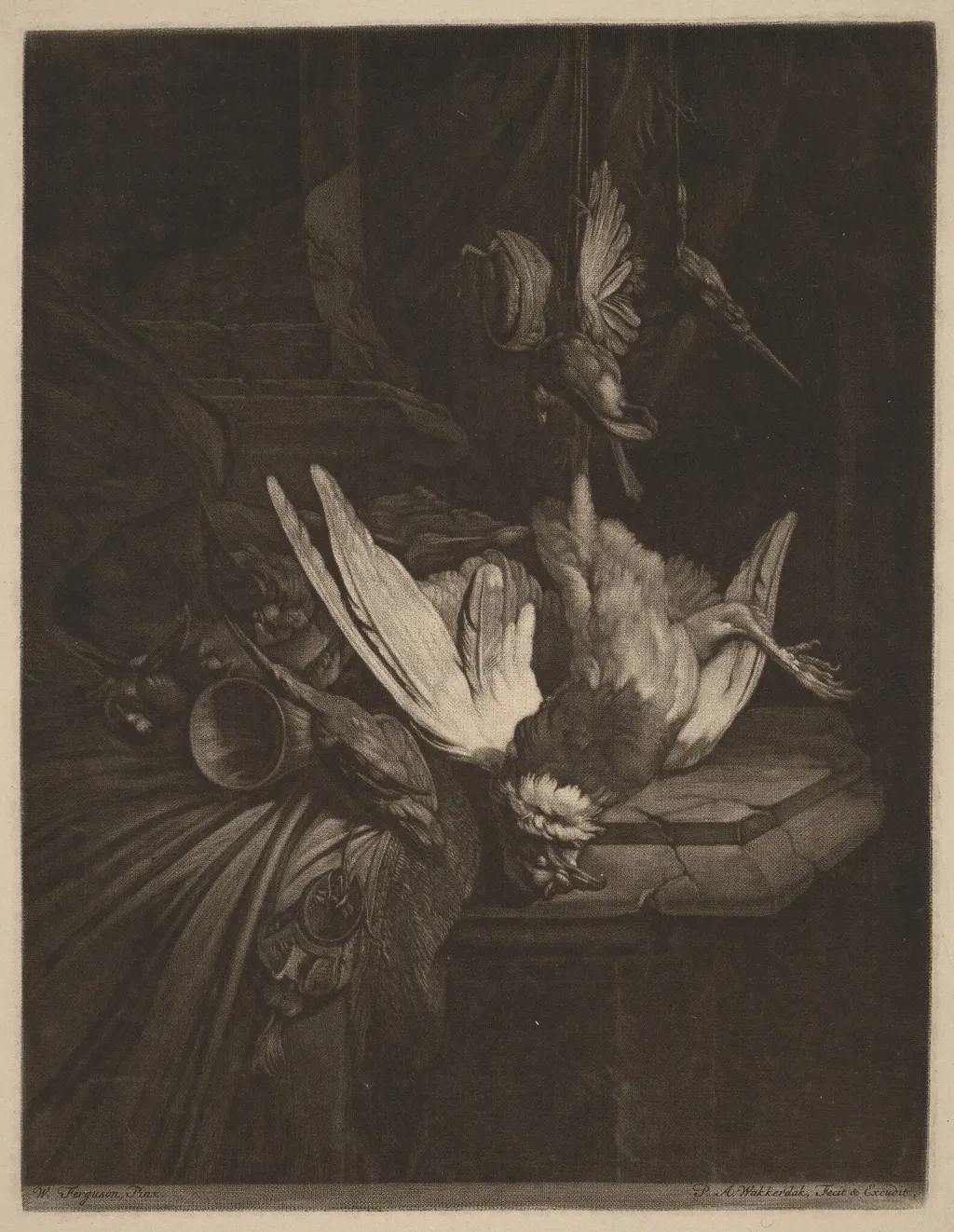
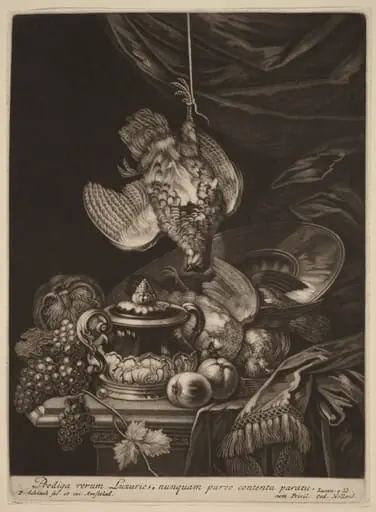
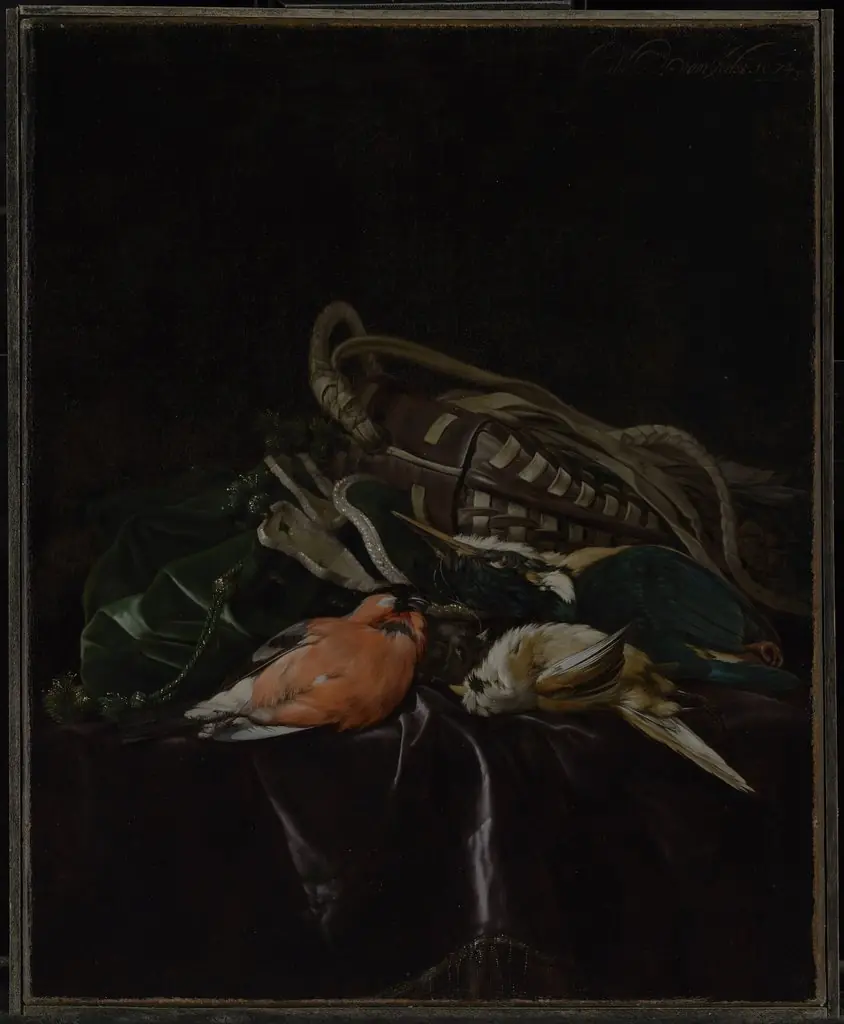
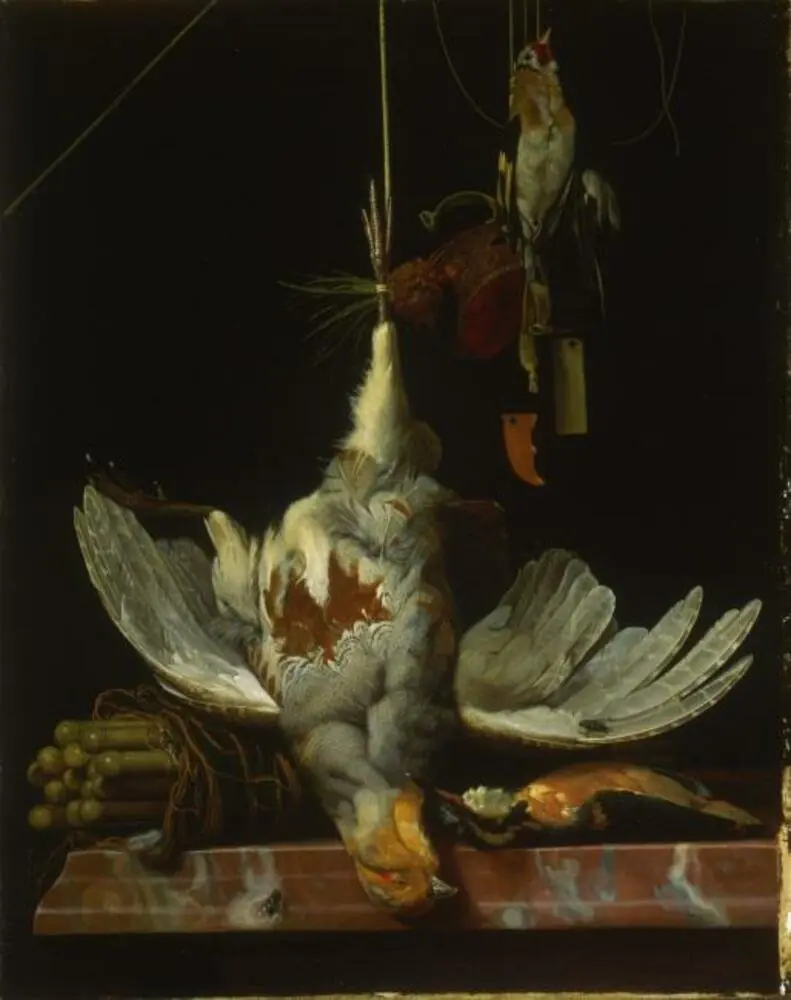
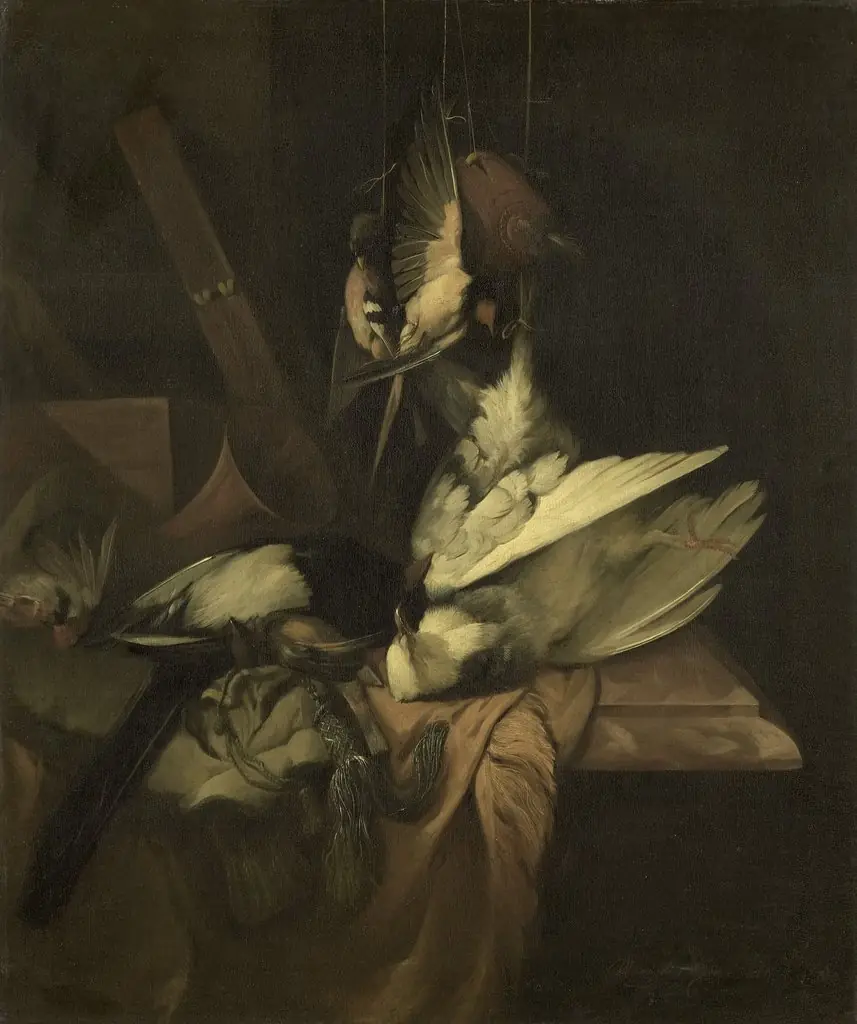
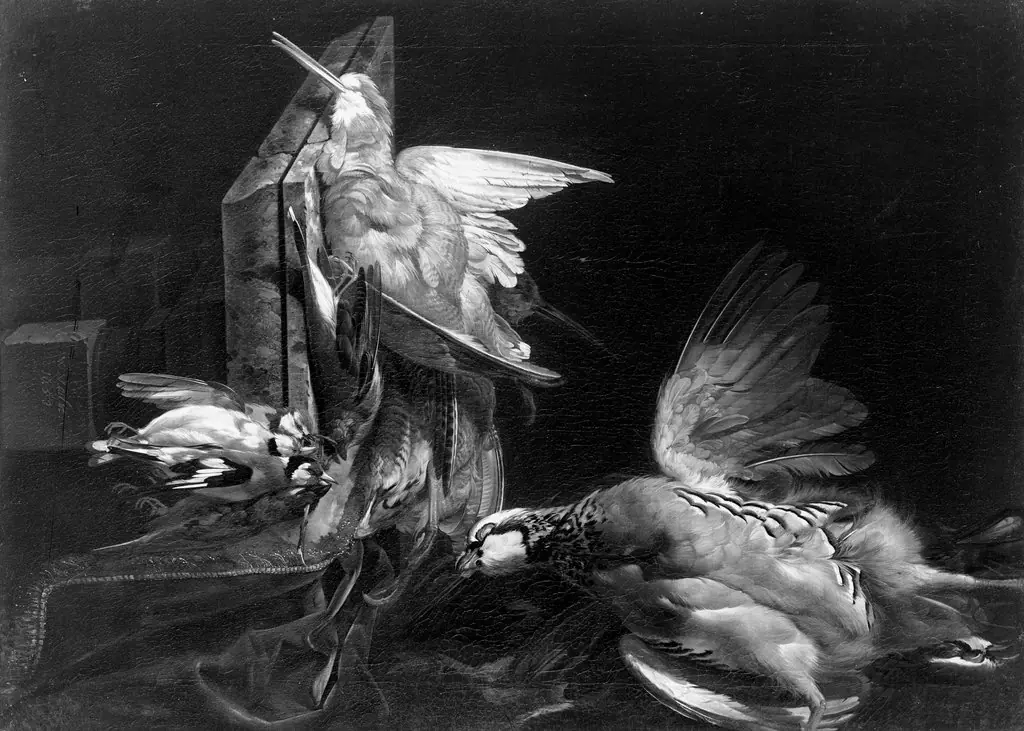
Still Life with Game Birds is an ink print by the Baroque artist Pieter Anthony Wakkerdak. It dates from 1762 and is held in the collection of the National Gallery of Art.
About this work
Overview
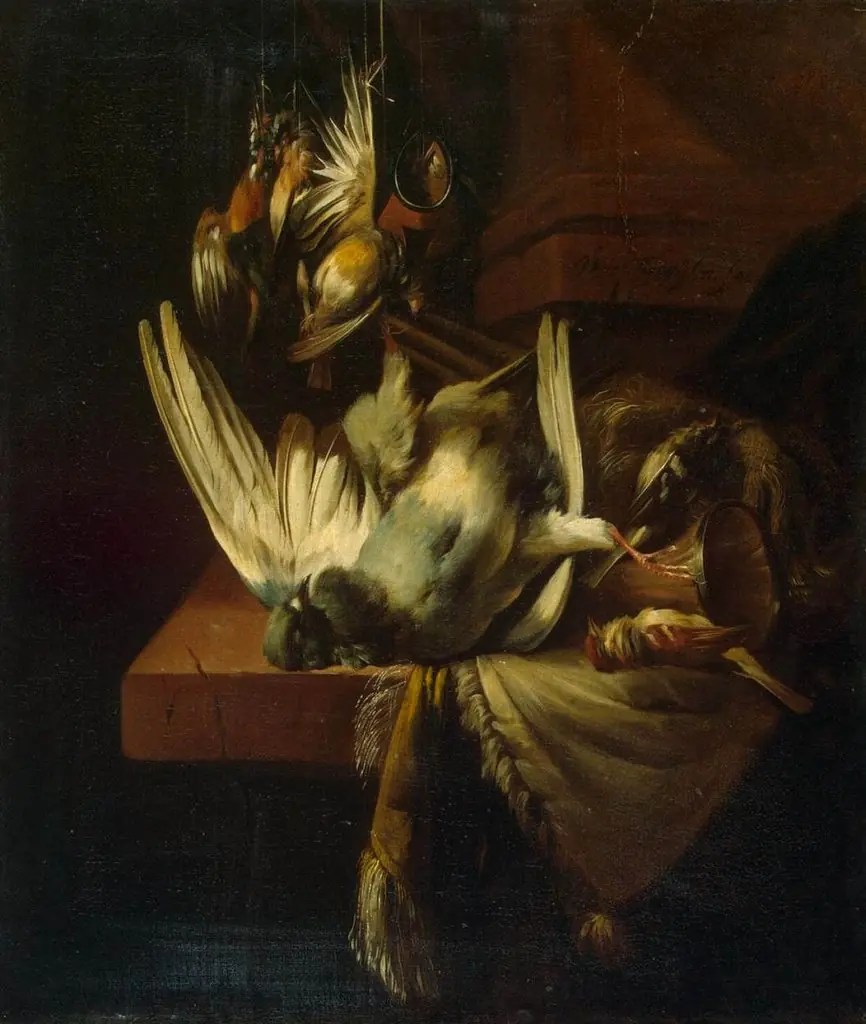
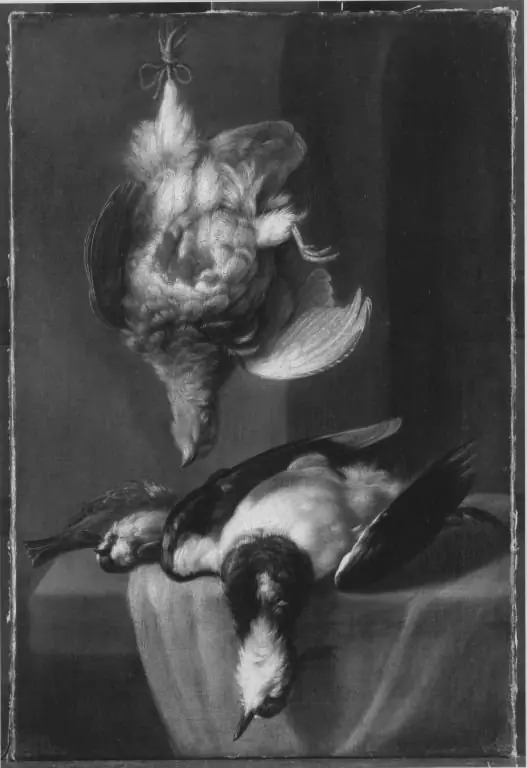
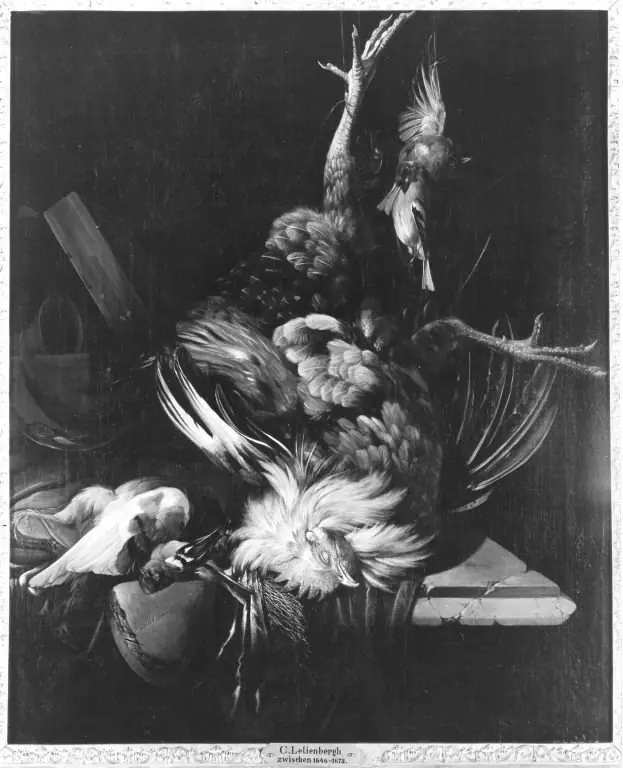
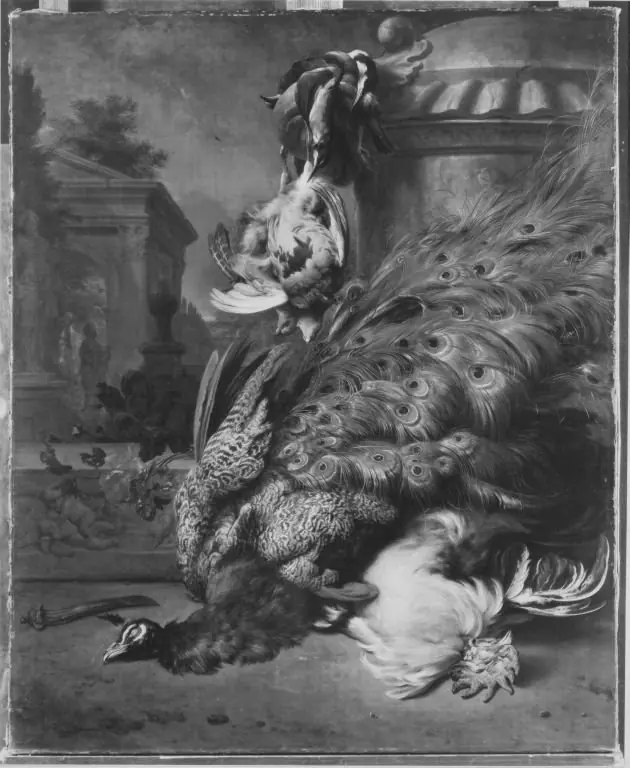
Pieter Anthony Wakkerdak’s mezzotint — titled Still Life with Game Birds and dated around 1762 — presents a compact composition on laid paper.
Pieter Anthony Wakkerdak’s mezzotint — titled Still Life with Game Birds and dated around 1762 — presents a compact composition on laid paper. The print depicts a darkened surface crowded with the carcasses of hunted birds, scattered feathers and a few pieces of fruit, while an open feather fan adds a delicate counterpoint. The work exemplifies the still‑life genre within the printmaking tradition of the eighteenth century.
Subject & Meaning
The arrangement of dead game, feathers and fruit evokes the traditional vanitas theme, reminding viewers of the fleeting nature of life and the abundance of material wealth. The solitary bird head that emerges from the pile draws attention to the moment after the hunt, suggesting both triumph and mortality. The inclusion of a decorative fan hints at the social practices surrounding feasting and display.
Technique & Style
Executed in mezzotint, the image relies on a rich tonal range achieved through careful scraping and burnishing of the copper plate. Deep shadows dominate the background, while highlights bring out the texture of plumage and the sheen of the fan. This manipulation of light and dark aligns with Baroque sensibilities, emphasizing drama, contrast and meticulous detail in a single‑color medium.
History & Provenance
Created circa 1762, the print belongs to the later phase of Wakkerdak’s career, a period when Dutch printmakers were adapting Baroque aesthetics to smaller, more affordable formats. Though specific ownership records are scarce, the work has appeared in several nineteenth‑century collections of Dutch prints, indicating its circulation among connoisseurs of genre and still‑life imagery.
Artist & collection