Artwork
Portret de copil
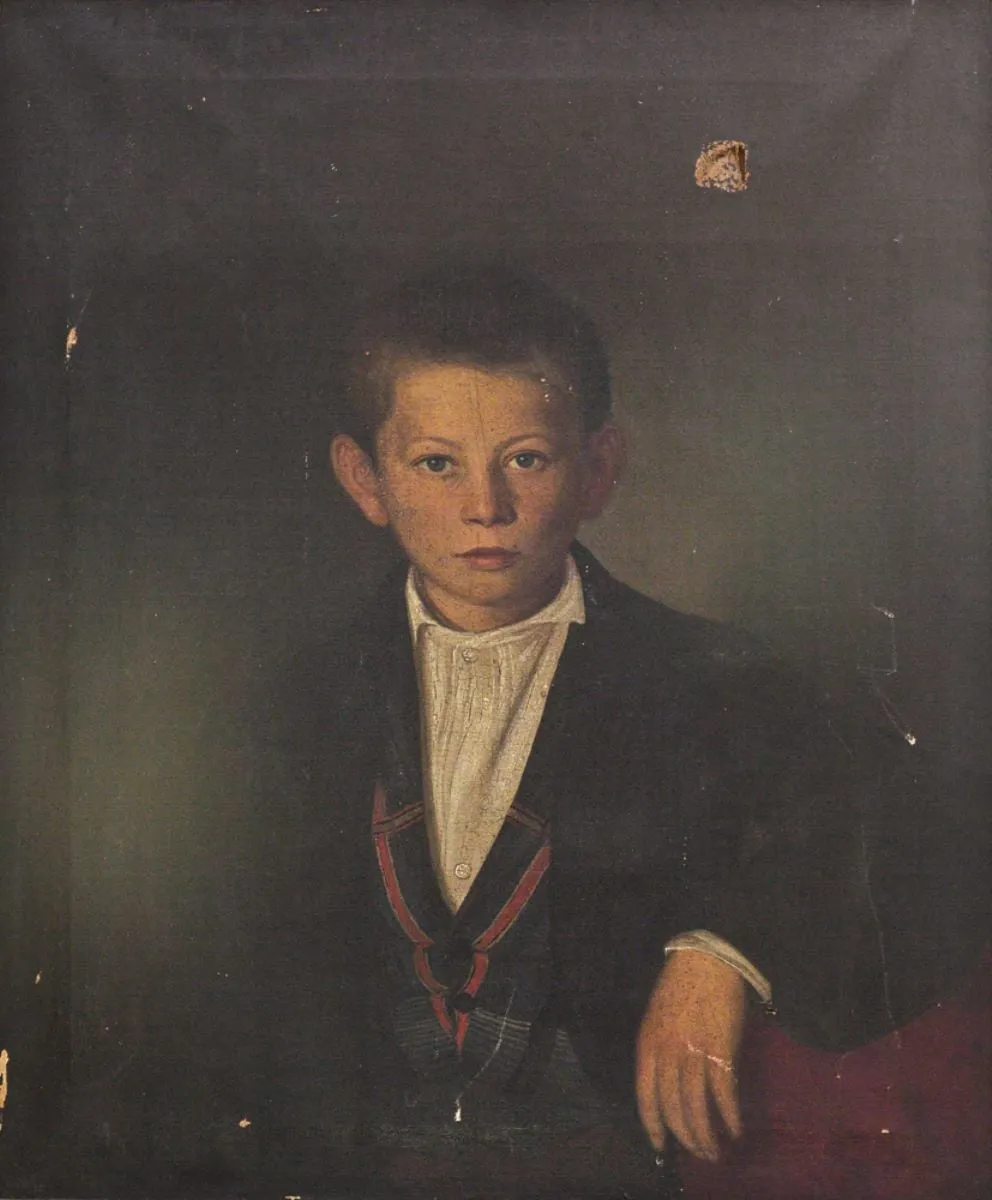
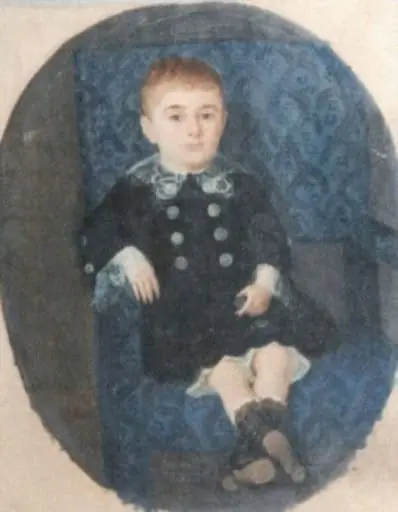
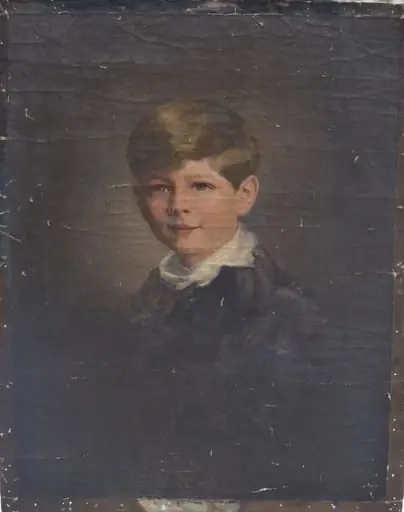
Portret de copil is a print by Fidelis Walch. It is held in the collection of the Bucharest Municipality Museum. This portrait depicts a young boy rendered in a restrained, tonal palette.
About this work
Overview
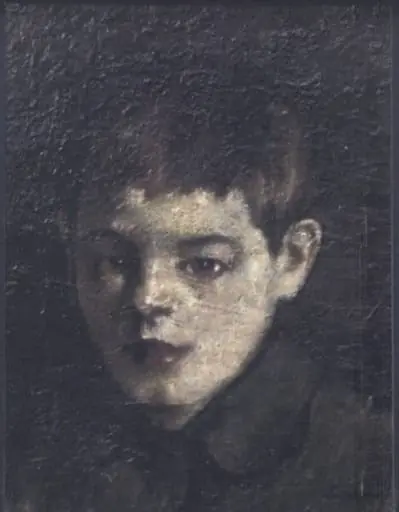
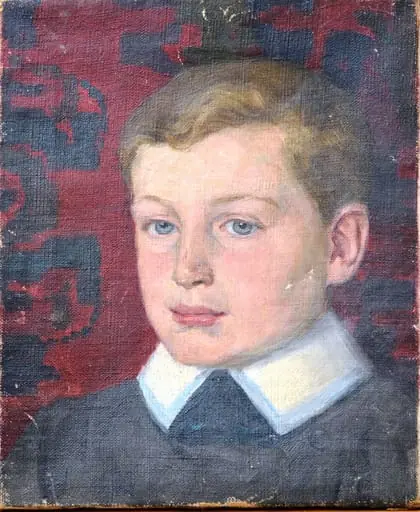
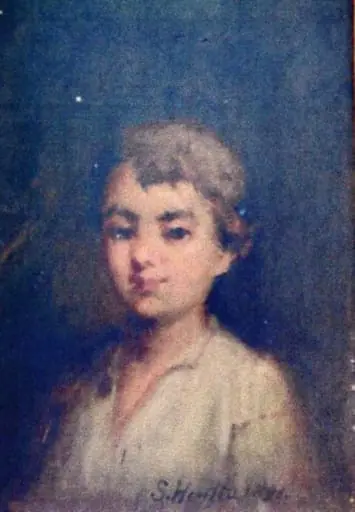
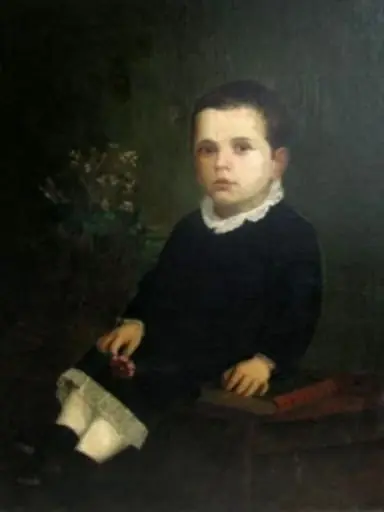
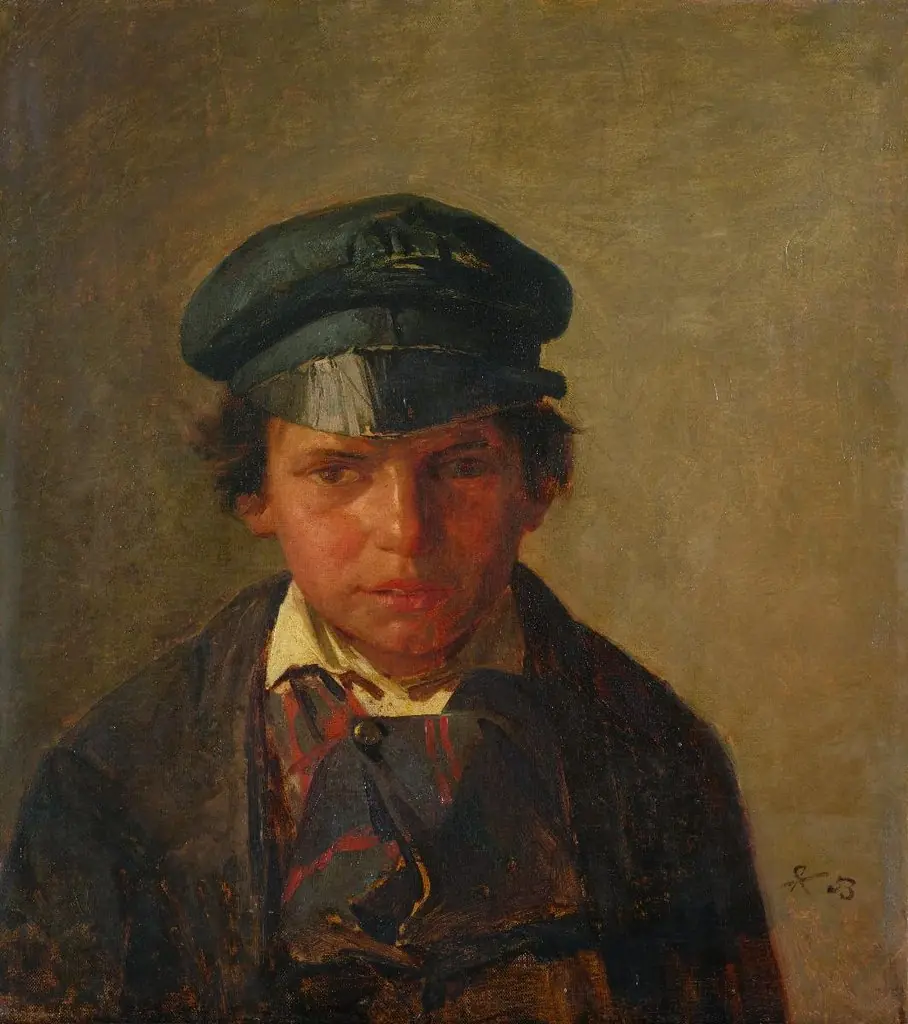
This portrait depicts a young boy rendered in a restrained, tonal palette. His attire includes a dark outer jacket, a vest in red and blue, and a white shirt, all carefully detailed. The composition centers on his face and upper body, with a dark background eliminating distractions. His direct gaze and still posture convey quiet solemnity, emphasizing psychological presence over narrative.
Subject & Meaning
The subject is a child, likely from a middle- or upper-class family, portrayed with formality typical of early modern portraiture. His neutral expression and composed posture suggest an expectation of decorum rather than childhood playfulness. The painting may reflect familial pride or a rite of passage, capturing the boy at a transitional age where maturity is subtly demanded.
Technique & Style
The artist employs chiaroscuro to model the boy’s form, using subtle gradations of light and shadow to define the contours of his face and clothing. The dark background enhances the three-dimensionality of the figure, while the textured rendering of fabric adds tactile realism. Brushwork is controlled, avoiding flourish in favor of quiet precision.
History & Provenance
The painting’s origin and early ownership are undocumented in available records. It lacks inscriptions or markings that would clarify the artist, date, or commissioning family. Its survival suggests it was preserved within a private collection, possibly passed down through generations before entering institutional care.
Context
Created during a period when child portraiture increasingly emphasized individual character over symbolic allegory, this work aligns with Northern European traditions of introspective representation. Unlike idealized depictions, it presents the child as a distinct person, reflecting broader cultural shifts toward psychological realism in the 17th and 18th centuries.
Legacy
Though not widely exhibited or studied, the portrait contributes to the broader understanding of how children were visually represented in pre-modern societies. Its restrained aesthetic offers insight into the values of dignity and restraint associated with youth in certain social strata, influencing later approaches to psychological portraiture.
Artist & collection
Artist
Fidelis Walch made portraits in the early 20th century, leaving behind sharp, direct images of people.