Artwork
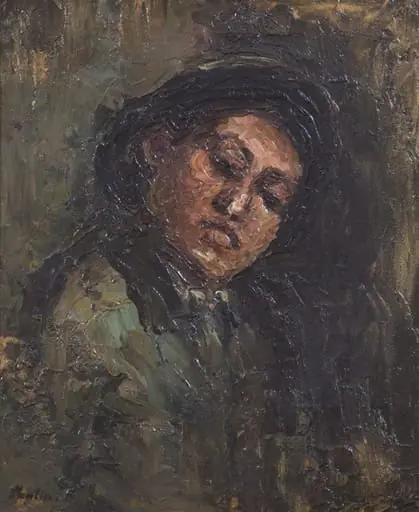
Portret de copil
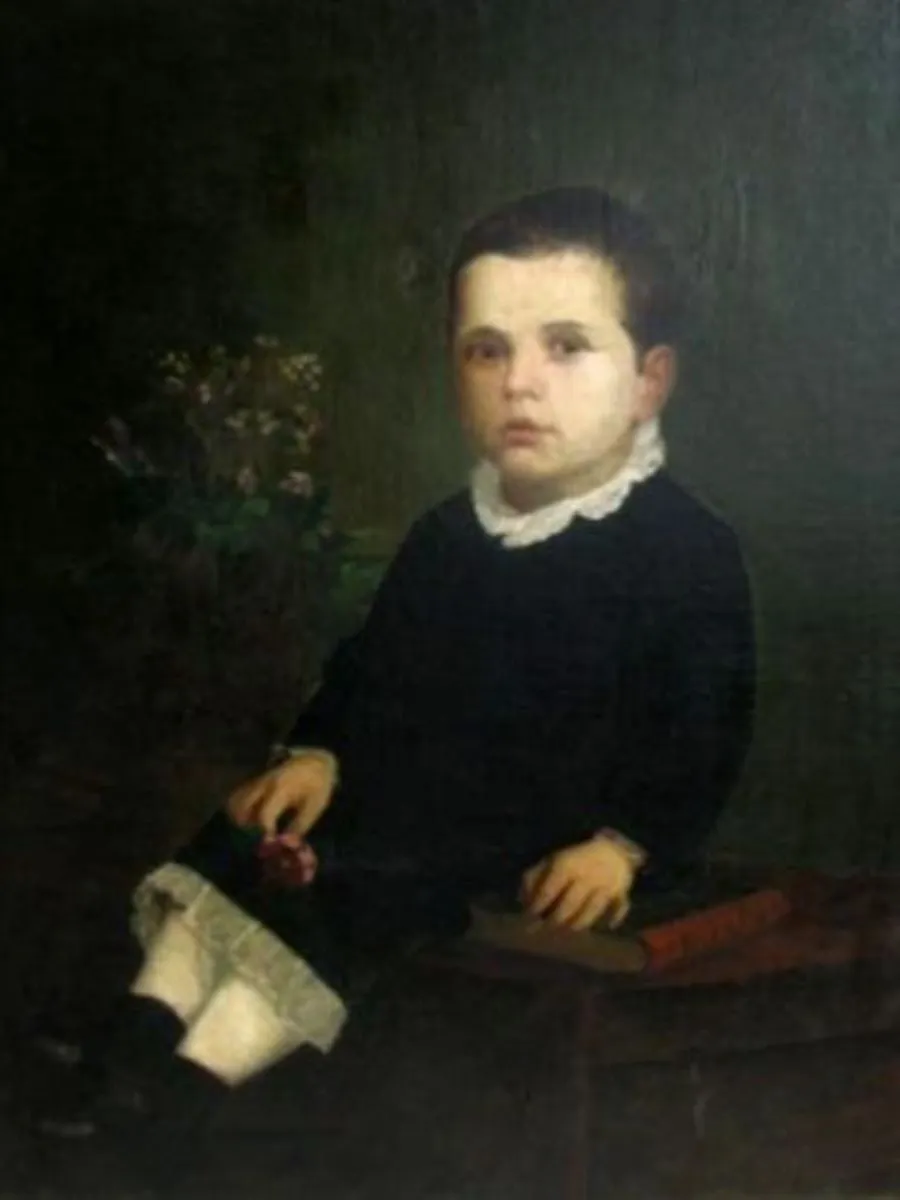
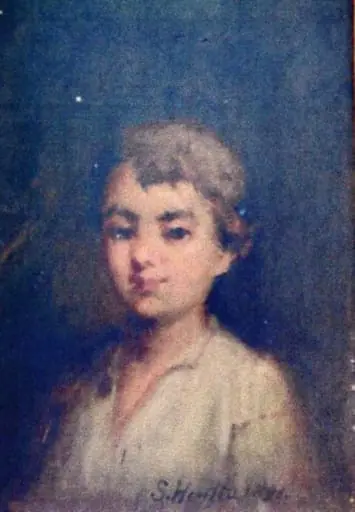
Portret de copil is an unspecified painting by the Biedermeier artist Sava Henția. It dates from 1852 and is held in the collection of the Botoșani County Museum.
About this work
Overview
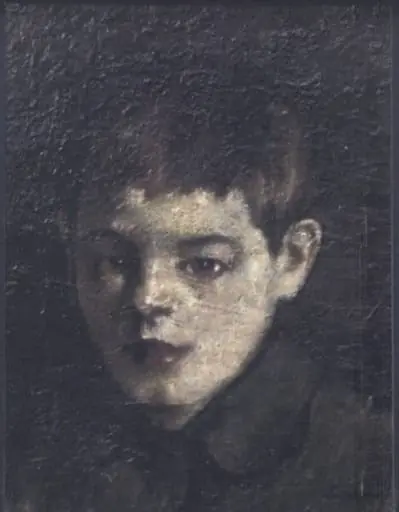
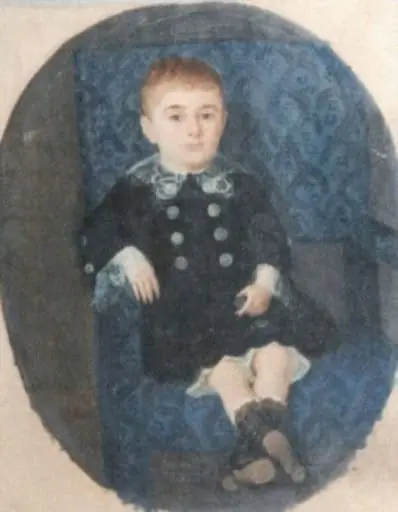
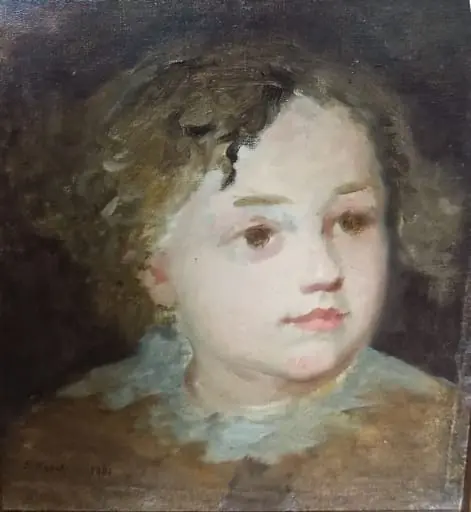
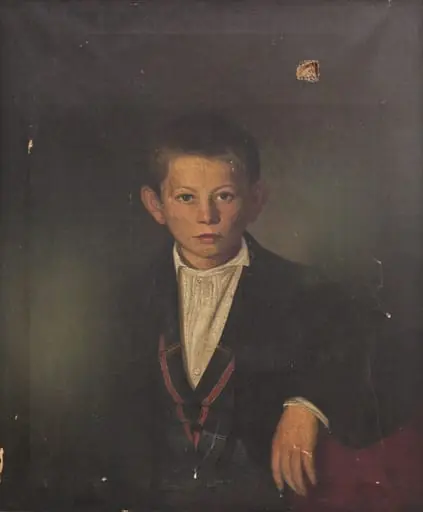
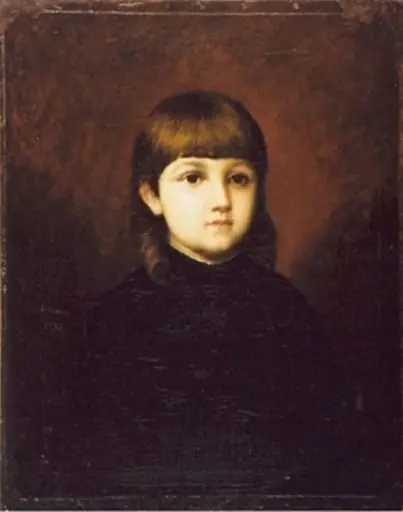
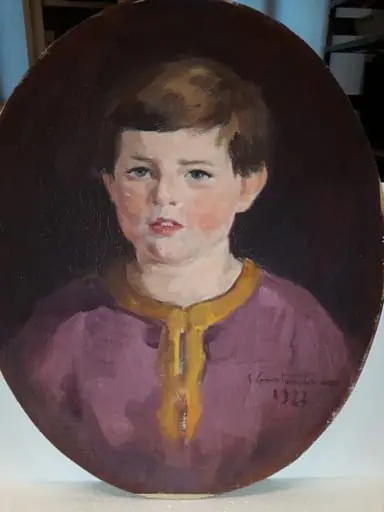
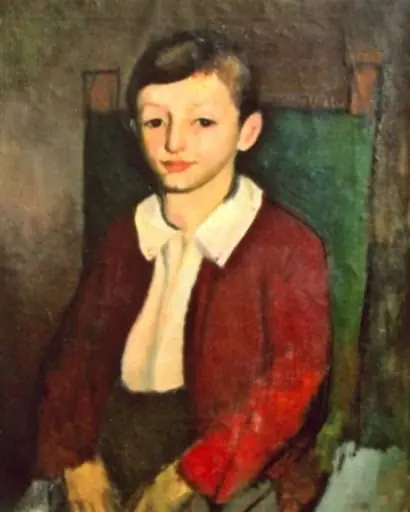
Created in 1852 by Sava Henția, a Romanian artist of Austrian imperial origin, this portrait captures a young boy seated in a dim interior. The work belongs to the Museum of Ethnography’s collection and exemplifies the Biedermeier aesthetic that favored intimate, domestic scenes.
Subject & Meaning
The figure is a child, solemn and composed, dressed in a dark sweater with a white collar. He holds a folded piece of cloth, a detail that hints at everyday activity or a modest ritual, while a faint suggestion of greenery beyond the shadowed wall adds a subtle hint of the outside world.
Technique & Style
Henția employs a restrained chiaroscuro, allowing soft illumination to model the boy’s face against the surrounding darkness. Careful rendering of textures—such as the cloth’s creases and the sweater’s fabric—creates a tangible realism characteristic of Biedermeier portraiture.
History & Provenance
The painting was produced during the mid‑19th‑century Biedermeier period, a time when Central European artists focused on personal, middle‑class subjects. It entered the Museum of Ethnography’s holdings at an unspecified date, where it remains part of the institution’s representation of Romanian visual culture.
Context
Henția’s career combined painting, decorative work, and illustration, reflecting the versatile roles artists often held in the Austro‑Hungarian realm. This portrait aligns with contemporary trends that emphasized modest, domestic interiors over grand historical narratives.
Artist & collection
Artist
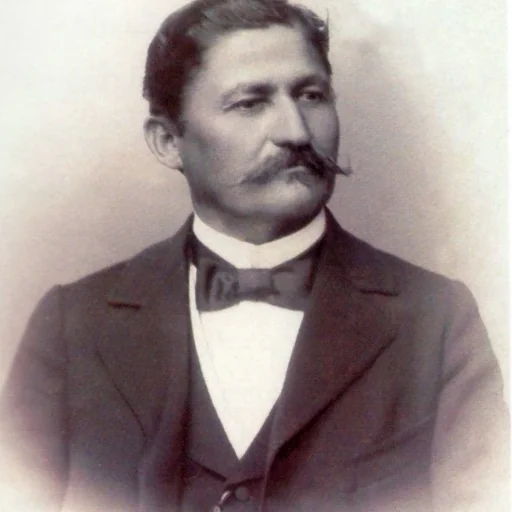
Sava Henția (1 February 1848, Sebeșel - 21 February 1904, Sebeșel) was an Imperial Austrian-born Romanian painter, decorator and illustrator.