Artwork
Untitled
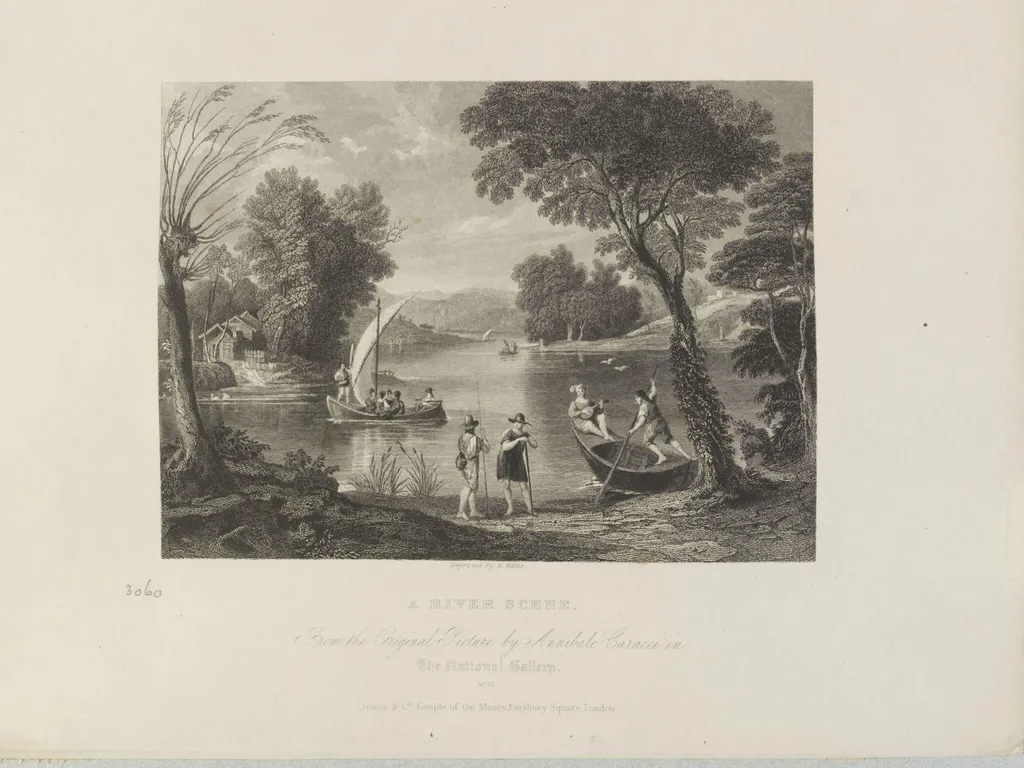
Untitled is a print by Henry Wallis. It dates from 1850 and is held in the collection of the Victoria and Albert Museum.
About this work
Overview
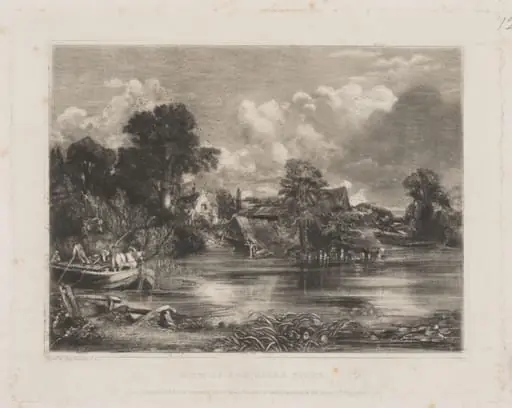
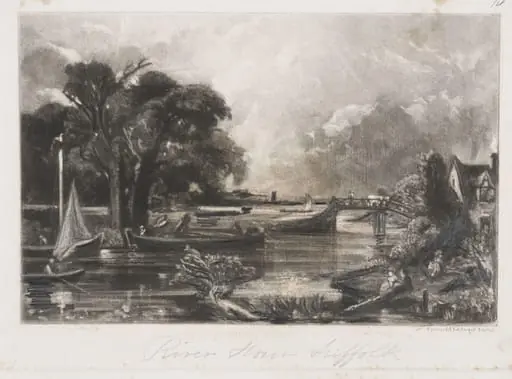
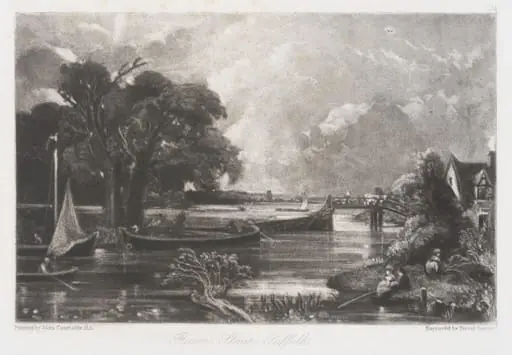
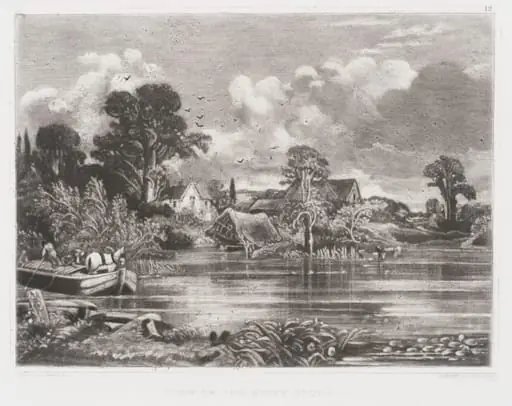
This 1850 print on paper, created by Henry Wallis, is a reproductive engraving of a landscape originally painted by Annibale Carracci. Published by Jones and Co. at the Temple of the Muses in London, it translates an earlier Baroque composition into a detailed tonal print, preserving the quiet atmosphere of the source while adapting it to the conventions of mid-nineteenth-century printmaking.
Subject & Meaning
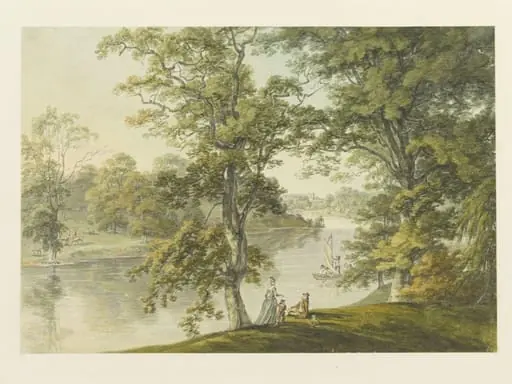
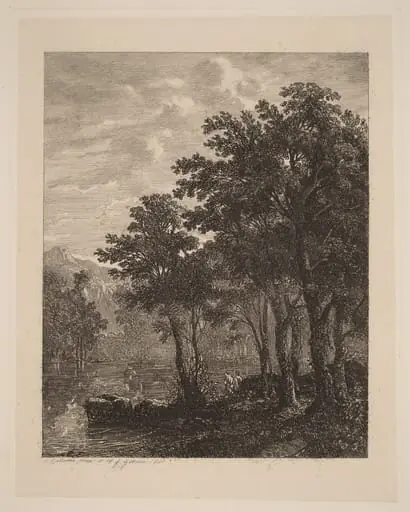
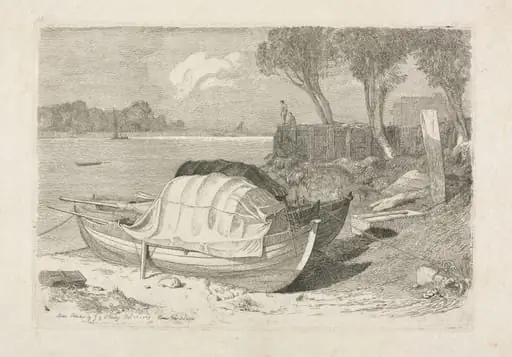
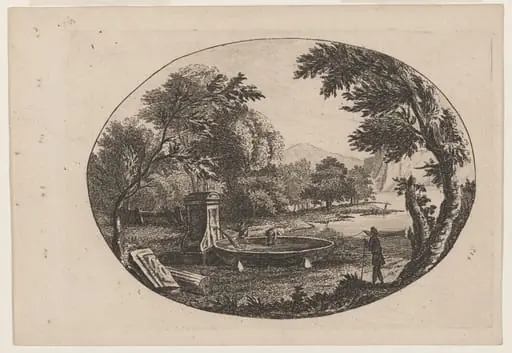
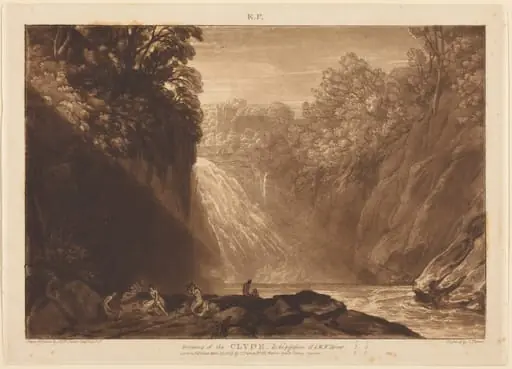
The scene depicts a tranquil riverside with figures engaged in everyday activities: fishing, rowing, and sailing.
The scene depicts a tranquil riverside with figures engaged in everyday activities: fishing, rowing, and sailing. A modest dwelling nestled among trees and distant hills reinforces a sense of rural serenity. No narrative or symbolic intent is overt; the focus lies in the harmony of human presence within a natural setting, reflecting a preference for peaceful, uneventful landscapes common in reproductive prints of the period.
Technique & Style
Wallis employed fine, soft lines and subtle shading to render depth and texture, particularly in the foliage and water. Light is diffused gently across figures and surfaces, avoiding sharp contrasts. The use of chiaroscuro is restrained, creating volume without dramatic tension. The composition is balanced, with horizontal bands of land, water, and sky guiding the viewer’s eye across the quiet expanse.
History & Provenance
The print was produced as part of a series of reproductive engravings intended to make celebrated paintings accessible to a broader audience. Jones and Co., known for publishing art for the middle class, released it under the imprint of the Temple of the Muses, a London-based venture promoting art education. Wallis, primarily a painter, occasionally worked in printmaking, often adapting Old Master compositions.
Context
In mid-nineteenth-century Britain, reproductive prints were widely circulated as both decorative objects and tools for artistic instruction. Carracci’s original painting, likely from the early 1600s, was admired for its naturalism and compositional grace. Wallis’s version reflects Victorian tastes for refined, tranquil scenes, aligning with contemporary ideals of domestic harmony and the picturesque.
Legacy
Though not widely exhibited today, the print exemplifies the role of reproductive engraving in disseminating Renaissance and Baroque imagery to Victorian audiences. It illustrates how artists like Wallis functioned as intermediaries between historical works and public taste, preserving compositional traditions while adapting them to new media and audiences.
Artist & collection