Artwork
The Death of Chatterton
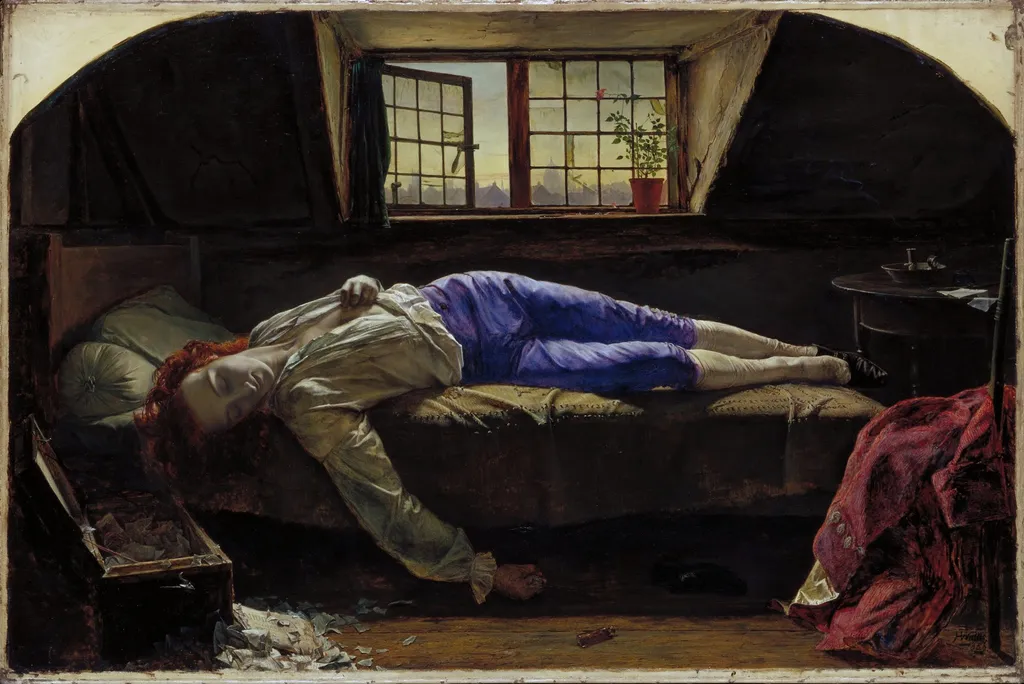
The Death of Chatterton is an oil painting by Henry Wallis. It dates from 1856 and is held in the collection of the National Gallery.
About this work
Overview
Two smaller variants, likely preparatory studies or replicas, reside at the Birmingham Museum and Art Gallery and the Yale Center for British Art.
Painted in 1856, The Death of Chatterton is an oil on canvas work by English artist Henry Wallis. It depicts the suicide of the young poet Thomas Chatterton and is held in Tate Britain, London. Two smaller variants, likely preparatory studies or replicas, reside at the Birmingham Museum and Art Gallery and the Yale Center for British Art. The painting measures 62.2 by 93.3 centimeters, reflecting its intimate yet dramatic scale.
Subject & Meaning
The painting portrays the 17-year-old poet Thomas Chatterton lying dead in a garret, having taken arsenic after his literary forgeries were exposed. Wallis presents the scene with quiet solemnity, emphasizing isolation and youthful despair. The empty room, scattered papers, and still figure suggest the tragic consequences of artistic ambition unacknowledged by society, evoking themes of neglected genius and romantic disillusionment.
Technique & Style
Wallis employs a precise, almost photographic realism characteristic of early Pre-Raphaelite methods. Details such as the texture of fabric, the sheen of metal, and the pallor of skin are rendered with meticulous care. The composition is arranged diagonally, drawing the eye toward the lifeless body, while the muted palette and sharp lighting enhance the scene’s emotional gravity without theatricality.
History & Provenance
Completed in 1856, the painting was exhibited to considerable attention and acquired by the Tate in 1890. Two smaller versions, one in Birmingham and another at Yale, likely served as studies or early iterations. Wallis’s decision to focus on Chatterton—a relatively obscure figure—reflected a mid-Victorian fascination with tragic Romantic poets and the moral weight of artistic failure.
Context
The painting emerged during a period when British artists and writers were reevaluating the Romantic era’s ideals. Chatterton’s story, once dismissed as scandalous, was reimagined as a symbol of misunderstood talent. Wallis’s work resonated with contemporary anxieties about class, artistic legitimacy, and the cost of creativity in an industrializing society.
Legacy
The Death of Chatterton influenced later Victorian and Symbolist depictions of poetic death and alienation. Though Wallis did not achieve lasting fame, this painting became a touchstone for discussions on art, mortality, and societal neglect. Its quiet intensity continues to be studied for its psychological depth and technical discipline within the Pre-Raphaelite canon.
Artist & collection

 Death of Maria, illustriation to the poem by A. Malczewski
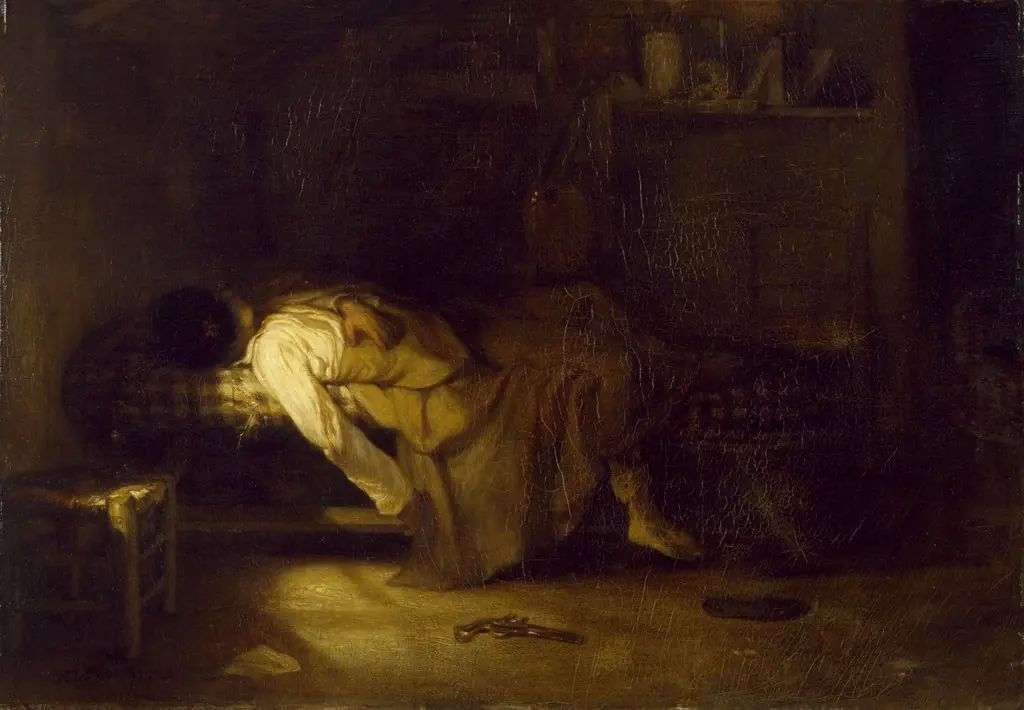 The Suicide
 Young Woman Resting in a Music Room
 The End of the Game of Cards
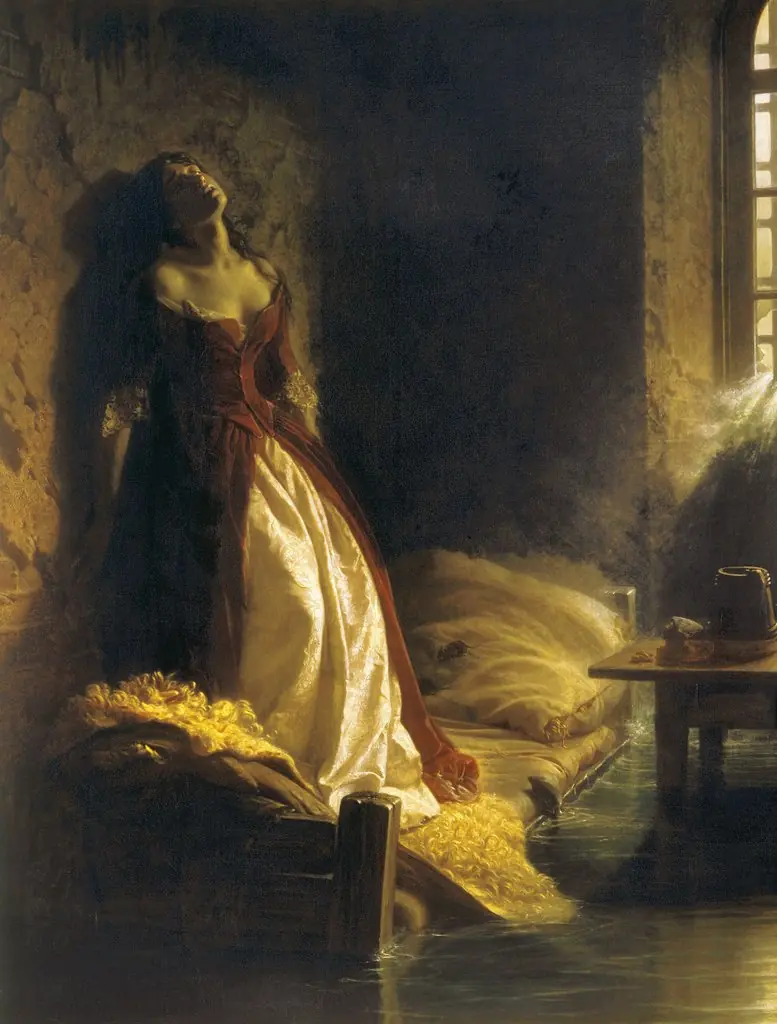 Princess Tarakanova
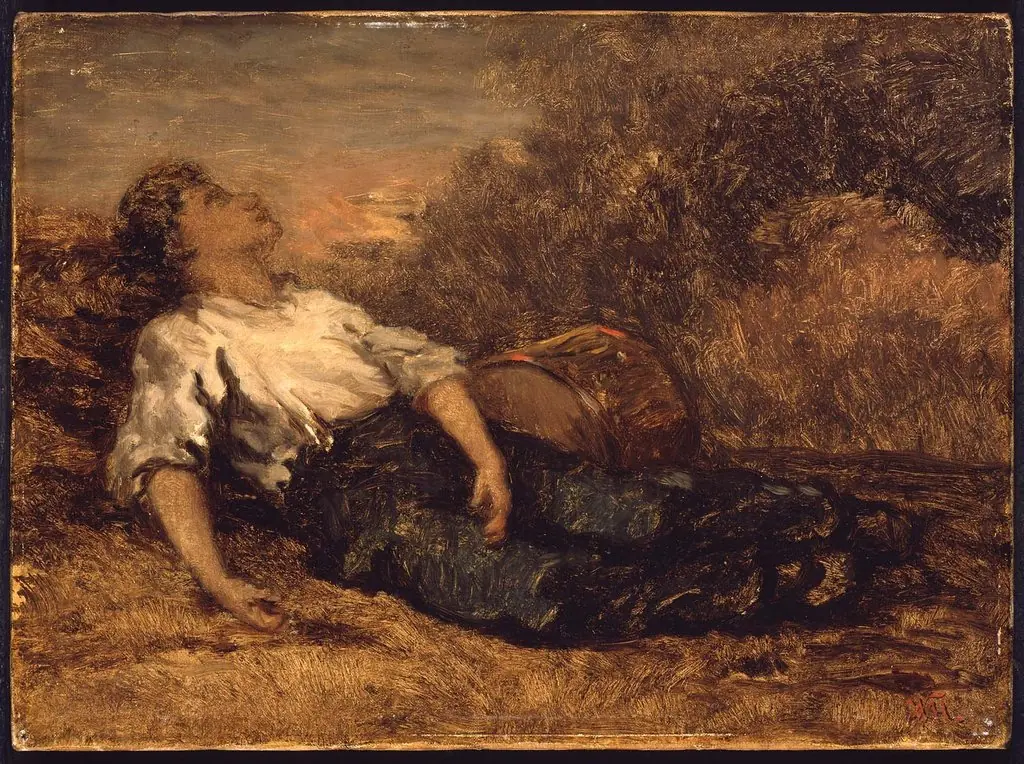 The Wounded Drummer Boy
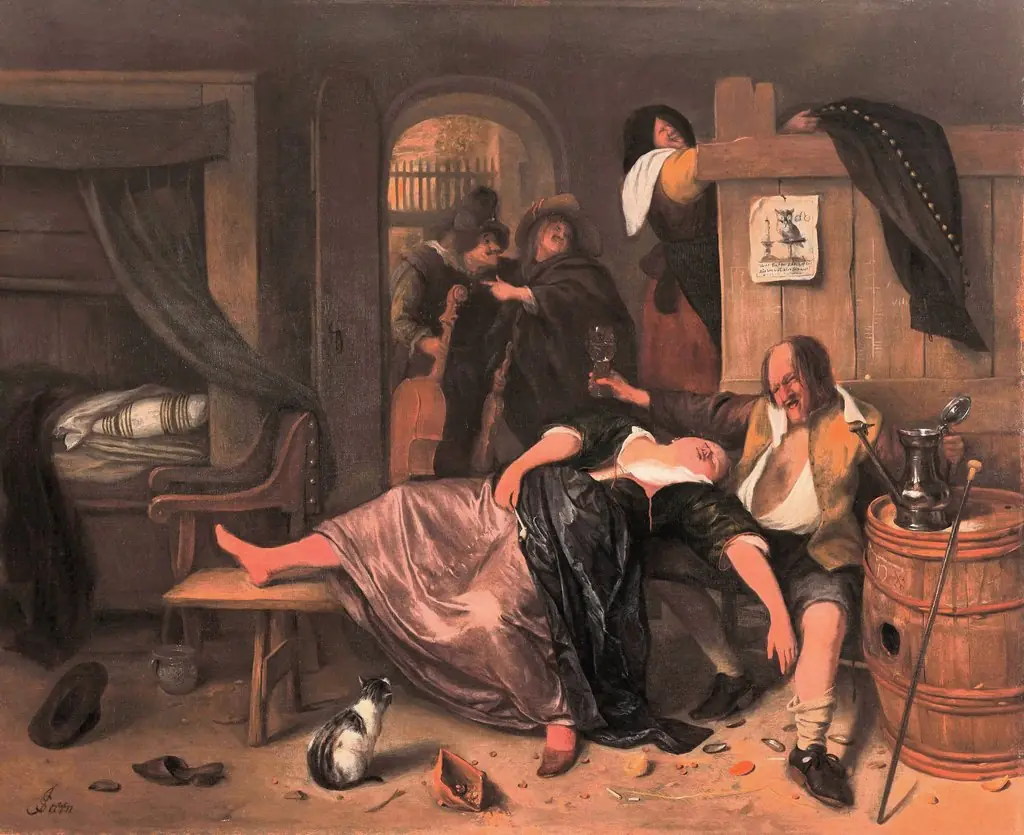 The Drunken Couple
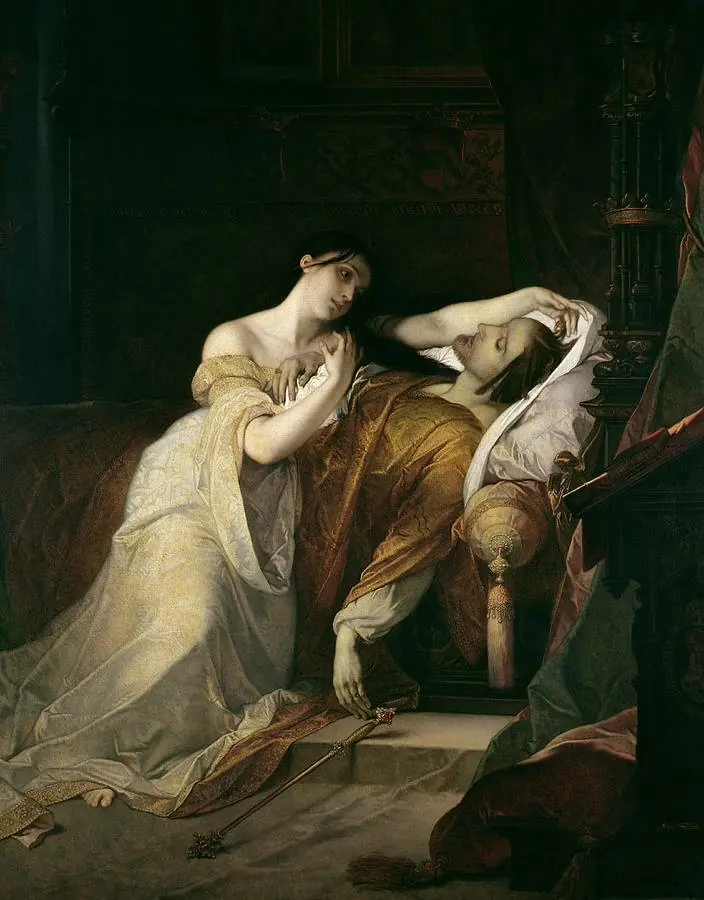 Jeanne la Folle
![[Retrato de mujer al pie de su lecho], by Unknown](https://artifactworldgallery.com/img/unknown--retrato-de-mujer-al-pie-de-su-lecho--96c1576d0f3bbaa8-w320.webp) [Retrato de mujer al pie de su lecho]
[Retrato de mujer al pie de su lecho] Saint Stephen
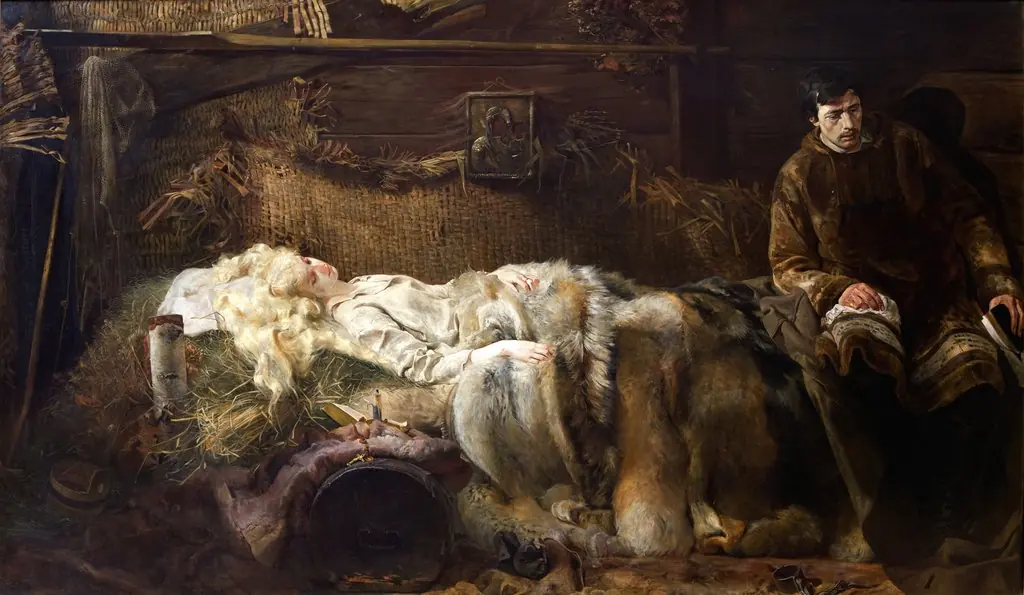 Death of Ellenai
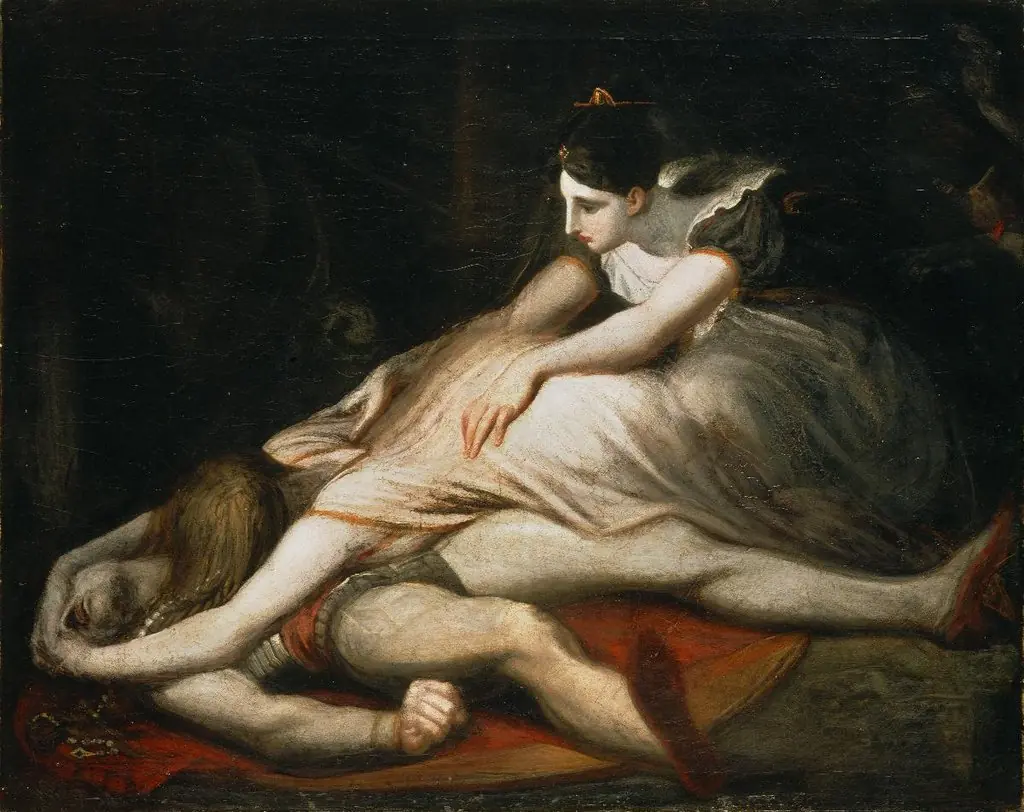 Kriemhild über der Leiche Siegfrieds