Artwork
The Powerhouse, Falls Village, Connecticut
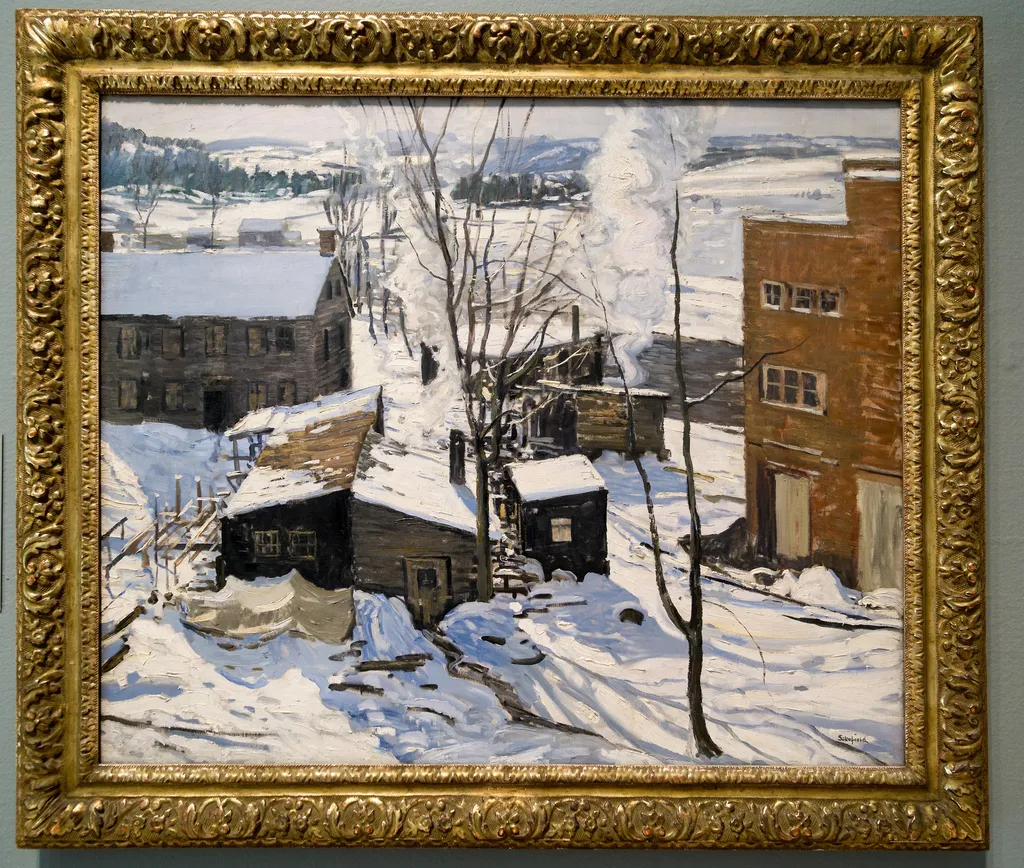
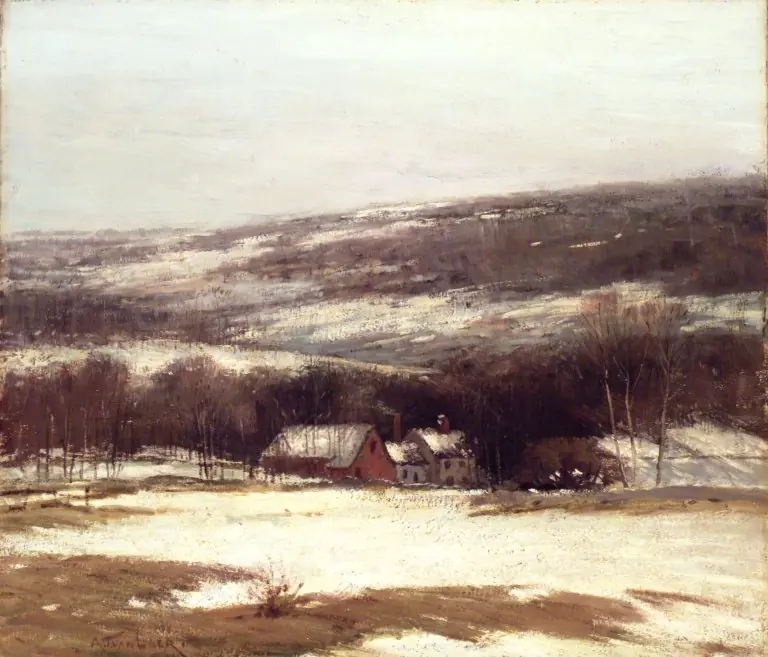
The Powerhouse, Falls Village, Connecticut is an oil painting by the American Impressionist artist Walter Elmer Schofield. It dates from 1914 and is held in the collection of the Art Institute of Chicago.
About this work
Overview
Painted in 1914 by Walter Elmer Schofield, this oil on canvas depicts a quiet winter scene in Falls Village, Connecticut.
Painted in 1914 by Walter Elmer Schofield, this oil on canvas depicts a quiet winter scene in Falls Village, Connecticut. The work captures an industrial powerhouse amid a snowy landscape, blending architectural forms with natural elements. Schofield, though linked to the Pennsylvania Impressionists, frequently painted New England’s seasonal changes, and this piece exemplifies his interest in the coexistence of industry and nature during the colder months.
Subject & Meaning
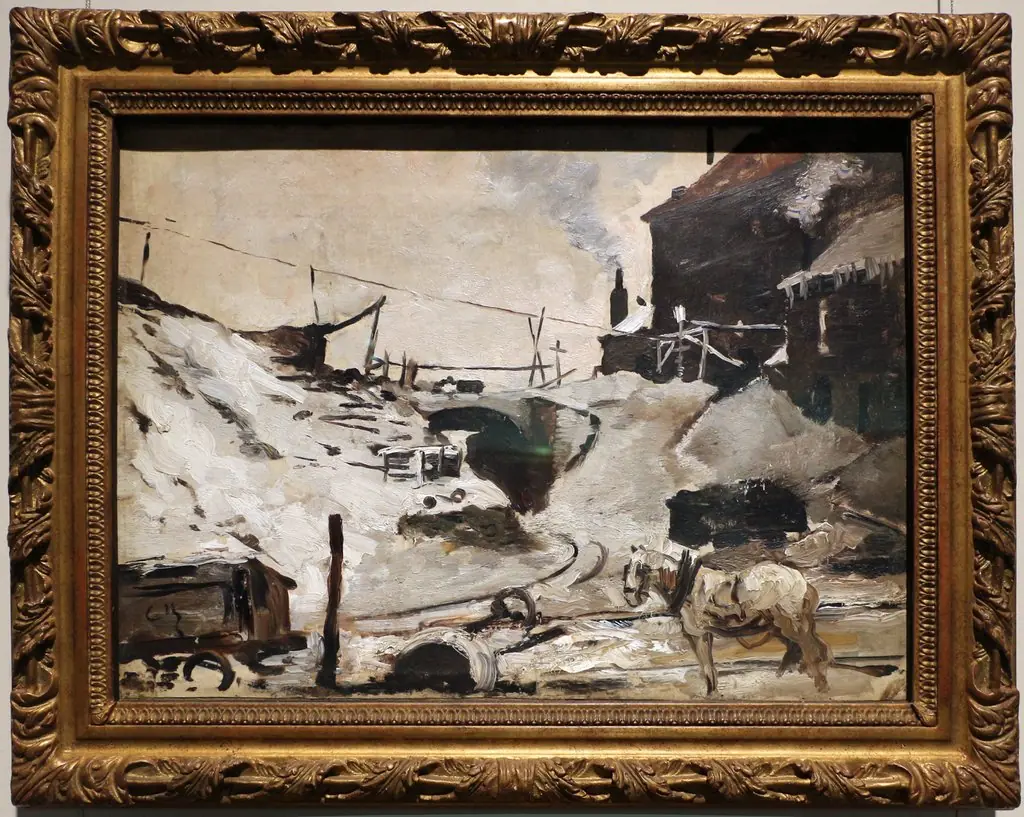
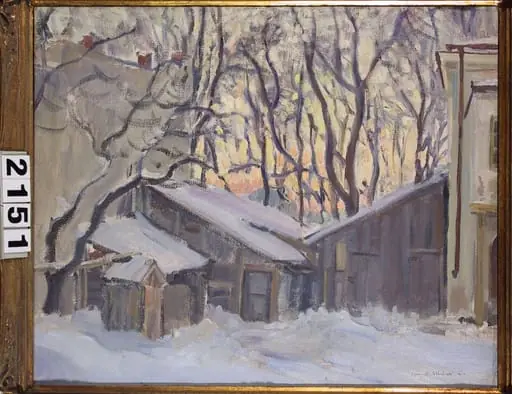
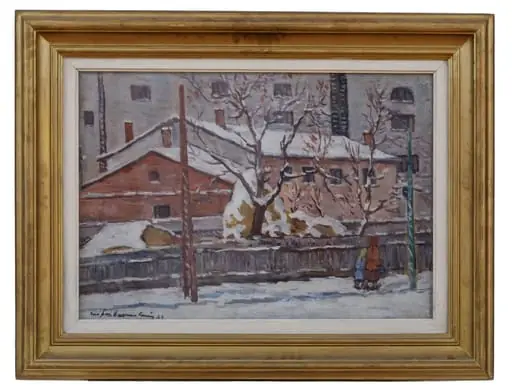
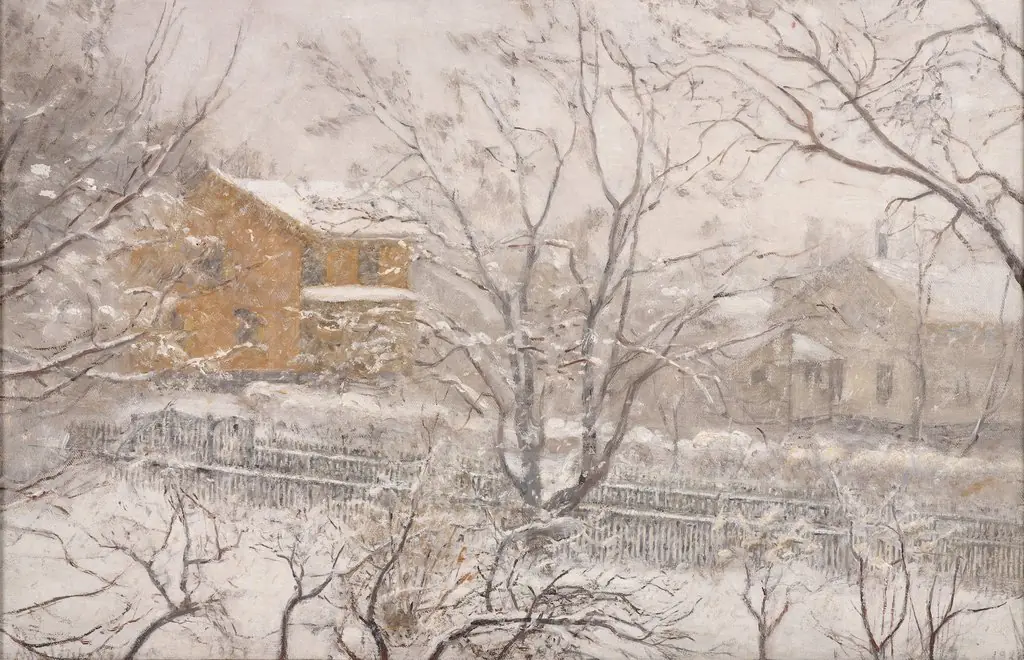
The painting centers on a substantial brick building, likely a power station, flanked by smaller wooden structures. Smoke rises from one chimney, suggesting activity amid winter stillness. The surrounding trees and distant buildings frame the scene without overwhelming it. Rather than glorifying industry, Schofield presents it as a quiet, integrated part of the landscape—neither intrusive nor idealized—emphasizing harmony between human construction and the natural world.
Technique & Style
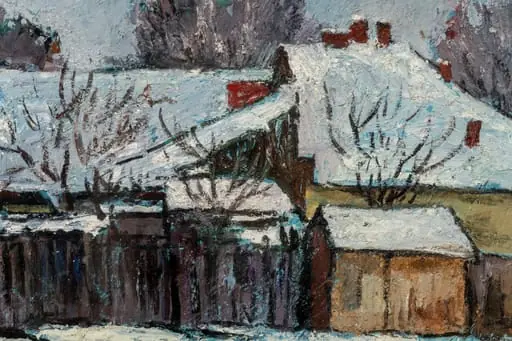
Schofield employed loose, visible brushwork to convey texture in snow, brick, and tree bark. A muted palette of whites, grays, and muted browns dominates, reinforcing the cold atmosphere. Contrasts between light and shadow define forms without sharp outlines, characteristic of Impressionist methods. The sky, heavy with cloud, diffuses natural light evenly, enhancing the scene’s quiet, contemplative mood while preserving a sense of depth through layered tones.
History & Provenance
Created during Schofield’s active period of landscape painting, the work entered the Art Institute of Chicago’s collection in the 20th century. It reflects the artist’s broader practice of documenting rural and industrial New England scenes during the early 1900s. While not widely exhibited, it remains a representative example of his approach to regional subjects and the American Impressionist focus on everyday environments.
Context
In 1914, industrial expansion was reshaping rural America, yet Schofield avoided overt commentary. His depiction of the powerhouse as a subdued presence among trees and snow aligns with a broader trend among American Impressionists who sought to reconcile modernity with natural beauty. The painting reflects a cultural moment when industry was neither celebrated nor condemned, but quietly absorbed into the landscape.
Legacy
The painting endures as a quiet testament to Schofield’s ability to find poetic balance between the man-made and the natural. It contributes to the understanding of American Impressionism beyond pastoral idylls, revealing how artists engaged with evolving rural economies. Its presence in a major museum collection ensures continued study of how early 20th-century painters interpreted industrialization through light, season, and atmosphere.
Artist & collection
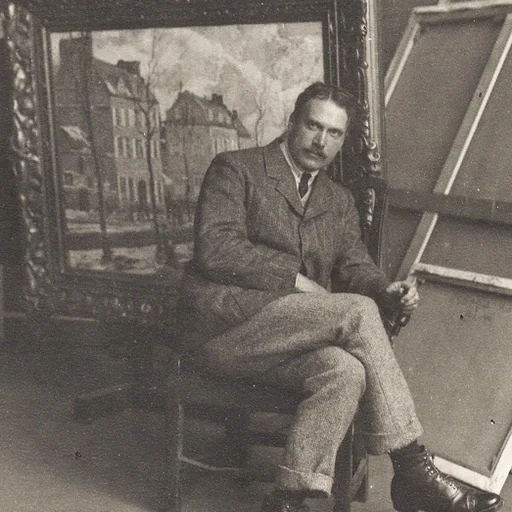
Artist
Walter Elmer Schofield (September 10, 1866 – March 1, 1944) was an American Impressionist landscape and marine painter.