Artwork
A Galway Cottage
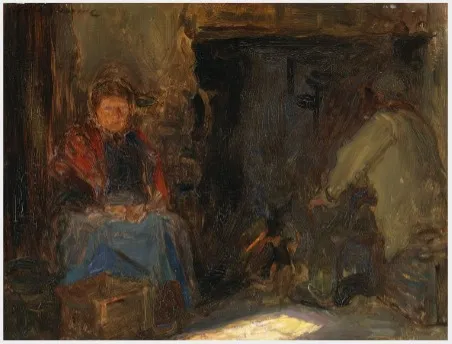
A Galway Cottage is an unspecified painting by the Impressionist artist Walter Osborne. It dates from 1891 and is held in the collection of the National Gallery of Ireland.
About this work
Overview
A key figure in Irish impressionism, Osborne often turned to ordinary life for subject matter, favoring intimate, unidealized moments.
Walter Osborne painted *A Galway Cottage* circa 1891, capturing a quiet interior scene in rural Ireland. A key figure in Irish impressionism, Osborne often turned to ordinary life for subject matter, favoring intimate, unidealized moments. This work belongs to the National Gallery of Ireland’s collection and exemplifies his commitment to recording daily existence with sensitivity and precision, grounded in direct observation and preparatory studies.
Subject & Meaning
The painting portrays an elderly woman seated near a hearth, her hands folded, gaze fixed on the embers. Dressed in a dark dress with a red shawl, she embodies stillness and solitude. No narrative is imposed; instead, the scene invites contemplation of quiet endurance. The absence of action or external drama underscores the dignity of routine life, reflecting Osborne’s interest in the emotional weight of mundane moments among Ireland’s rural poor.
Technique & Style
Osborne employed soft, blended brushwork and a restrained palette of earth tones to evoke warmth and depth. The firelight casts subtle highlights on the woman’s face and clothing, while shadows recede into the room’s corners. His handling of light—gently modulated, never dramatic—creates a sense of quiet intimacy. The composition is tightly framed, focusing attention on the figure and the hearth, reinforcing the painting’s contemplative mood without theatricality.
History & Provenance
Completed around 1891, *A Galway Cottage* entered the National Gallery of Ireland’s collection in the early 20th century. It was likely acquired following Osborne’s death in 1903, as part of broader efforts to preserve his oeuvre. The work’s provenance reflects its recognition as a representative example of Irish domestic realism, valued for its unembellished portrayal of rural life during a period of social and economic change.
Context
In late 19th-century Ireland, rural communities faced economic hardship and emigration. Osborne’s focus on domestic interiors like this one offered a counterpoint to grand historical or mythological themes common in academic art. His work aligned with broader European trends in naturalism, yet remained distinctly Irish in its specificity—documenting the textures of life in Galway’s cottages without sentimentality or romanticization.
Legacy
Osborne’s paintings, including *A Galway Cottage*, helped establish a visual record of Irish domestic life at the turn of the century. His approach influenced later Irish artists who sought to depict everyday reality with empathy and restraint. Though not widely known internationally, his work remains central to discussions of Irish art history, valued for its quiet honesty and technical sensitivity to light and atmosphere.
Artist & collection
Artist
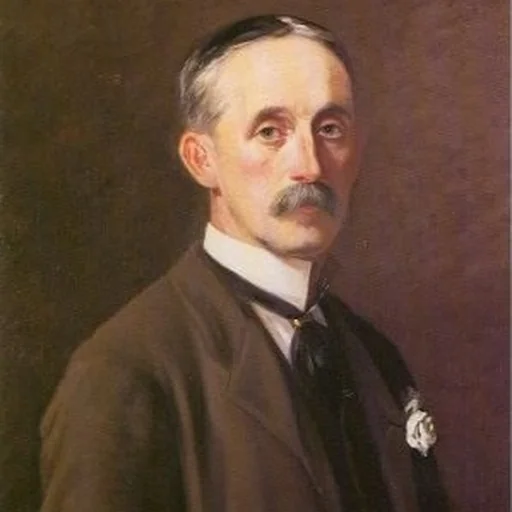
Walter Frederick Osborne (17 June 1859 – 24 April 1903) was an Irish impressionist and Post-Impressionism landscape and portrait painter, best known for his documentary depictions of late 19th century working class life.

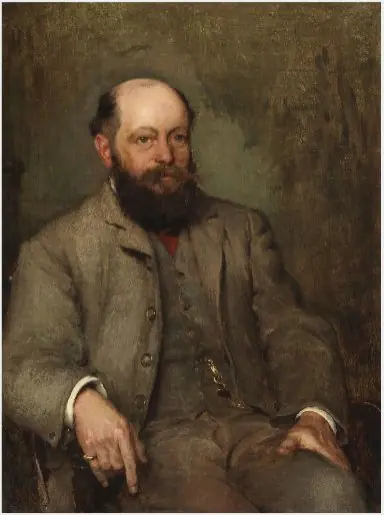 Portrait of Sir Thomas Drew (1838-1910), Architect
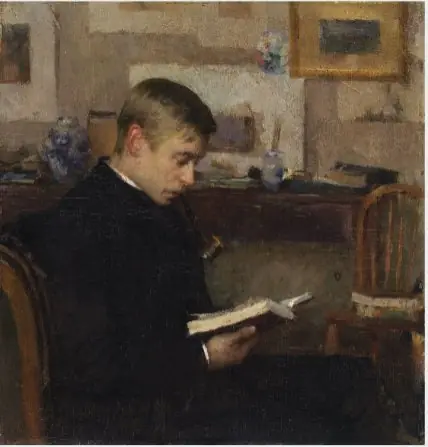 Portrait of Stephen Gwynn (1864-1950), Author
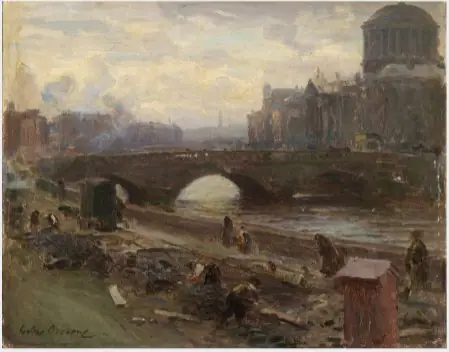 The Four Courts, Dublin
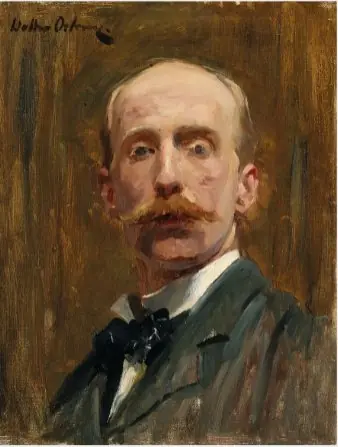 Self-Portrait
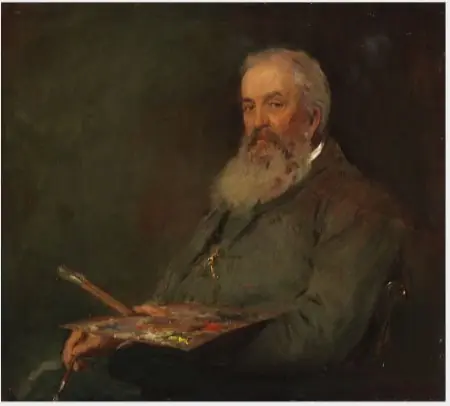 Portrait of Nathaniel Hone (1831-1917), Artist
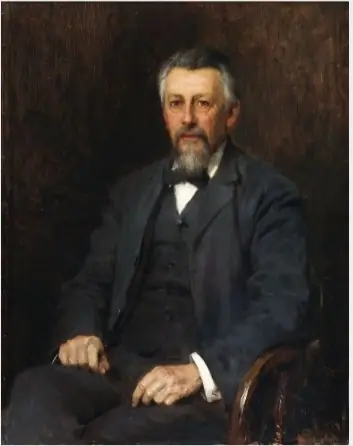 Portrait of Edward Dowden (1843-1913), Poet and Scholar
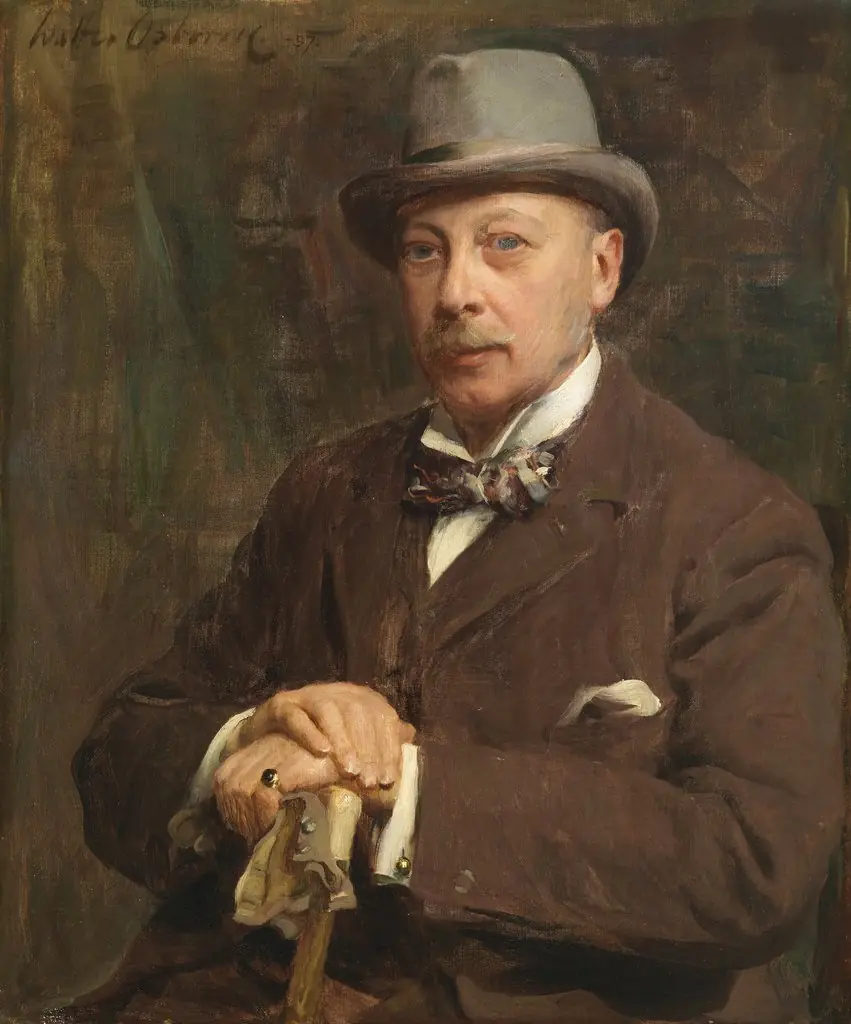 Portrait of a Gentleman
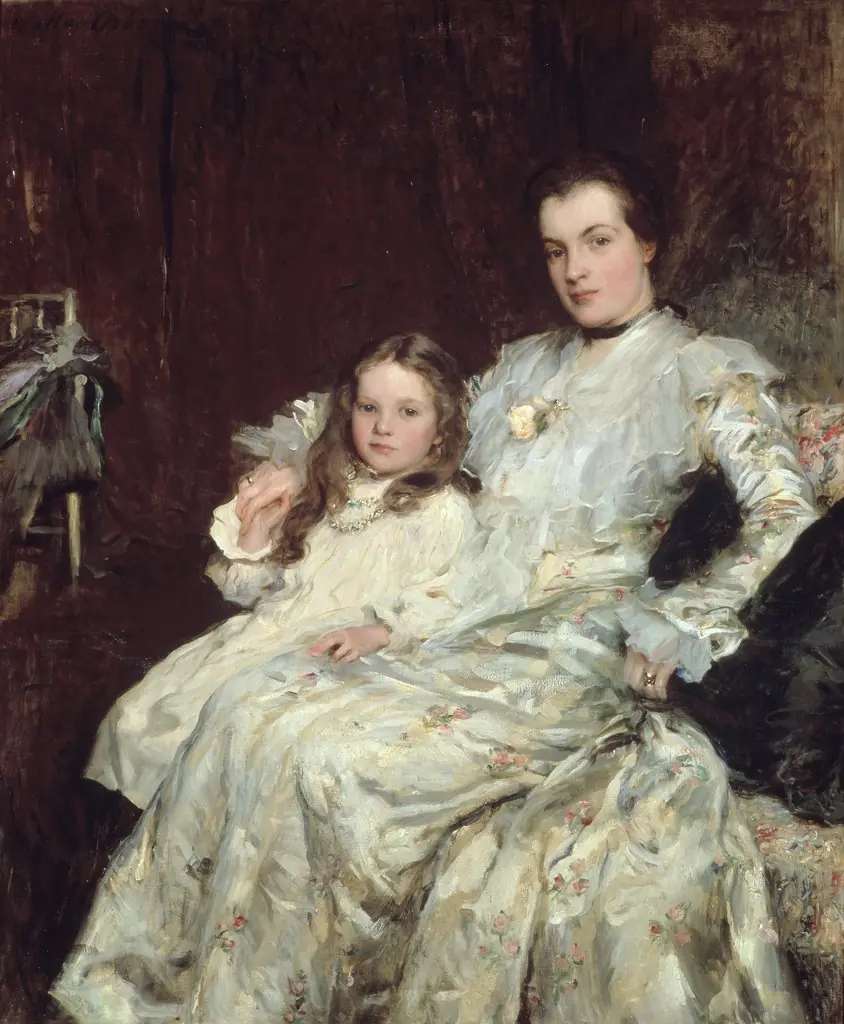 Portrait of Mrs Chadwyck-Healey and her Daughter
 A Mother and Child
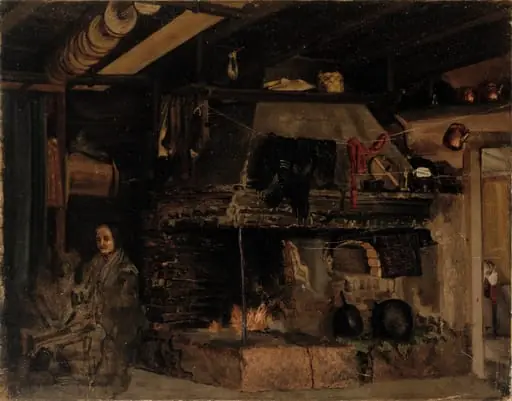 Kehräävä eukko ahvenanmaalaisessa tuvassa
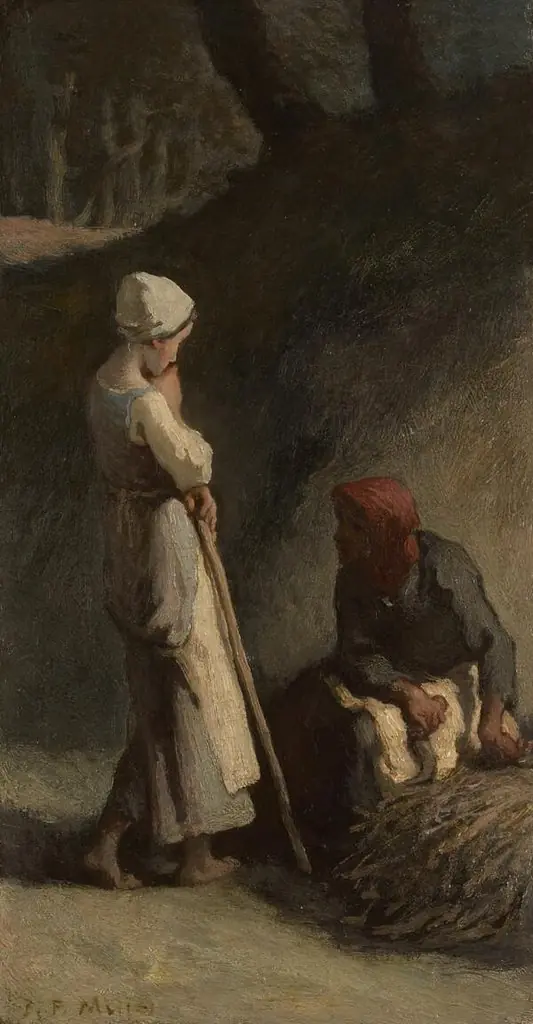 The Faggot Gatherers
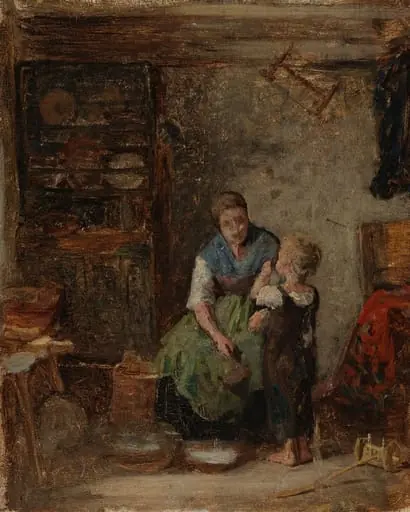 Poika saa maitoa, luonnos II
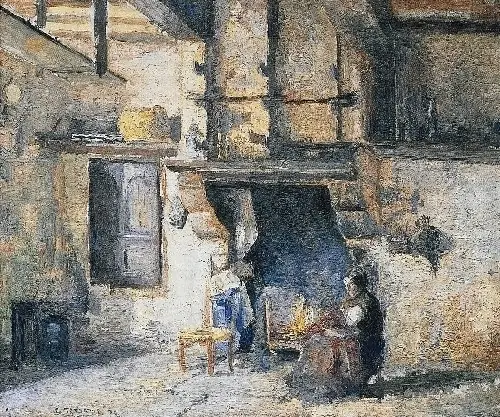 The Kitchen in Piette's House, Montfoucault
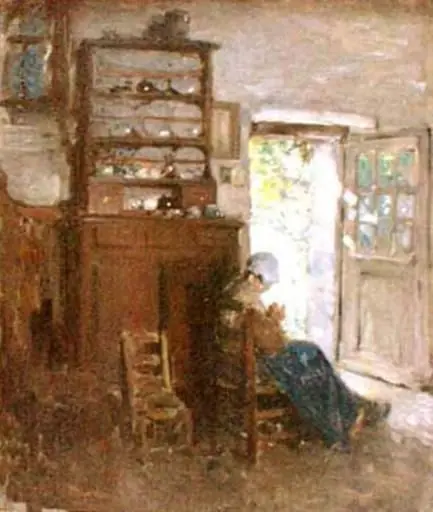 Interior la Vitre
 Maternitate
 Interior breton
 Interior of a Cottage
 Old Woman Watching over a Dead Body I
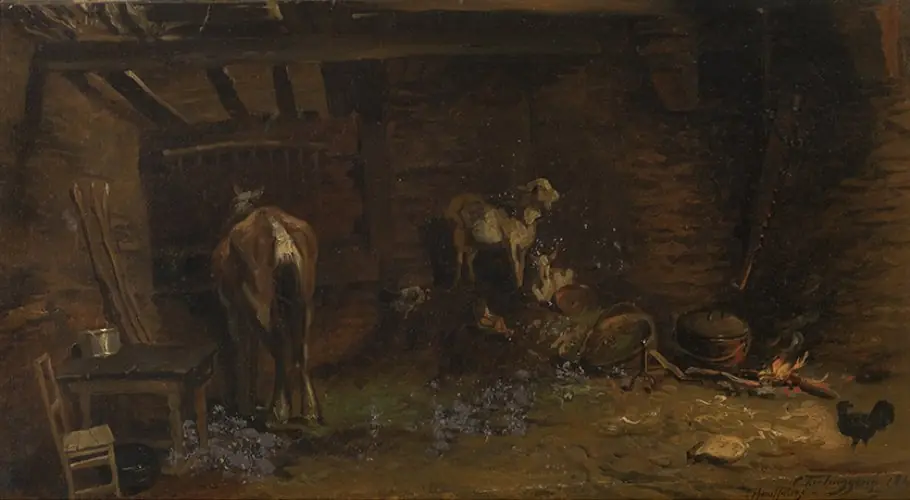 Interior view at Houffalize
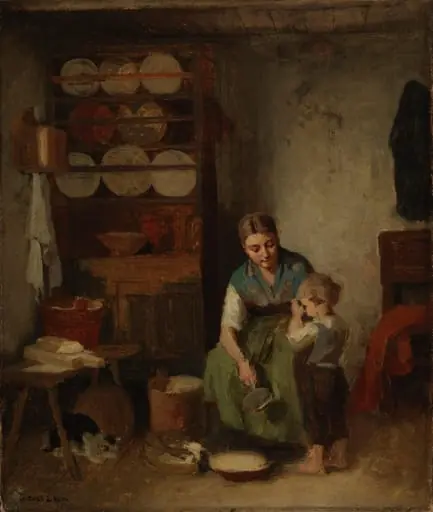 Poika saa maitoa, luonnos I