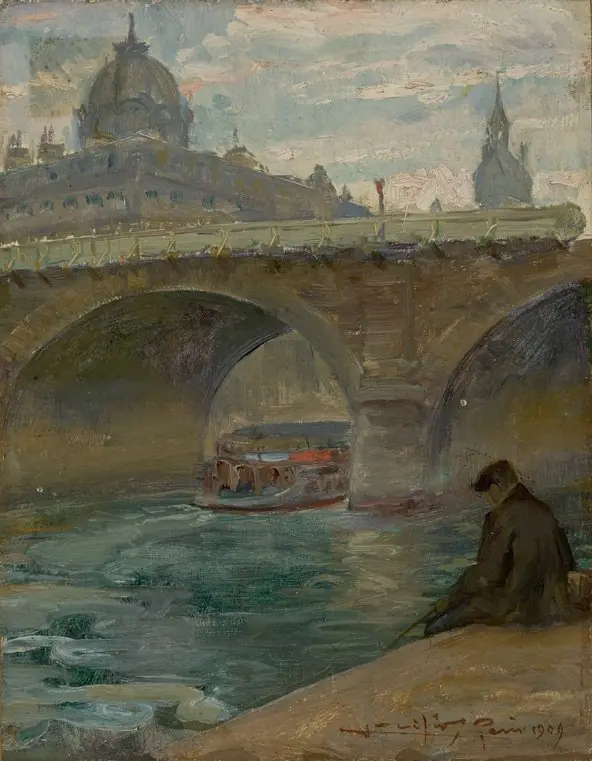
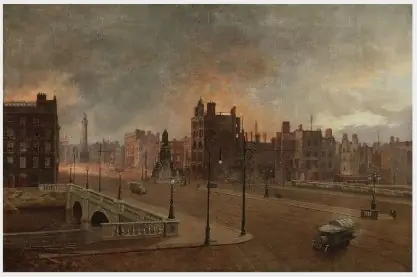
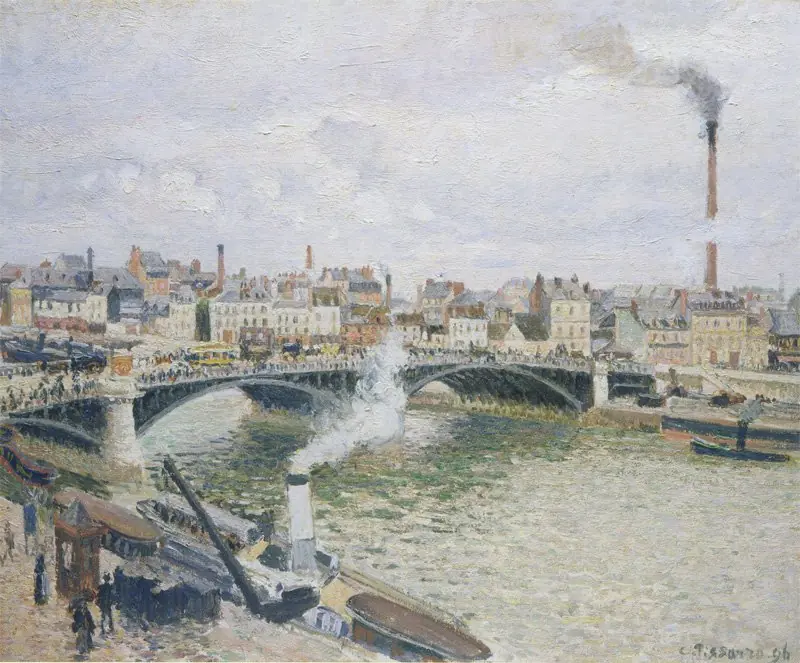
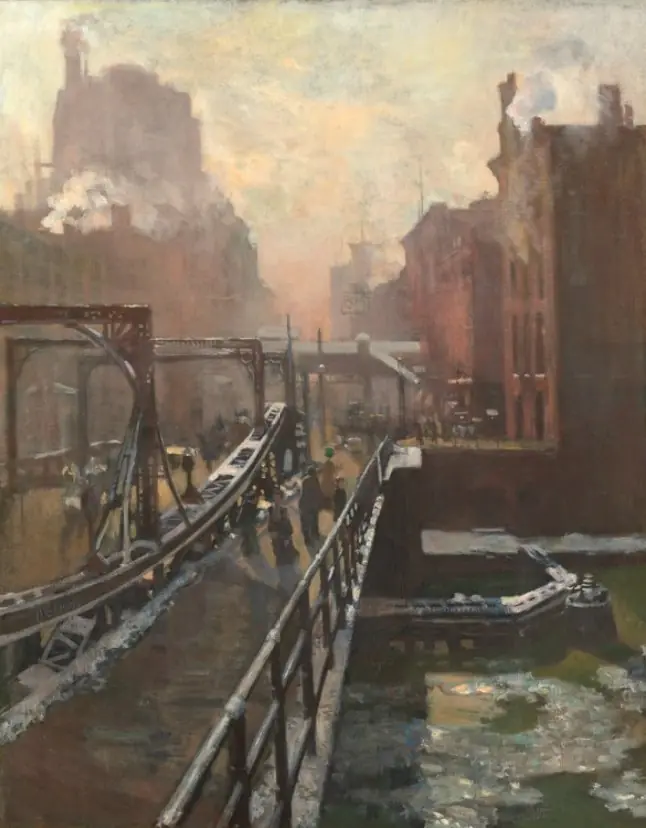
Artwork
The Four Courts, Dublin
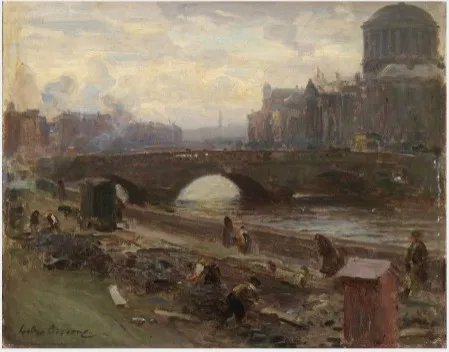
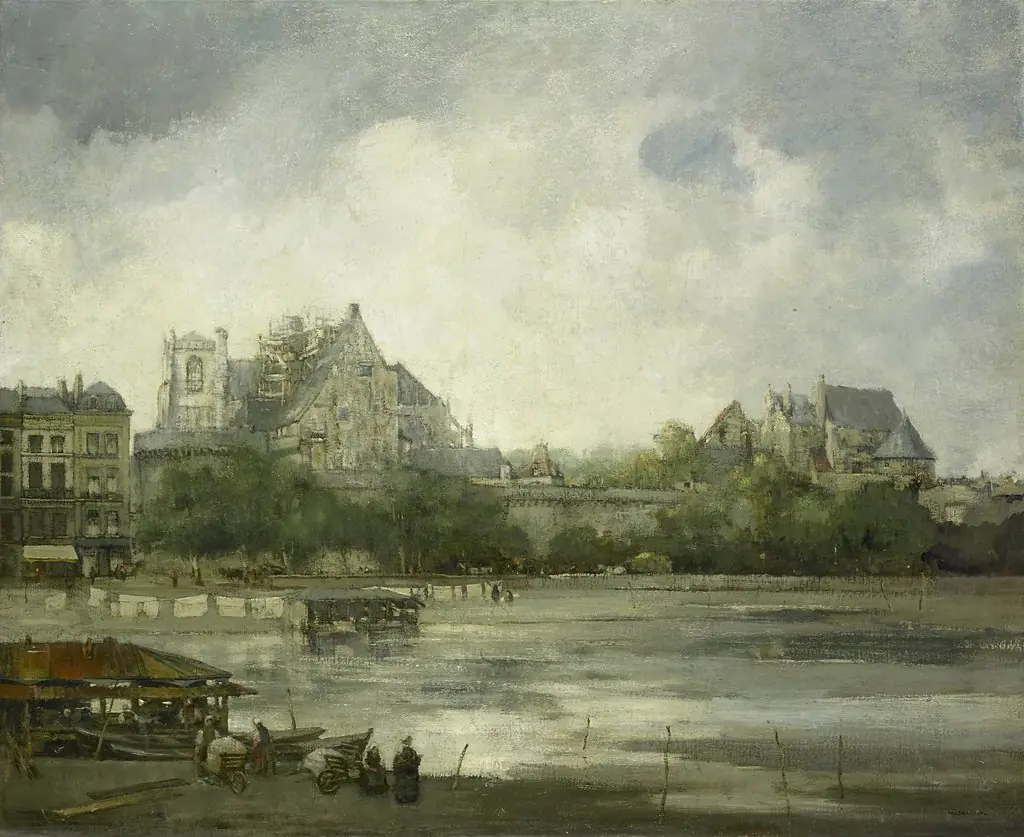
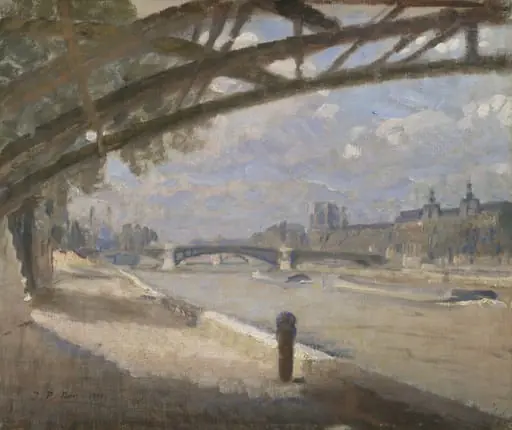
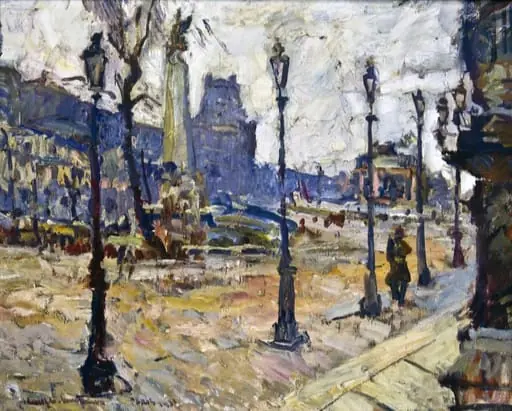
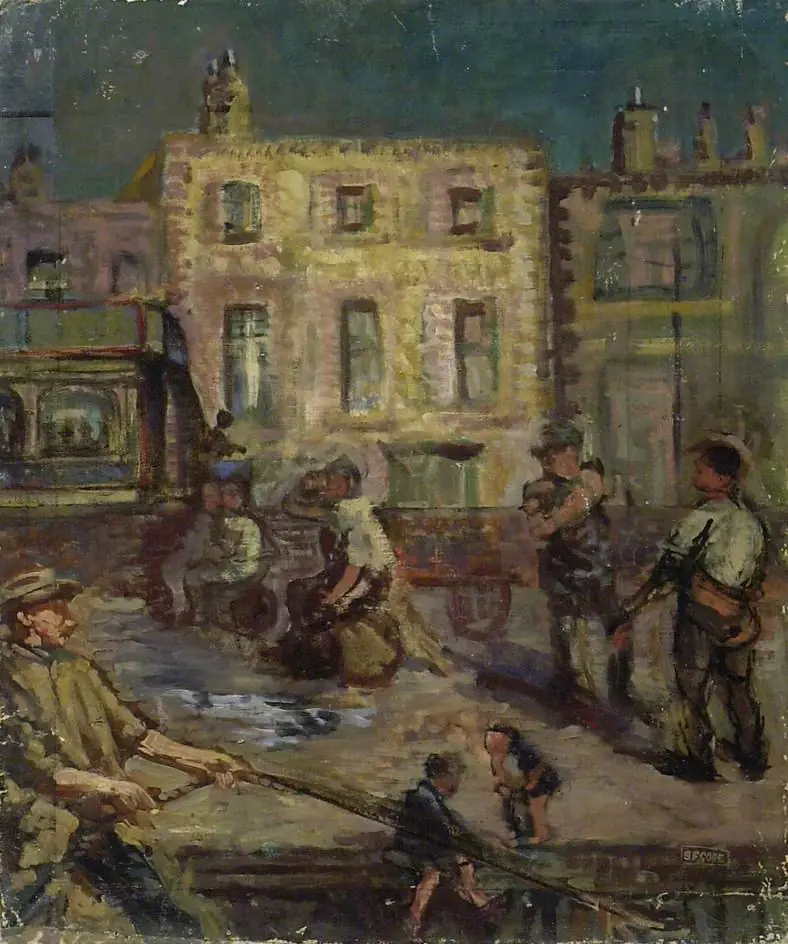
The Four Courts, Dublin is an unspecified painting by the Impressionist artist Walter Osborne. It dates from 1891 and is held in the collection of the National Gallery of Ireland.
About this work
Overview
Osborne’s approach merges observational rigor with the fluidity of Impressionist technique, reflecting both the architecture and the daily life surrounding it.
Walter Osborne’s *The Four Courts, Dublin* dates to approximately 1891 and exemplifies his engagement with urban subjects. Part of the National Gallery of Ireland’s holdings, the work captures the city’s legal and civic landmark along the River Liffey. Osborne’s approach merges observational rigor with the fluidity of Impressionist technique, reflecting both the architecture and the daily life surrounding it.
Subject & Meaning
The painting centers on Dublin’s Four Courts, a neoclassical complex housing Ireland’s principal courts. Osborne situates the building within a broader riverside scene, where laborers, pedestrians, and the built environment converge. The composition balances architectural grandeur with the immediacy of street-level activity, suggesting a city in transition while anchoring the image in a specific historical moment.
Technique & Style
Osborne employs loose, visible brushwork characteristic of Impressionism, prioritizing light and atmosphere over meticulous detail. The palette is restrained yet luminous, with subtle shifts in tone creating spatial depth. Sketches and photographs likely informed the work, though the final execution retains a sense of spontaneity, particularly in the depiction of figures and water.
History & Provenance
Created during Osborne’s mature period, *The Four Courts, Dublin* entered the National Gallery of Ireland’s collection in the early twentieth century. The painting’s provenance reflects its status as a key example of Irish Impressionism, preserving both a landmark and the artist’s distinctive handling of urban landscapes.
Context
Osborne’s focus on Dublin aligns with a broader late-nineteenth-century interest in documenting cities through art. While many contemporaries favored rural or picturesque subjects, Osborne’s urban scenes offer a counterpoint, capturing the infrastructure and social fabric of a capital undergoing modernization. The Four Courts itself symbolized institutional continuity amid Ireland’s evolving political landscape.
Artist & collection
Artist
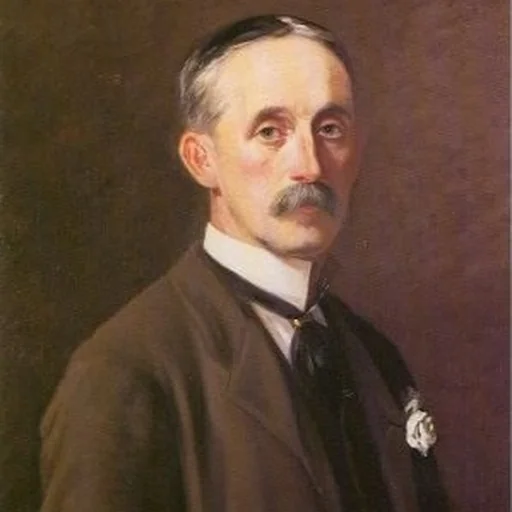
Walter Frederick Osborne (17 June 1859 – 24 April 1903) was an Irish impressionist and Post-Impressionism landscape and portrait painter, best known for his documentary depictions of late 19th century working class life.

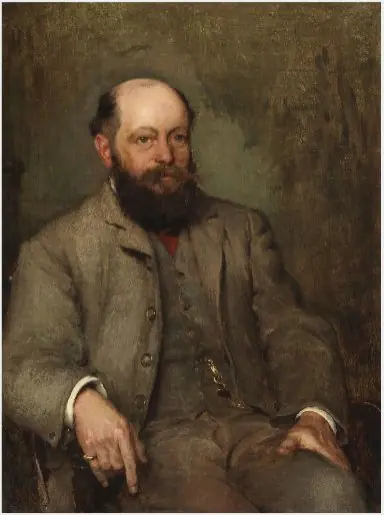 Portrait of Sir Thomas Drew (1838-1910), Architect
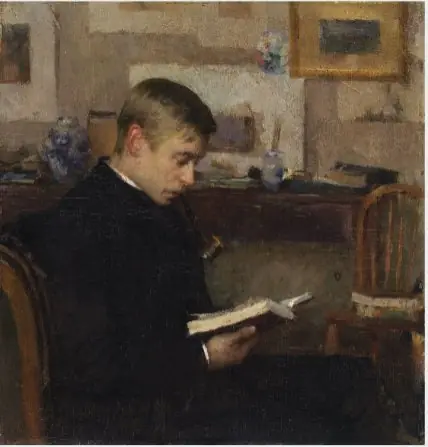 Portrait of Stephen Gwynn (1864-1950), Author
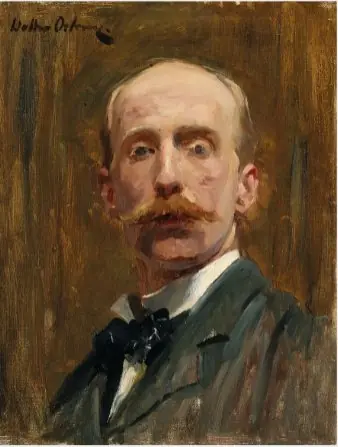 Self-Portrait
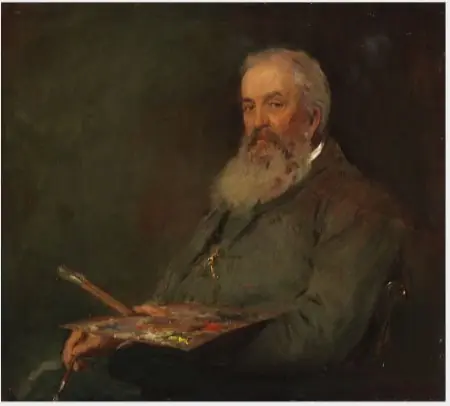 Portrait of Nathaniel Hone (1831-1917), Artist
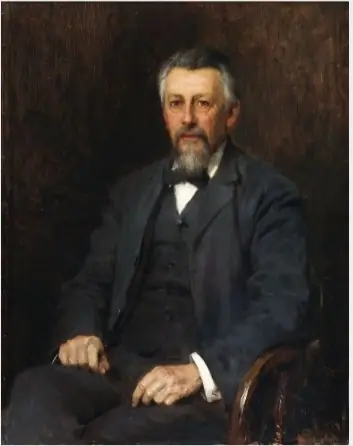 Portrait of Edward Dowden (1843-1913), Poet and Scholar
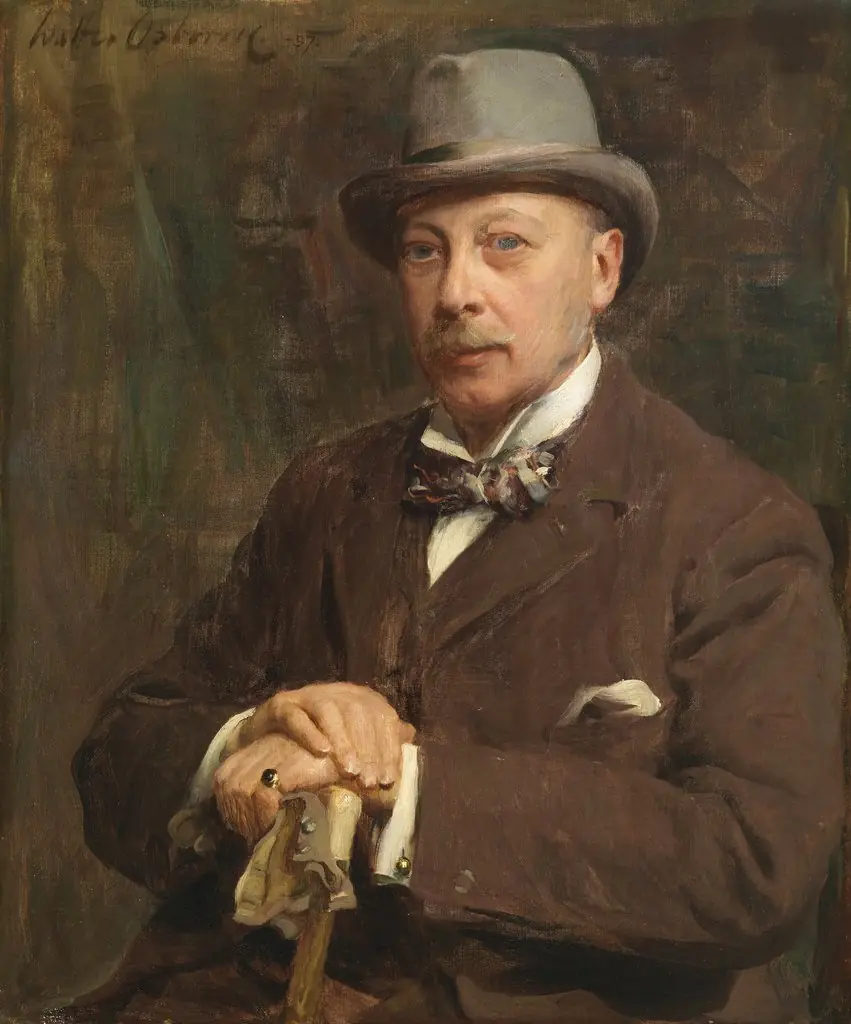 Portrait of a Gentleman
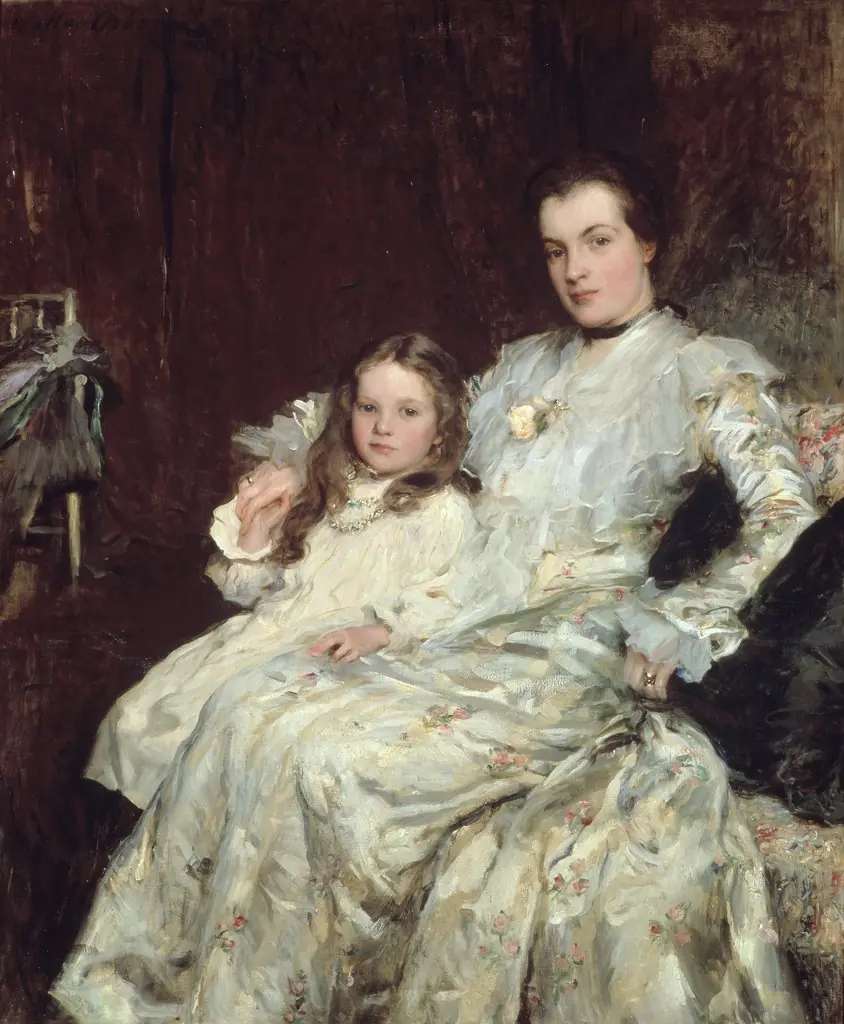 Portrait of Mrs Chadwyck-Healey and her Daughter
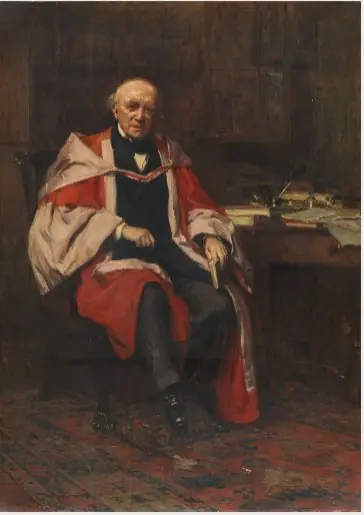 Portrait of Thomas W. Moffett, President, Queen's College, Galway (d.1906)