Artwork
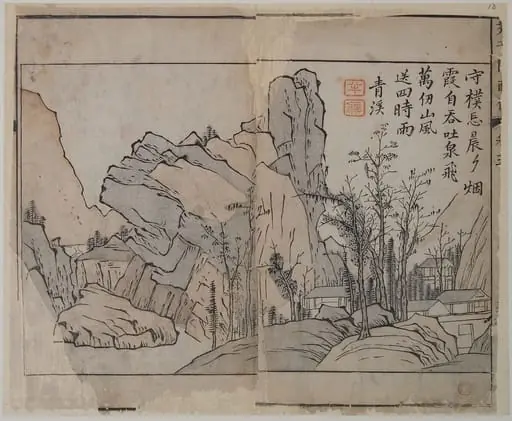
清 王槩 設計,李漁出版 芥子園畫傳 版本|Mt. Heng, after Juran (active ca. 960–965), from the Mustard Seed Garden Manual of Painting
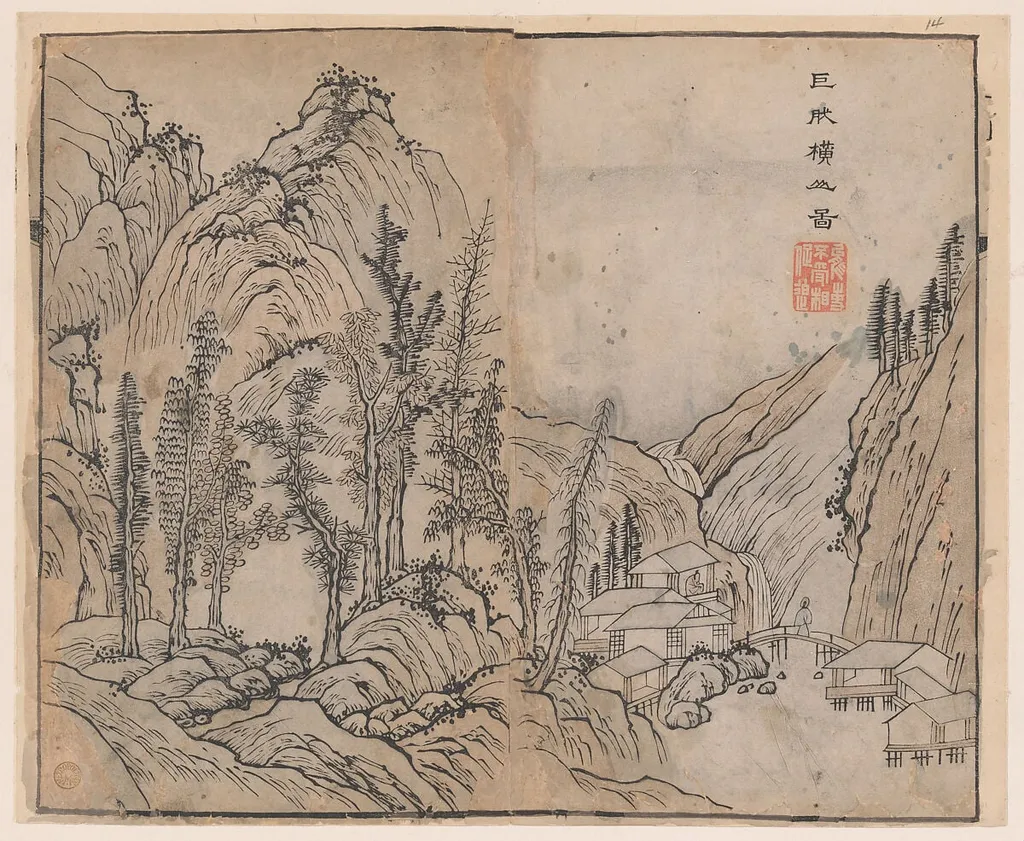
清 王槩 設計,李漁出版 芥子園畫傳 版本|Mt. Heng, after Juran (active ca. 960–965), from the Mustard Seed Garden Manual of Painting is an ink print by the Baroque artist Wang Gai. It dates from 1679 and is held in the collection of the Metropolitan Museum of Art.
About this work
Overview
This woodblock print, published in 1679 as part of the Mustard Seed Garden Manual of Painting, features a landscape composition attributed to Wang Gai.
This woodblock print, published in 1679 as part of the Mustard Seed Garden Manual of Painting, features a landscape composition attributed to Wang Gai. It reproduces a scene originally inspired by the Five Dynasties painter Juran. Printed in ink and subtle color on paper, the work exemplifies the technical precision of late Ming-Qing publishing. The Metropolitan Museum of Art holds this impression, one of many from a widely circulated instructional manual.
Subject & Meaning
The print presents two contrasting mountain vistas: one dominated by steep, rugged cliffs and gnarled trees, the other a gentler slope with modest structures and a solitary traveler. This duality reflects traditional Chinese landscape ideals—wild nature versus human habitation—offering viewers a visual meditation on harmony between the two. The lone figure suggests contemplation, inviting the observer into the scene as a quiet participant.
Technique & Style
Wang Gai employed fine-line woodblock carving to replicate brushwork, using cross-hatching to model form and texture. Layered ink lines create depth in rocks and foliage, while faint blue and green washes add atmospheric tone without overwhelming the monochrome structure. The method mimics ink-painting conventions, translating painterly effects into reproducible prints. Precision in line and spacing reveals the skill of both designer and carver.
History & Provenance
Commissioned by publisher Li Yu and designed by Wang Gai, the Mustard Seed Garden Manual was produced in Nanjing during the early Qing dynasty. It compiled and systematized classical landscape styles for aspiring artists. This particular plate, derived from Juran’s earlier work, was one of hundreds in the series. Surviving impressions, including this one at the Met, attest to its broad circulation and enduring use as a pedagogical tool.
Context
The manual emerged during a period when artistic training relied heavily on copying established models. Rather than promoting originality, it emphasized mastery of tradition through structured study. Its publication coincided with rising literacy and print culture in China, making formal painting instruction accessible beyond elite circles. The work reflects a broader shift toward codifying artistic knowledge for wider audiences.
Legacy
The Mustard Seed Garden Manual became one of the most influential art manuals in East Asia, shaping generations of painters and printmakers. Its plates were reprinted for over two centuries and later introduced to Western artists through colonial collections. Though its methods were derivative, its role in preserving and transmitting classical techniques ensured its lasting place in the history of East Asian visual education.
Artist & collection

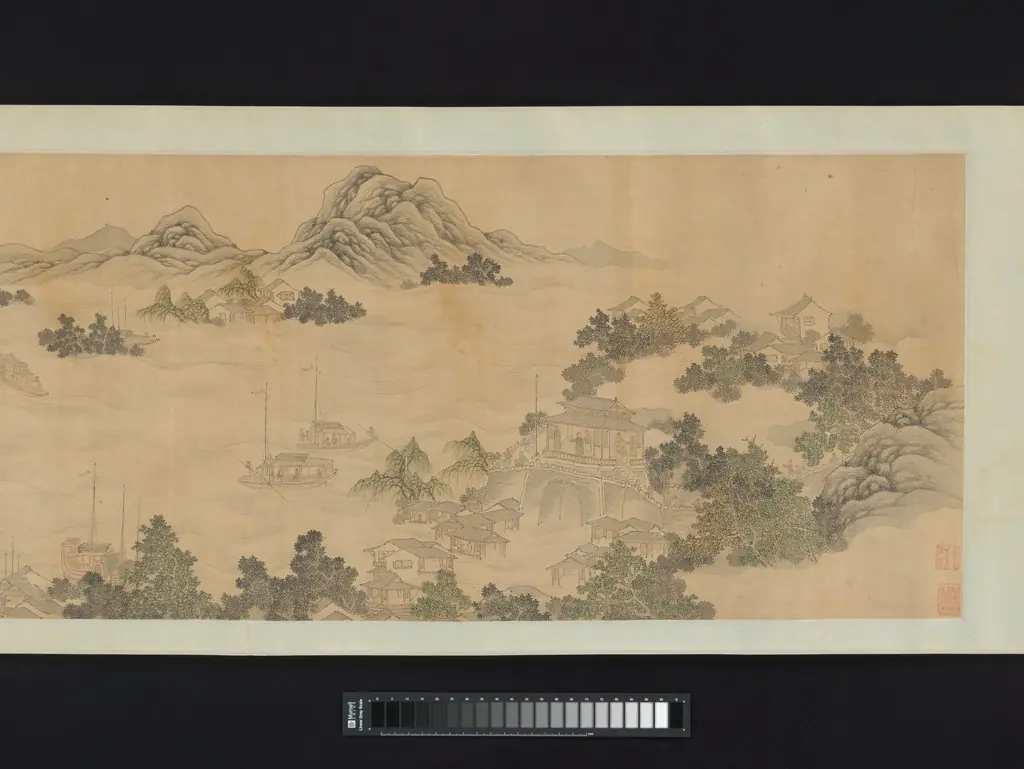
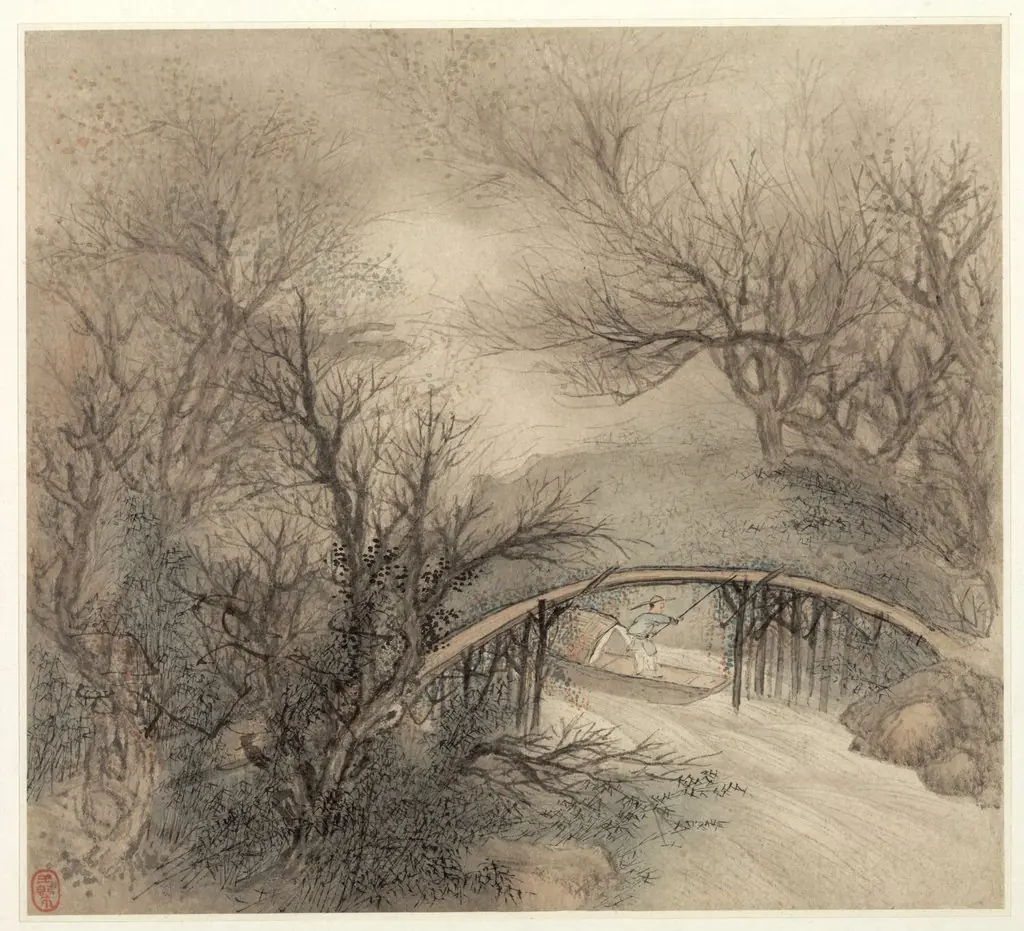
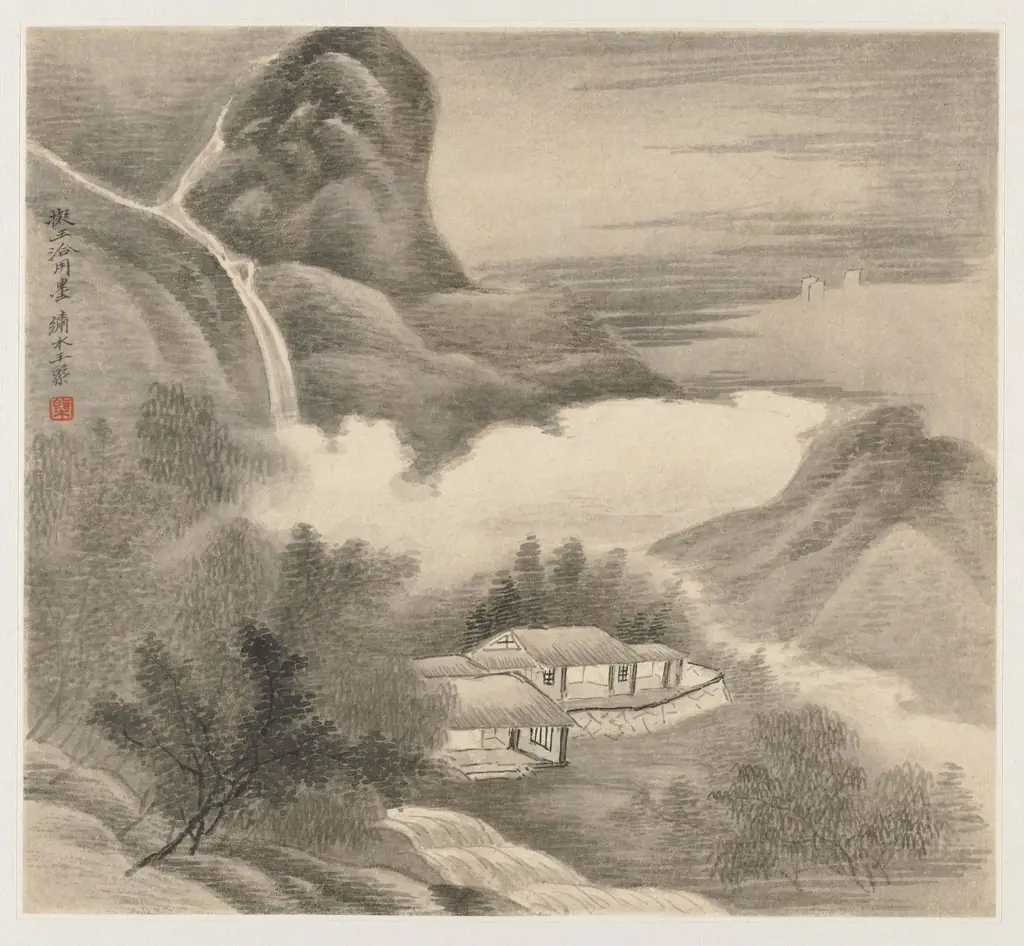
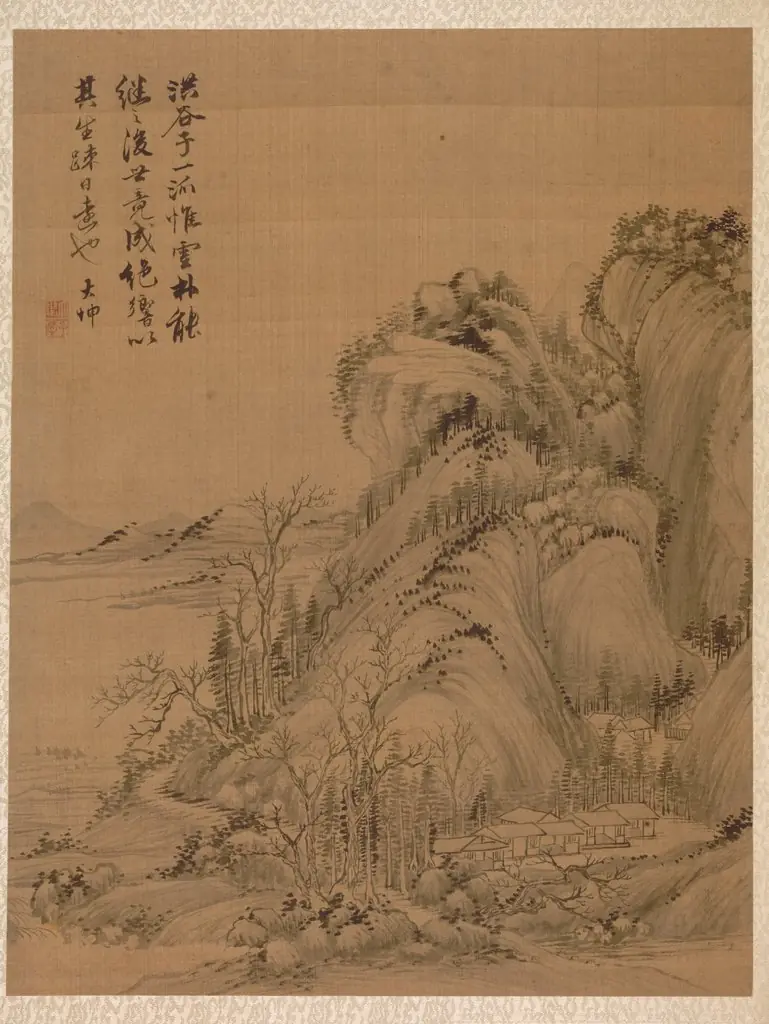 Landscape in the Style of Ching Hao
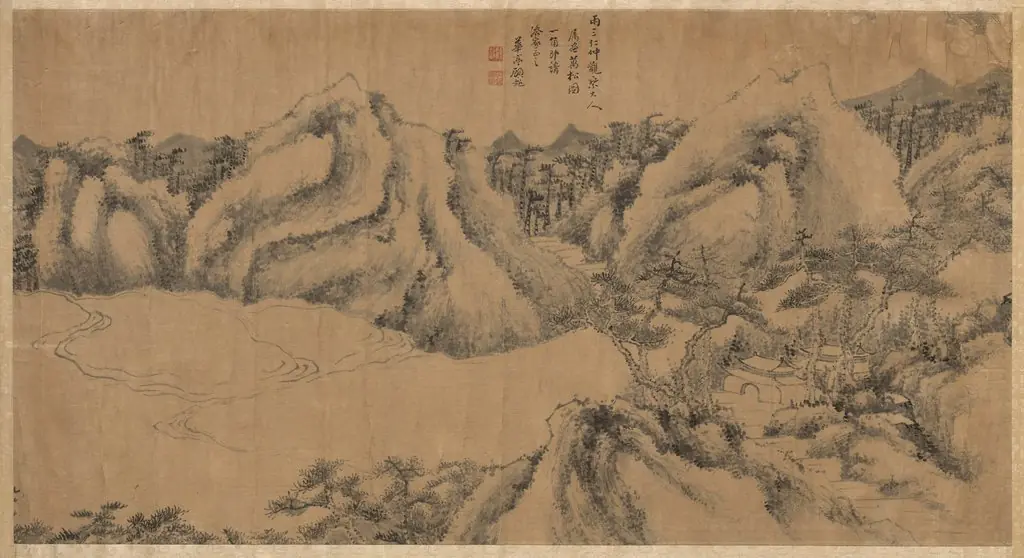 Pine-shaded Monastery on a Cloudy Mountain
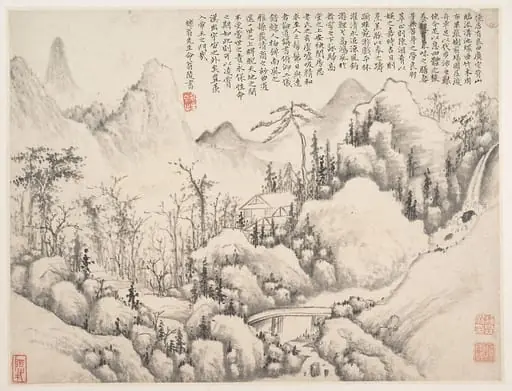 清 施霖 山莊圖 冊頁|Mountain Retreat, leaf from Album for Zhou Lianggong
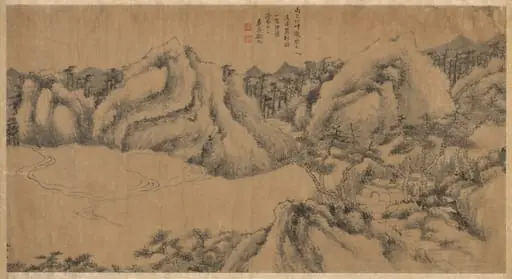 Pine-shaded Monastery on a Cloudy Mountain
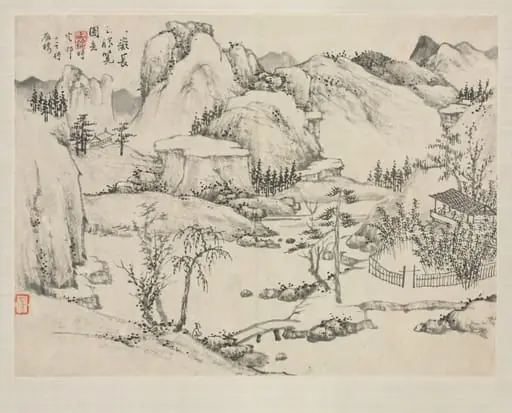 Landscape Album in Various Styles: Scenery of Mt. Changbai after Huang Gongwang
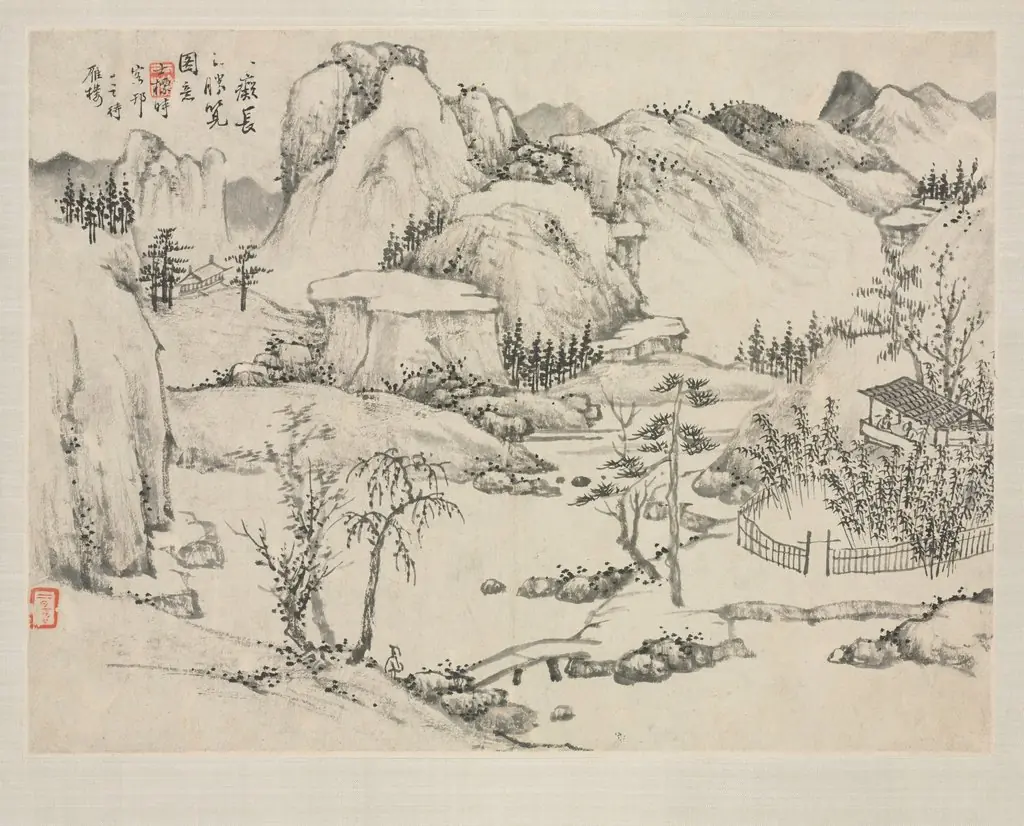 Landscape Album in Various Styles: Scenery of Mt. Changbai after Huang Gongwang
 Untitled
 Spring Landscape