Artwork
Montmorencysta
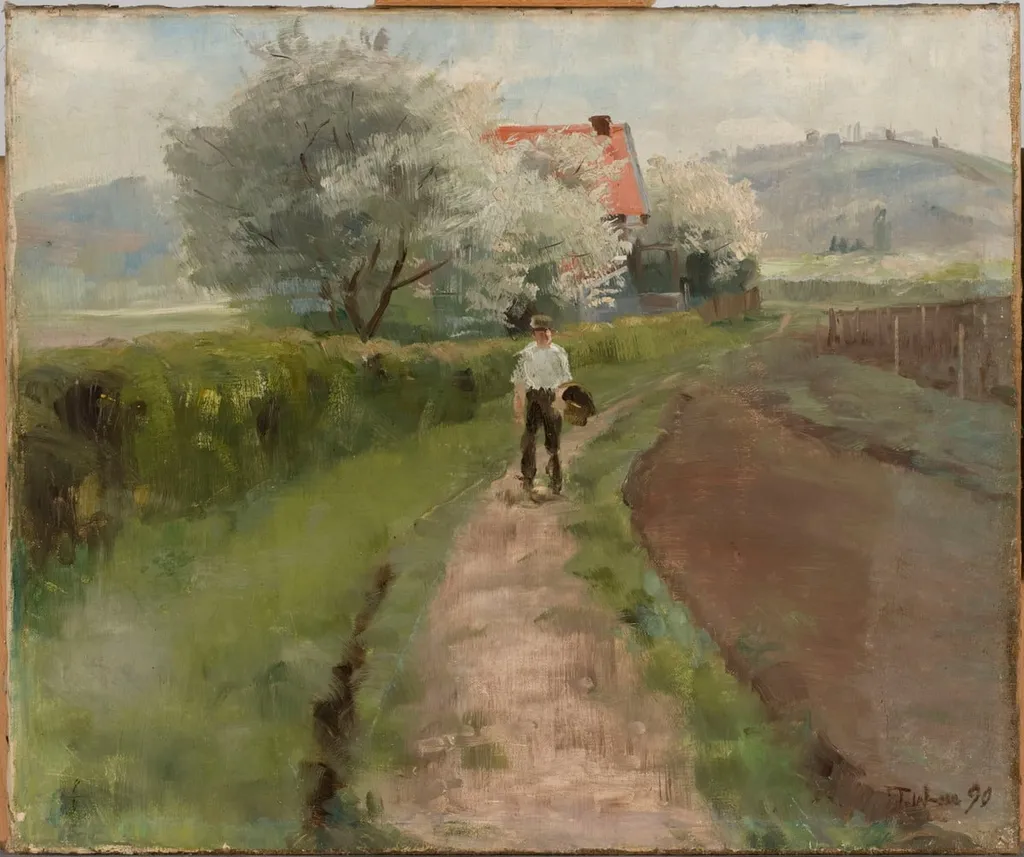
Montmorencysta is an unspecified painting by Torsten Wasastjerna. It dates from 1903 and is held in the collection of the Finnish National Gallery.
About this work
Overview
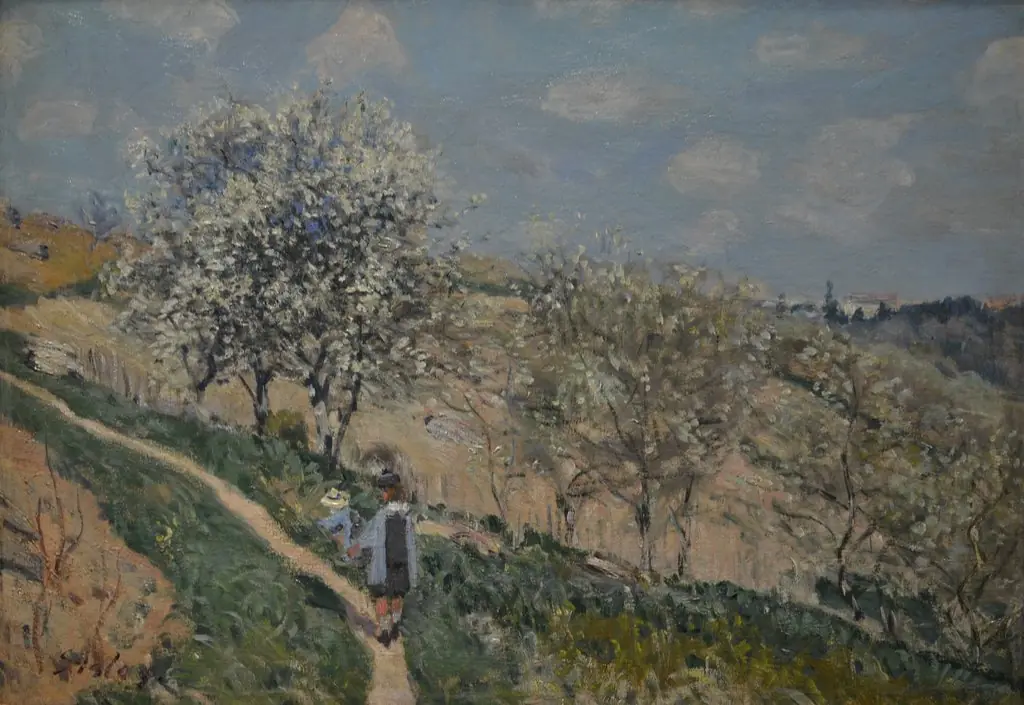
Painted around 1903 by Torsten Wasastjerna, this work captures a solitary figure strolling along a rural path.
Painted around 1903 by Torsten Wasastjerna, this work captures a solitary figure strolling along a rural path. The composition is subdued and contemplative, emphasizing quiet movement through a modest landscape. The figure, seen from behind, is small against the expansive terrain, reinforcing a sense of solitude. The painting’s scale and tone suggest an intimate, personal moment rather than a grand narrative.
Subject & Meaning
The lone walker, dressed in dark clothing and carrying an object, moves along a path lined with natural elements—a tree in bloom, a modest house, and a muddy ditch. The absence of facial features and the figure’s turned back invite interpretation without direct narrative. The scene evokes themes of solitude, transience, and quiet reflection, common in late 19th-century Nordic landscape traditions.
Technique & Style
Wasastjerna employed loose, rapid brushwork that suggests movement and atmosphere rather than precise detail. Paint is applied thinly in most areas, with subtle impasto used sparingly to suggest texture in the earth and foliage. The palette is restrained—dominated by earthy greens, browns, and cool blues—with the red roof serving as a muted accent. The effect is one of immediacy, as if the scene were captured in passing.
History & Provenance
The painting was created during Wasastjerna’s period of engagement with Finnish and Swedish naturalism. It likely originated in the artist’s personal collection and remained within Nordic circles until entering institutional hands. No public record of early exhibitions exists, but its style aligns with regional tendencies of the early 1900s that favored quiet, observational painting over dramatic composition.
Context
In early 20th-century Scandinavia, artists increasingly turned to everyday rural scenes as subjects, moving away from idealized or mythological themes. Wasastjerna’s work reflects this shift, influenced by French Impressionism and Nordic realism. The painting’s informal quality and emphasis on light and atmosphere place it within a broader European trend toward capturing transient moments in nature.
Legacy
Though not widely exhibited, the work contributes to the understanding of Wasastjerna’s role in Finnish art’s transition toward modernism. Its restrained aesthetic and focus on ordinary life resonate with contemporaries like Akseli Gallen-Kallela and Edvard Munch, who also explored solitude within landscape. The painting remains a quiet example of how Nordic artists redefined the personal in the natural world.
Artist & collection
Artist
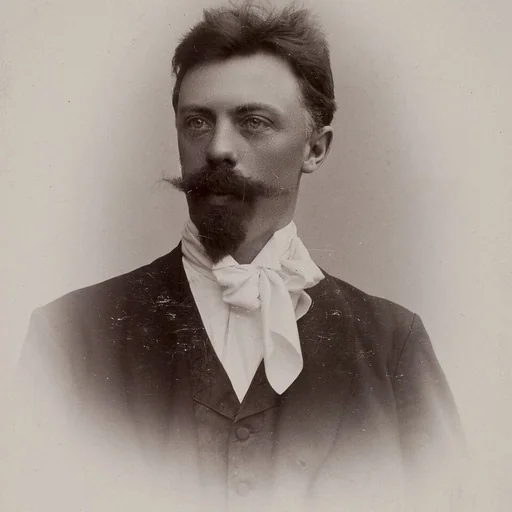
Torsten Gideon Wasastjerna (17 December 1863 – 1 July 1924) was a Finnish painter.

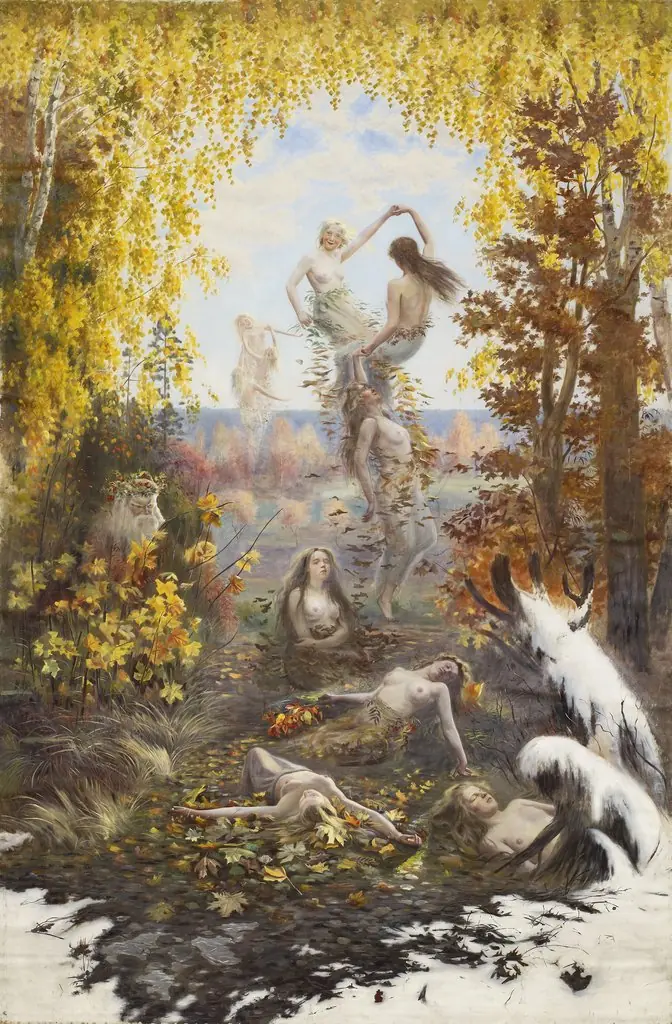 Falling Leaves; Dance of the Falling Leaves
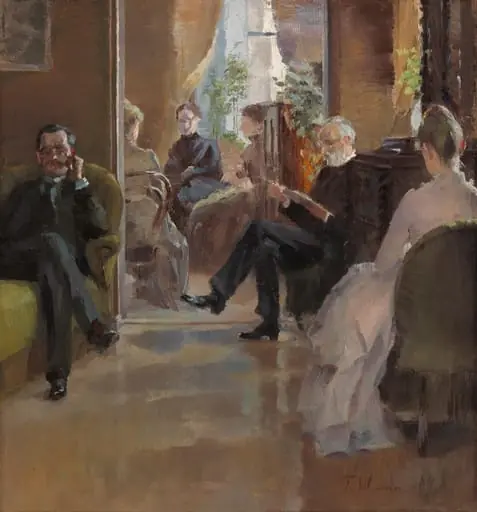 Sisäkuva Rudolfina Wasastjernan kodista, Pohjoisranta 6
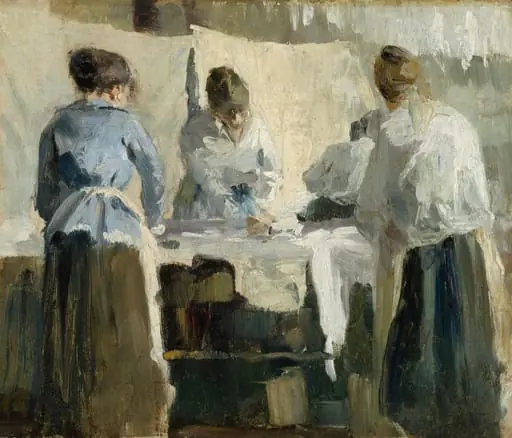 Ranskalaisia silittäjiä
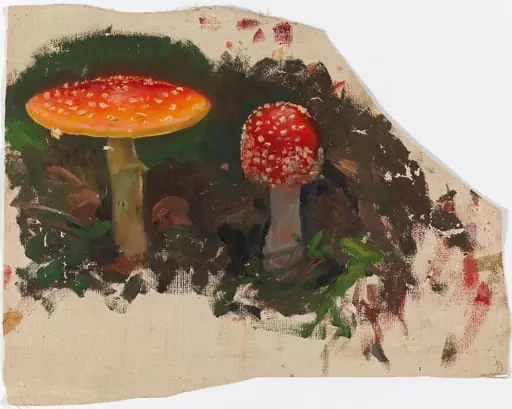 Kaksi kärpässientä, luonnos teokseen Sadun prinsessa
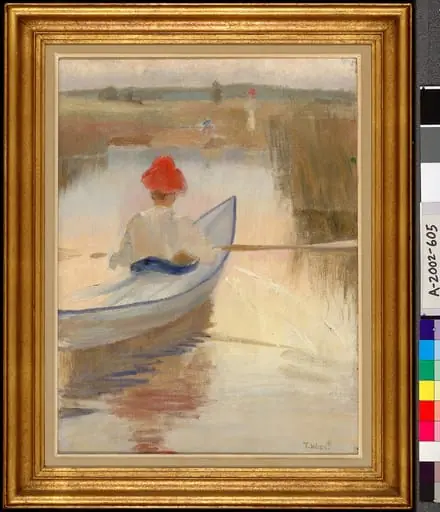 Soutava punahattuinen nainen
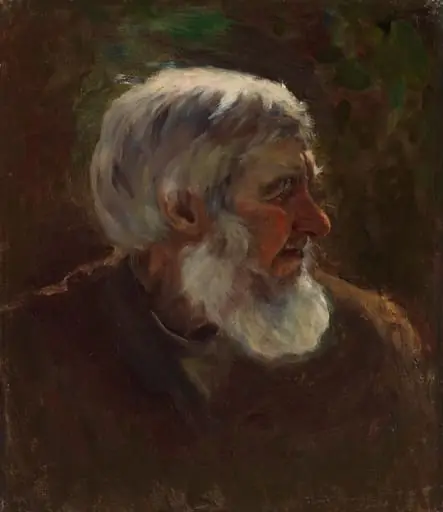 Vanha mies profiilissa, luonnos teokseen Sadun prinsessa
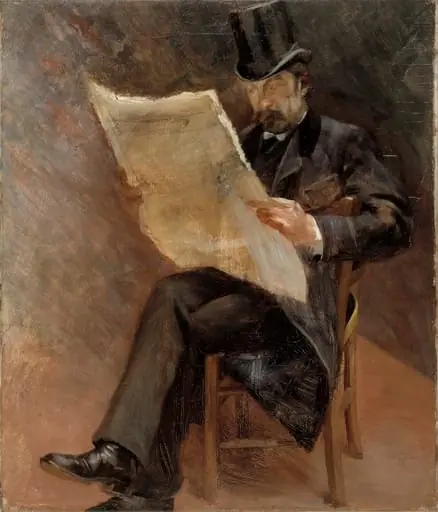 Sanomalehden lukija (Björn Wasastjerna)
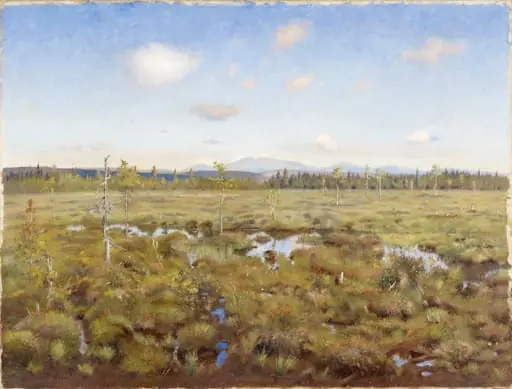 Maisema Lapista
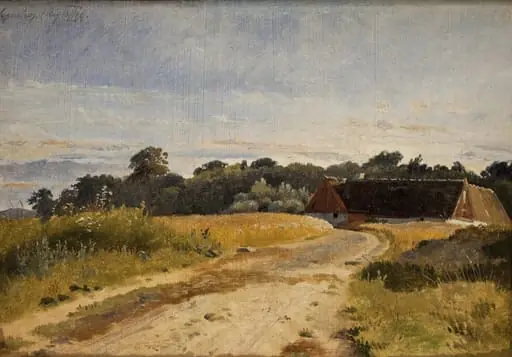 A Croft at Lodskov near Vognserup Manor. Study
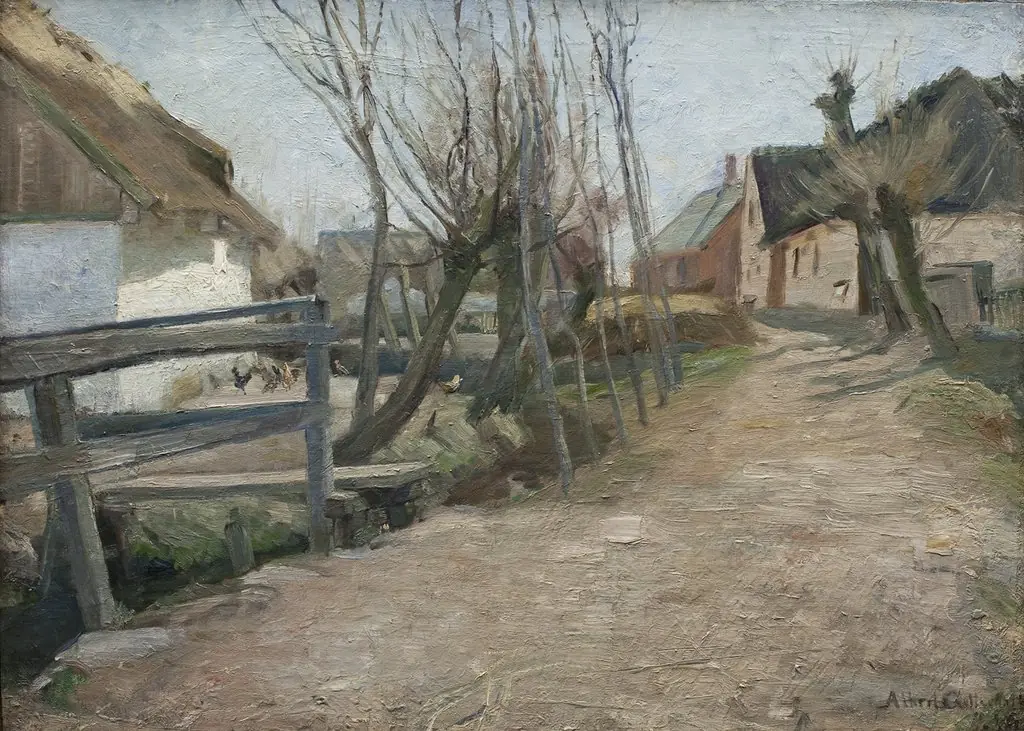 Tidlig forårsdag i Glostrup
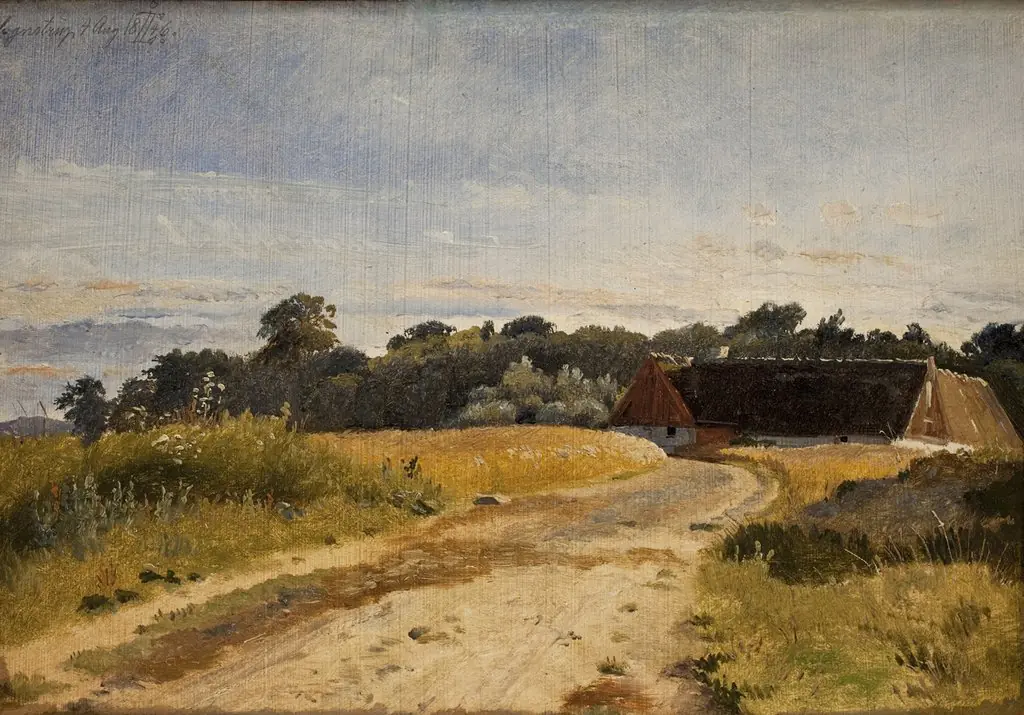 A Croft at Lodskov near Vognserup Manor. Study
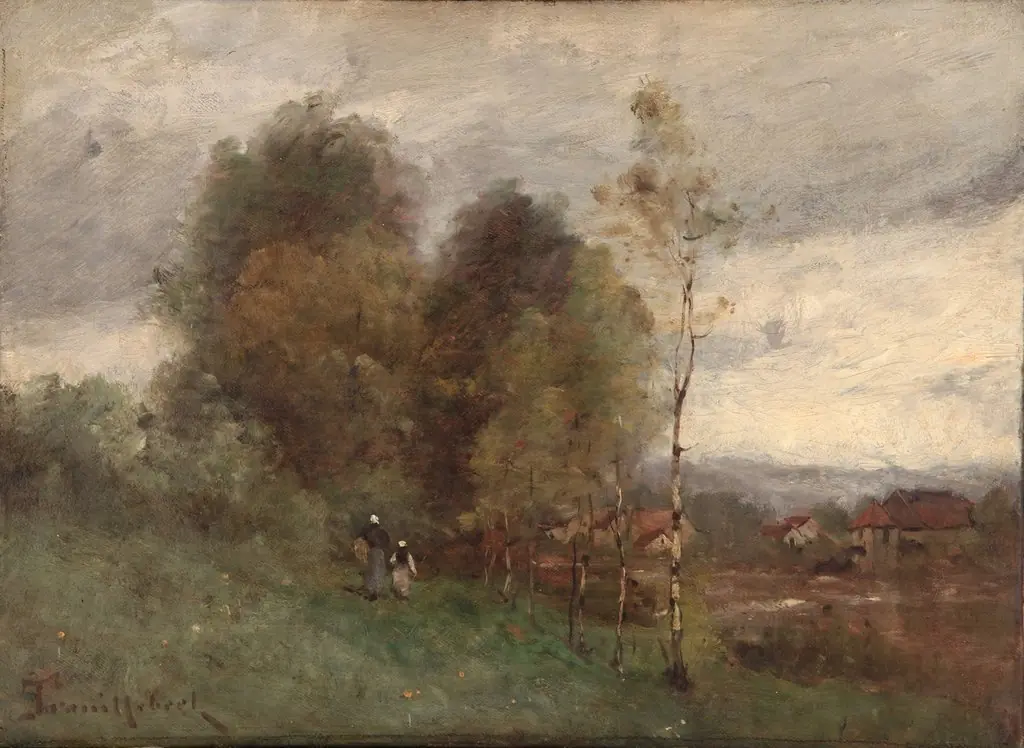 Landscape
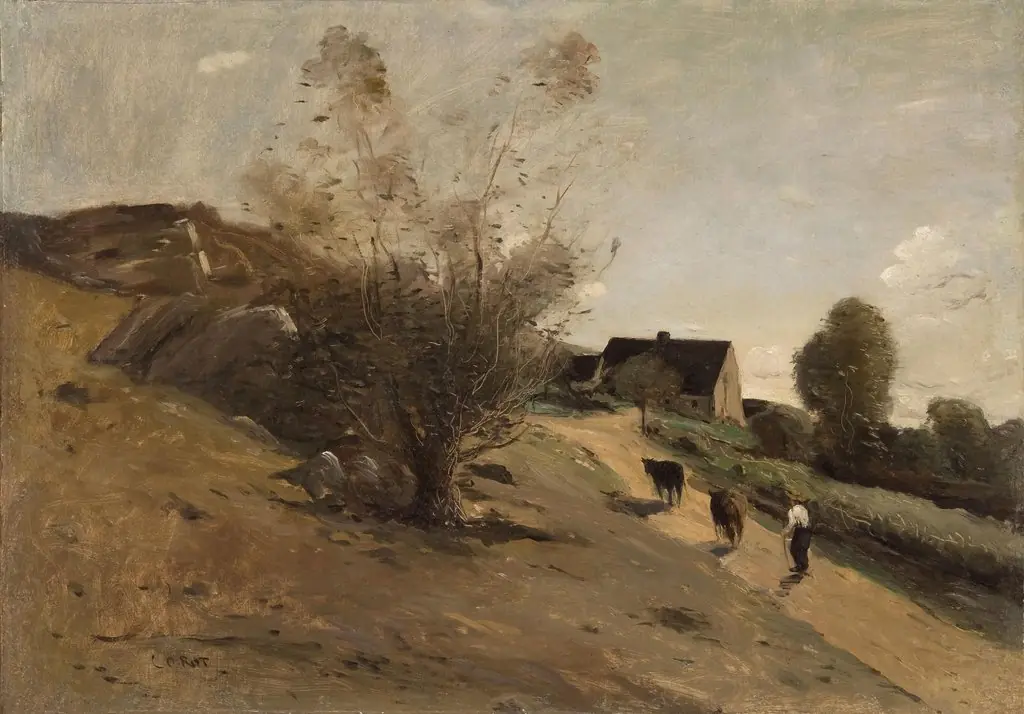 Environs of Gruyéres, Switzerland
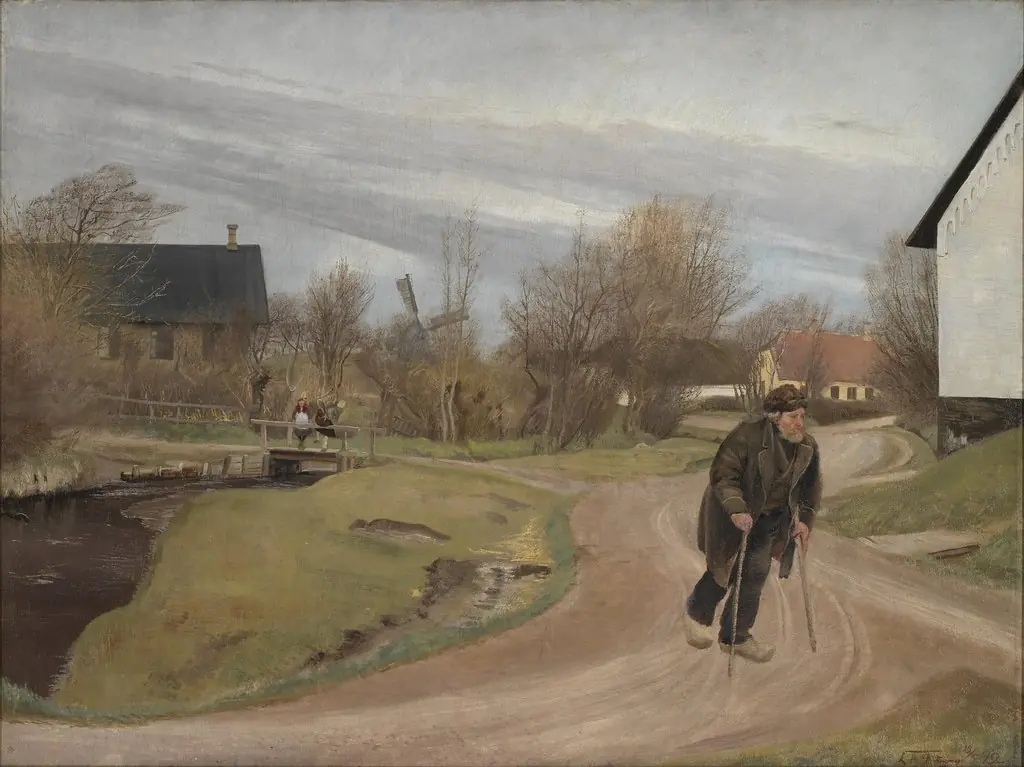 Springtime in Hals, Jutland
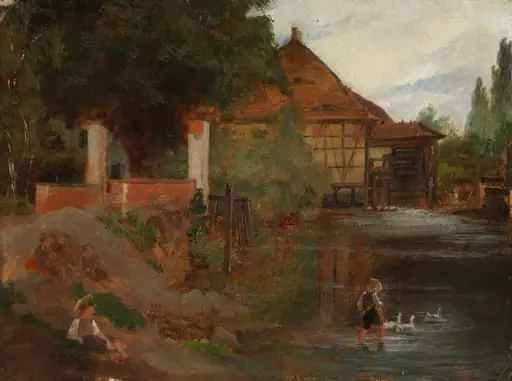 Myllypato, maisema Saksasta
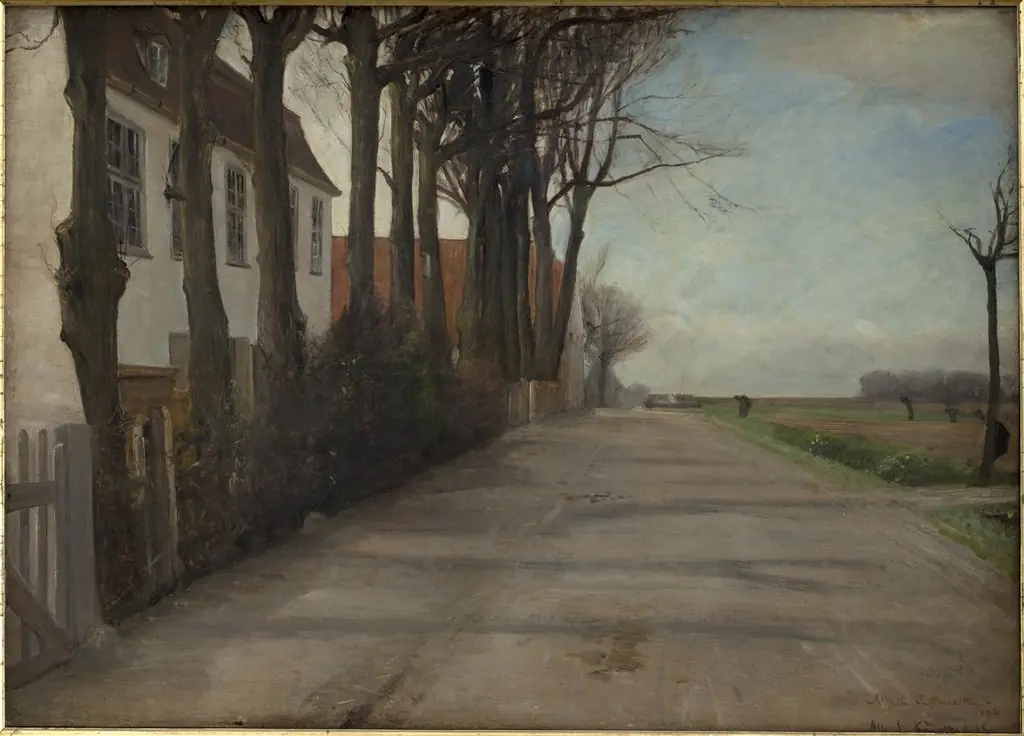 The Road Leading past "Store Godthaab", a Country House near Copenhagen
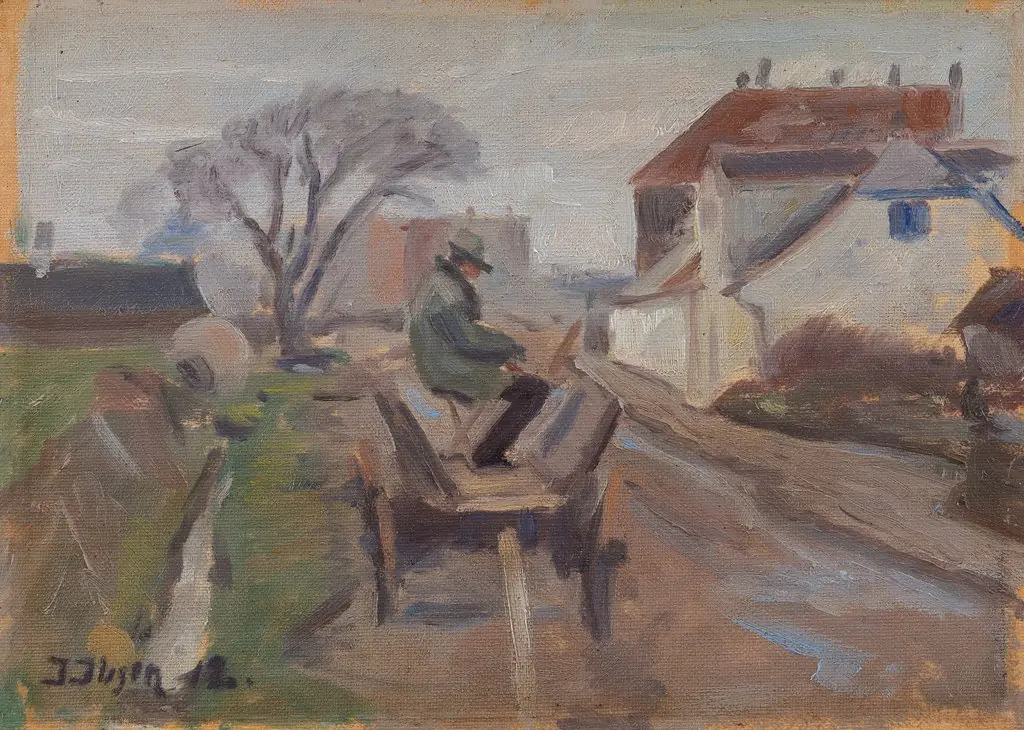 The Painter Ølund Hansen Sitting in a Wagon Painting
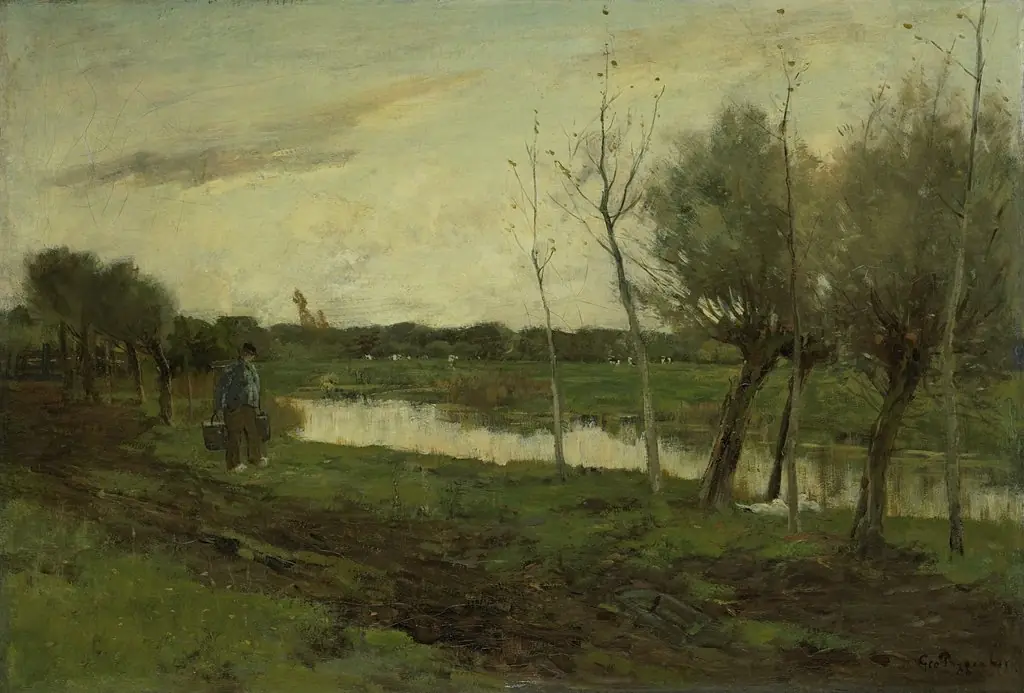 Landscape with canal
 Spring at Bougival
 Les bords de la Seine à Bougival