Artwork
A Study from Life [and] Study for Angel Releasing Saint Peter from Prison
![A Study from Life [and] Study for Angel Releasing Saint Peter from Prison, by Washington Allston, oil, 1815](https://artifactworldgallery.com/img/washington-allston--a-study-from-life-and-study-for-angel-releasing-saint-peter--13db111bb86c178e-w1024.webp)
A Study from Life [and] Study for Angel Releasing Saint Peter from Prison is an oil painting by the Romanticist artist Washington Allston. It dates from 1815 and is held in the collection of the Metropolitan Museum of Art.
About this work
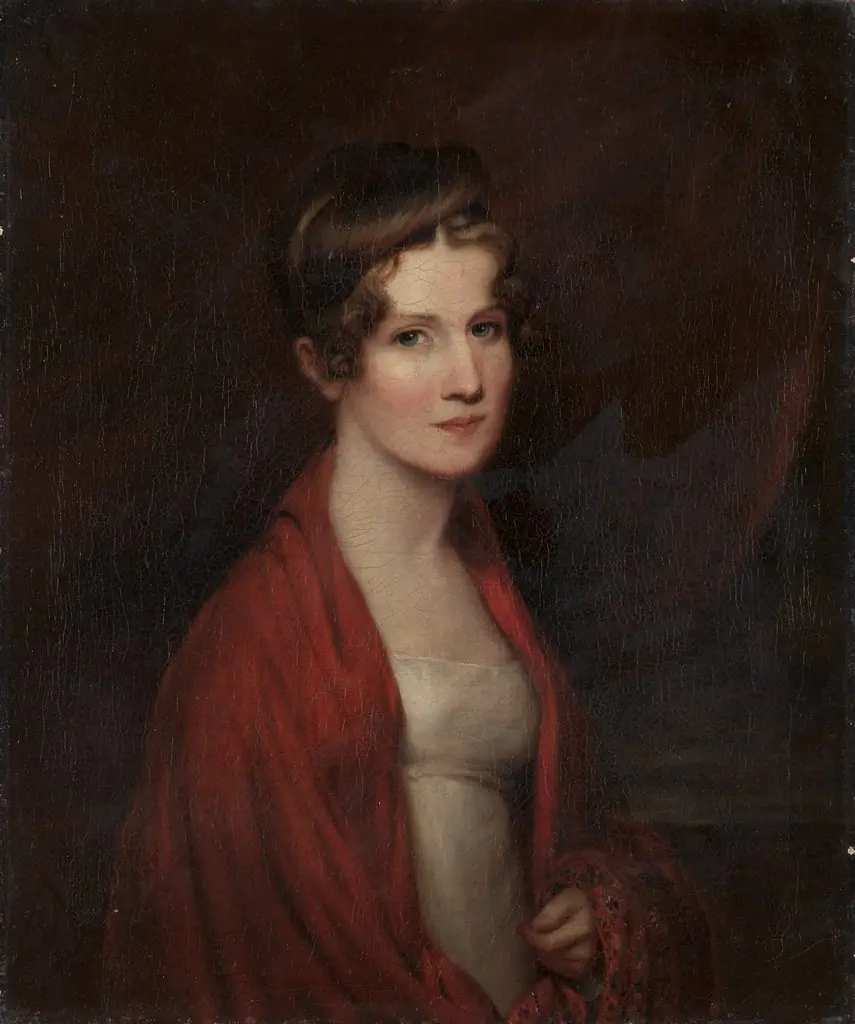
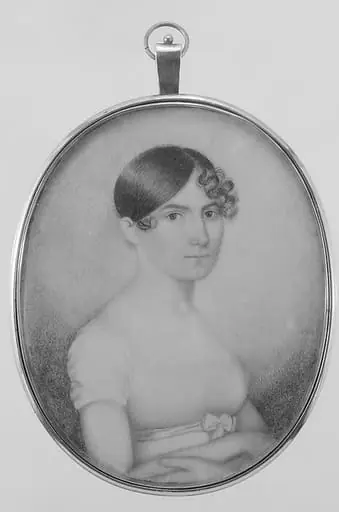
You see two quick oil sketches side by side: one is a woman’s profile, the other an angel freeing Saint Peter from jail.
You see two quick oil sketches side by side: one is a woman’s profile, the other an angel freeing Saint Peter from jail.
Allston painted these on paperboard in about 1815. The loose brushstrokes feel like warm-up exercises—almost like a notebook page. The woman’s face is lit softly, while the angel’s wings glow against dark prison bars. Both studies show how light and shadow shape a scene before the final painting is made.
Look up the technique called *chiaroscuro* to see how other artists use light and dark this way.
Overview
Washington Allston's 1815 oil on paperboard, titled 'A Study from Life [and] Study for Angel Releasing Saint Peter from Prison,' presents two distinct compositional sketches on a single support. The work functions as a dual-purpose exercise in observation and narrative conception. On one side, Allston renders a quick, intimate profile of a woman, executed with soft, diffused lighting that emphasizes the contours of her face and the texture of her hair. This 'Study from Life' demonstrates the artist's commitment to direct observation and his ability to capture subtle tonal variations in a brief format. Adjacent to this figure study is a dynamic sketch for a religious subject: an angel in the act of releasing Saint Peter from prison. Here, the brushwork becomes more energetic and gestural, capturing the movement of the angel and the dramatic interaction between the celestial figure and the imprisoned apostle. Created during a period when Allston was deeply engaged with Romantic ideals and the interplay of light and shadow, these sketches reveal his working method. They serve not merely as preparatory studies but as independent explorations of form, light, and emotional intensity, bridging the gap between academic discipline and the expressive freedom characteristic of American Romanticism.
Subject & Meaning
The studies capture two distinct narrative moments: a quiet, idealized portrait of a woman and a dramatic biblical episode in which an angel intervenes to free the apostle Peter. The juxtaposition hints at Allston’s intent to explore themes of divine rescue and human contemplation within a single compositional framework.
Technique & Style
Allston employed rapid, loose brushwork on paperboard, allowing the paint to remain fluid and gestural. Light falls gently on the woman’s face, creating a subtle chiaroscuro effect, while the angel’s wings are rendered with a luminous sheen that contrasts with the dark, barred interior of the prison. The sketches read like visual notebooks, emphasizing tonal modeling before a finished painting.
History & Provenance
Created in the early nineteenth century, the pair remained in Allston’s studio before entering the collection of the American Wing at the Metropolitan Museum of Art. Their provenance traces a straightforward path from the artist’s estate to the museum, where they are displayed as examples of his preparatory practice.
Context
Allston’s work reflects the broader American Romantic interest in biblical subjects and the study of light and shadow. The sketches align with contemporary European practices of using chiaroscuro to dramatize spiritual narratives, while also showcasing the artist’s personal method of working out composition on inexpensive supports before committing to a larger canvas.
Artist & collection

Artist
American, Georgetown, South Carolina 1779–1843 Cambridgeport, Massachusetts