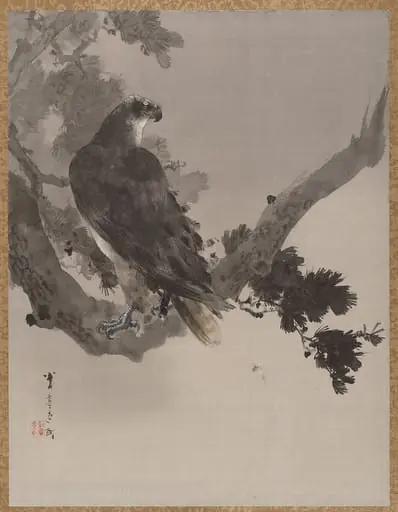
Artwork
Untitled
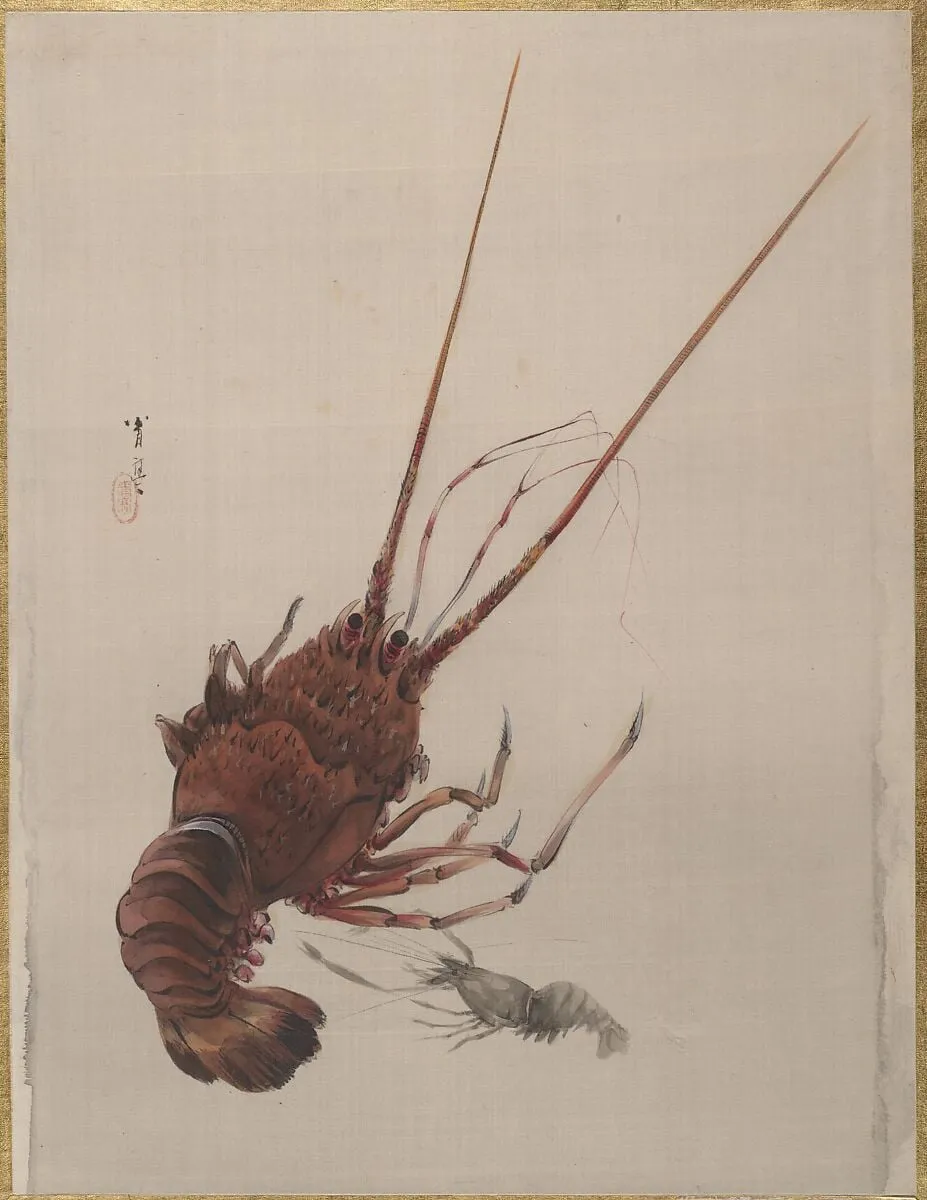
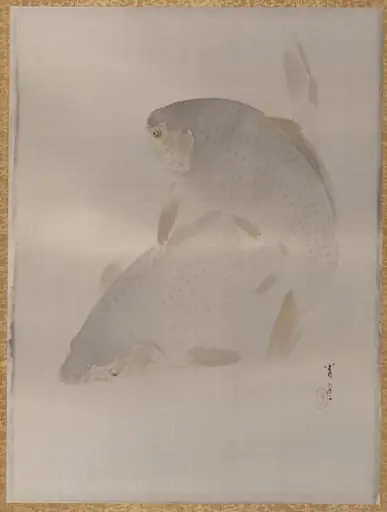
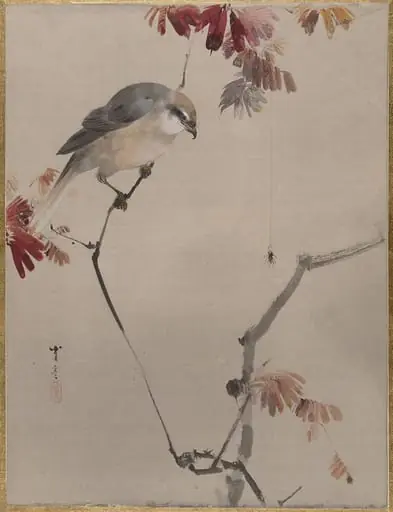
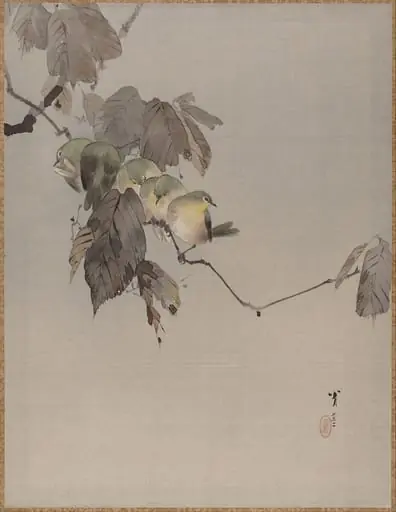
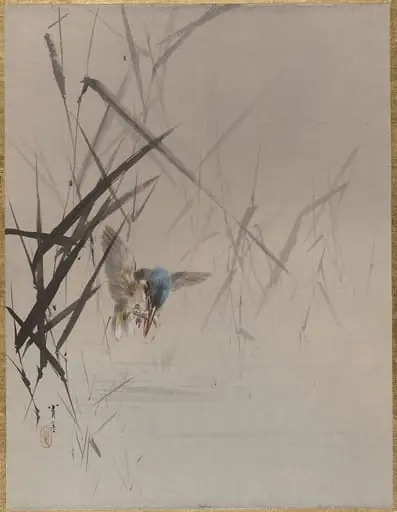
Untitled is an ink painting by the Impressionist artist Watanabe Seitei. It dates from 1887 and is held in the collection of the Metropolitan Museum of Art.
About this work
Overview
Executed in ink and color on silk, the work exemplifies the artist's mastery of the Nihonga style during the Meiji period.
Created in 1887, this album leaf by Watanabe Seitei depicts a crayfish clinging to a rock while two small fish dart below, set against a backdrop of delicate water plants. Executed in ink and color on silk, the work exemplifies the artist's mastery of the Nihonga style during the Meiji period. Seitei painted this piece at a time when Japan was actively engaging with Western trade and artistic influences, yet he maintained a commitment to traditional Japanese aesthetics. The composition balances the solid, textured form of the crayfish with the fluid, dynamic movement of the fish and swaying vegetation, demonstrating a keen observation of natural life. As a small-scale work intended for an album, it reflects the intimate viewing practices of the era while showcasing Seitei's ability to capture the essence of aquatic subjects with refined brushwork and subtle coloration. This piece stands as a representative example of his early career output, bridging traditional themes with the evolving artistic landscape of late 19th-century Japan.
Subject & Meaning
The central figure, a crayfish native to Japanese waterways, reflects a traditional interest in local fauna. Paired with the fleeting fish and the surrounding flora, the work suggests a moment of stillness in an otherwise dynamic river environment, inviting contemplation of the subtle rhythms of nature.
Technique & Style
Seitei employed ink that subtly bleeds into the silk substrate, creating a luminous, fluid effect. Fine brushwork outlines the creatures, while light washes of color suggest depth. The interplay of precise line and gentle diffusion exemplifies the hybrid approach Japanese artists were adopting, merging native brush techniques with influences from Western painting.
History & Provenance
Produced in the 1880s, a period when Japan was increasingly engaging with Western artistic ideas, the piece exemplifies the era's experimental spirit. It remains part of a private collection of Meiji‑period album leaves, having been documented in several catalogues of Japanese miniature paintings.
Context
During the Meiji era, subjects such as crayfish became popular among artists exploring new materials and methods introduced from Europe. The choice of silk as a support allowed for the delicate translucency that characterizes the work, aligning it with contemporary trends in both Japanese and foreign miniature art.
Artist & collection