Artwork
Untitled
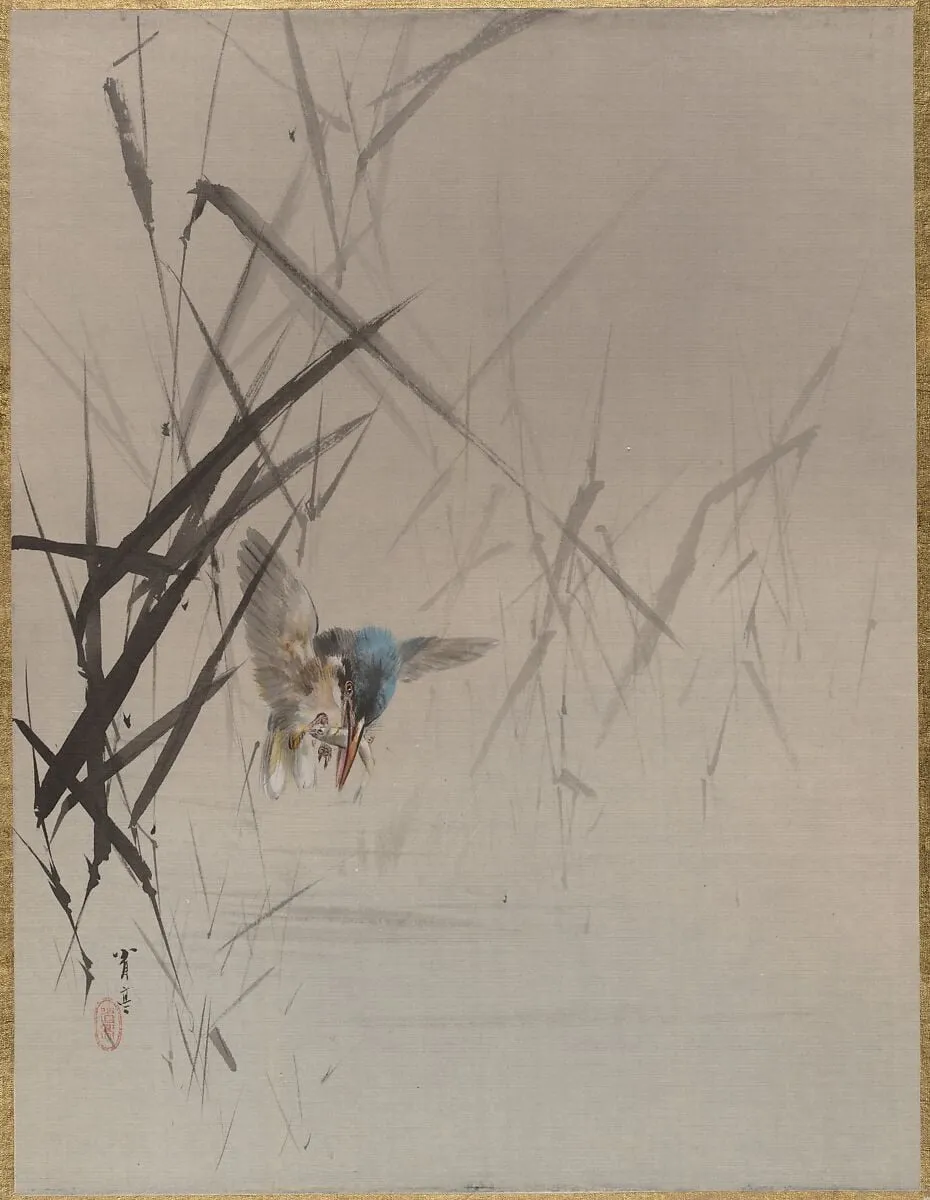
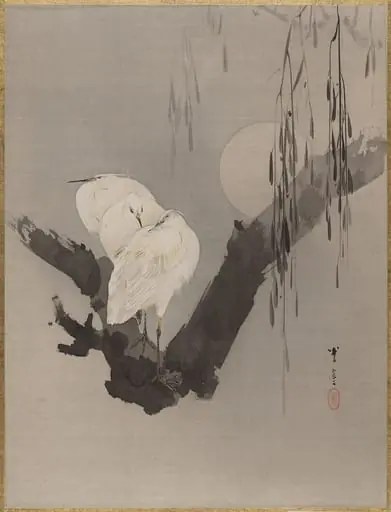
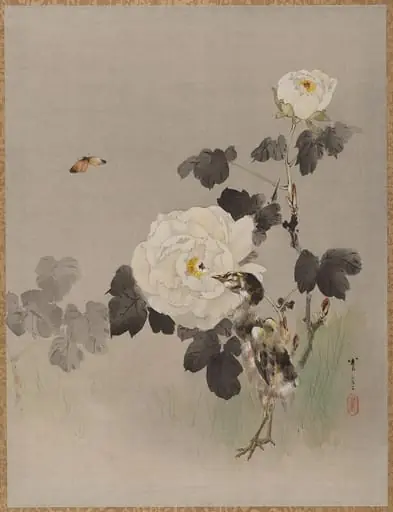
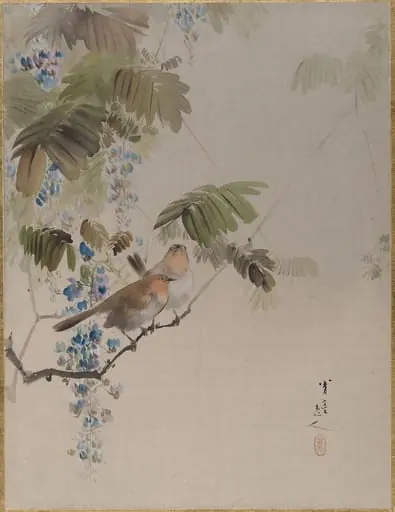
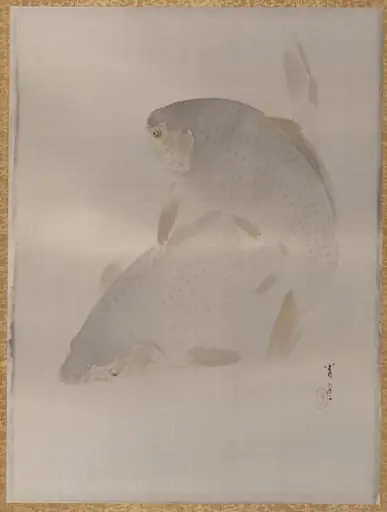
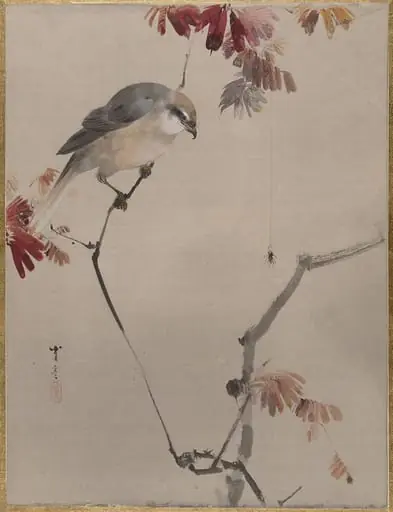
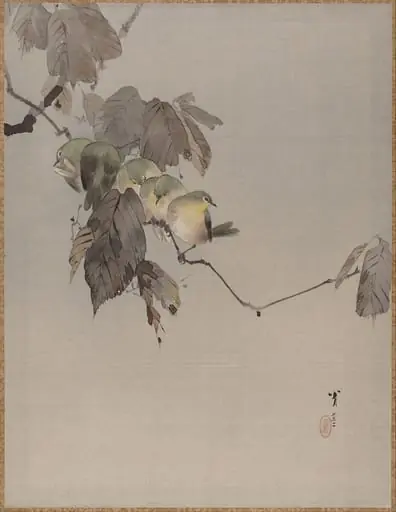
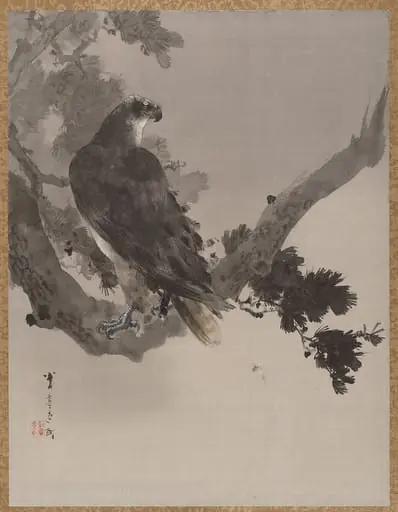
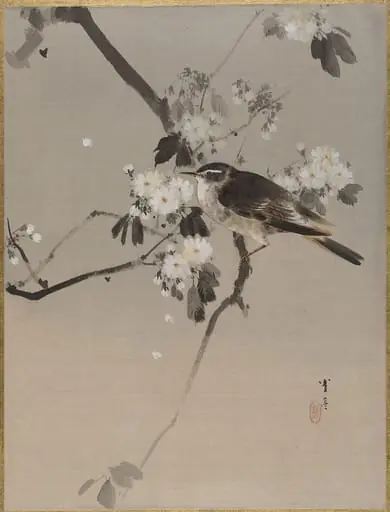
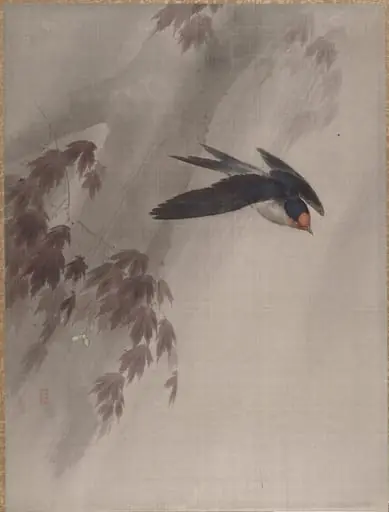
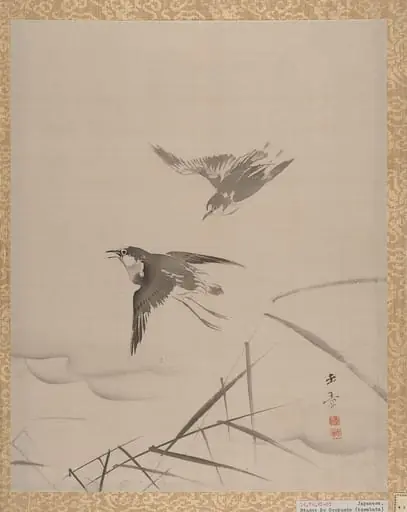
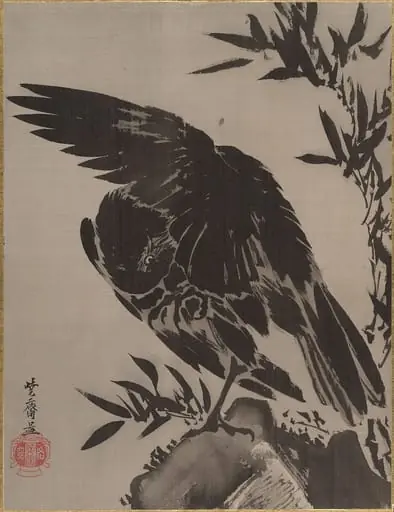
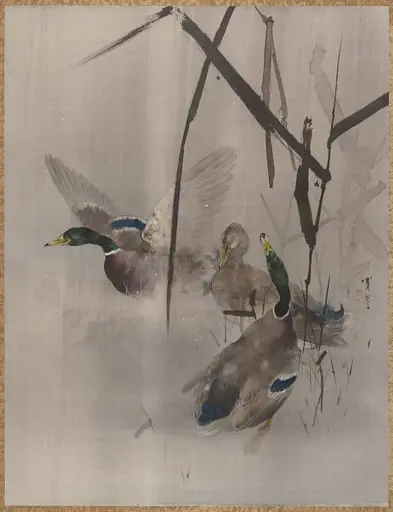
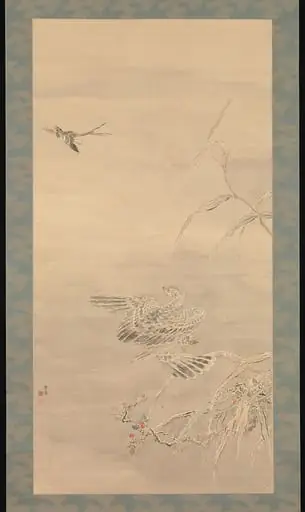
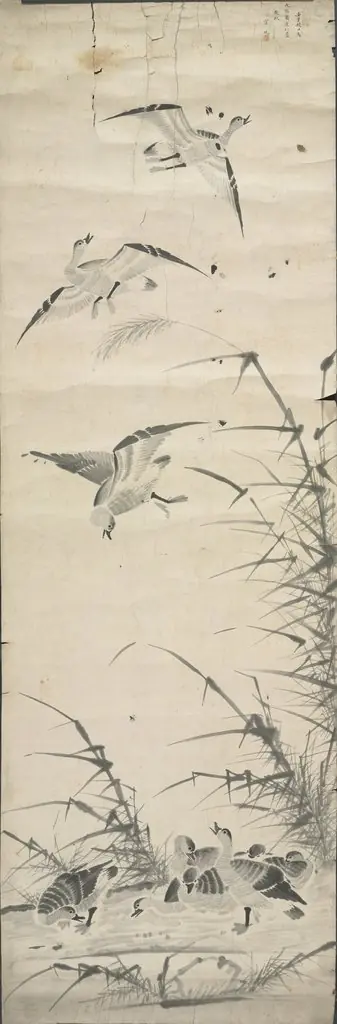
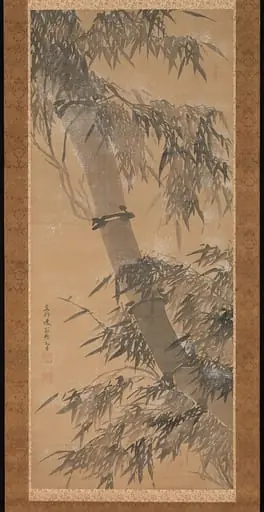
Untitled is an ink painting by the Impressionist artist Watanabe Seitei. It dates from 1887 and is held in the collection of the Metropolitan Museum of Art.
About this work
Overview
Seitei, a leading figure of the Nihonga movement, utilizes the album leaf format to create an intimate, detailed study rather than a grand landscape.
Created in 1887, this album leaf by Watanabe Seitei exemplifies the artist's pivotal role in bridging traditional Japanese ink painting with Western naturalism during the Meiji era. Executed in ink and color on silk, the work depicts a white heron standing on one leg in shallow water, its orange beak providing a vivid focal point against the monochrome wash. Below the surface, a single fish is captured in motion, emphasizing the artist's keen observation of nature. Seitei, a leading figure of the Nihonga movement, utilizes the album leaf format to create an intimate, detailed study rather than a grand landscape. The composition balances the verticality of the heron with the horizontal flow of the water, demonstrating a synthesis of classical brushwork and a modern interest in realistic detail and color. This piece reflects the broader artistic shift in late 19th-century Japan, where painters sought to preserve national aesthetics while incorporating new techniques to appeal to both domestic and international audiences.
Subject & Meaning
The work juxtaposes two elements of the Japanese wetland ecosystem: the heron, a symbol of grace and patience, and the fish, an understated presence that rewards careful observation. The pairing suggests a moment of stillness where predator and prey coexist in a delicate balance, encouraging contemplation of nature’s subtle interactions.
Technique & Style
Seitei employs traditional ink brushwork alongside selective washes of vivid pigment, a hallmark of the Meiji period’s artistic transition. The heron’s outline is defined in fine ink strokes, while its beak receives a bright orange hue, drawing the eye. The fish is rendered with muted tones, almost concealed, creating a layered visual surprise.
History & Provenance
The painting dates to the early years of Japan’s opening to Western influences, a time when artists experimented with color and format. It remains part of a private collection of Meiji-era album leaves, having been documented in several catalogues of Japanese silk paintings from the late nineteenth century.
Artist & collection