Artwork
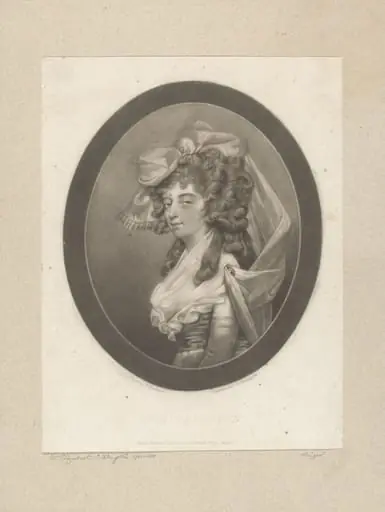
Portrait of Lady Elizabeth Foster
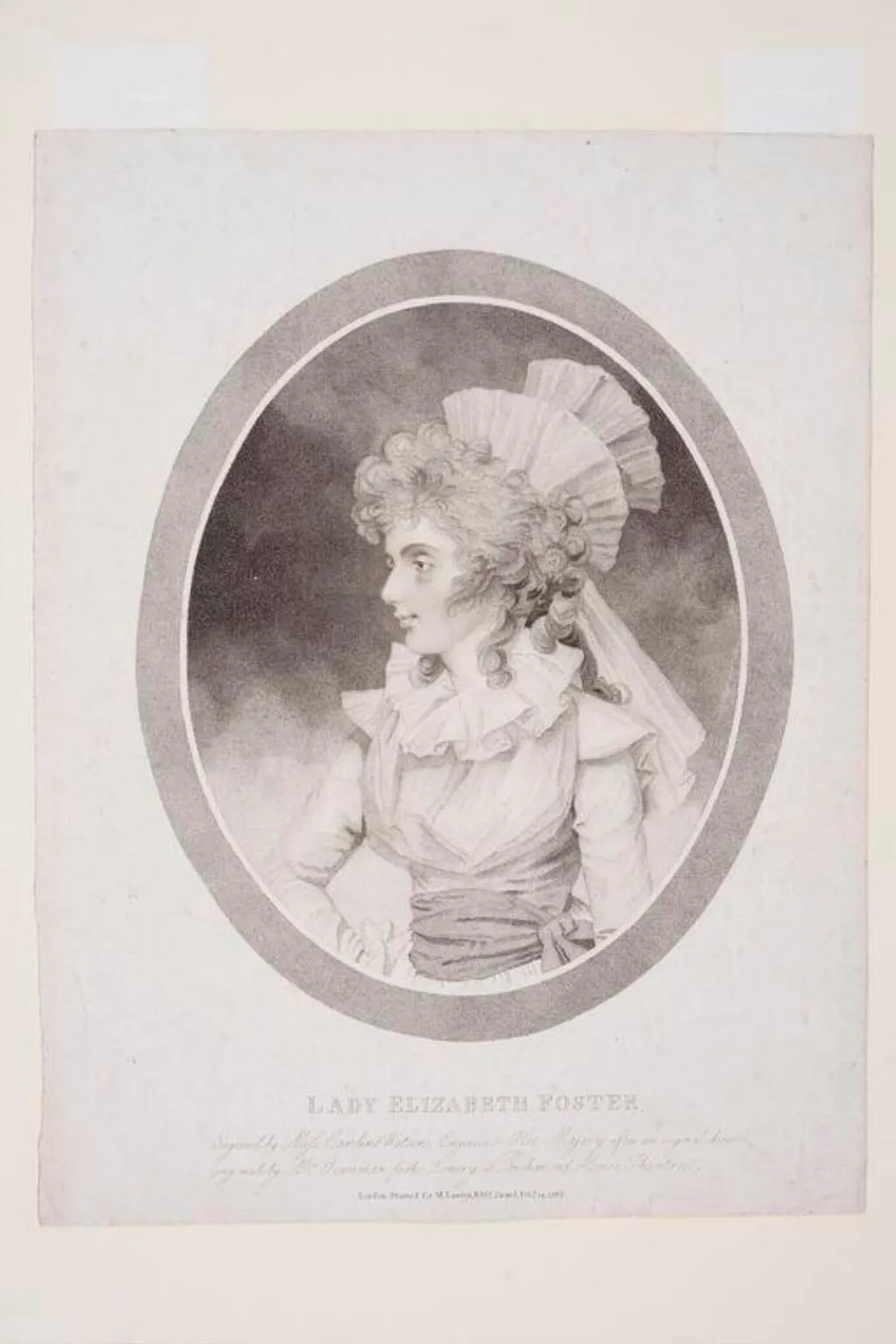
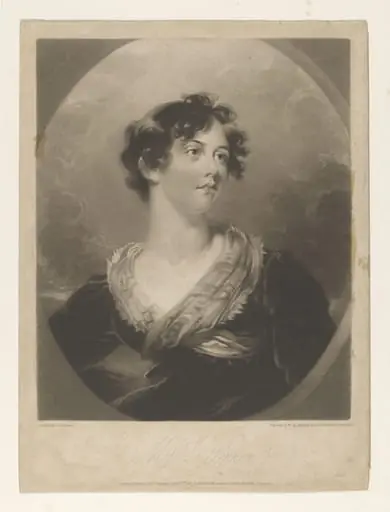
Portrait of Lady Elizabeth Foster is a print by the Romanticist artist Caroline Watson. It dates from 1788 and is held in the collection of the Victoria and Albert Museum.
About this work
This print shows Lady Elizabeth Foster from 1788. It’s by Caroline Watson, who worked in London between 1780 and 1808.
Caroline learned engraving from her father and became the first woman printmaker to earn the title “Engraver to the Queen.” Queen Charlotte supported women artists, and Watson’s skill with a new printing style helped her stand out.
Look up Caroline Watson next.
Overview
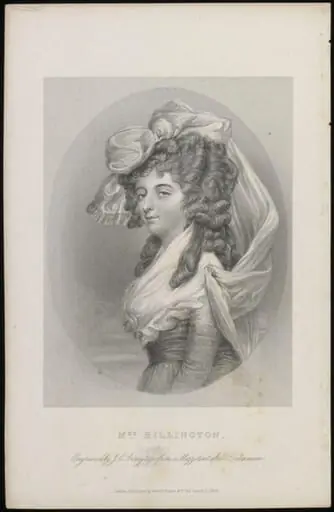
The portrait of Lady Elizabeth Foster, executed in 1788, is a stipple print created by Caroline Watson, an English engraver active in London from the early 1780s until roughly 1808. The work exemplifies Watson’s proficiency in the delicate tonal effects achievable through the stipple method, a technique that distinguished her output among contemporary prints.
Technique & Style
Caroline Watson (c.1760‑1814) received her training in the family workshop, learning the craft from her father, James Watson, and likely alongside her aunt, the printmaker Elizabeth Judkins. She mastered the stipple engraving process, which employs fine dots to render subtle gradations of light and shade, allowing for a soft, painterly quality uncommon in line engraving of the period.
Subject & Meaning
The image depicts Lady Elizabeth Foster, a prominent figure in late‑eighteenth‑century society, rendered with a restrained elegance that reflects both the sitter’s status and the conventions of genteel portraiture. The print’s focus on delicate facial modeling and refined attire conveys an ideal of cultivated femininity typical of the era’s aristocratic portraiture.
Context
Watson’s career unfolded during a time when women artists were beginning to gain limited institutional recognition. In 1790 she was appointed Engraver to the Queen, a title conferred by Queen Charlotte, who was known for her patronage of female talent. Watson’s appointment marked the first instance of a woman receiving such an official court designation in the field of printmaking.
Legacy
The portrait remained in circulation as a printed work, contributing to Watson’s reputation and to the broader visibility of women’s contributions to the print market. Her success helped pave the way for subsequent generations of female engravers, establishing a precedent for professional acknowledgment within the largely male‑dominated art world of the late Georgian period.
Artist & collection