Artwork
Nella Venuta in Roma: pl. 7
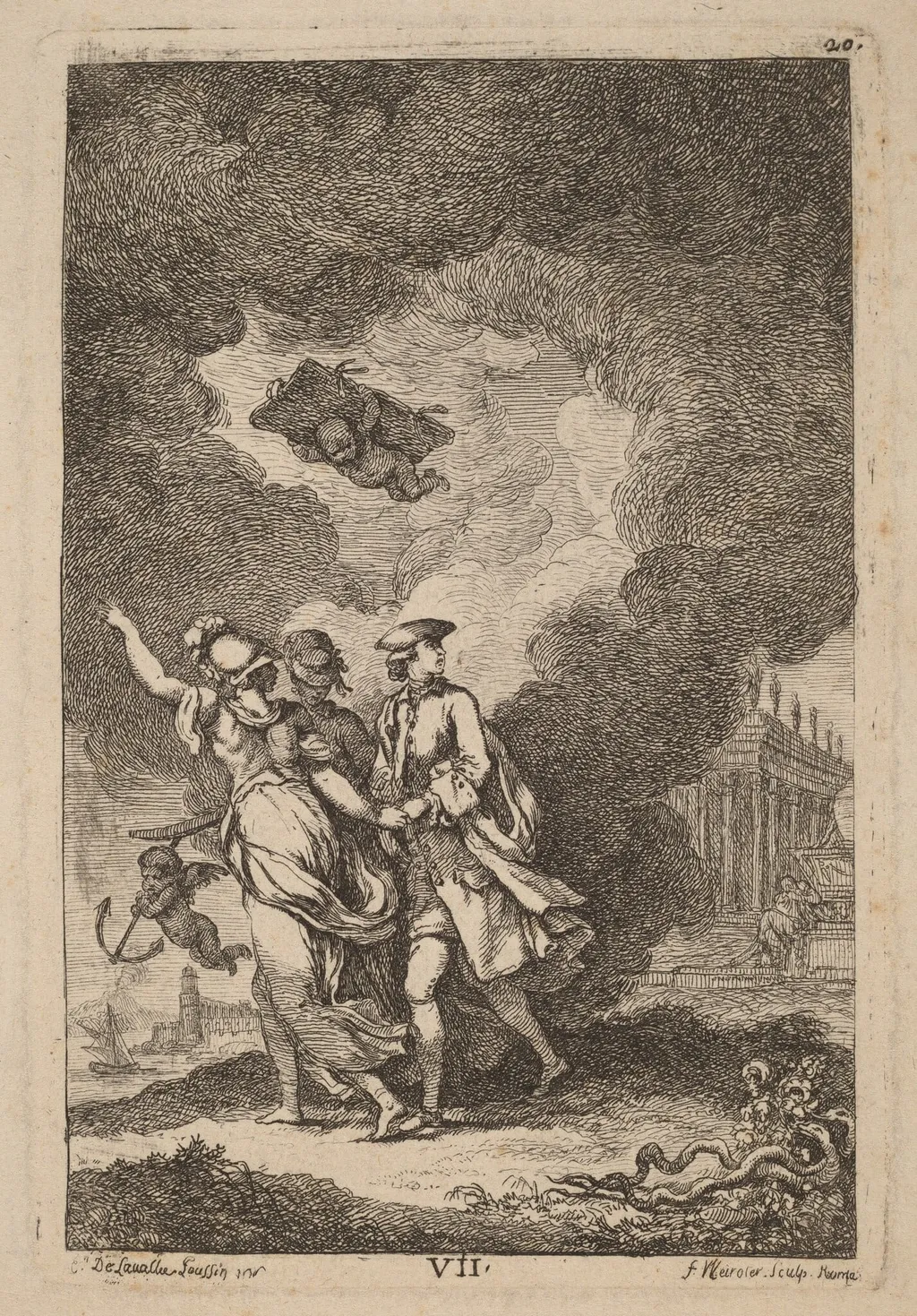
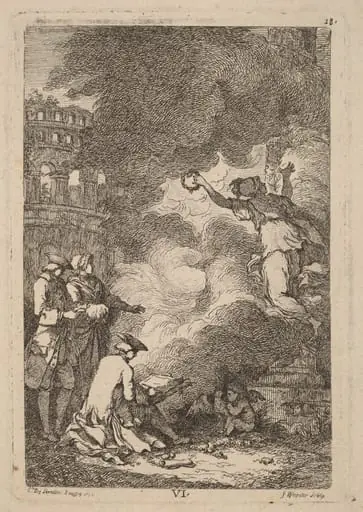
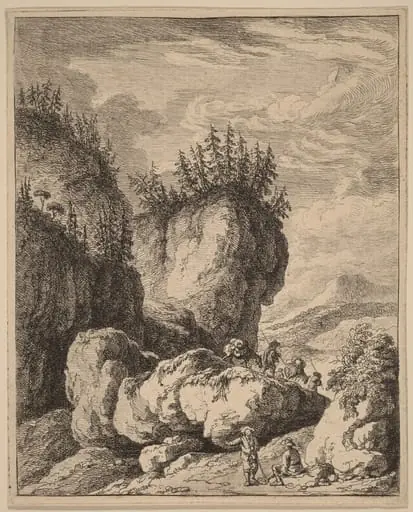
Nella Venuta in Roma: pl. 7 is an ink print by the Romanticist artist Franz Edmund Weirotter. It dates from 1764 and is held in the collection of the National Gallery of Art.
About this work
Overview
Executed on laid paper, it belongs to a group of prints that visually interpret themes of arrival and mythic presence in the Roman landscape.
Created in 1764 by Franz Edmund Weirotter, this etching is the seventh plate in a series titled Nella Venuta in Roma. Executed on laid paper, it belongs to a group of prints that visually interpret themes of arrival and mythic presence in the Roman landscape. The composition centers on two figures, one female and one male, set against an architectural backdrop under a hazy sky, suggesting narrative rather than topographical accuracy.
Subject & Meaning
The central female figure, holding a bow and arrow with one arm raised, evokes classical associations with Artemis or Diana, deities linked to wilderness and independence. Her companion, dressed in 18th-century attire and bearing a sword, may represent a guardian or mortal counterpart. Together, they suggest a symbolic encounter between divine force and human resolve, possibly reflecting ideals of virtue, protection, or the interplay of nature and civilization.
Technique & Style
Weirotter employed fine, controlled etching lines to define form and atmosphere. The figures are rendered with crisp detail, while the background buildings and sky are suggested through softer, atmospheric strokes. The use of hatching and cross-contour lines creates depth without heavy shading, characteristic of late Baroque printmaking. The composition balances clarity of foreground elements with the ambiguity of the distant setting.
History & Provenance
The print was produced during Weirotter’s active period in Vienna, where he collaborated on illustrated travel series. Nella Venuta in Roma was likely commissioned for a broader audience interested in classical antiquity and romanticized Italian landscapes. While specific early ownership records are sparse, the plate circulated among collectors of topographical and mythological prints in Central Europe during the late 18th century.
Context
Though created before the formal rise of Romanticism, the work anticipates its emotional tone through its symbolic figures and evocative setting. It reflects a broader 18th-century European fascination with mythological allegory in travel imagery, particularly in prints that linked ancient Rome with contemporary ideals of heroism and nature. Weirotter’s approach aligns with the scholarly yet imaginative spirit of antiquarian print culture.
Legacy
Weirotter’s etching remains a modest but representative example of 18th-century narrative printmaking. It contributes to the understanding of how classical motifs were adapted for visual storytelling beyond grand painting. Though not widely reproduced today, it continues to be studied for its synthesis of myth, landscape, and the evolving role of print as a medium for intellectual and aesthetic exploration.
Artist & collection


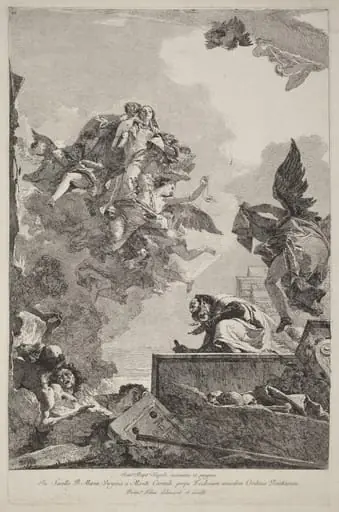 The Madonna del Carmelo Appearing to Saint Simon Stock
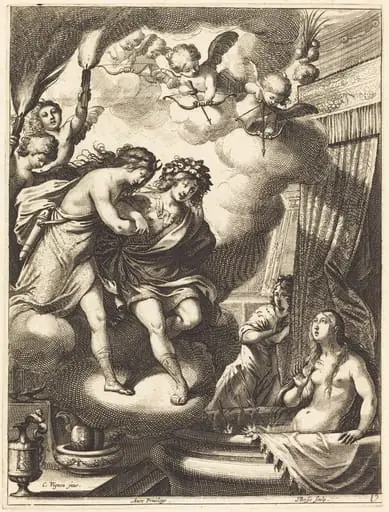 Illustration to Jean Desmarets' "L'Ariane"
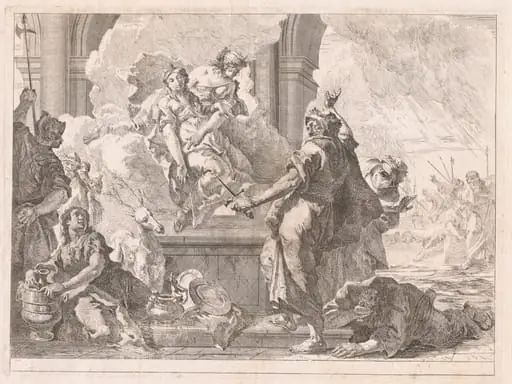 The Sacrifice of Iphigenia
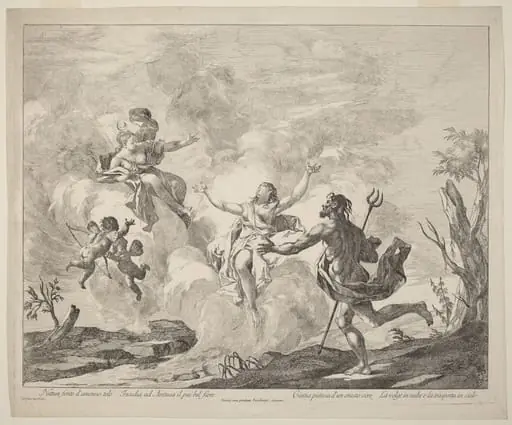 Alpheus and Arethusa
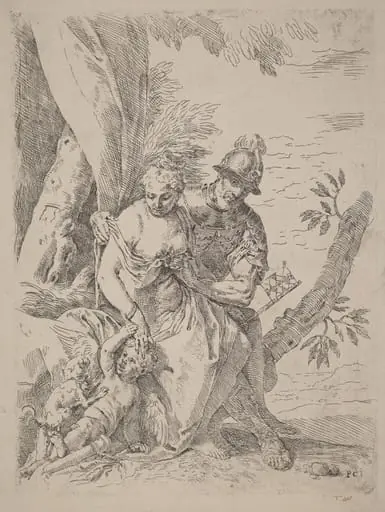 Mars, Venus and Cupid
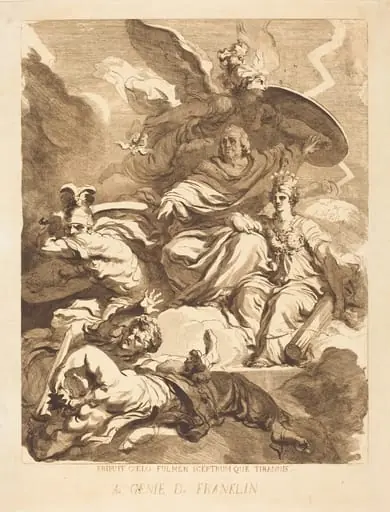 The Genius of Franklin (Au Génie de Franklin)
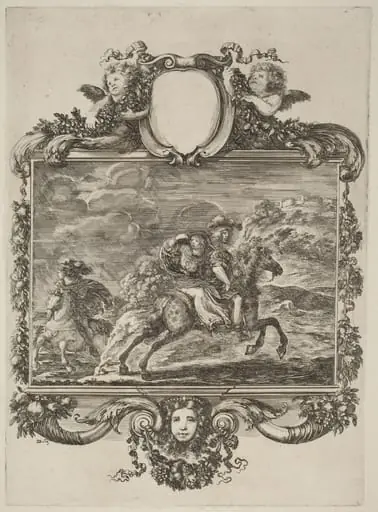 Clovis and Clotilda
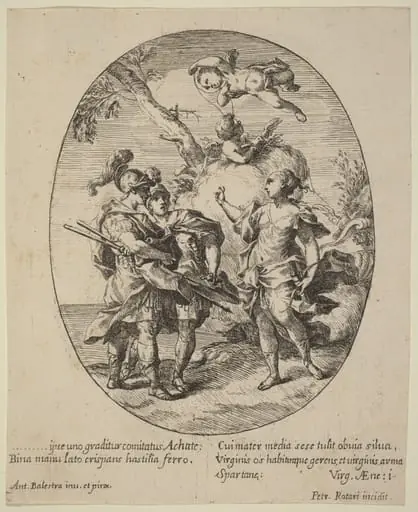 Venus Appearing to Achilles
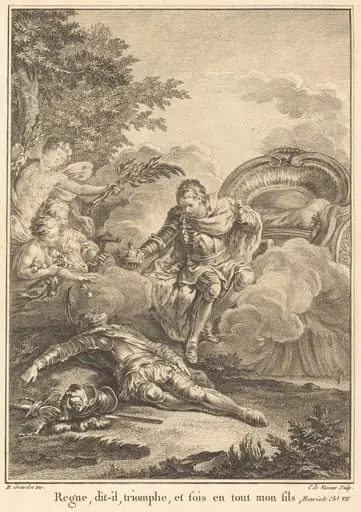 Regne, dit-il, triomphe, et sois en tout mon fils
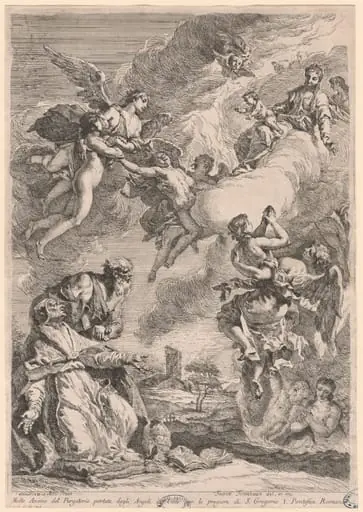 Pope Gregory the Great and Saint Vitale Interceding for the Souls in Purgatory
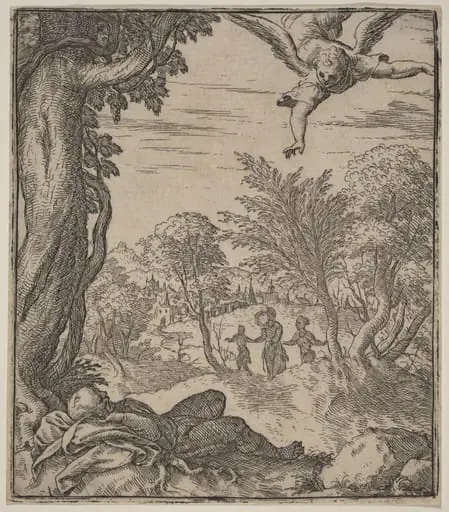 The Angel Appearing to Joseph