Artwork
Pope Gregory the Great and Saint Vitale Interceding for the Souls in Purgatory
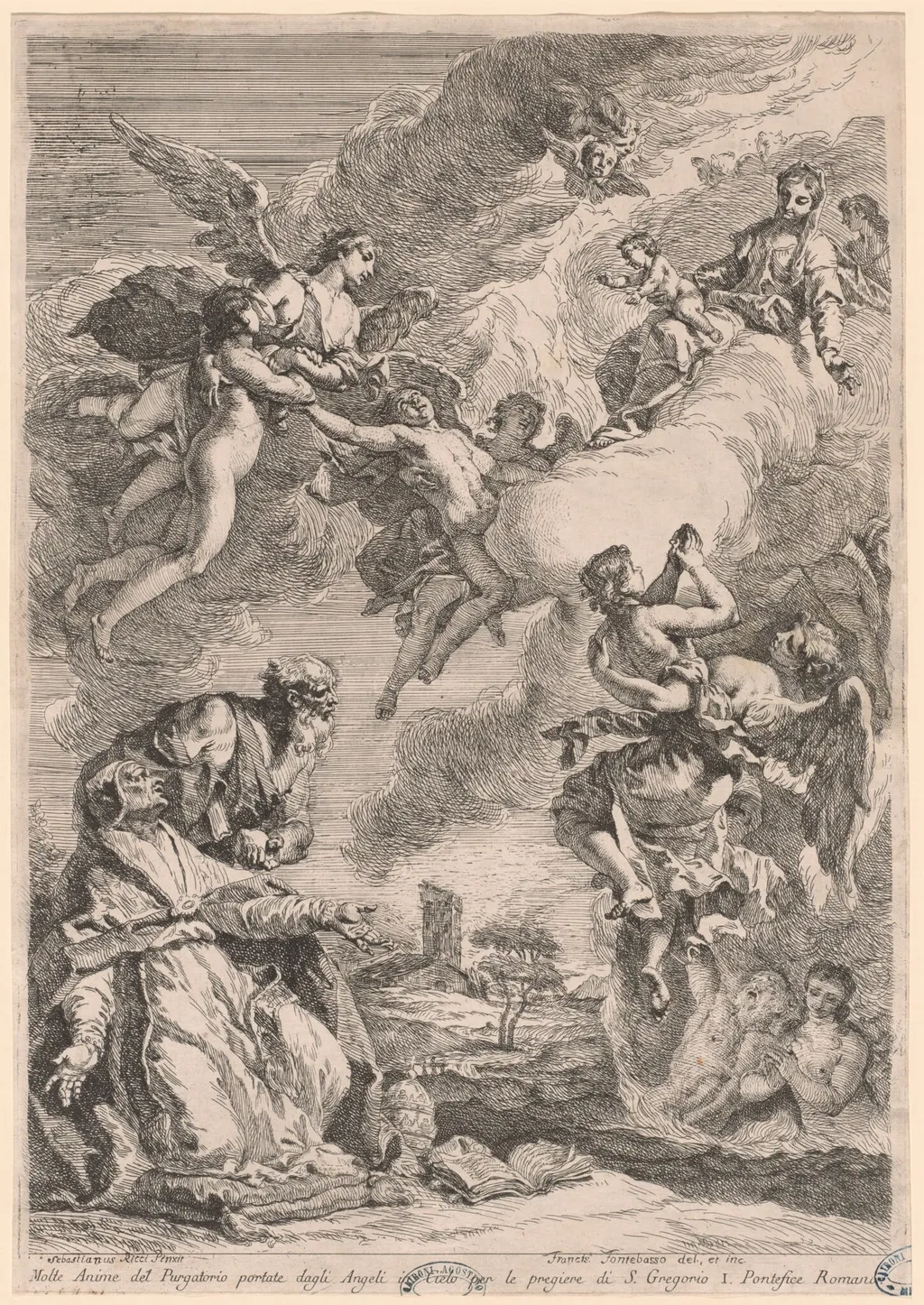
Pope Gregory the Great and Saint Vitale Interceding for the Souls in Purgatory is an ink print by the Baroque artist Francesco Fontebasso. It dates from 1731 and is held in the collection of the National Gallery of Art.
About this work
Overview
Created around 1731, this black‑and‑white print presents a densely populated composition in which two robed figures kneel on a rocky ledge while ethereal masses of souls swirl above them. The scene conveys a sense of urgent movement, with sharp, layered lines that emphasize both the physical crowding on the ground and the tumultuous clouds of the afterlife.
Subject & Meaning
The work illustrates a theological narrative: Pope Gregory the Great and Saint Vitale are shown pleading on behalf of the departed souls trapped in purgatory.
The work illustrates a theological narrative: Pope Gregory the Great and Saint Vitale are shown pleading on behalf of the departed souls trapped in purgatory. The kneeling figures hold a book, symbolizing ecclesiastical authority, while the surrounding spirits alternately reach upward toward salvation or remain ensnared in suffering, underscoring the intercessory role of holy intercessors in Catholic belief.
Technique & Style
Executed as an etching on laid paper, the artist incised fine lines into a metal plate, allowing for crisp, overlapping strokes that generate texture and depth. The dense hatching and dynamic contours reflect the late‑Baroque sensibility of dramatic movement, while the overall elegance hints at the emerging Rococo taste for intricate, ornamental detail.
History & Provenance
The print is attributed to Francesco Fontebasso, a Venetian painter who trained under Sebastiano Ricci and absorbed influences from contemporary Giovanni Battista Tiepolo. Though primarily known for his paintings, Fontebasso applied his compositional skill to printmaking in this period, producing the work as part of his broader religious output.
Context
Emerging in early 18th‑century Venice, the image aligns with the Counter‑Reformation emphasis on visualizing the afterlife and the power of saints to aid the faithful. By depicting papal and saintly intercession, the piece reinforces the Catholic doctrine of purgatory and the communal responsibility of prayer for the dead, themes common in devotional art of the era.
Artist & collection
Artist
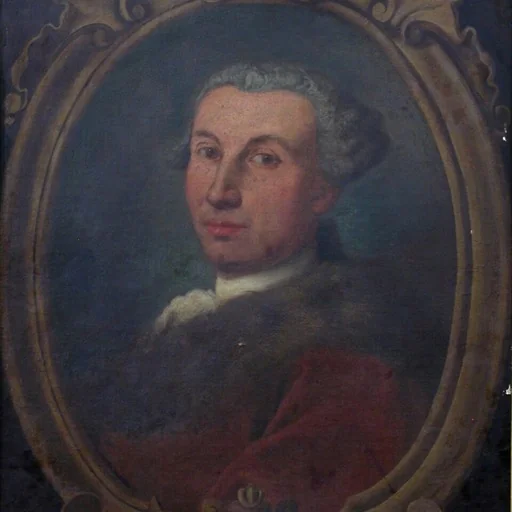
Francesco Fontebasso (4 October 1707 – 31 May 1769) was an Italian painter of the late-Baroque or Rococo period of Venice.

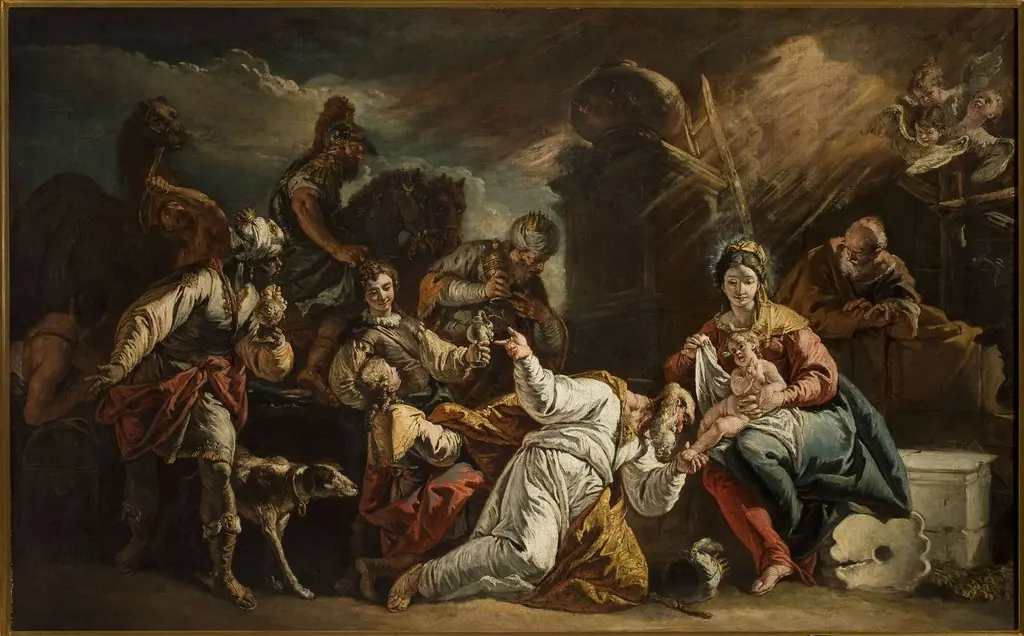 Adoration of the Magi
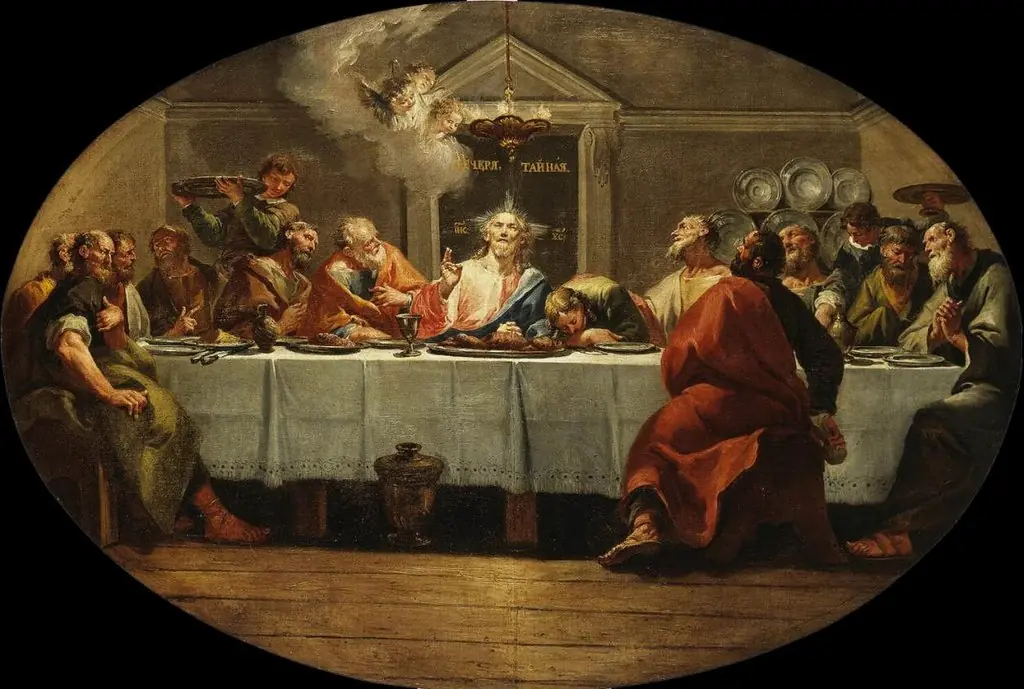 The Last Supper
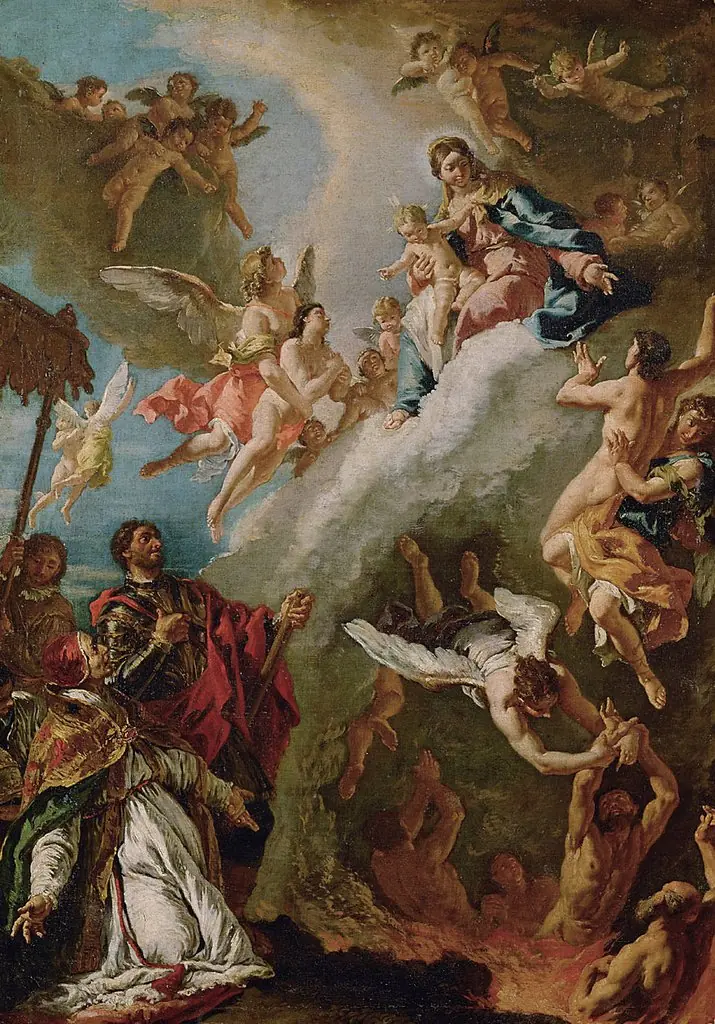 Papst Gregor I. und der Hl. Vitalis bitten die Madonna für die Seelen im Fegefeuer
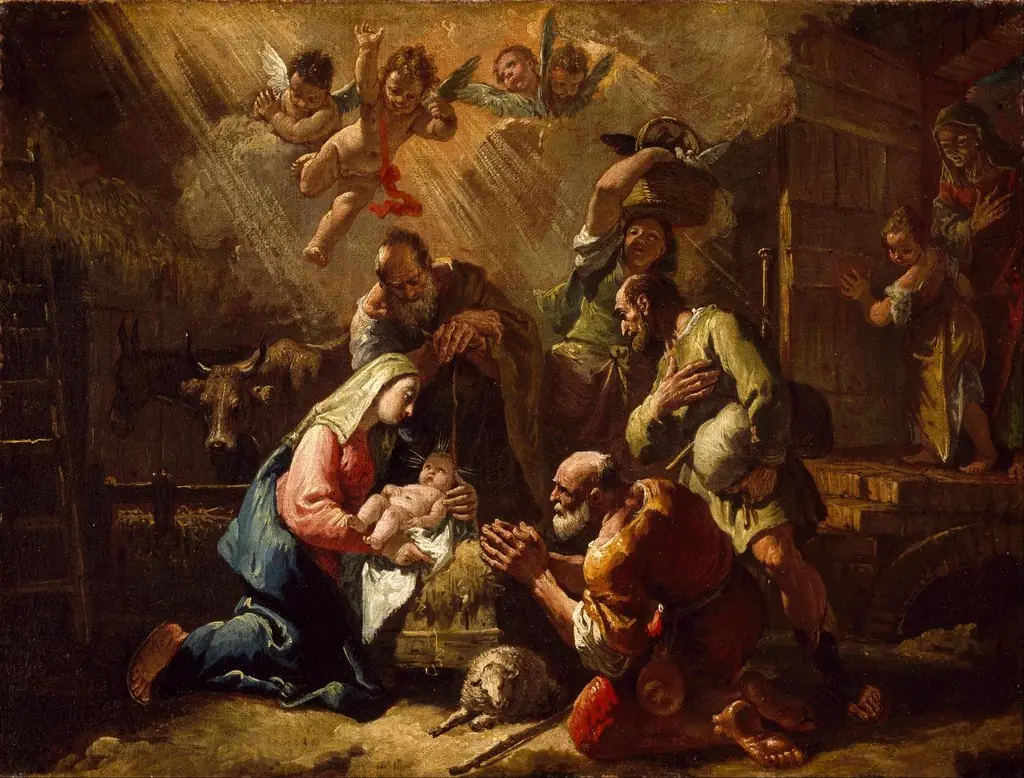 The Adoration of the Shepherds
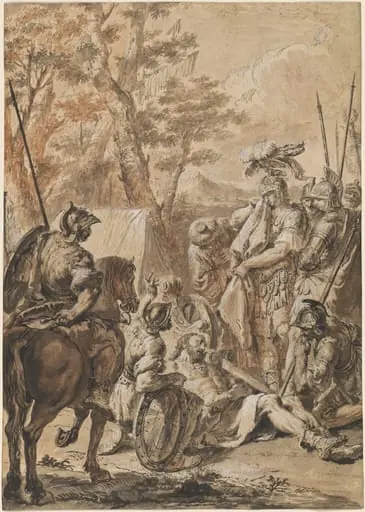 Alexander the Great before the Corpse of Darius
![Head of a Woman and Studies of a Male Nude [verso], by Francesco Fontebasso](https://artifactworldgallery.com/img/francesco-fontebasso--head-of-a-woman-and-studies-of-a-male-nude-verso--bba81b0c130c2863-w320.webp) Head of a Woman and Studies of a Male Nude [verso]
Head of a Woman and Studies of a Male Nude [verso]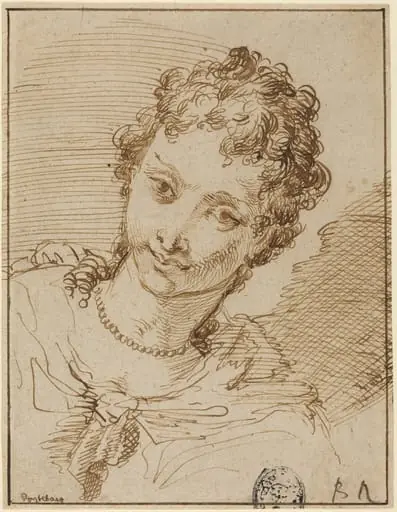 Elegant Young Woman with a Pearl Necklace
![Apollo and Studies of the Artist's Own Hand [recto], by Francesco Fontebasso](https://artifactworldgallery.com/img/francesco-fontebasso--apollo-and-studies-of-the-artist-s-own-hand-recto--ee93288e84456aea-w320.webp) Apollo and Studies of the Artist's Own Hand [recto]
Apollo and Studies of the Artist's Own Hand [recto]
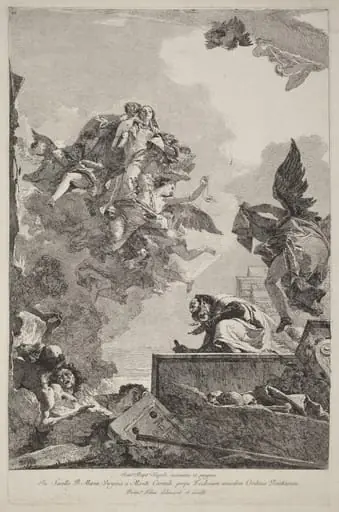 The Madonna del Carmelo Appearing to Saint Simon Stock
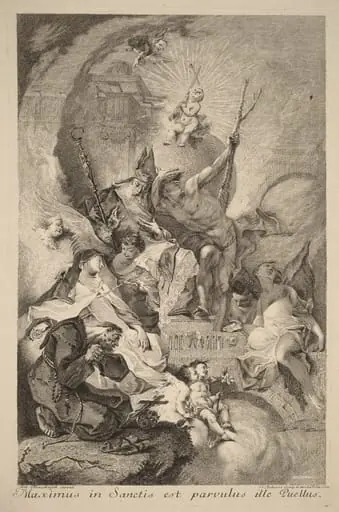 Four Saints
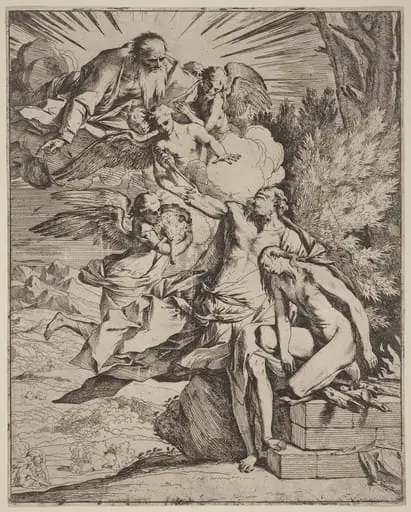 The Sacrifice of Abraham
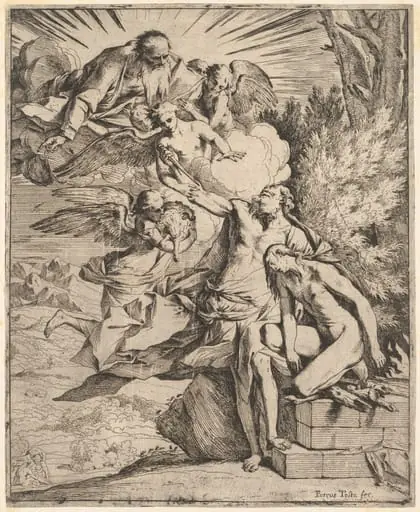 The Sacrifice of Abraham
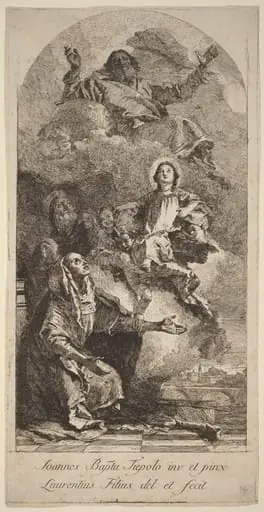 The Vision of Saint Anne
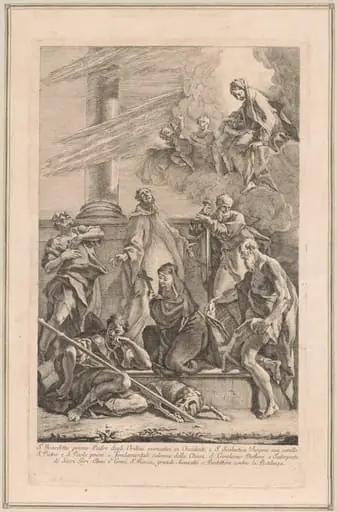 The Madonna and Child with Two Angels and Saints Scholastica, Benedict, Roch, Peter, Paul and Jerome
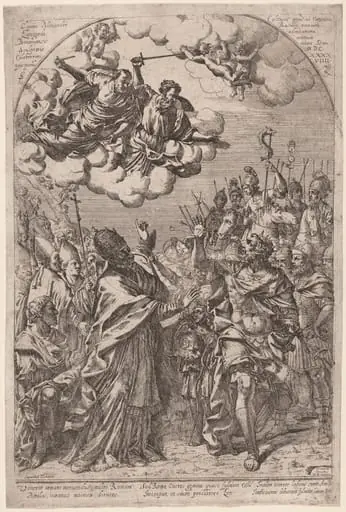 Attila at the Gates of Rome
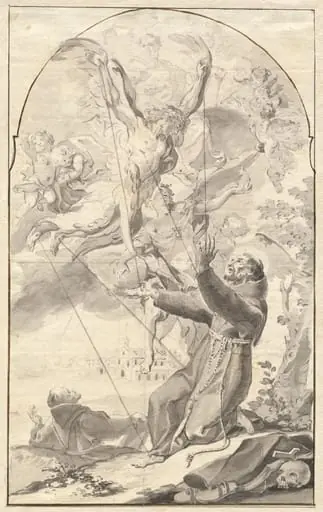 The Stigmatization of Saint Francis
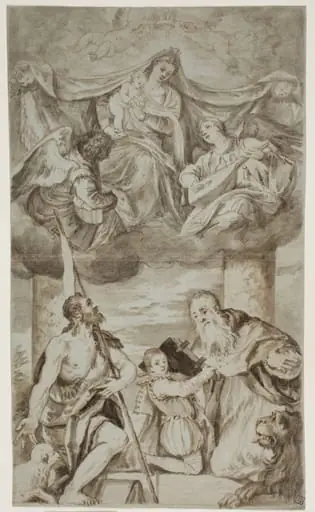 The Virgin and Child among angels in the clouds with Sts John the Baptist and Jerome, after Paolo Veronese’s painting formerly in S. Francesco della Vigna, Venice
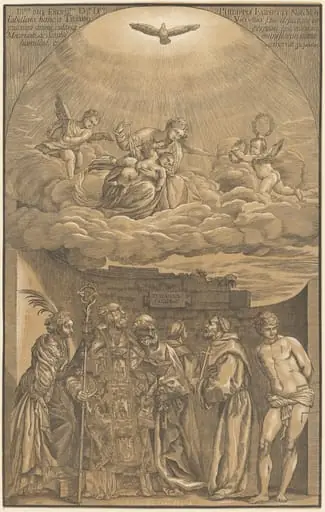 The Virgin and Child in the Clouds with Six Saints
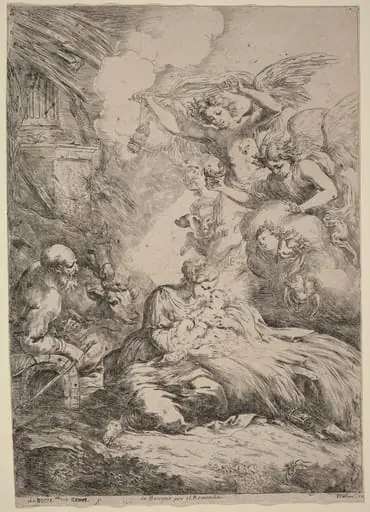 The Holy Family Adored by Angels (The Large Nativity)
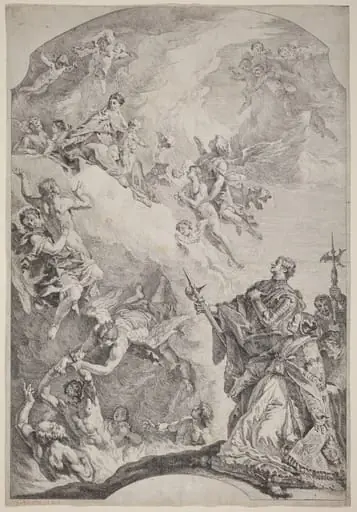 Saint Gregoire I Delivering Souls from Purgatory