Artwork
Ducesa Jacoba de Baden (1507-1580)
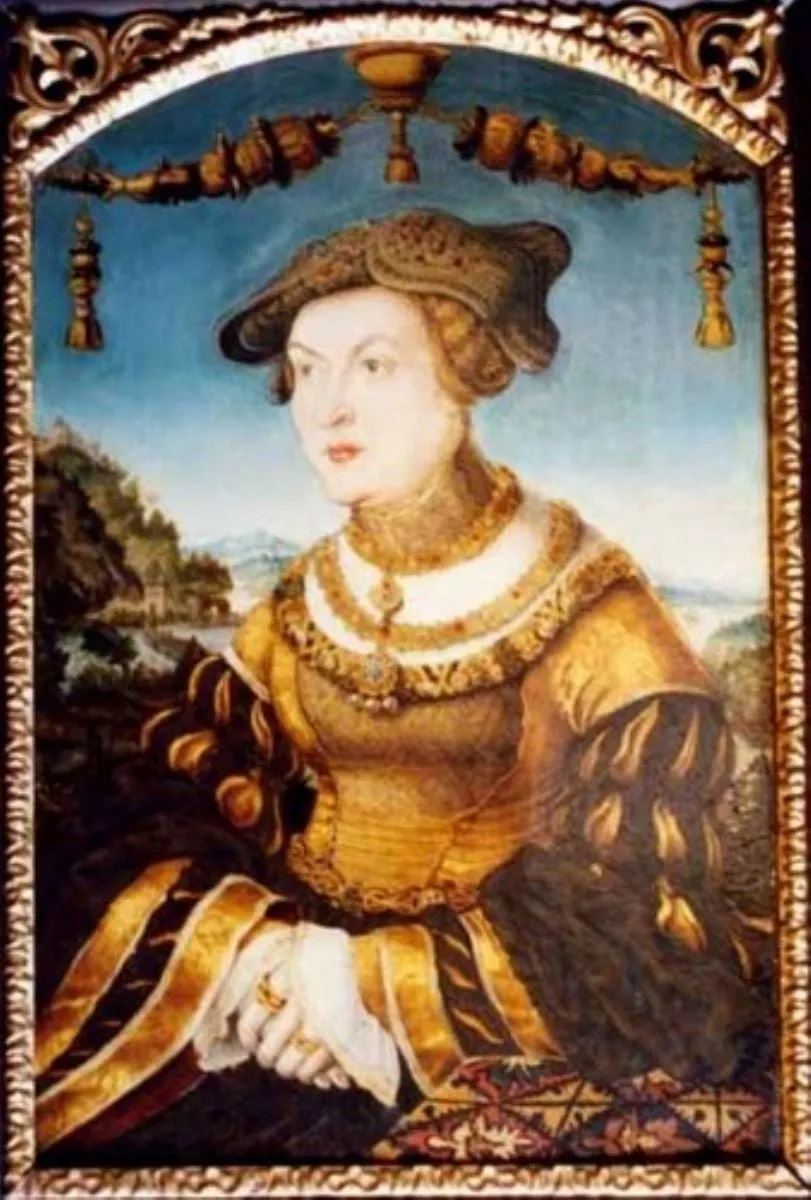
Ducesa Jacoba de Baden (1507-1580) is an unspecified painting by Hans Schwab von Wertinger. It is held in the collection of the Brukenthal National Museum.
About this work
Overview
This portrait depicts Jacoba of Baden, a noblewoman of the early 16th century, rendered in oil on panel by Hans Schwab von Wertinger.
This portrait depicts Jacoba of Baden, a noblewoman of the early 16th century, rendered in oil on panel by Hans Schwab von Wertinger. Her composed posture and restrained expression convey a sense of dignified stillness. The painting emphasizes her status through elaborate attire and a carefully constructed background, typical of aristocratic portraiture in southern Germany during the Reformation era.
Subject & Meaning
Jacoba of Baden, wife of a ruling margrave, is portrayed not as an active figure but as a symbol of lineage and virtue. Her downward gaze and clasped hands suggest piety and introspection, aligning with contemporary ideals of noble femininity. The absence of overt symbols of power—such as crowns or heraldry—shifts focus to personal demeanor, reinforcing her role as a moral exemplar within her family’s political sphere.
Technique & Style
Wertinger employs fine brushwork to render the textures of silk, fur, and metal thread in Jacoba’s garments, while the landscape behind her is rendered with soft, atmospheric tones. The pale complexion and delicate features reflect Northern European ideals of beauty. The composition is balanced and static, with no dramatic lighting or gesture, prioritizing quiet refinement over theatricality.
History & Provenance
The portrait was likely commissioned to mark Jacoba’s position within the Baden court, possibly for a family chapel or residence. It remained in regional collections until the 19th century, when it entered a public museum. Its survival is notable, as many such works were lost during the religious upheavals of the 16th century. Documentation links it directly to Wertinger’s known workshop practices in Swabia.
Context
Painted during the early years of the Protestant Reformation, the portrait reflects a transitional moment in German aristocratic culture. While religious imagery declined, secular portraiture gained prominence among noble families seeking to assert identity and continuity. Wertinger’s style bridges late Gothic formality and emerging Renaissance naturalism, characteristic of regional artists navigating broader European trends.
Legacy
The portrait stands as a representative example of Swabian court painting from the early 1500s. Though Wertinger is not widely known outside regional art histories, this work preserves the visual language of noble women’s representation in a time of political and religious change. It contributes to understanding how personal identity was visually constructed outside major artistic centers like Nuremberg or Augsburg.
Artist & collection
Artist
Hans Schwab von Wertinger spent his life painting the Bavarian nobility so stiffly they looked like they’d sat too long in a cold throne room.

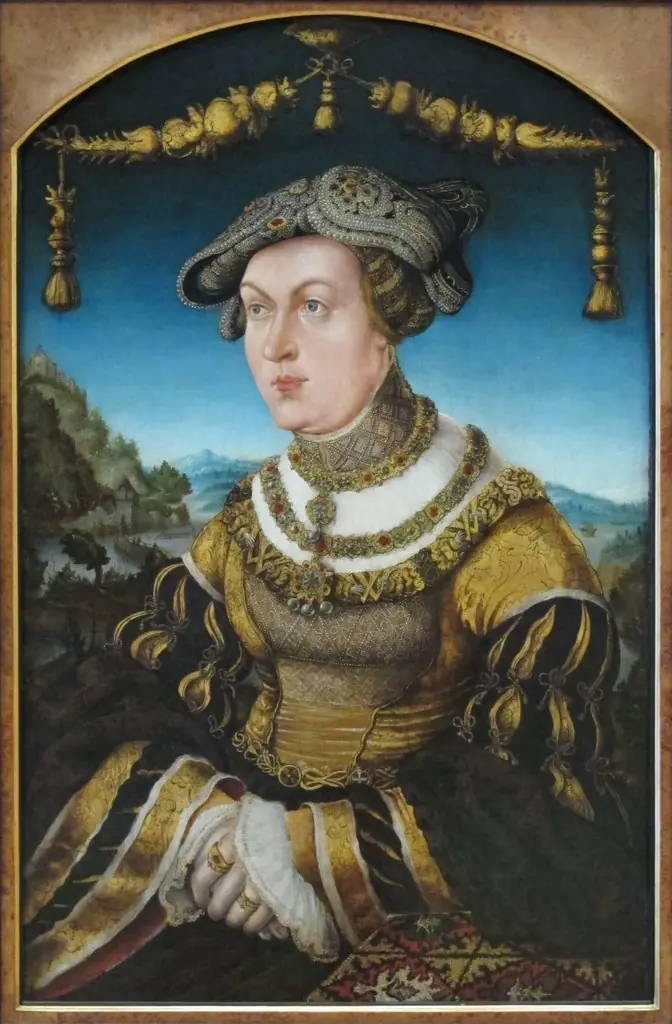 Portrait of Marie Jakobäa of Baden-Sponheim.
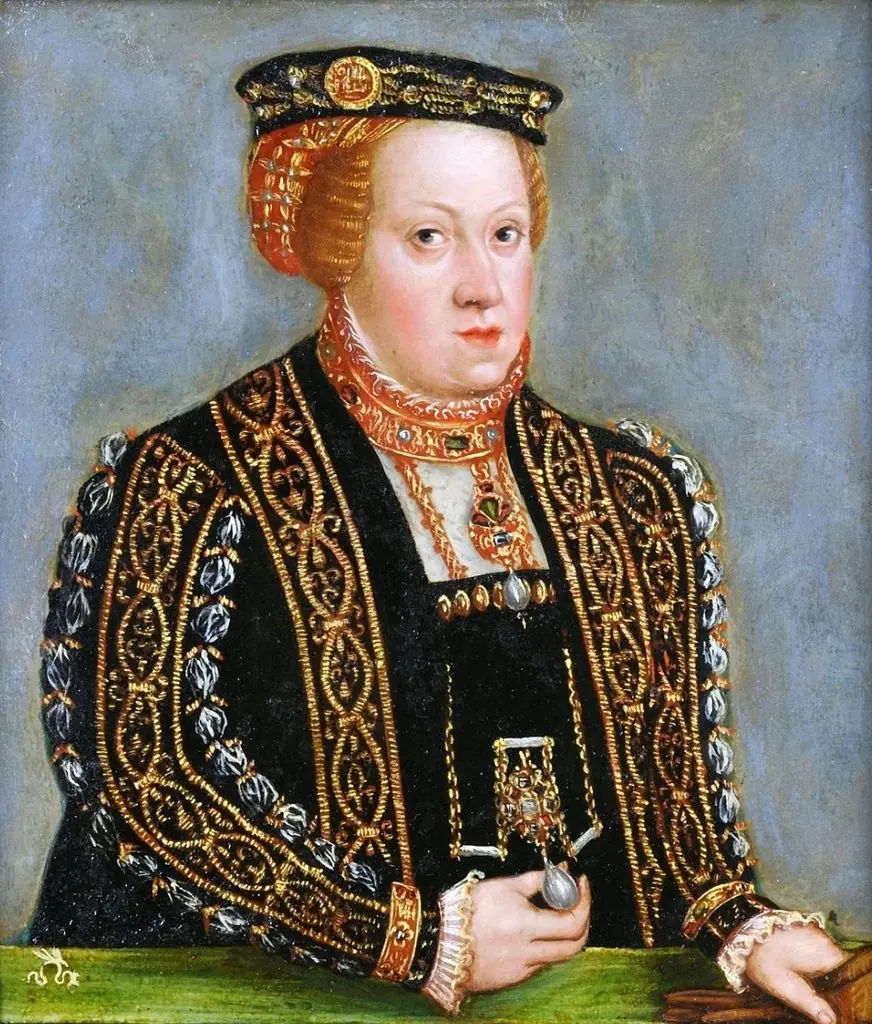 Catherine of Austria
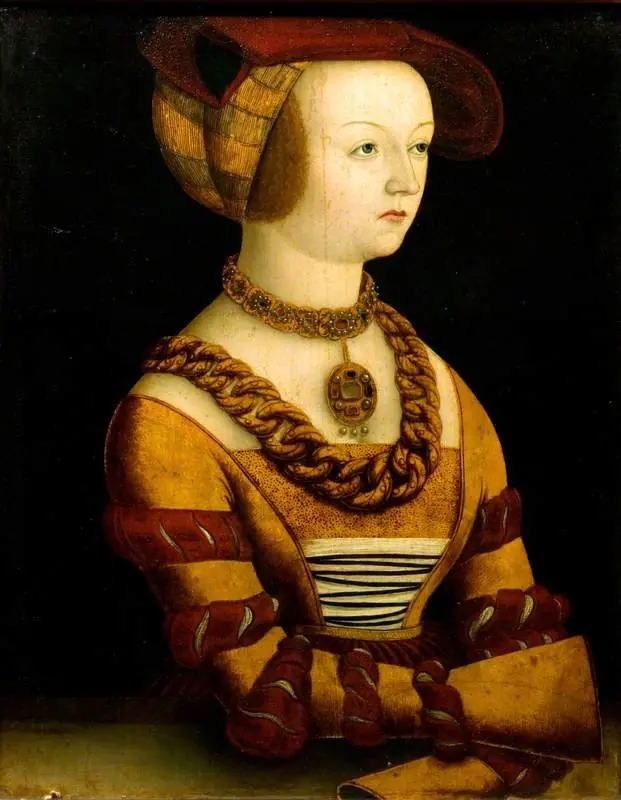 Portrait of a Lady in a Costume of c.1530
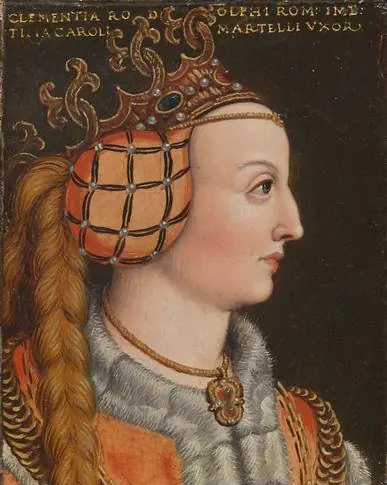 Clementia of Habsburg
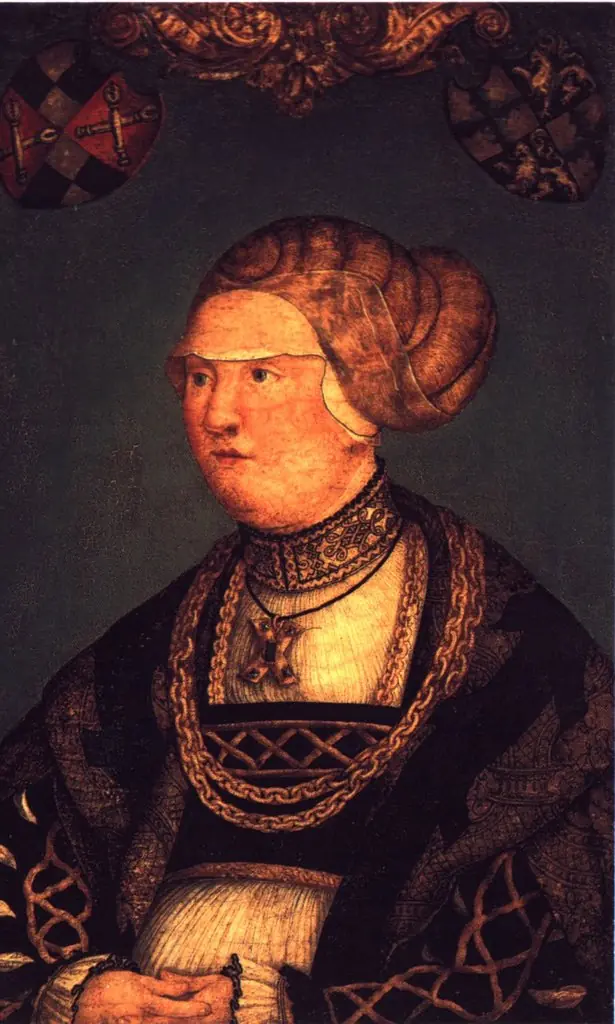 Painting of Johanna Corsselar van Witthem
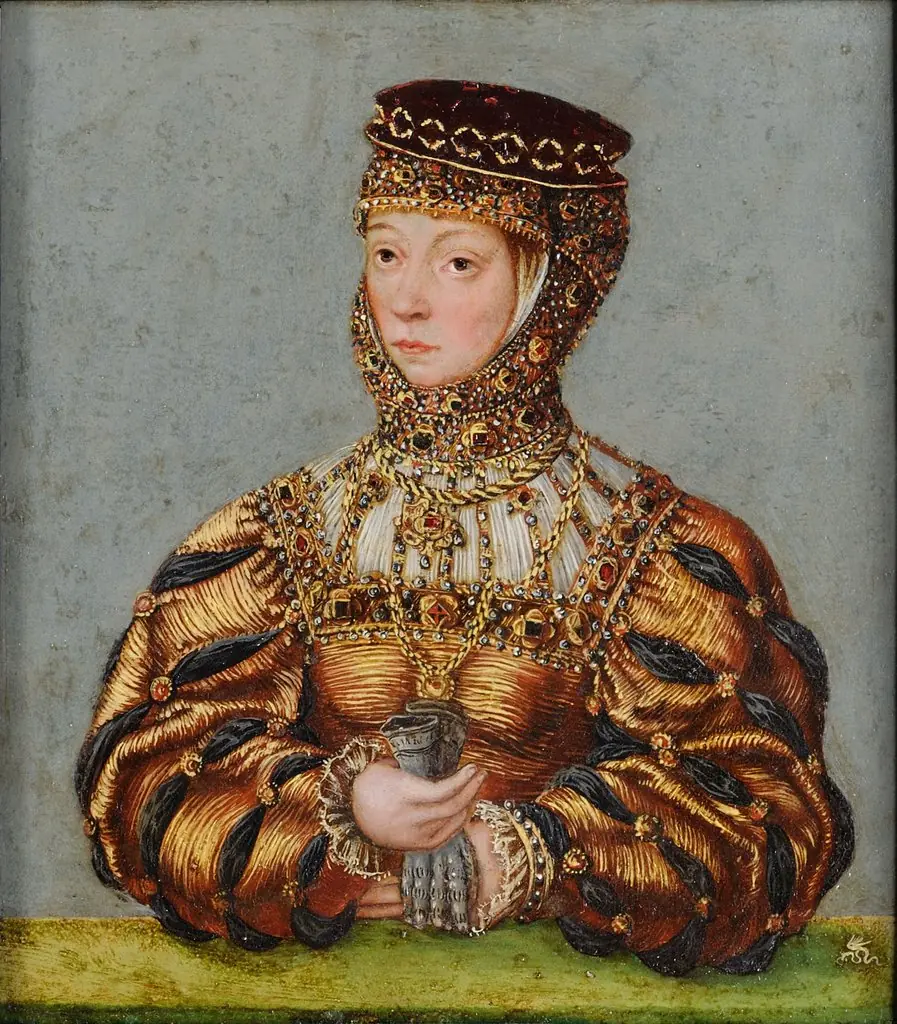 Barbara Radziwill
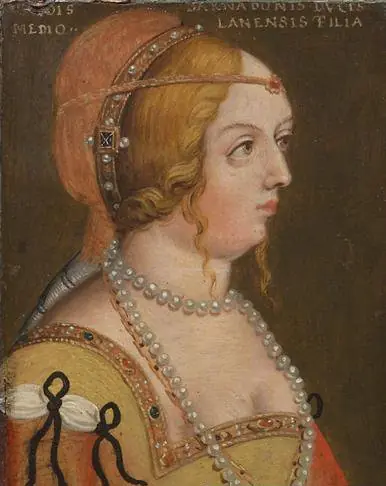 Portrait of Viridis Visconti (1352–1414)
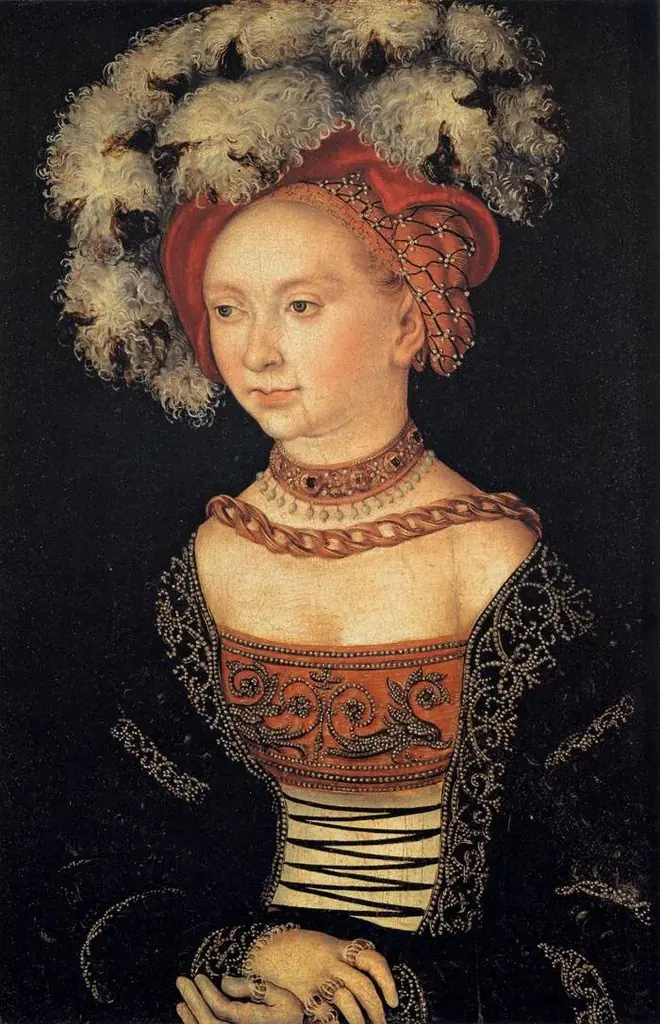 Female Portrait
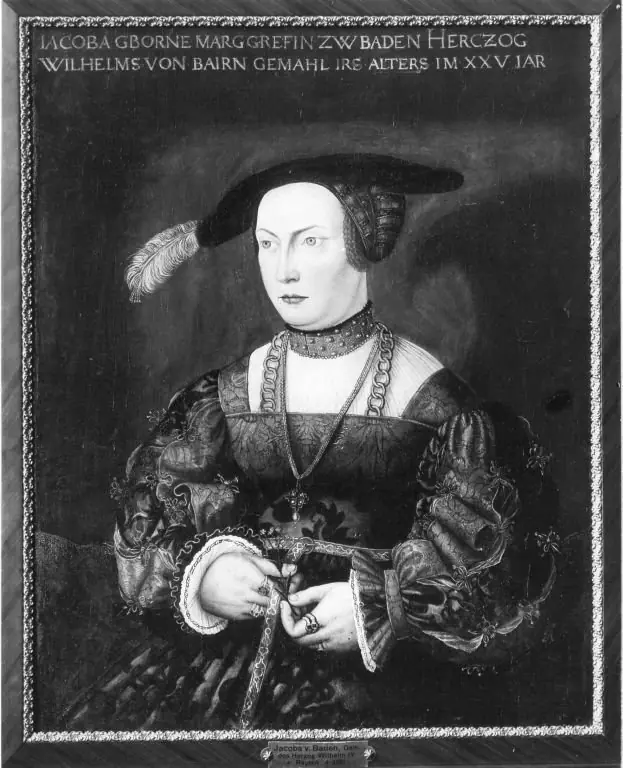 Maria Jakobäa, Gemahlin Herzog Wilhelms IV. von Bayern
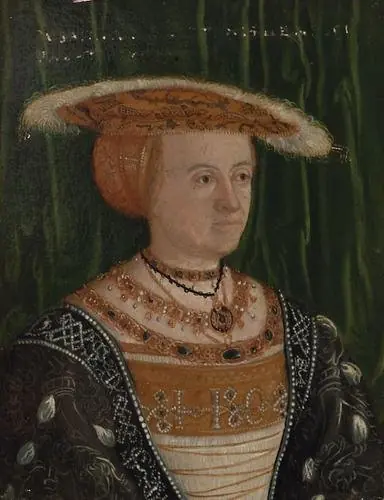 Bildnis der Susanna von Bayern