Artwork
Painting of Johanna Corsselar van Witthem
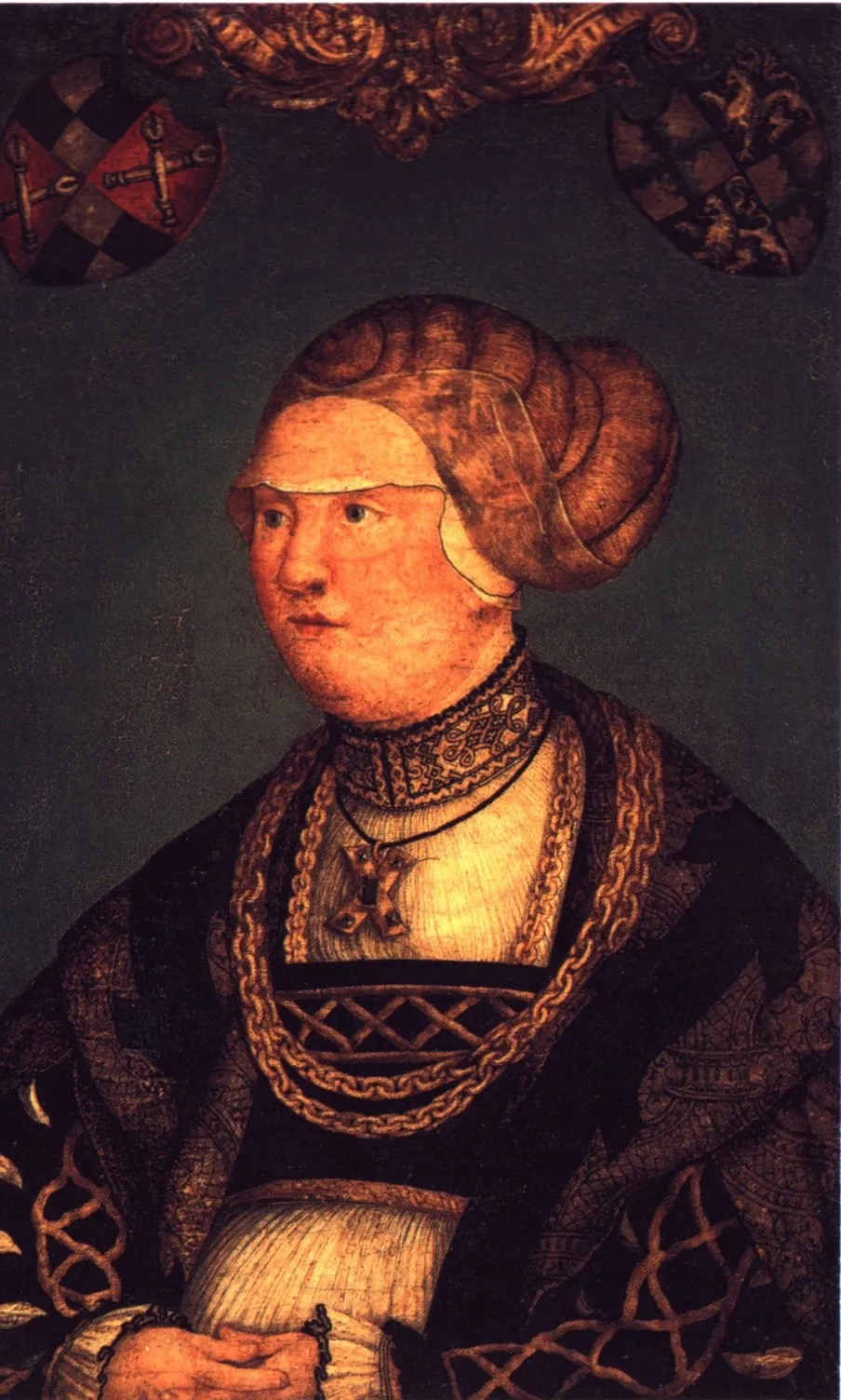
Painting of Johanna Corsselar van Witthem is a wood painting by the Northern Renaissance artist Master of Messkirch. It dates from 1520 and is held in the collection of the Vatican Museums. This portrait, dated around 1520, depicts Johanna Corsselar van Witthem, a woman of elevated social standing.
About this work
Overview
This portrait, dated around 1520, depicts Johanna Corsselar van Witthem, a woman of elevated social standing. Executed on softwood panel by an artist known as the Master of Messkirch, it is part of the Vatican Museums’ collection. The work exemplifies early 16th-century Northern European portraiture, emphasizing quiet dignity and meticulous observation over ornamentation.
Subject & Meaning
Johanna is portrayed in formal attire consistent with aristocratic women of the period: a dark gown, white undergarment, black cloak, and modest head covering. Her clasped hands convey composure and piety. The absence of overt symbols of status—such as jewelry or heraldry—suggests a preference for restrained elegance, reflecting both personal temperament and the values of her social circle.
Technique & Style
Fine brushwork captures the texture of fabric, skin, and hair, while the rendering of folds in the cloak demonstrates close attention to naturalistic detail.
The artist employs subtle chiaroscuro to model the face and hands, lending them a three-dimensional presence against a flat, dark background. Fine brushwork captures the texture of fabric, skin, and hair, while the rendering of folds in the cloak demonstrates close attention to naturalistic detail. The palette is muted, dominated by earth tones and contrasts of black and white, reinforcing the portrait’s solemn tone.
History & Provenance
The painting entered the Vatican Museums’ collection in the 19th century, though its earlier ownership remains undocumented. It is attributed to the Master of Messkirch, a name given to an anonymous artist active in southwestern Germany around the early 1500s. The work’s survival and preservation suggest it was valued by collectors long before its acquisition by the Vatican.
Context
Created during the height of the Northern Renaissance, the portrait aligns with trends in German and Netherlandish art that prioritized individual likeness and psychological presence. While religious themes dominated much of the period’s output, secular portraiture among the elite grew in prominence, serving as both personal record and social affirmation.
Legacy
As one of the few surviving works attributed to the Master of Messkirch, this portrait contributes to the understanding of regional artistic practices in early 16th-century Germany. Its restrained realism and focus on quiet introspection reflect broader shifts in portraiture toward psychological depth, influencing later generations of Northern European painters.
Artist & collection

![Margarethe Vöhlin [obverse], by Bernhard Strigel](https://artifactworldgallery.com/img/bernhard-strigel--margarethe-vohlin-obverse--435992056faaebf8-w320.webp) Margarethe Vöhlin [obverse]
Margarethe Vöhlin [obverse]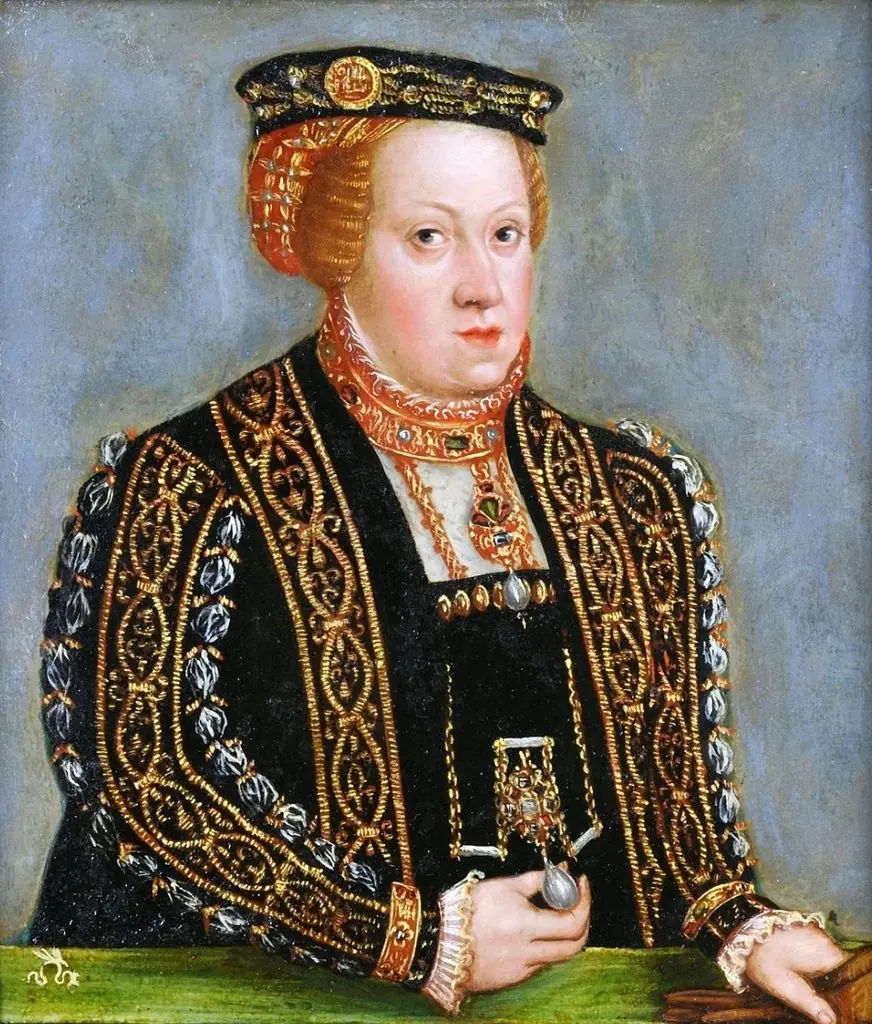 Catherine of Austria
 Ducesa Jacoba de Baden (1507-1580)
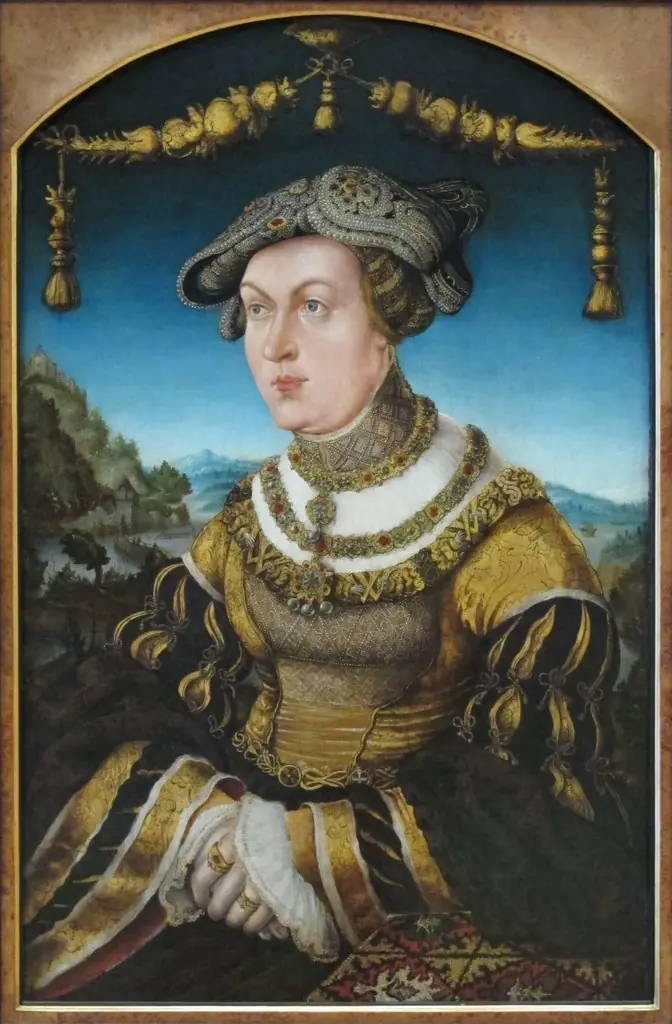 Portrait of Marie Jakobäa of Baden-Sponheim.
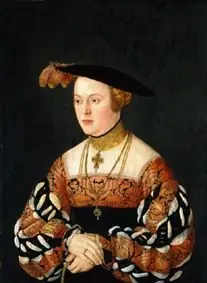 Portrait of Marie of Baden
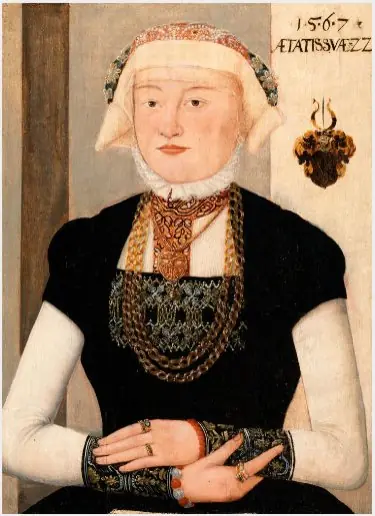 Portrait of a Woman Aged Twenty-Two
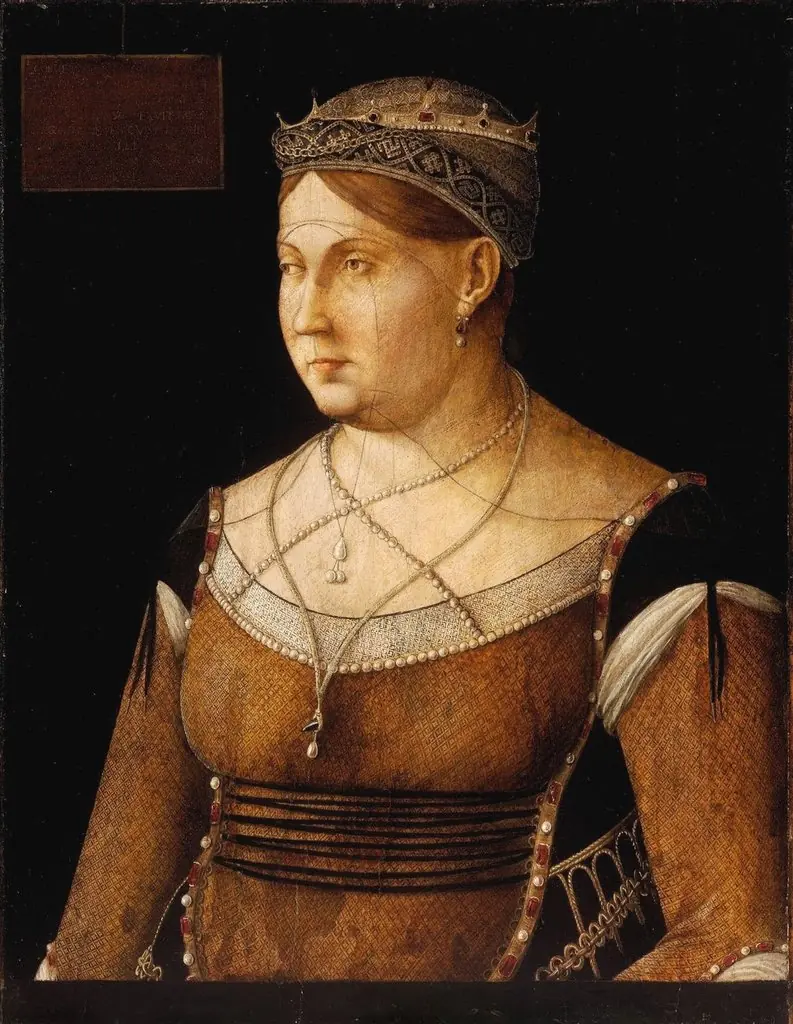 Portrait of Queen Caterina Cornaro
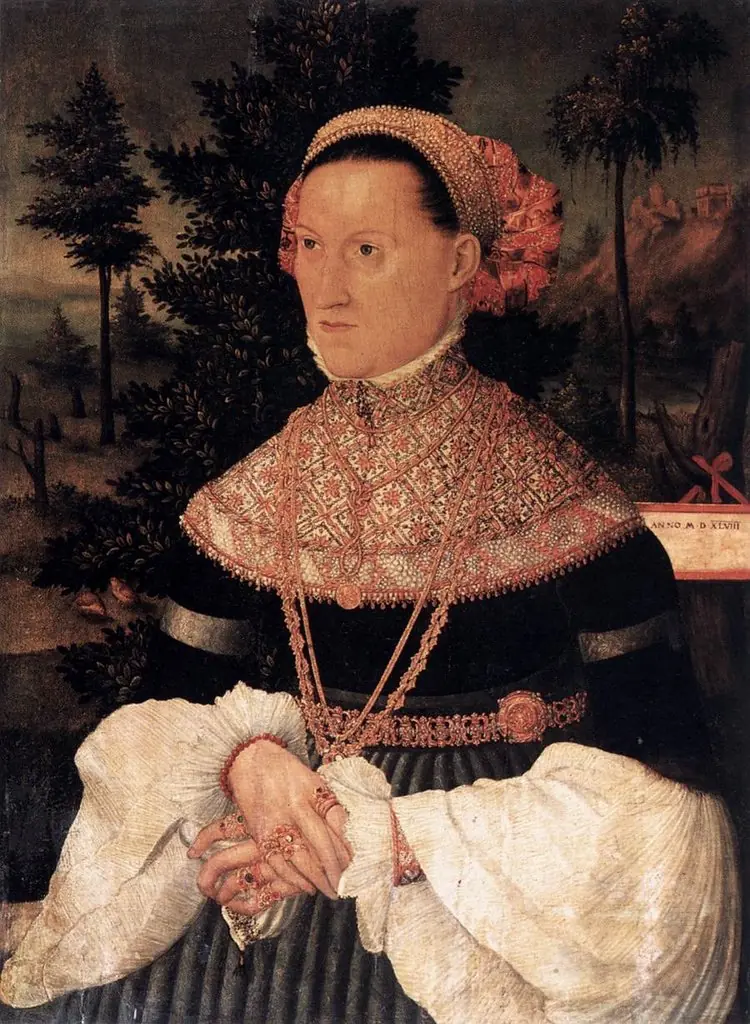 A Lady
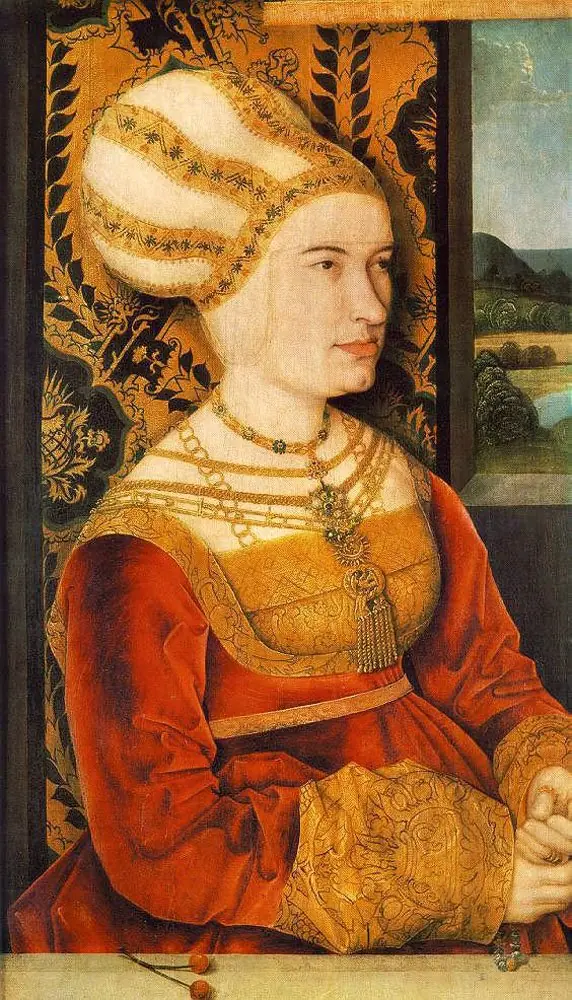 Portrait of Sibylla (or Sybilla) von Freyberg (born Gossenbrot)
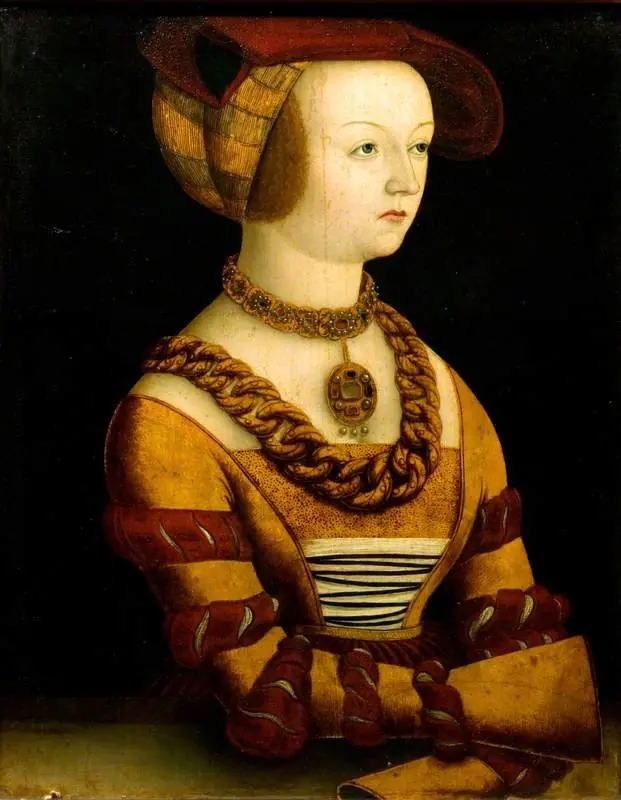 Portrait of a Lady in a Costume of c.1530
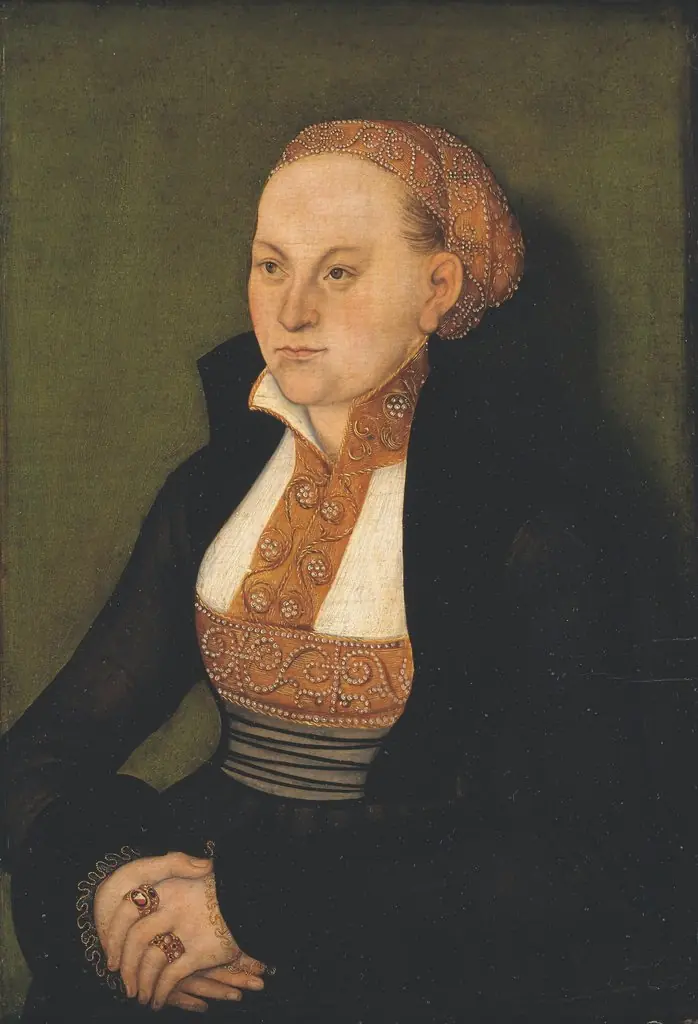 Portrait of a Lady
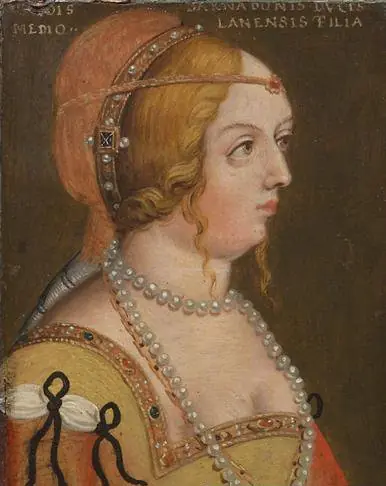 Portrait of Viridis Visconti (1352–1414)