Artwork
Clementia of Habsburg
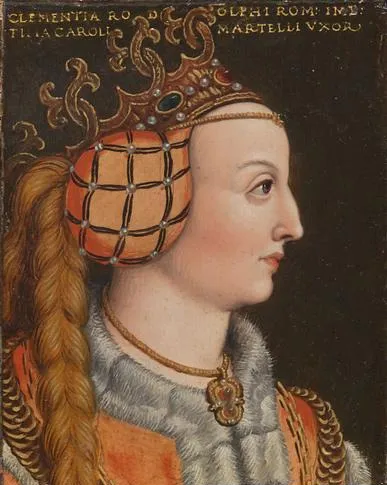
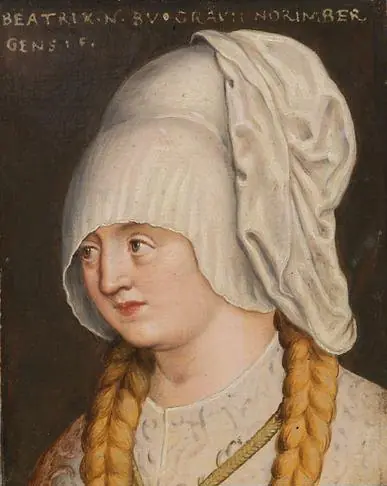
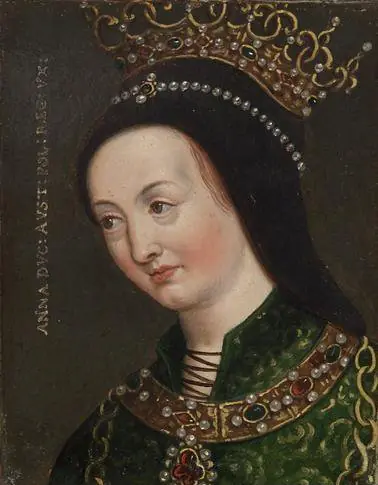
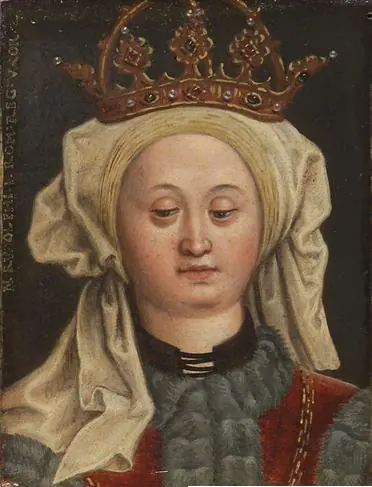
Clementia of Habsburg is an unspecified painting by Anton Boys. It dates from 1570 and is held in the collection of the Kunsthistorisches Museum.
About this work
Overview
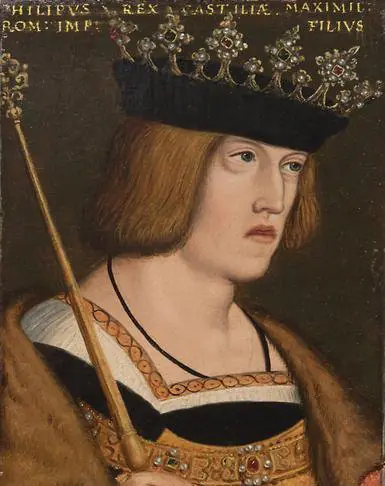
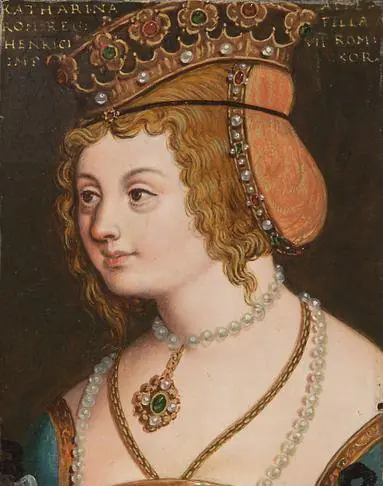
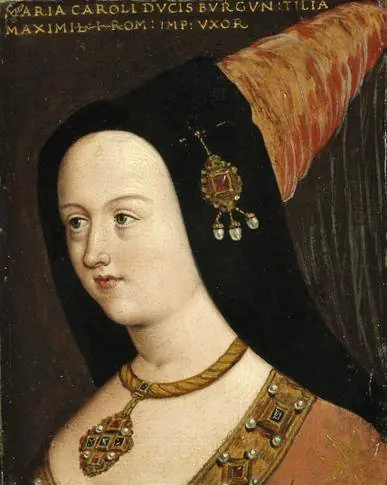
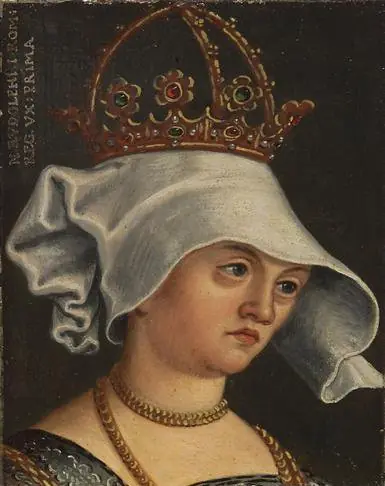
This portrait is one of many in the Kunsthistorisches Museum’s collection that visually codify Habsburg lineage and authority.
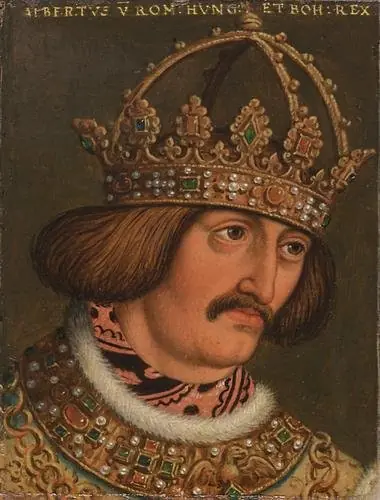
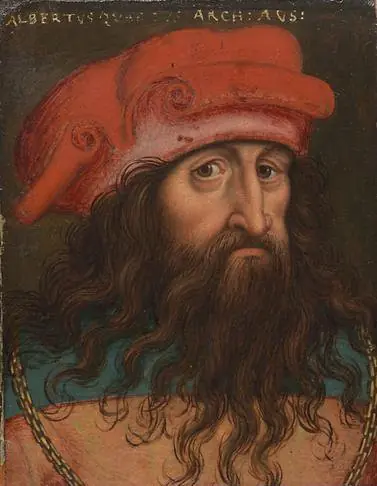
Anton Boys, a Flemish artist active in the late 1500s, painted *Clementia of Habsburg* circa 1570 as part of a dynastic portrait series commissioned by the Habsburg court. Trained in Antwerp, Boys served as court painter to Archduke Ferdinand II of Austria and traveled extensively across Europe, producing works that documented the imperial family’s public image. This portrait is one of many in the Kunsthistorisches Museum’s collection that visually codify Habsburg lineage and authority.
Subject & Meaning
The sitter is believed to be Clementia of Habsburg, a member of the Austrian branch of the dynasty. Her composed demeanor and ornate attire convey noble restraint and dynastic continuity. The portrait does not emphasize individual personality but rather the role of women in sustaining Habsburg prestige through marriage and lineage. Her stillness and formal presentation align with the era’s expectations of aristocratic virtue and decorum.
Technique & Style
Boys rendered the portrait with meticulous attention to textile detail and jewelry, using fine brushwork to capture the texture of pearls, metallic thread, and the rigid structure of the headdress. The color palette—orange, gray, and white—is restrained yet rich, with gold accents drawing focus to the necklace and headdress. The background is neutral, ensuring the figure remains the sole focus, a hallmark of court portraiture of the period.
History & Provenance
The painting was likely commissioned by Archduke Ferdinand II as part of a broader effort to visually archive Habsburg ancestry and alliances. It entered the imperial collection in Vienna and remains today in the Kunsthistorisches Museum, where it is grouped with other portraits by Boys and contemporaries. Its preservation reflects the Habsburgs’ institutional commitment to maintaining a visual record of their lineage.
Context
In the late 16th century, portraiture served as political tool as much as personal representation. Habsburg rulers employed artists like Boys to reinforce dynastic legitimacy across fragmented territories. Portraits of noblewomen, often less documented in writing, became vital symbols of familial connection and territorial alliances, especially through marriage networks that extended Habsburg influence across Europe.
Legacy
Boys’s portraits, including this one, contributed to a standardized visual language for Habsburg identity that endured into the 17th century. His work influenced later court painters in Central Europe and remains a key resource for understanding how aristocratic image-making functioned as statecraft. The painting endures not as a likeness of an individual, but as a component of a larger dynastic archive.
Artist & collection
Artist
Anton Boys or Anton Waiss (born between 1530 and 1550 – died after 1593) was a Flemish painter, draughtsman and printmaker who after training in Antwerp had an international career, which brought him to Italy, Spain, Prague, Innsbruck and…