Artwork
The Crucifixion
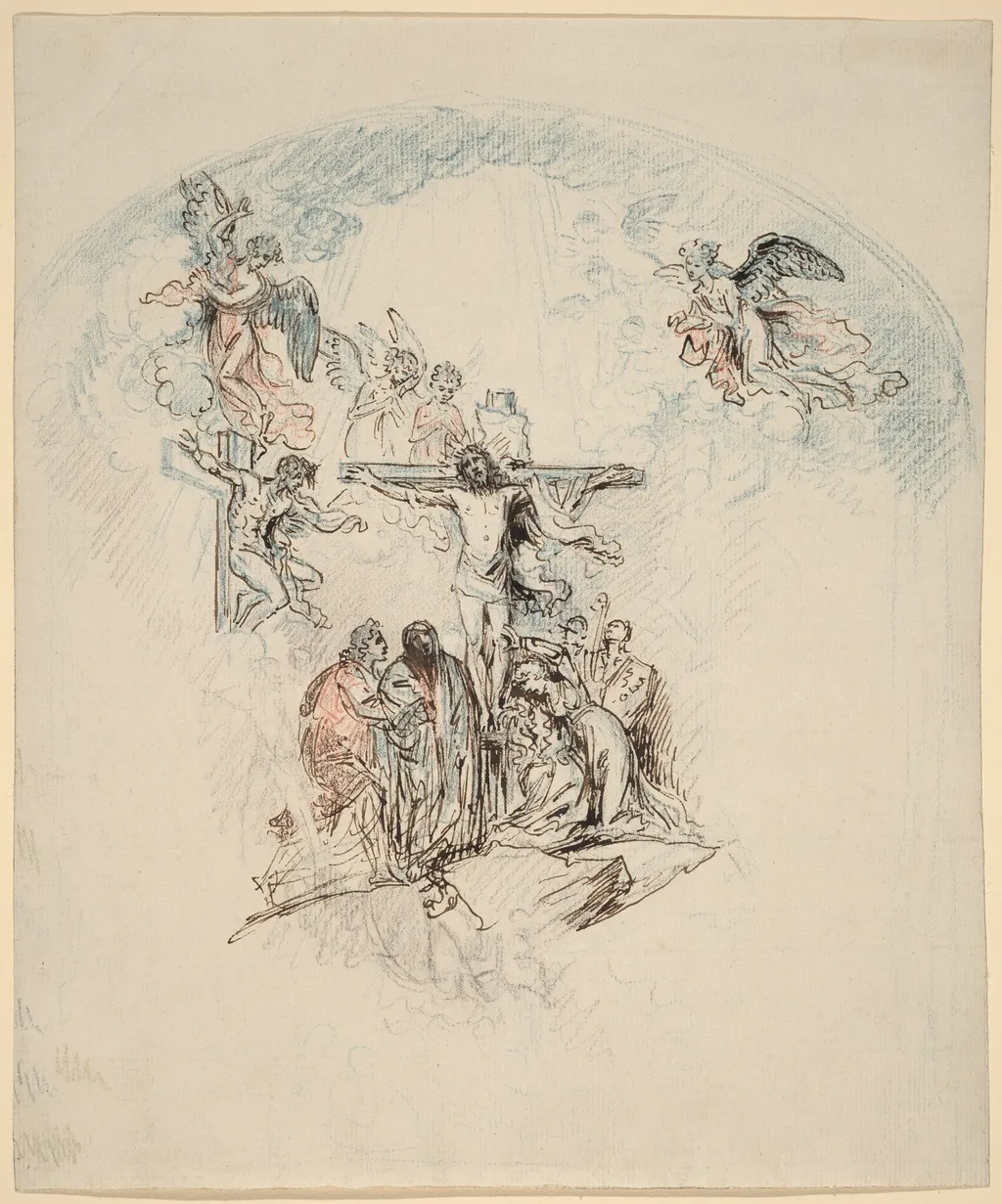
The Crucifixion is an ink drawing by the Romanticist artist Benjamin West. It dates from 1796 and is held in the collection of the National Gallery of Art.
About this work
Overview
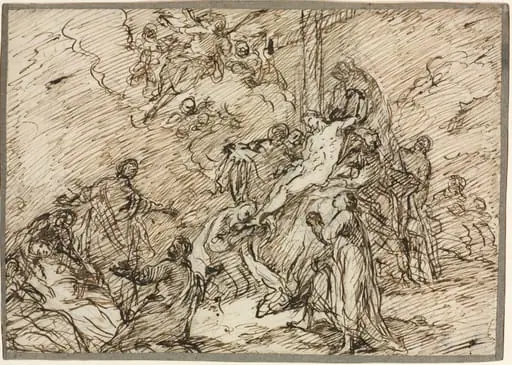
Benjamin West’s 1796 drawing titled The Crucifixion presents a compact, pen‑and‑ink composition on laid paper, accented with touches of blue, black and red chalk. The work captures the moment of Christ on the cross, surrounded by a tumultuous assembly of figures and hovering angels, rendered in swift, expressive lines that convey immediacy.
Subject & Meaning
The central figure is the crucified man, his body nailed to the cross, while a crowd of onlookers—some kneeling, others looking upward—encircles the scene. Above, winged angels float, suggesting a spiritual dimension that contrasts with the earthly turmoil below, emphasizing the tension between divine sacrifice and human reaction.
Technique & Style
West employed pen and brown and black ink for the primary outlines, supplementing the drawing with blue, black and red chalk to model form and suggest light. The sketch’s loose, rapid strokes and cross‑hatching create depth, while the limited palette of color highlights key elements without overwhelming the overall tonal balance.
History & Provenance
Created in 1796, the drawing belongs to West’s later period, when he increasingly explored religious subjects through preparatory sketches. The work remains a study rather than a finished painting, illustrating his process in developing larger compositions for public display.
Context
West, a prominent American expatriate working in Britain, was known for grand historical and religious scenes. This drawing reflects the late 18th‑century interest in dramatic biblical narratives, aligning with contemporary tastes for emotive, theatrical representations of sacred events.
Legacy
Although a preparatory work, The Crucifixion offers insight into West’s compositional planning and his use of limited color to enhance narrative impact. It continues to be referenced in studies of his method and the broader evolution of religious illustration in the period.
Artist & collection

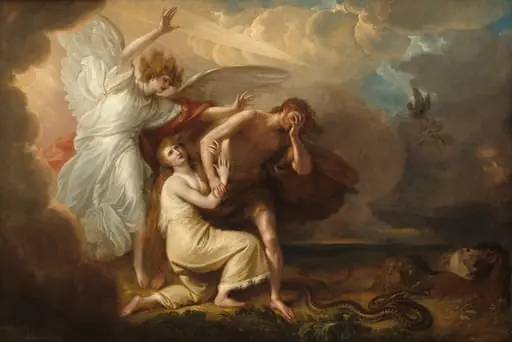 The Expulsion of Adam and Eve from Paradise
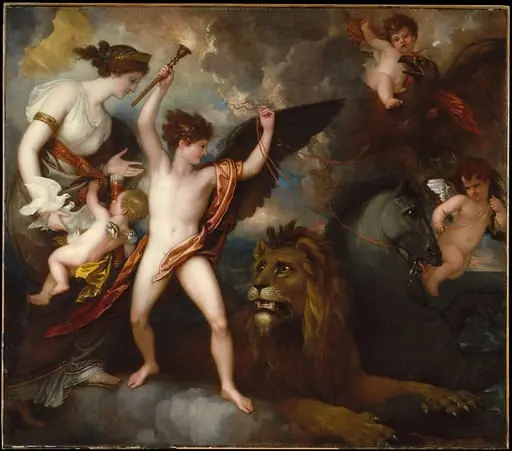 Omnia Vincit Amor, or The Power of Love in the Three Elements
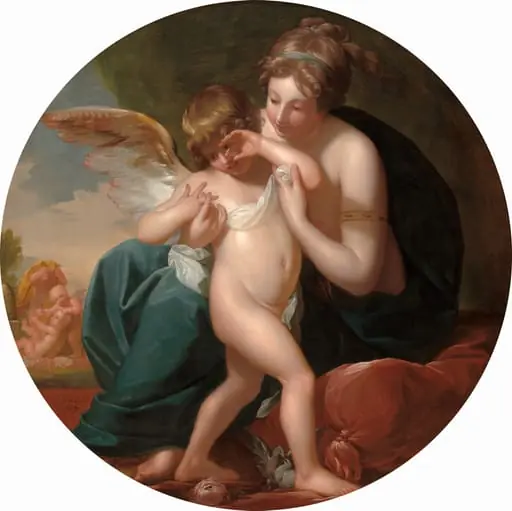 Cupid, Stung by a Bee, Is Cherished by his Mother
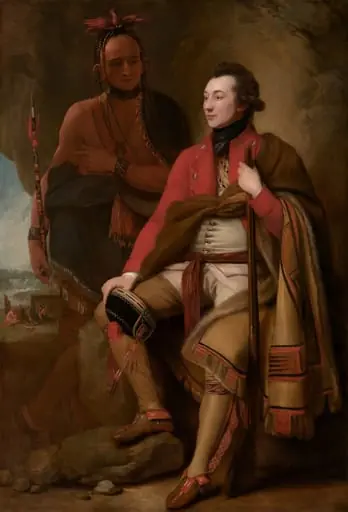 Colonel Guy Johnson and Karonghyontye (Captain David Hill)
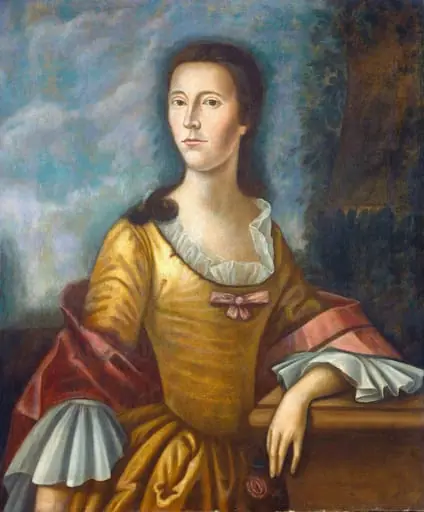 Mary Bethel Boude (Mrs. Samuel Boude)
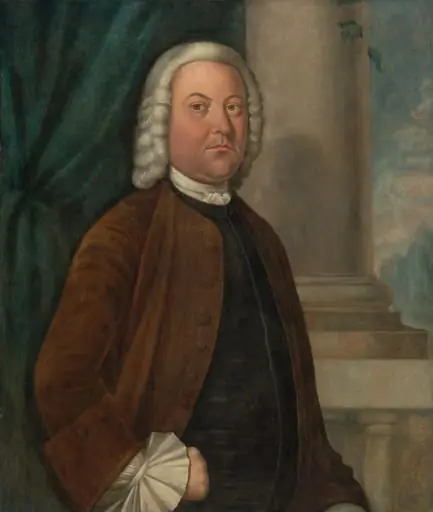 Dr. Samuel Boude
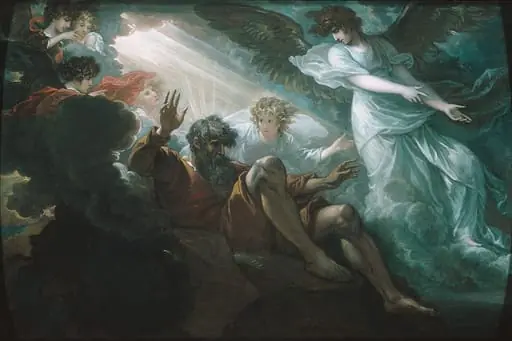 Moses Shown the Promised Land
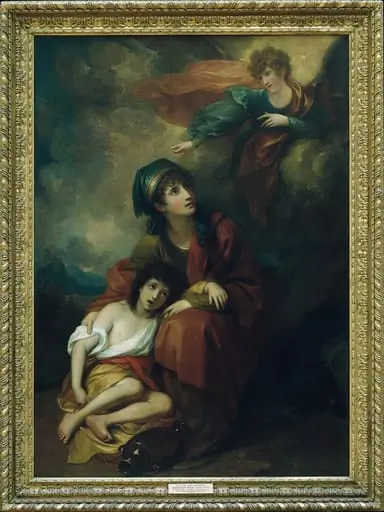 Hagar and Ishmael
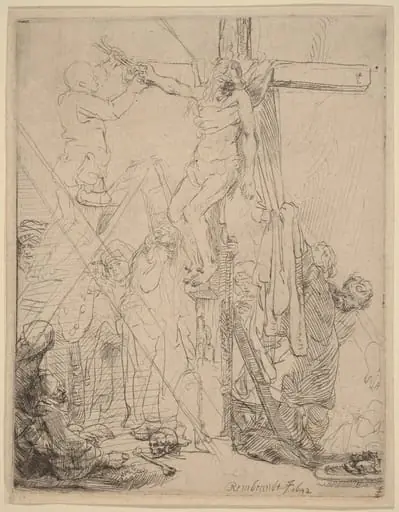 The Descent from the Cross: a Sketch
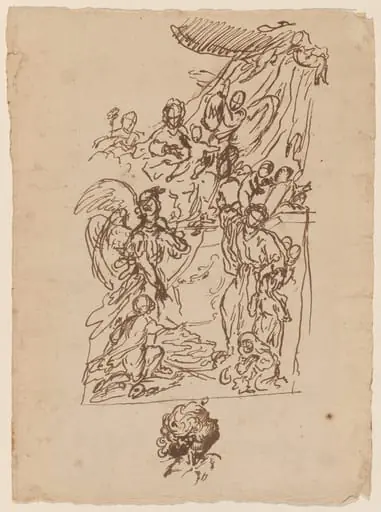 The Madonna and Child Seated on a Dais with Tobias and the Angel and a Saint Presenting Two Children
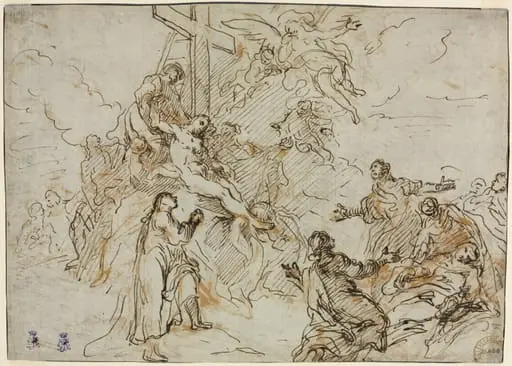 The Deposition (verso)
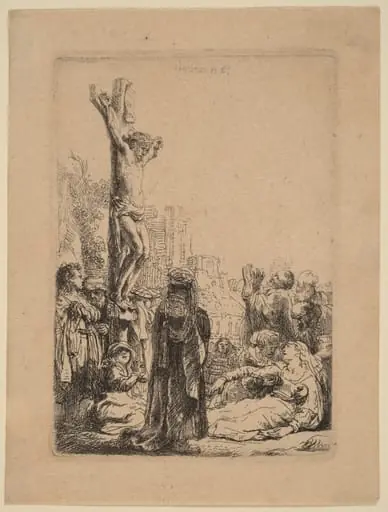 The Crucifixion: Small Plate
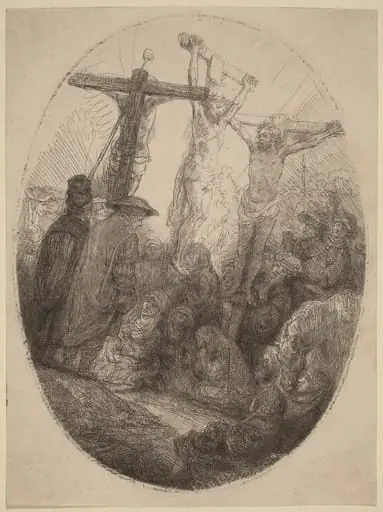 Christ Crucified between the Two Thieves: an Oval Plate
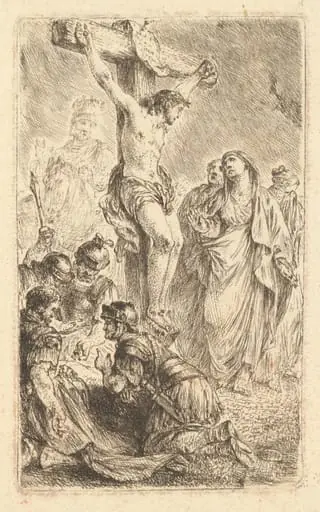 Christ on the Cross
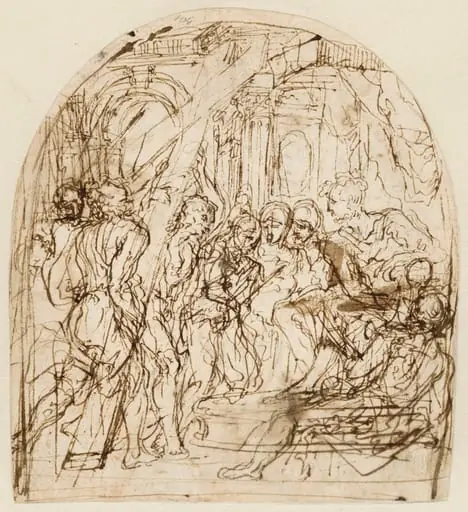 Christ Carrying the Cross
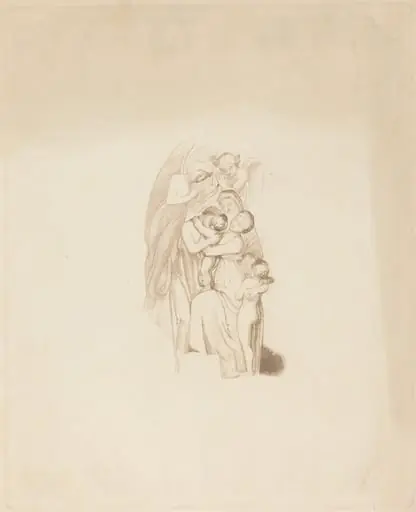 Holy Family? with Angels
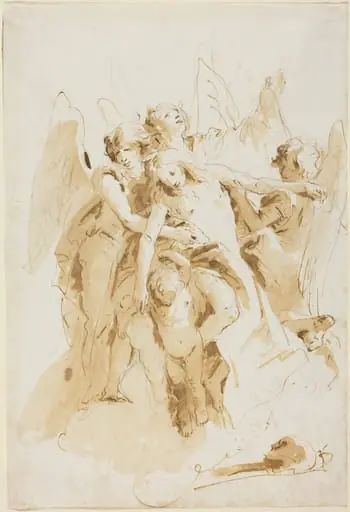 Saint Mary Magdalene Lifted by Angels
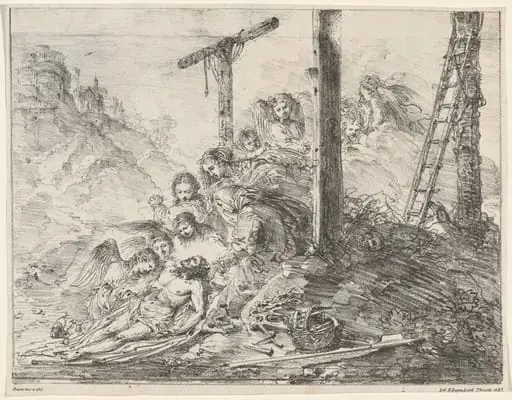 The Deposition
 The Deposition (recto)
![The Ecstasy of Saint Francis [recto], by Sebastiano Ricci](https://artifactworldgallery.com/img/sebastiano-ricci--the-ecstasy-of-saint-francis-recto--5f53f9b59775e5dd-w320.webp) The Ecstasy of Saint Francis [recto]
The Ecstasy of Saint Francis [recto]