Artwork
Cap de bătrân
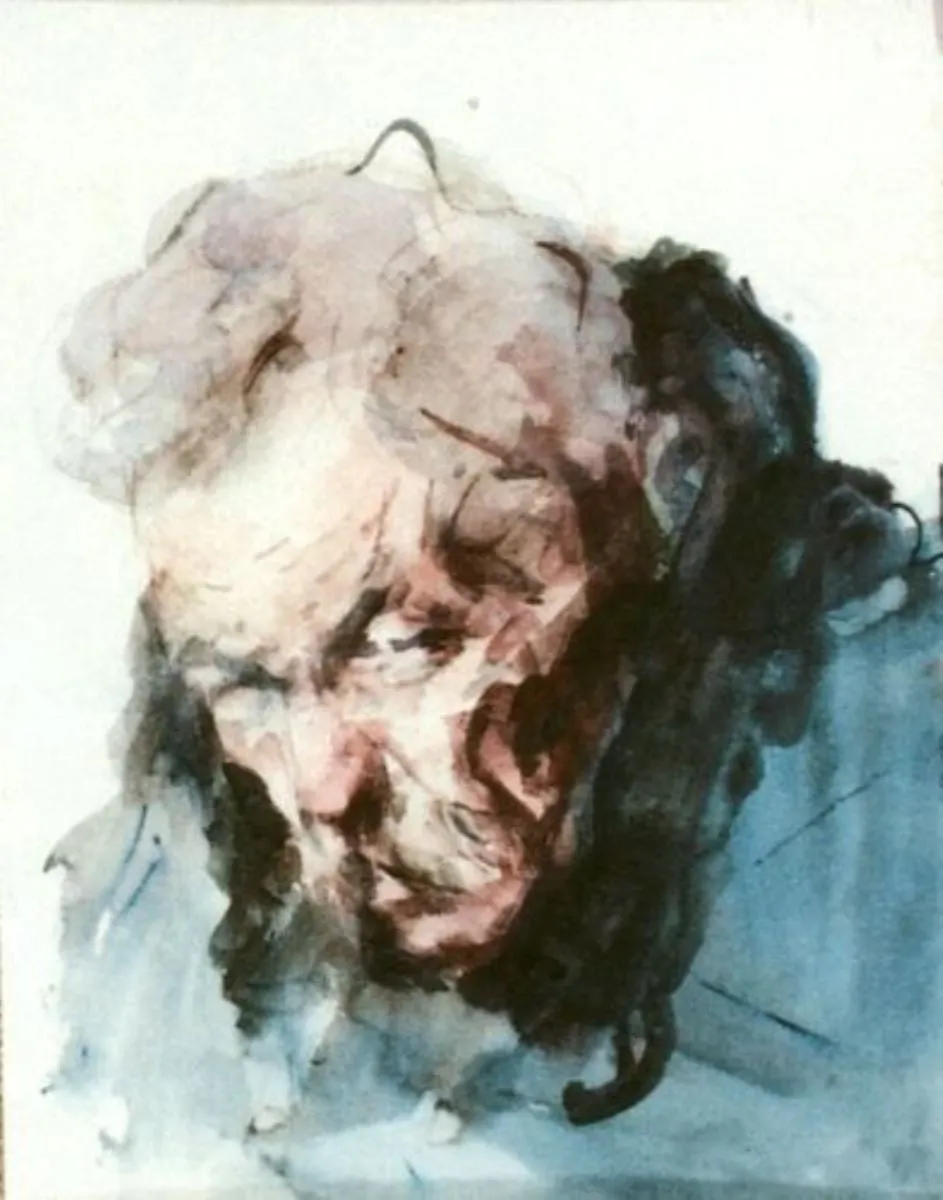
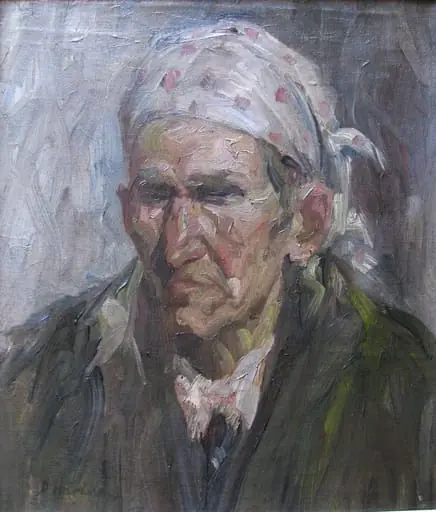
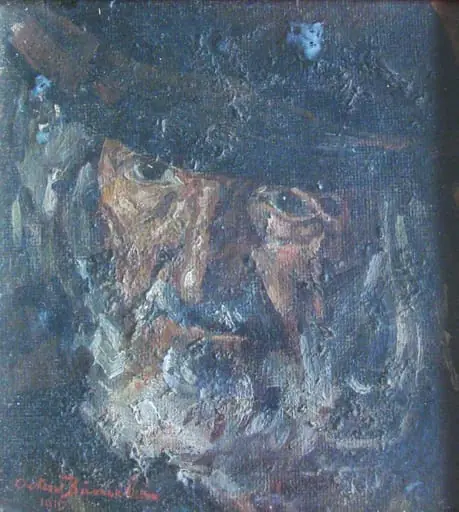
Cap de bătrân is an unspecified painting by Arnold Max Wexler. It is held in the collection of the National Museum of Art of Romania. This portrait presents a tightly framed view of an elderly man’s face, rendered with direct, unidealized intensity.
About this work
Overview
This portrait presents a tightly framed view of an elderly man’s face, rendered with direct, unidealized intensity. The composition eliminates context, focusing solely on the textures of aged skin and sparse, unkempt hair. The plain, indistinct background ensures all attention remains on the subject’s expression and physicality, creating an intimate, almost confrontational presence.
Subject & Meaning
The figure’s half-lidded eyes and slackened features suggest weariness, perhaps resignation. There is no narrative or symbolic element beyond the physicality of aging—no hint of status, emotion, or story. The portrait’s power lies in its refusal to soften or romanticize; it presents aging as a quiet, inevitable condition, observed without judgment or embellishment.
Technique & Style
Thick, uneven brushstrokes apply paint in a tactile, almost crude manner, emphasizing surface over polish. The impasto technique builds texture in the wrinkles and contours of the face, making the skin feel tangible. The lack of blending or refinement rejects traditional idealization, instead favoring immediacy and material presence as a means of truthful representation.
History & Provenance
The work’s origins are undocumented, with no known artist, date, or exhibition history. It appears to be a standalone study, possibly a private exercise or fragment from a larger body of work. Its anonymity and raw execution suggest it was not intended for public display, but rather as a direct engagement with form and texture.
Context
This piece aligns with late 19th- and early 20th-century tendencies to depict ordinary or marginalized subjects with unvarnished realism. While not part of a known movement, its approach echoes the interests of artists exploring the human condition through physical detail, rejecting academic conventions in favor of sensory truth over polished finish.
Legacy
Though not widely recognized, the painting exemplifies a quiet tradition of portraiture that values authenticity over beauty. Its influence, if any, lies in its demonstration of how raw technique can convey psychological depth without narrative. It remains a study in the expressive potential of paint’s physicality and the dignity of unadorned observation.
Artist & collection
Artist
Arnold Max Wexler made drawings and paintings of everyday scenes and landscapes around the 1930s–40s.