Artwork
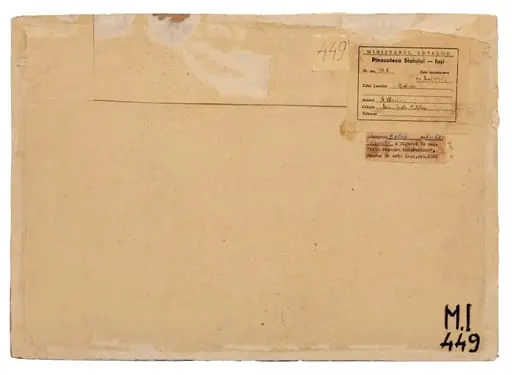
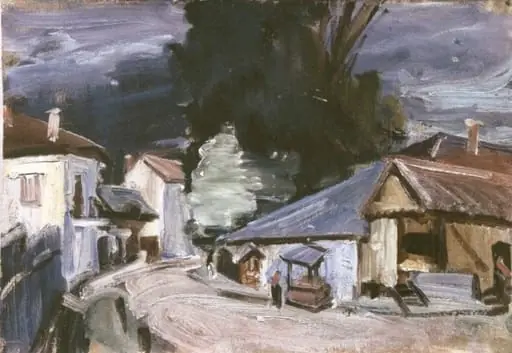
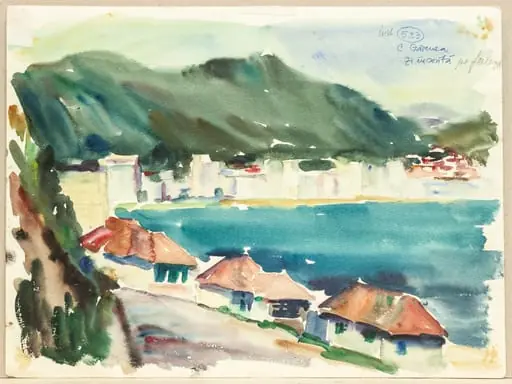
Balcic; Peisaj panoramic (verso)
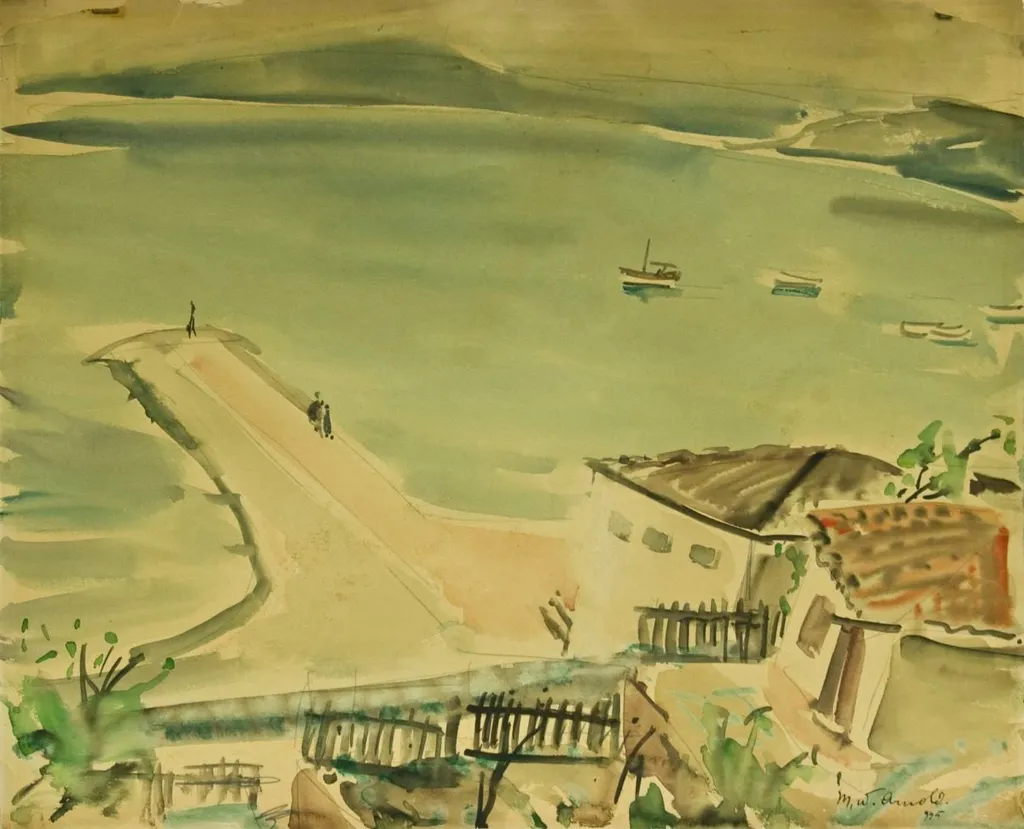
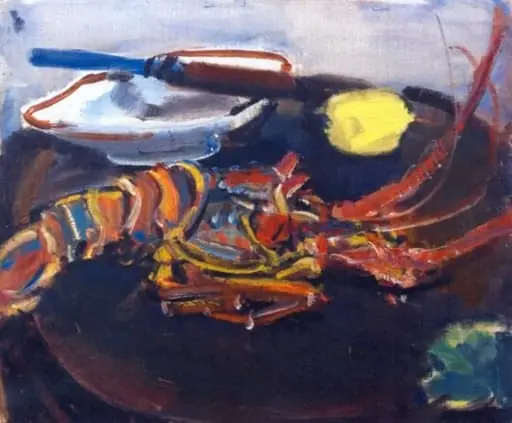
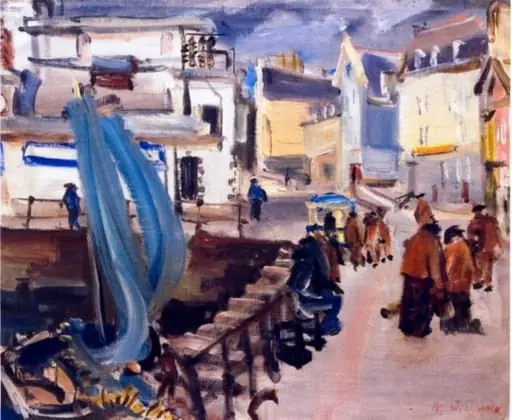
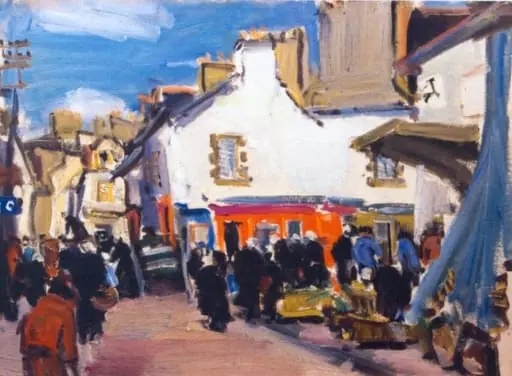
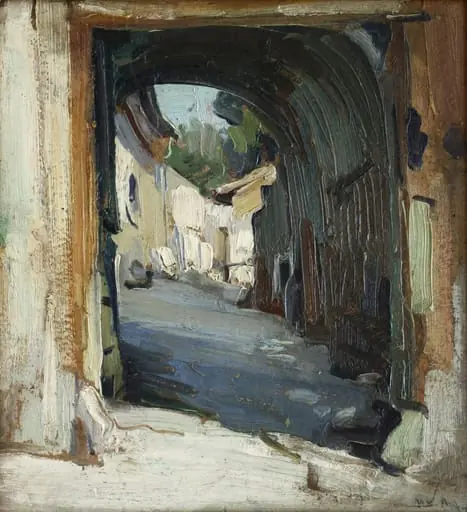
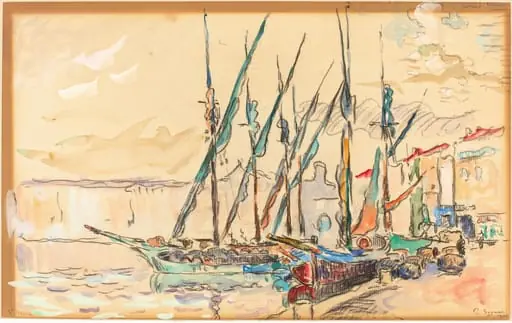
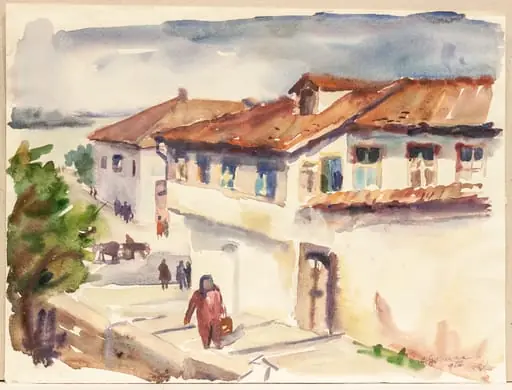
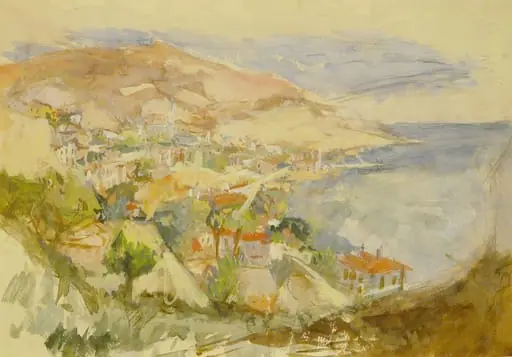
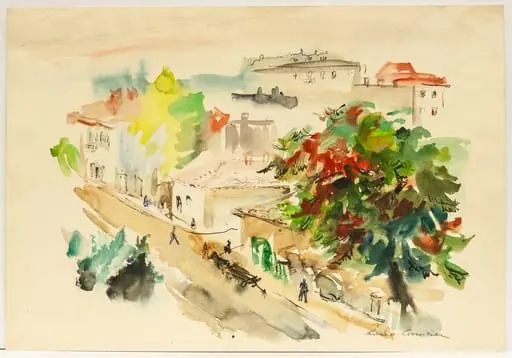
Balcic; Peisaj panoramic (verso) is an unspecified painting by Arnold Max Wexler. It dates from 1945 and is held in the collection of the Gavrilă Simion Eco-Museum Research Institute Tulcea - Art Museum.
About this work
Overview
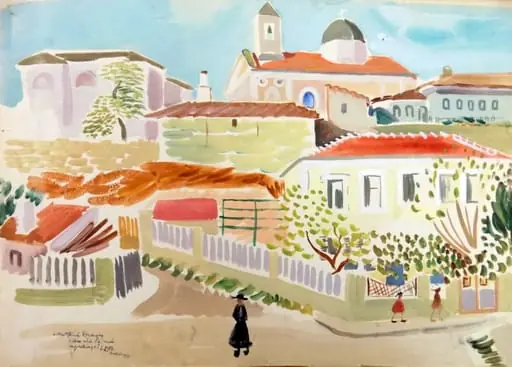
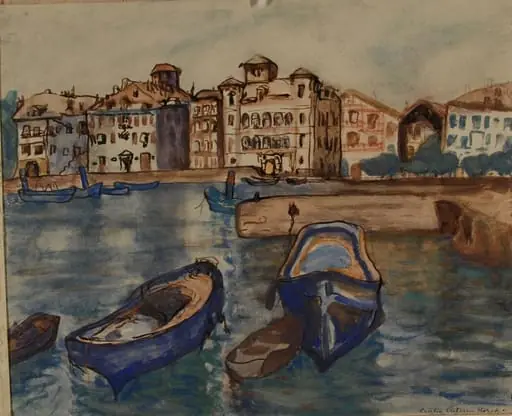
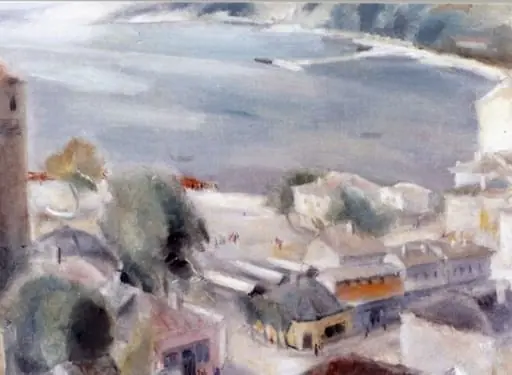
The composition emphasizes stillness, with minimal human presence and a restrained color scheme that reinforces its contemplative tone.
Created in 1945 by Arnold Max Wexler, this landscape painting depicts a quiet coastal scene near Balcic. The work is held in the collection of the Museum of Ethnography. Its verso side carries the title 'Peisaj panoramic,' suggesting a deliberate framing of the view as a broad, horizontal expanse. The composition emphasizes stillness, with minimal human presence and a restrained color scheme that reinforces its contemplative tone.
Subject & Meaning
The painting centers on a long, linear dock jutting into calm water, with a few figures standing quietly along its length. Distant boats and modest buildings frame the horizon, while trees and foliage soften the edges of the scene. The absence of movement or dramatic action suggests an intentional withdrawal from urban energy. The scene evokes a moment of pause, perhaps reflecting postwar longing for quietude or personal reflection.
Technique & Style
Wexler employs muted tones of olive green, soft blue, and earthy brown to unify the composition. Brushwork is subdued, with no sharp contrasts or bold strokes. The horizon line is low, allowing the water and sky to dominate, while the dock acts as a stabilizing horizontal element. Light is diffused, eliminating harsh shadows, and forms are rendered with gentle gradations, enhancing the painting’s tranquil mood.
History & Provenance
The painting entered the Museum of Ethnography’s collection after its creation in 1945, though specific acquisition details are not widely documented. Its placement in an ethnographic institution, rather than a fine arts museum, may reflect an interest in documenting regional life or vernacular landscapes of the period. The work’s modest scale and unassuming subject suggest it was not intended for public display at the time of creation.
Context
Painted shortly after the end of World War II, the work resonates with a broader cultural shift toward introspection and recovery. Balcic, a Black Sea resort town, had been a site of leisure before the war; its depiction here, stripped of activity, may signal a retreat from past disruptions. The painting aligns with regional tendencies in Eastern European art to find meaning in quiet, everyday environments rather than grand narratives.
Legacy
Though not widely exhibited or reproduced, the painting remains a quiet example of postwar Romanian landscape painting. Its presence in the Museum of Ethnography underscores its value as a record of place and atmosphere rather than artistic innovation. It contributes to a lesser-known body of work that prioritizes emotional resonance over stylistic experimentation, offering insight into personal responses to historical upheaval.
Artist & collection
Artist
Arnold Max Wexler made drawings and paintings of everyday scenes and landscapes around the 1930s–40s.
Museum
Gavrilă Simion Eco-Museum Research Institute Tulcea - Art Museum
Continue through works from the same source collection.