Artwork
Bibi Lalouette
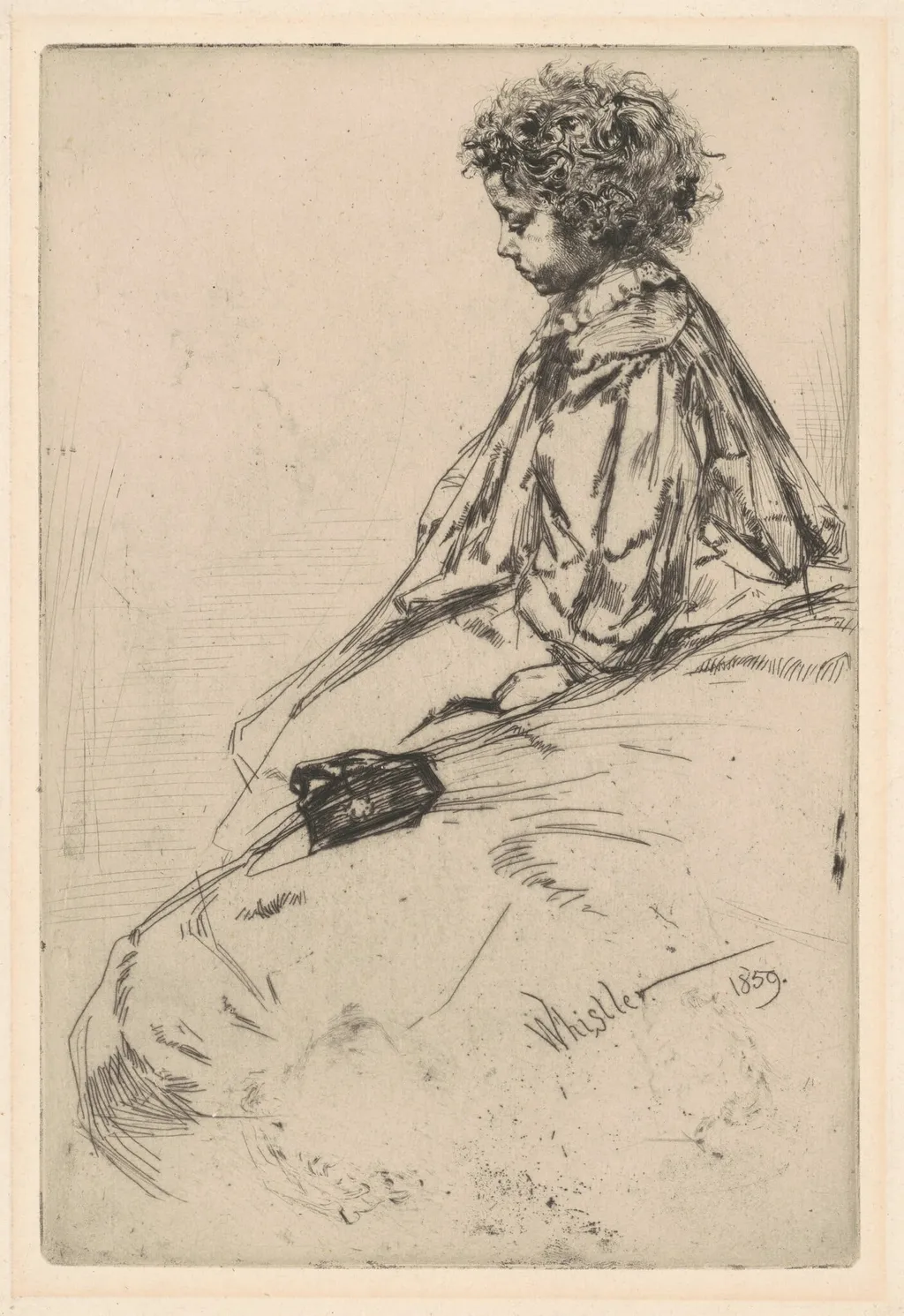
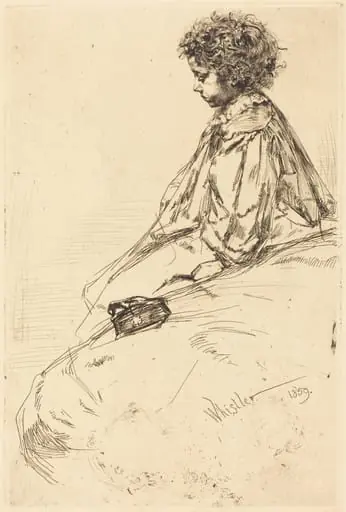
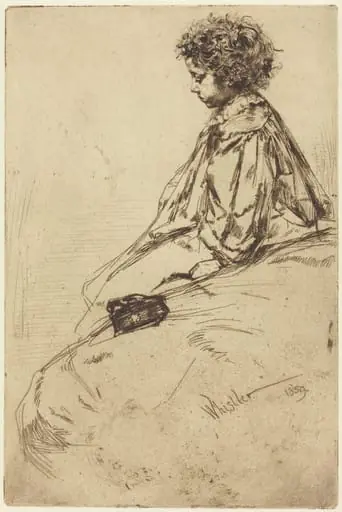
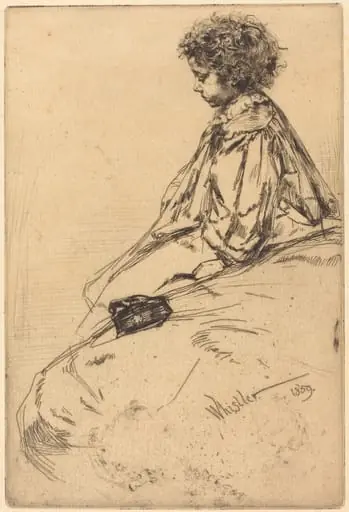
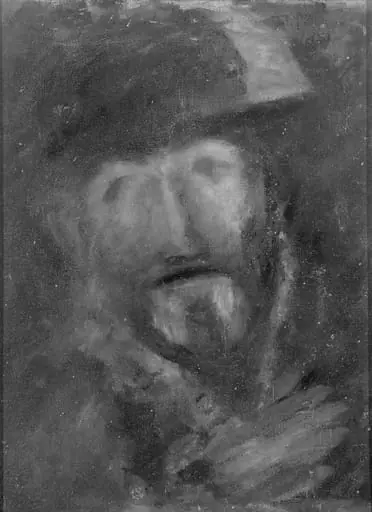
Bibi Lalouette is an ink print by the Impressionist artist James McNeill Whistler. It dates from 1859 and is held in the collection of the National Gallery of Art.
About this work
Overview
Created in 1859 by James McNeill Whistler, Bibi Lalouette is one of approximately forty etchings and drypoints he produced during his early career.
Created in 1859 by James McNeill Whistler, Bibi Lalouette is one of approximately forty etchings and drypoints he produced during his early career. Executed in black ink on laid paper, the work combines the fine lines of etching with the rich, velvety texture of drypoint. The image captures a seated woman in profile, rendered with minimal background elements to emphasize form and presence. A faint thumbprint near the margin suggests the artist’s direct handling of the plate.
Subject & Meaning
The subject is a woman, identified by the title as Bibi Lalouette, depicted in a quiet, composed pose. Her curled hair frames a serene facial profile, suggesting introspection rather than narrative. Whistler avoids theatricality or emotional exaggeration, focusing instead on the quiet dignity of the figure. The title, possibly a personal or whimsical reference, adds ambiguity, inviting interpretation without prescribing meaning.
Technique & Style
Whistler employed etching to define the contours and drypoint to deepen shadows and texture, particularly in the hair and clothing. The drypoint’s burr creates soft, blurred lines that enhance the tactile quality of the image. The background is reduced to a few sparse, suggestive strokes, isolating the figure. The paper’s texture and the artist’s thumbprint reveal the handmade nature of the print, reflecting his interest in the physicality of the medium.
History & Provenance
Bibi Lalouette was made during Whistler’s formative years in London, when he was exploring printmaking alongside his painting. Fewer than fifty such prints survive from this period, making them rare. The work likely circulated among collectors and artists in his circle, though its early ownership is undocumented. The presence of the thumbprint suggests it was pulled from the plate by the artist himself, reinforcing its intimate, personal character.
Context
In the late 1850s, Whistler was influenced by Japanese prints and the French Realist tradition, both of which favored simplicity and selective detail. His focus on a single figure against an empty ground aligns with these trends. Unlike narrative-driven illustrations of the time, Bibi Lalouette prioritizes mood and form, reflecting Whistler’s emerging aesthetic of art for art’s sake.
Legacy
Bibi Lalouette exemplifies Whistler’s early commitment to printmaking as a serious artistic medium, not merely reproductive. Its restrained composition and technical precision influenced later generations of printmakers who valued subtlety over spectacle. Though not widely exhibited, it remains a key example of his experimental phase, bridging his academic training and mature style.
Own this work as a print
Artist & collection
Artist
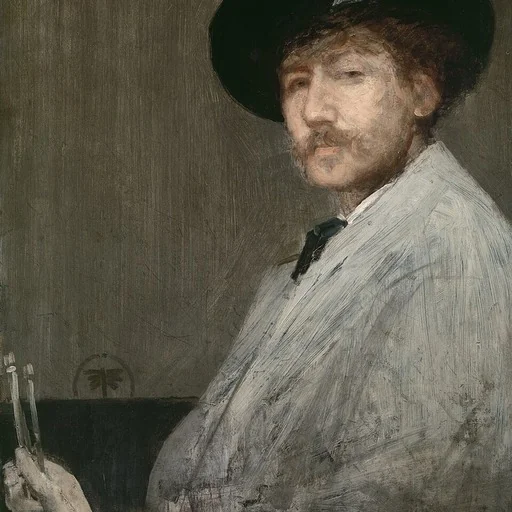
James Abbott McNeill Whistler was an American painter in oils and watercolor, and printmaker, active during the American Gilded Age and based primarily in the United Kingdom.

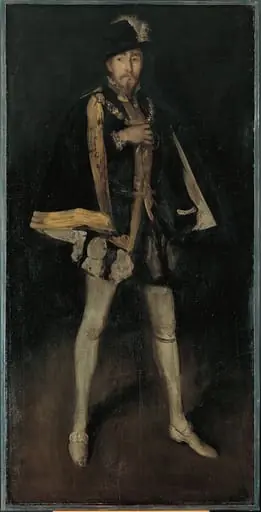 Arrangement in Black, No. 3: Sir Henry Irving as Philip II of Spain
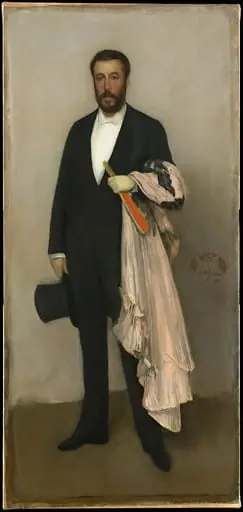 Arrangement in Flesh Colour and Black: Portrait of Theodore Duret
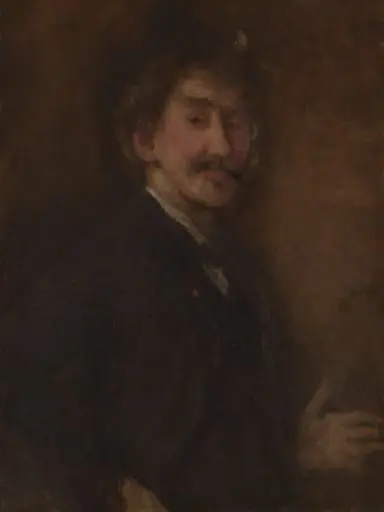 Gold and Brown: Self-Portrait
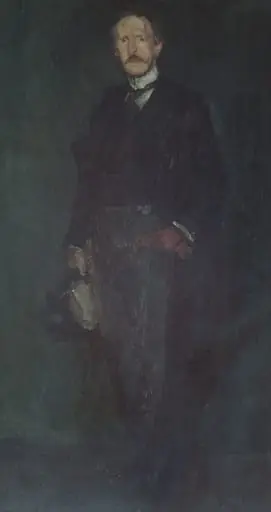 Edward Guthrie Kennedy
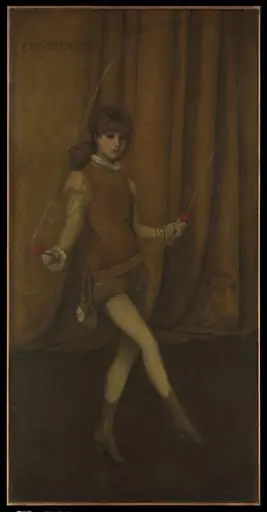 Harmony in Yellow and Gold: The Gold Girl—Connie Gilchrist
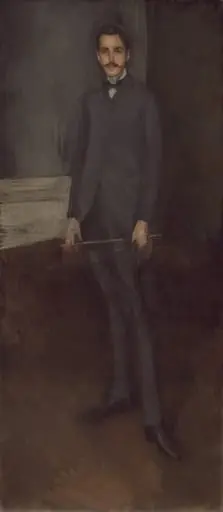 George W. Vanderbilt
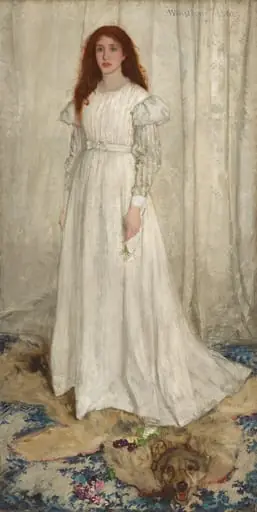 Symphony in White, No. 1: The White Girl
 Henry Irving as Philip II of Spain