Artwork
Bibi Lalouette
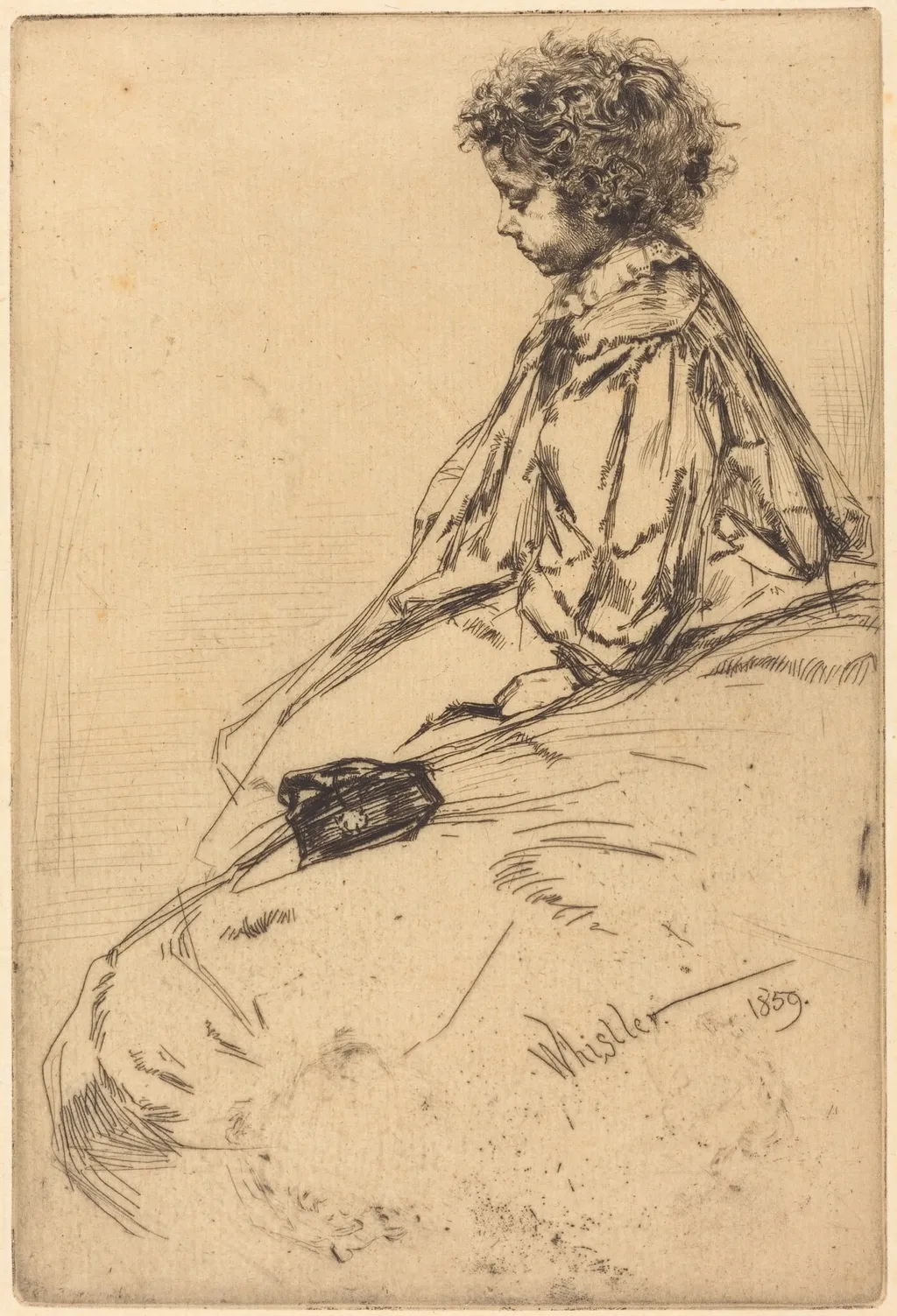
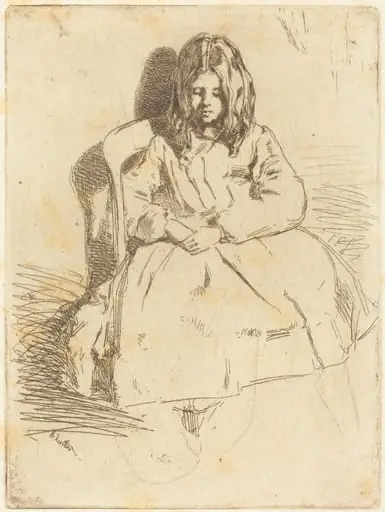
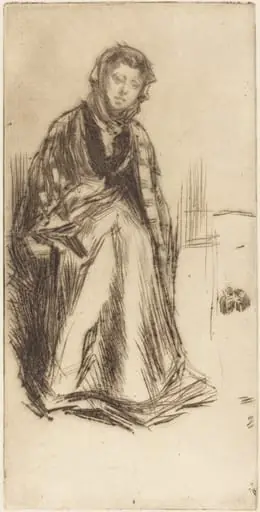
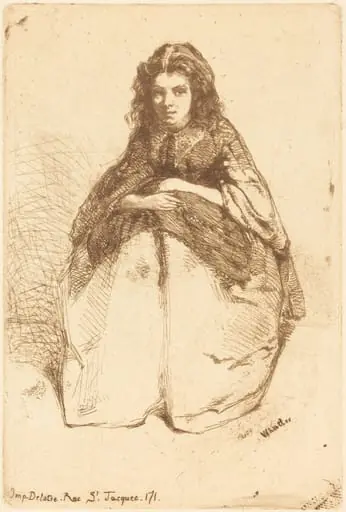
Bibi Lalouette is an ink print by the Impressionist artist James McNeill Whistler. It dates from 1859 and is held in the collection of the National Gallery of Art.
About this work
Overview
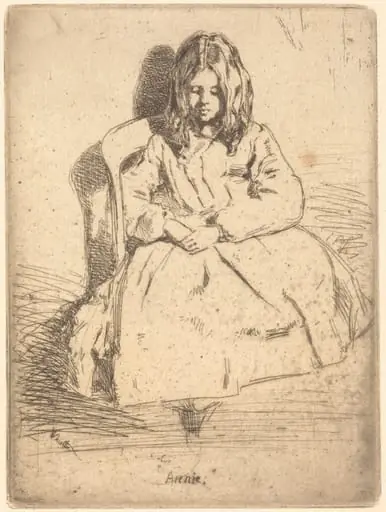
Bibi Lalouette is an 1859 etching and drypoint on laid paper by James McNeill Whistler, created during the early stages of his career. The work showcases Whistler's technical proficiency in printmaking, a medium he explored alongside his primary practices in oil and watercolor.
Subject & Meaning
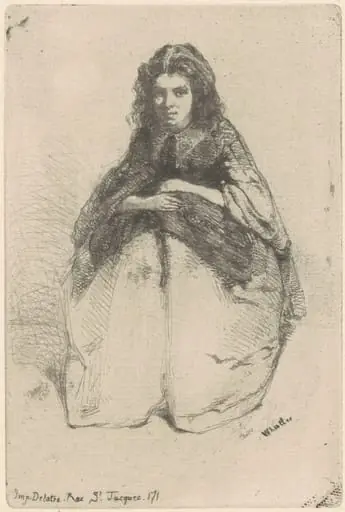
The etching presents a portrait of a woman, depicted with a calm, direct gaze. Her serene expression reflects Whistler's aesthetic preference for restraint over sentimentality, characteristic of his broader artistic approach.
Technique & Style
Whistler demonstrates meticulous skill in capturing intricate details of the subject's hair and attire through precise lines and textures, highlighting his mastery of etching and drypoint techniques to achieve nuanced visual effects.
History & Provenance
Created in 1859, Bibi Lalouette marks a point in Whistler's experimental phase with printmaking techniques, underscoring his early interest in achieving detailed, high-contrast images.
Context
As an American artist based in the United Kingdom, Whistler's work, including Bibi Lalouette, situates itself within the transatlantic artistic dialogues of the late 19th century, reflecting influences and innovations of the time.
Own this work as a print
Artist & collection
Artist
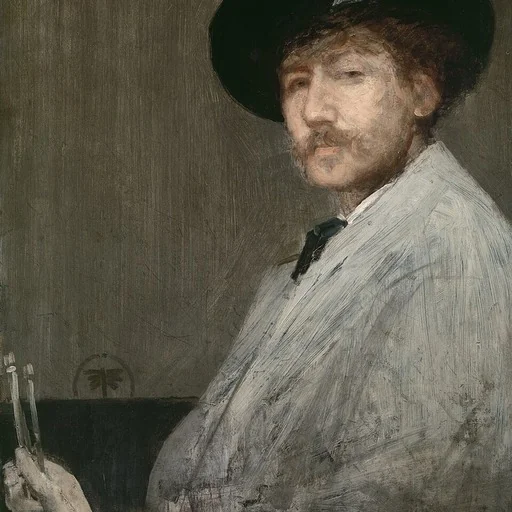
James Abbott McNeill Whistler was an American painter in oils and watercolor, and printmaker, active during the American Gilded Age and based primarily in the United Kingdom.

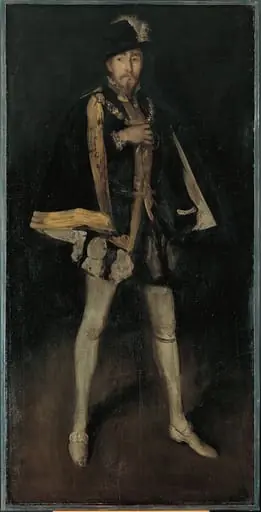 Arrangement in Black, No. 3: Sir Henry Irving as Philip II of Spain
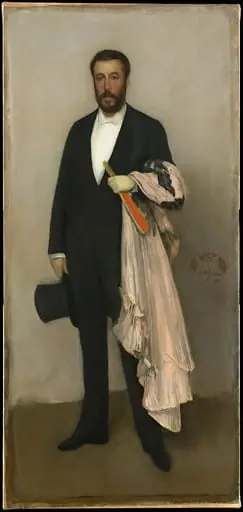 Arrangement in Flesh Colour and Black: Portrait of Theodore Duret
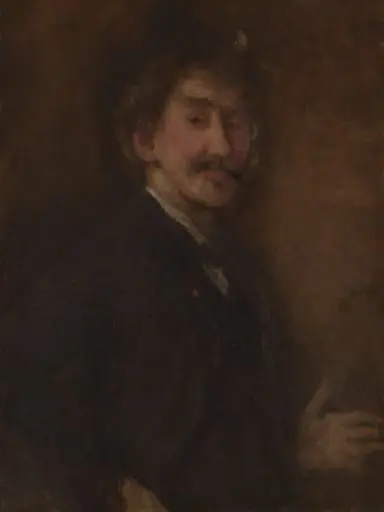 Gold and Brown: Self-Portrait
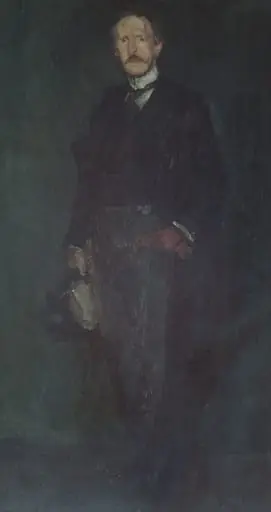 Edward Guthrie Kennedy
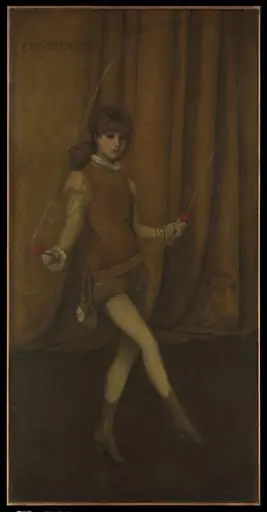 Harmony in Yellow and Gold: The Gold Girl—Connie Gilchrist
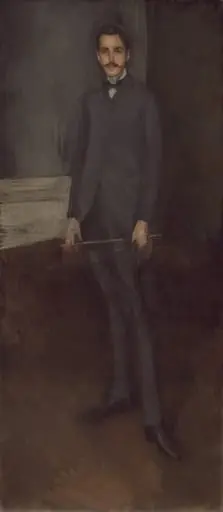 George W. Vanderbilt
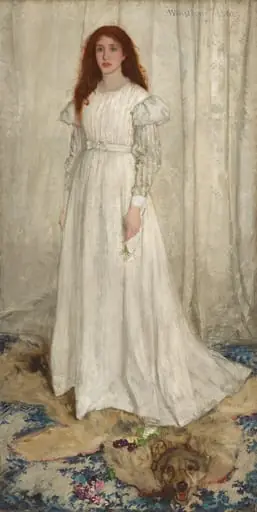 Symphony in White, No. 1: The White Girl
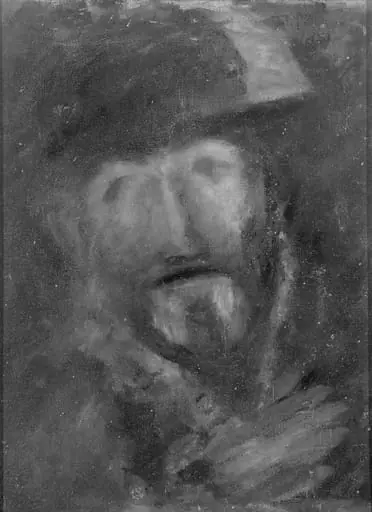 Henry Irving as Philip II of Spain