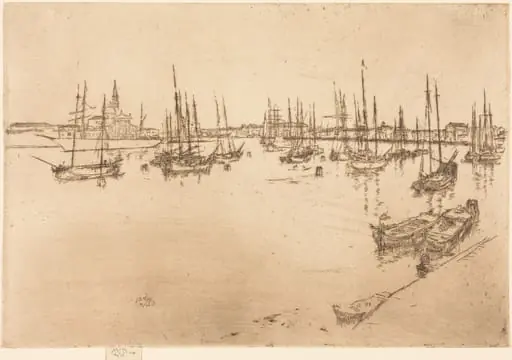
Artwork
Chelsea Wharf
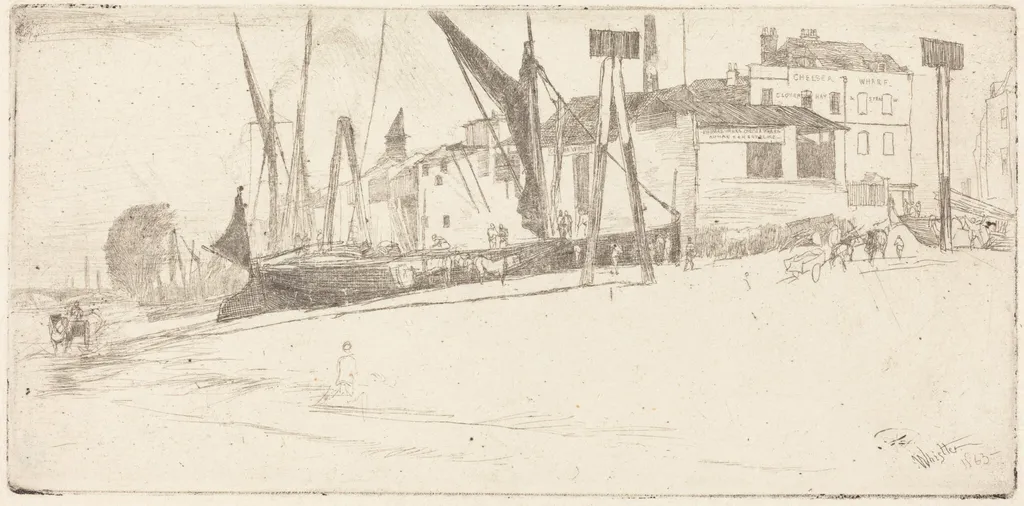
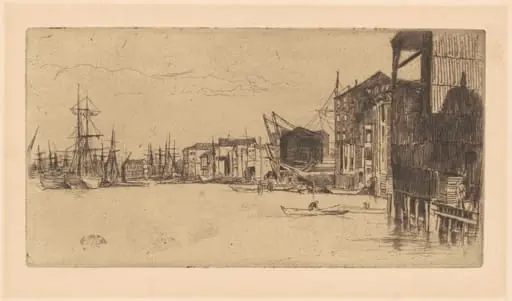
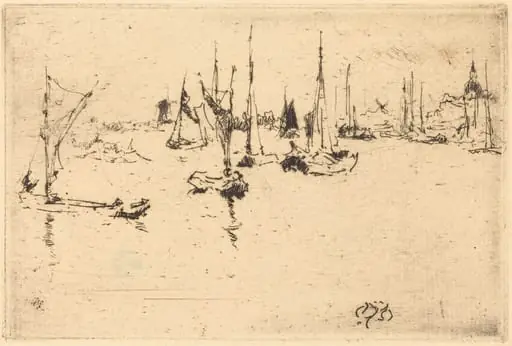
Chelsea Wharf is an ink print by the Impressionist artist James McNeill Whistler. It dates from 1863 and is held in the collection of the National Gallery of Art.
About this work
Overview
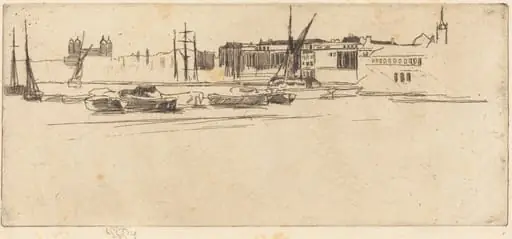
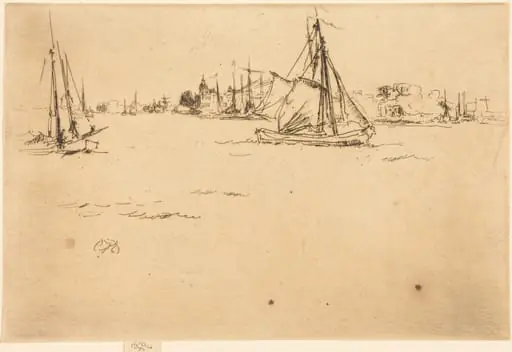
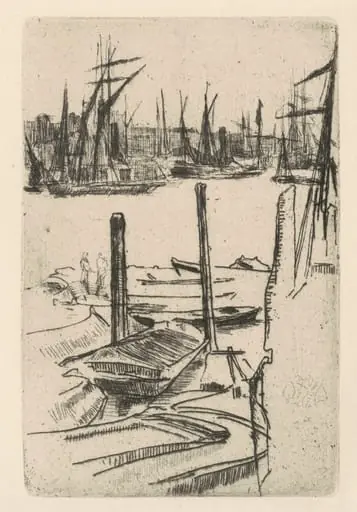
Chelsea Wharf (1863) is an etching and drypoint print by James McNeill Whistler, depicting a lively riverside scene in London. The work is characteristic of Whistler's early focus on capturing the city's atmospheric urban landscapes.
Subject & Meaning
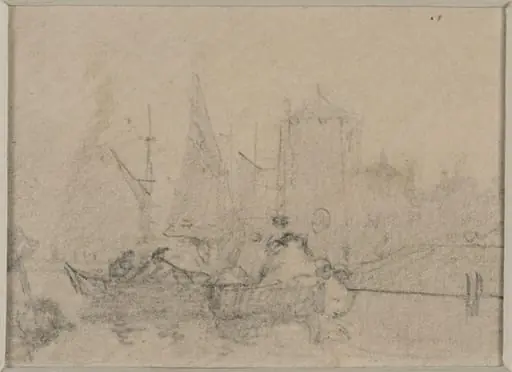
The print portrays everyday activity at Chelsea Wharf, with docked ships, pedestrians, and commercial buildings. By emphasizing the interplay of light, structure, and daily life, Whistler conveys a sense of urban vitality without resorting to narrative sentimentality.
Technique & Style
Whistler employed quick, sketchy lines to capture movement and light, typical of 1860s documentary etching styles. The combination of etching and drypoint techniques allowed for expressive, tonally subtle rendering of the rough water and bustling wharf environment.
History & Provenance
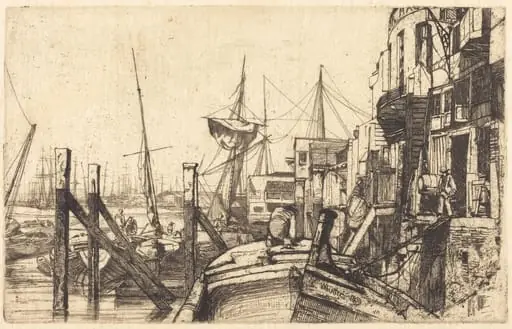
Chelsea Wharf is part of Whistler's series of Thames etchings, produced during his early career in London. Specific provenance details are not provided in the available information.
Context
This work reflects Whistler's adherence to aesthetic principles prioritizing visual harmony and tonal nuance, aligning with his broader artistic philosophy. It also documents a mid-19th-century London landscape.
Artist & collection
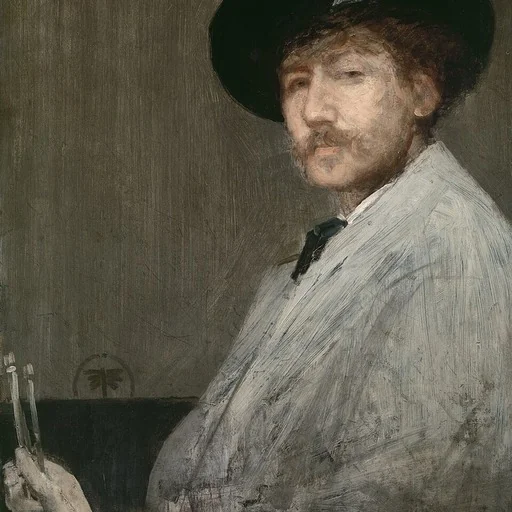
Artist
James Abbott McNeill Whistler was an American painter in oils and watercolor, and printmaker, active during the American Gilded Age and based primarily in the United Kingdom.

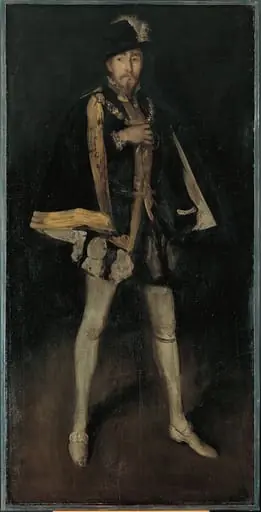 Arrangement in Black, No. 3: Sir Henry Irving as Philip II of Spain
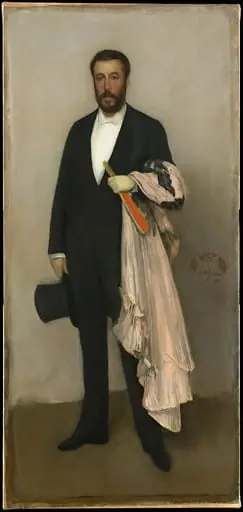 Arrangement in Flesh Colour and Black: Portrait of Theodore Duret
 Gold and Brown: Self-Portrait
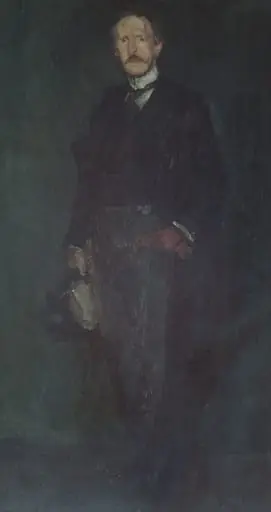 Edward Guthrie Kennedy
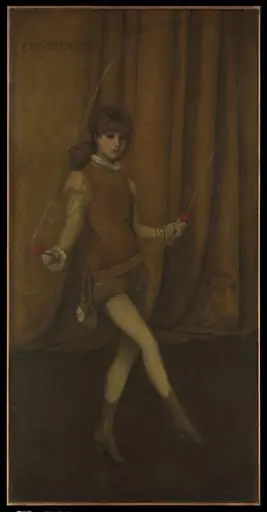 Harmony in Yellow and Gold: The Gold Girl—Connie Gilchrist
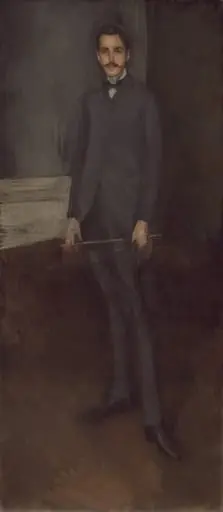 George W. Vanderbilt
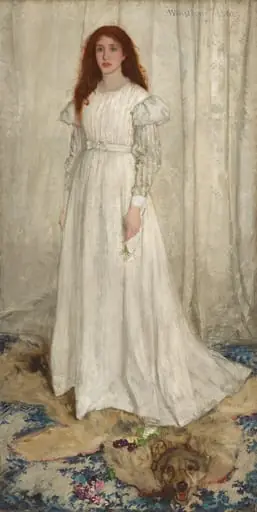 Symphony in White, No. 1: The White Girl
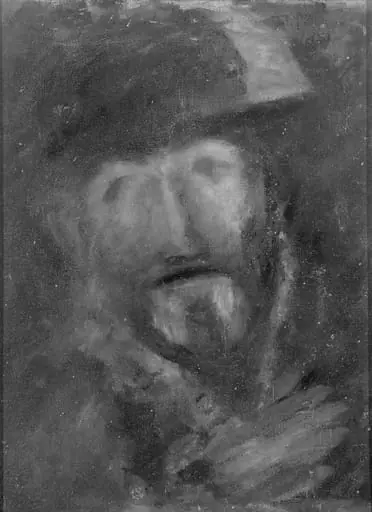 Henry Irving as Philip II of Spain