Artwork
Lobster-Pots
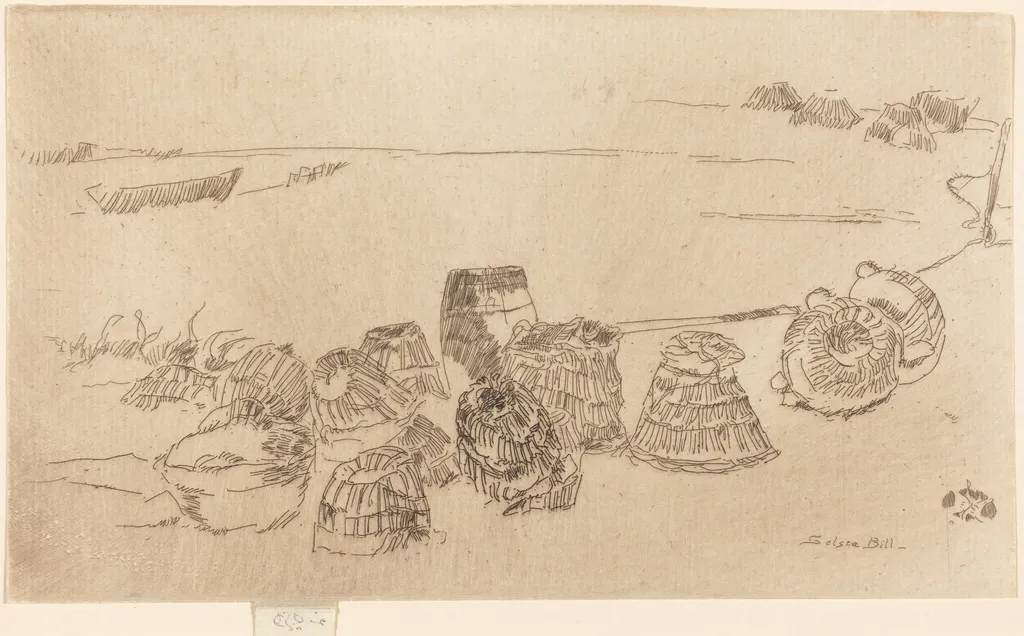
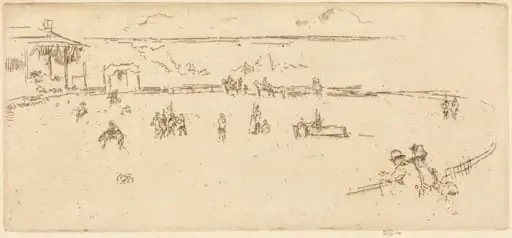
Lobster-Pots is an ink print by the Impressionist artist James McNeill Whistler. It dates from 1880 and is held in the collection of the National Gallery of Art.
About this work
Overview
Lobster-Pots is an etching and drypoint print created by James McNeill Whistler around 1880, exemplifying his concurrent exploration of printmaking alongside oil and watercolor works.
Subject & Meaning
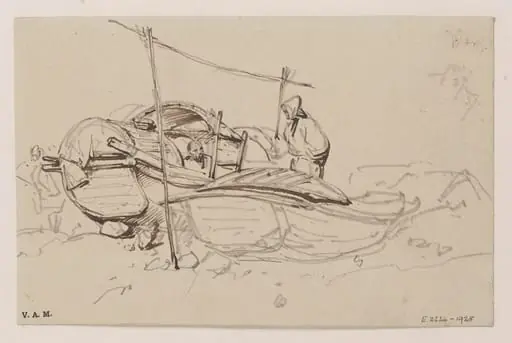
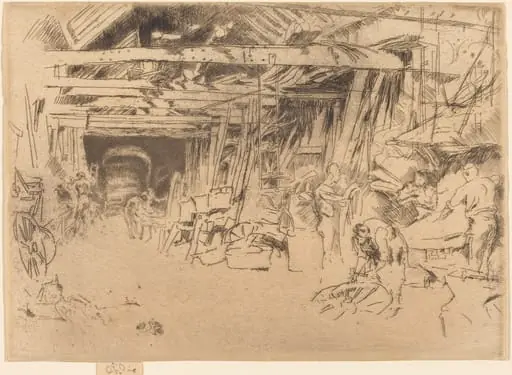
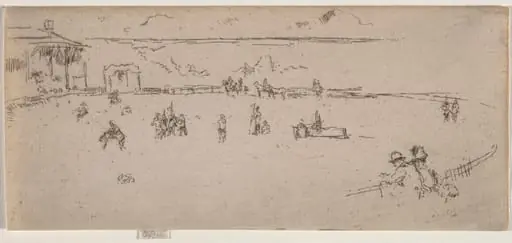
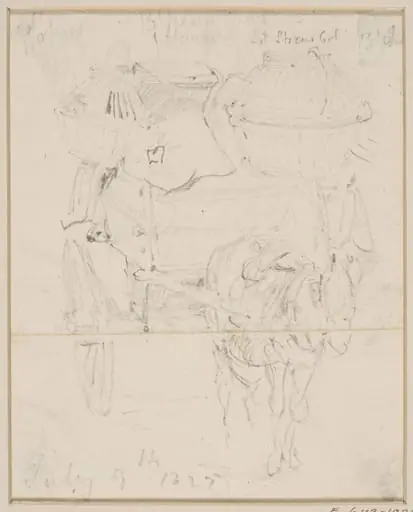
The print focuses on a humble, everyday subject: a row of stacked lobster pots along a shoreline. The composition also includes faint suggestions of a boat and buildings in the background, emphasizing the pots as the primary, albeit unassuming, focus.
Technique & Style
Characterized by delicate linework and subtle tonality, the print showcases Whistler's graphic sensibilities. The lobster pots are rendered with quick, wavy lines, imparting a rough, textured appearance, while the background elements are softly outlined, blending into the light.
History & Provenance
Created during Whistler's time as an American expatriate in Britain, Lobster-Pots aligns with the aesthetic ideals of the late 19th-century Aesthetic Movement and the 'art for art's sake' philosophy.
Context
Technically, the piece demonstrates etching and drypoint techniques, where the artist scratches designs onto a metal plate. The sketchy, on-the-spot feel reflects Whistler's ability to capture form and atmosphere with economy of line.
Artist & collection
Artist
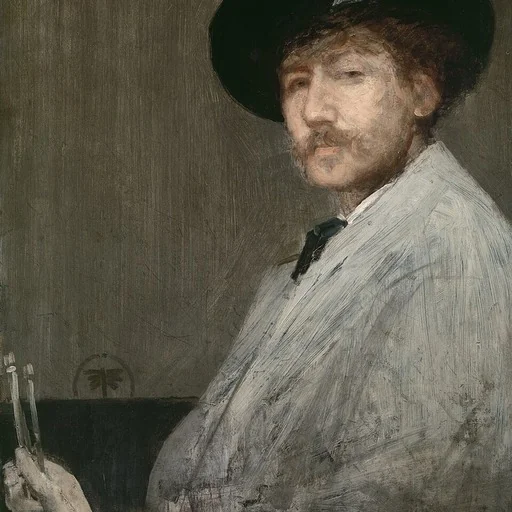
James Abbott McNeill Whistler was an American painter in oils and watercolor, and printmaker, active during the American Gilded Age and based primarily in the United Kingdom.

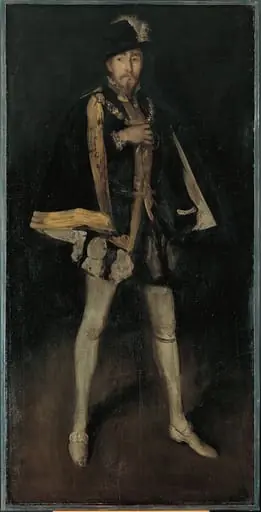 Arrangement in Black, No. 3: Sir Henry Irving as Philip II of Spain
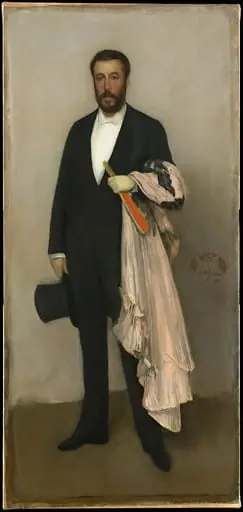 Arrangement in Flesh Colour and Black: Portrait of Theodore Duret
 Gold and Brown: Self-Portrait
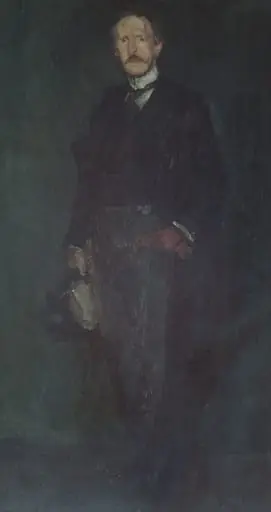 Edward Guthrie Kennedy
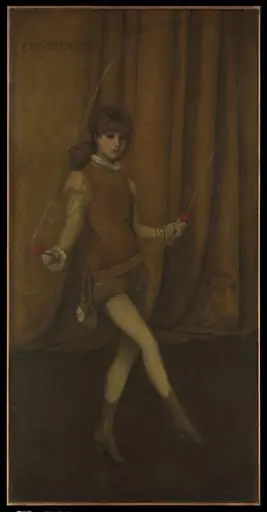 Harmony in Yellow and Gold: The Gold Girl—Connie Gilchrist
 George W. Vanderbilt
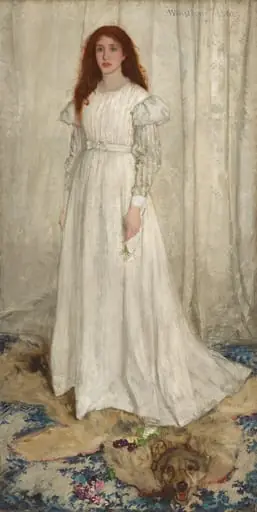 Symphony in White, No. 1: The White Girl
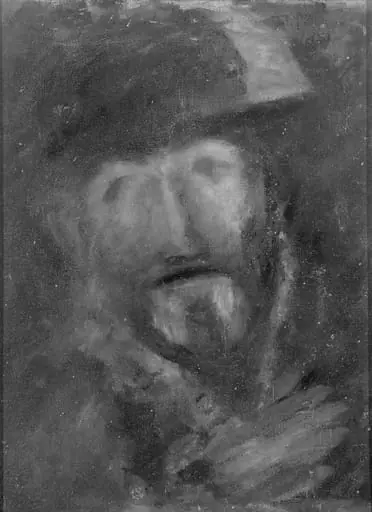 Henry Irving as Philip II of Spain