Artwork
Wheelwright
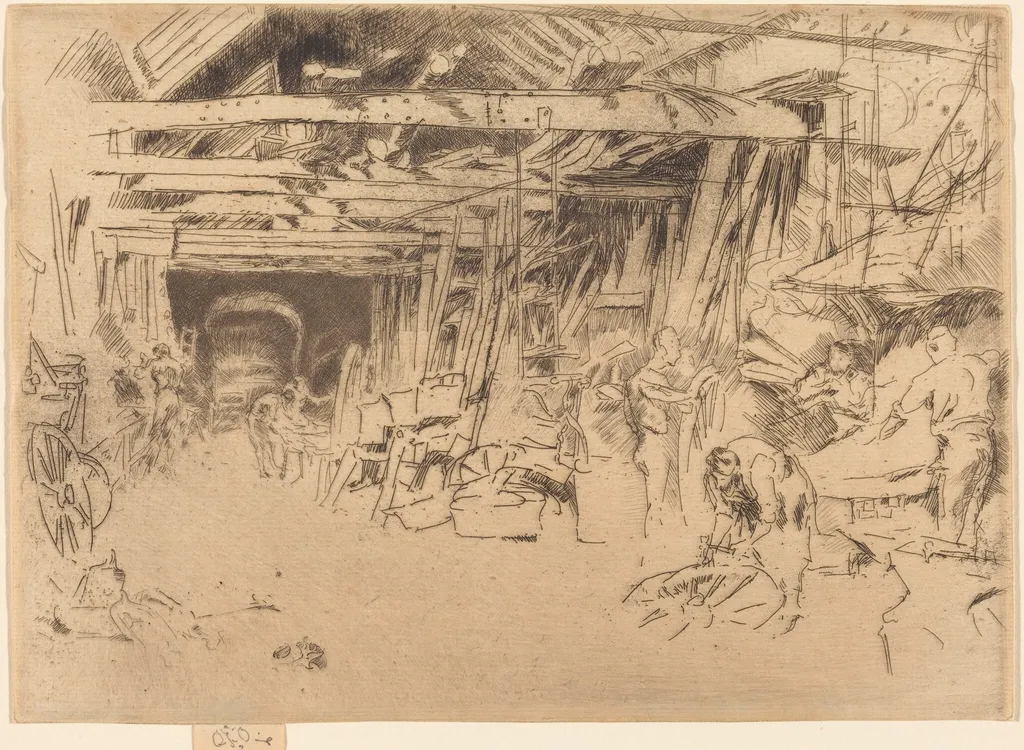
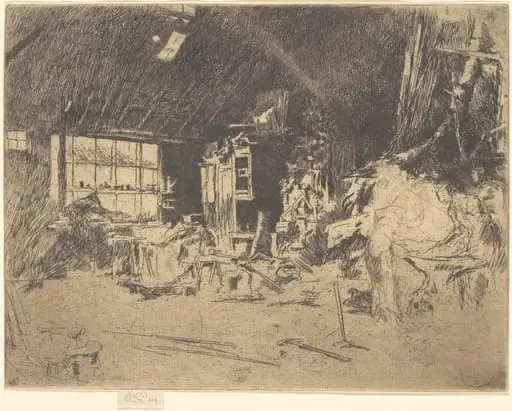
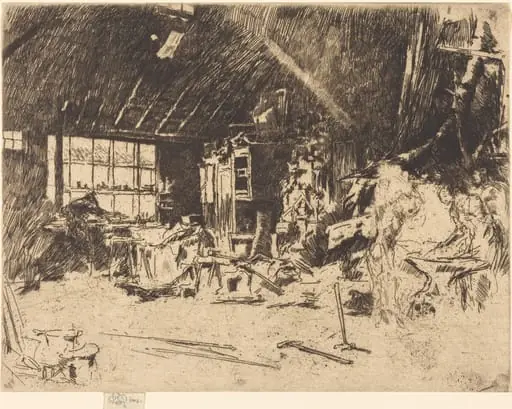
Wheelwright is an ink print by the Impressionist artist James McNeill Whistler. It dates from 1880 and is held in the collection of the National Gallery of Art.
About this work
Overview
Though best known for his paintings, Whistler produced a significant body of prints during his time in Britain.
Created in 1880, *Wheelwright* is an etching and drypoint on Asian laid paper by James McNeill Whistler. Though best known for his paintings, Whistler produced a significant body of prints during his time in Britain. This work exemplifies his commitment to printmaking as an independent art form, distinct from narrative or moral instruction, and aligned with his broader aesthetic philosophy of formal harmony over storytelling.
Subject & Meaning
The scene depicts a rural wheelwright’s workshop, with figures engaged in the laborious task of crafting wooden wheels. Tools, timber, and metal components fill the space, suggesting the physicality of craft. Whistler avoids idealization; the figures are anonymous, their actions unembellished. The focus lies not in human drama but in the rhythm of work and the interplay of forms within a confined, functional environment.
Technique & Style
Whistler employed etching and drypoint to achieve a dynamic, spontaneous line quality. The scratchy, uneven strokes convey immediacy, capturing the texture of wood, metal, and shadow with minimal refinement. Light enters from the left, casting strong contrasts that define the workshop’s cluttered depth. His approach prioritizes tonal rhythm over precision, reflecting his belief in the expressive potential of the artist’s hand over polished finish.
History & Provenance
Executed during Whistler’s mature period in London, *Wheelwright* belongs to a series of workshop and labor scenes he explored in the early 1880s. It was likely printed in small editions, typical of his print practice. The use of Asian laid paper suggests his interest in material texture and his engagement with international print traditions. The work remained within private collections in Europe and the U.S. after its creation.
Context
In the context of late 19th-century art, Whistler’s focus on industrial and artisanal labor diverged from both academic history painting and sentimental realism. His prints responded to growing interest in everyday life, yet rejected moralizing narratives. Instead, he aligned with Aesthetic Movement ideals, treating subject matter as a vehicle for compositional balance and atmospheric effect rather than social commentary.
Legacy
*Wheelwright* contributes to Whistler’s reputation as a pivotal figure in the revival of etching as a serious artistic medium. His loose, expressive technique influenced later printmakers who valued spontaneity over finish. The work remains a quiet testament to his belief that the artist’s perception, not the subject’s story, defines the value of an image.
Artist & collection
Artist
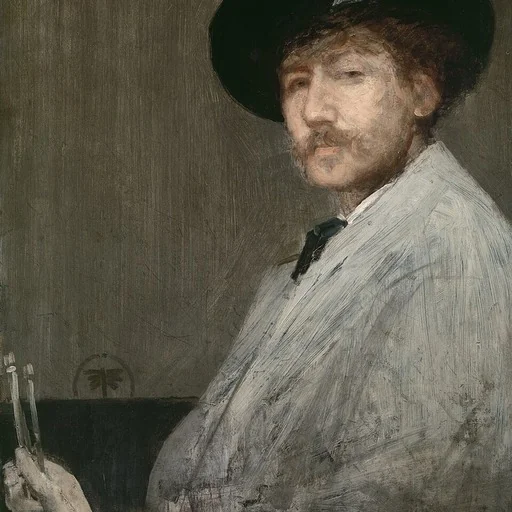
James Abbott McNeill Whistler was an American painter in oils and watercolor, and printmaker, active during the American Gilded Age and based primarily in the United Kingdom.

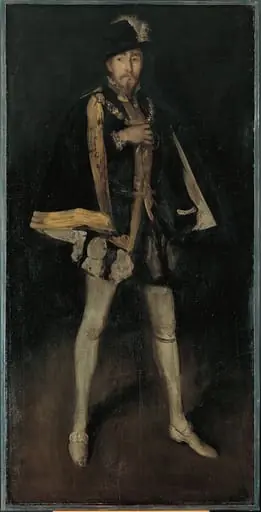 Arrangement in Black, No. 3: Sir Henry Irving as Philip II of Spain
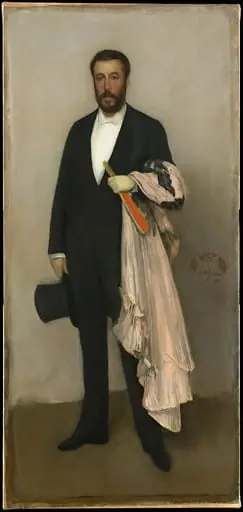 Arrangement in Flesh Colour and Black: Portrait of Theodore Duret
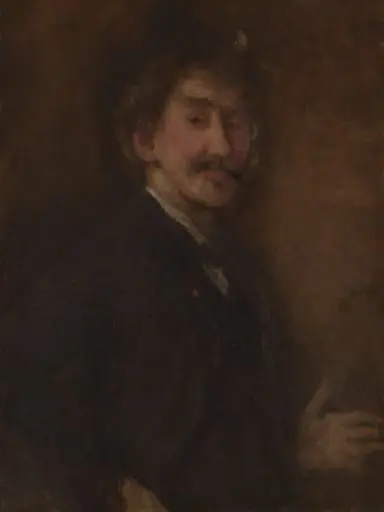 Gold and Brown: Self-Portrait
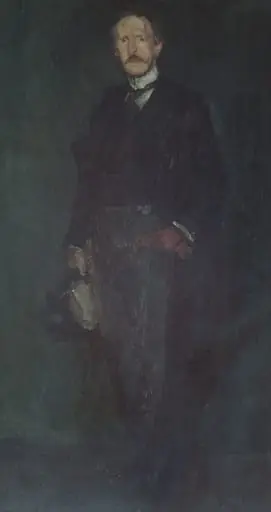 Edward Guthrie Kennedy
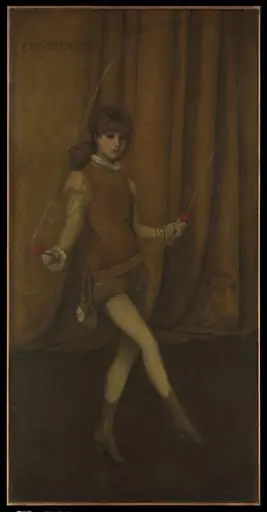 Harmony in Yellow and Gold: The Gold Girl—Connie Gilchrist
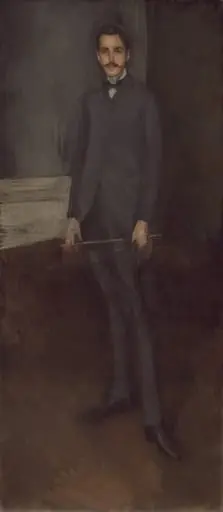 George W. Vanderbilt
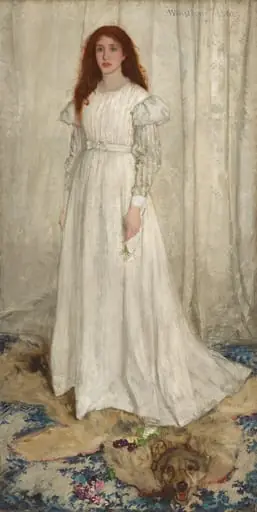 Symphony in White, No. 1: The White Girl
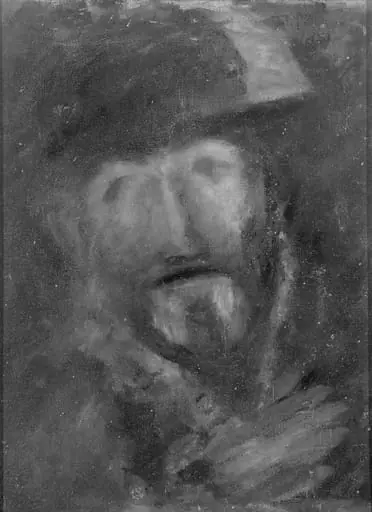 Henry Irving as Philip II of Spain