Artwork
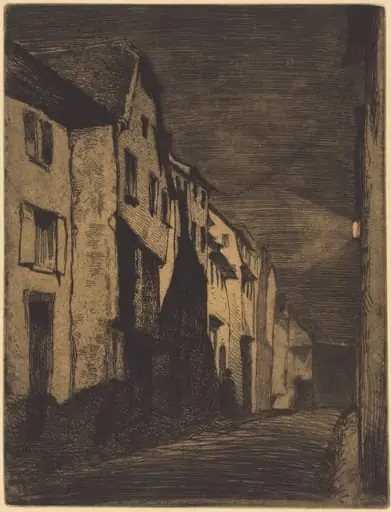
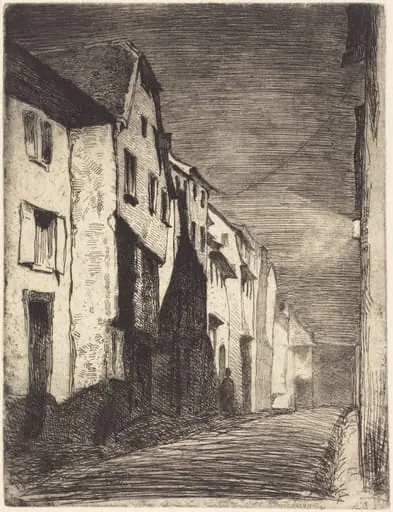
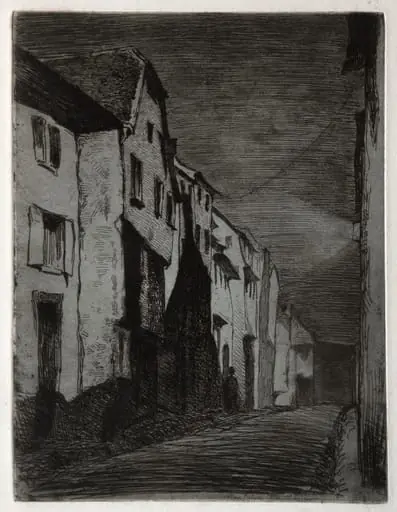
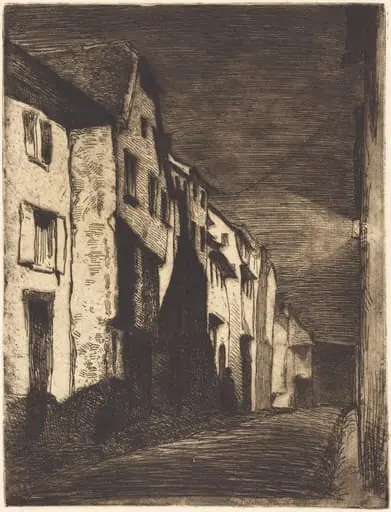
Street in Saverne
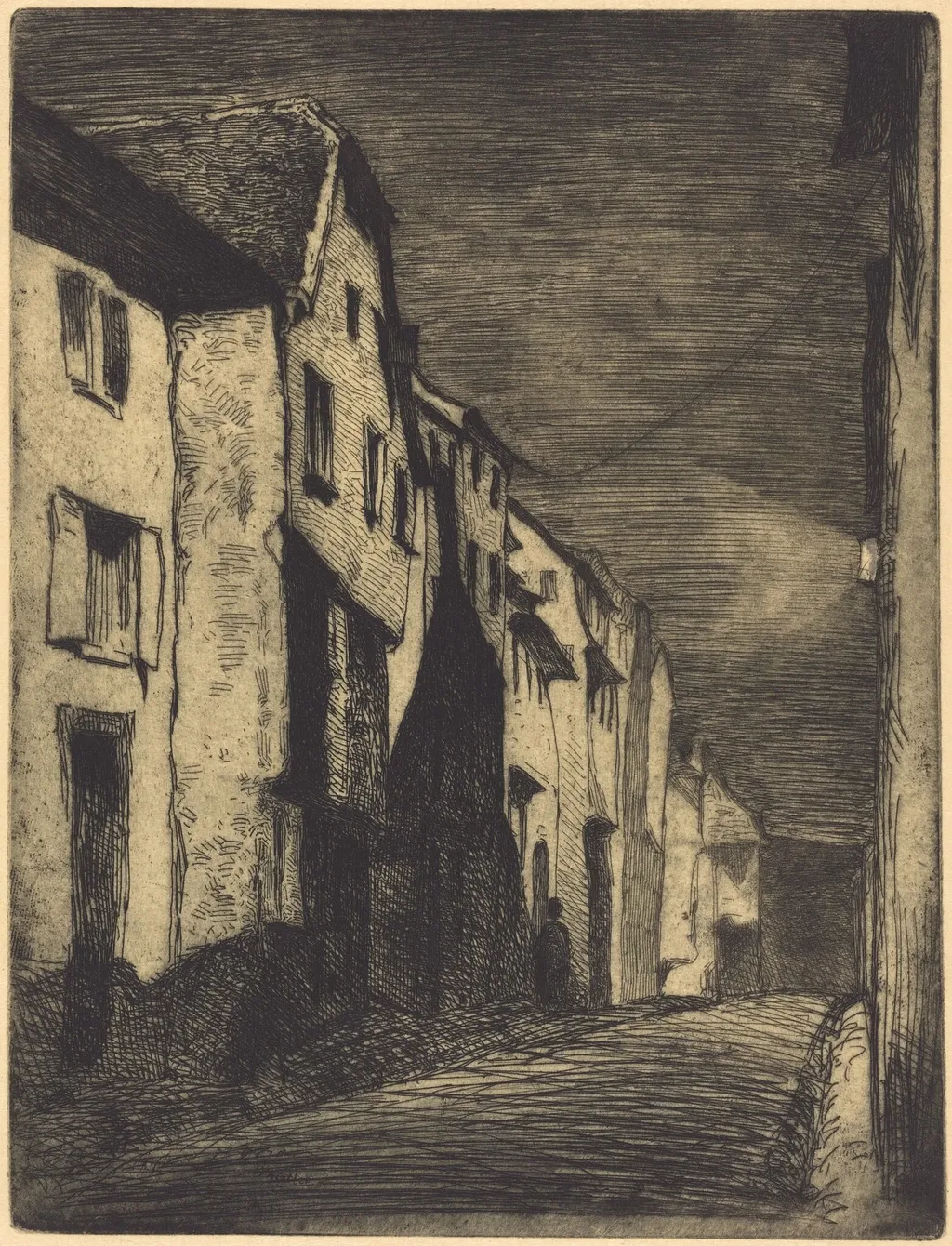
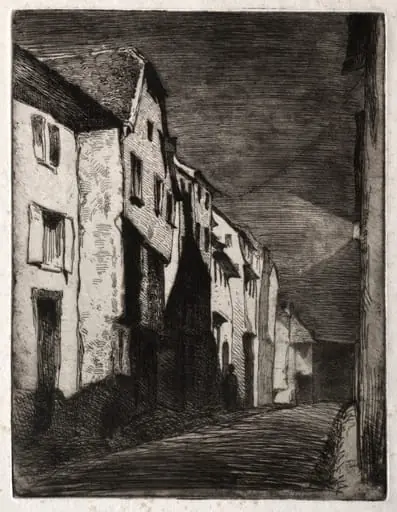
Street in Saverne is an ink print by the Impressionist artist James McNeill Whistler. It dates from 1858 and is held in the collection of the National Gallery of Art.
About this work
Overview
Executed in etching with experimental surface treatments—possibly open bite or sandpaper ground—it appears on laid paper.
Created in 1858, *Street in Saverne* is an early print by James Abbott McNeill Whistler, made during his time in Europe. Executed in etching with experimental surface treatments—possibly open bite or sandpaper ground—it appears on laid paper. This work belongs to a phase in which Whistler was developing his printmaking skills, exploring the medium’s potential beyond traditional line work to include tonal variation and texture.
Subject & Meaning
The scene depicts a modest urban street in Saverne, France, rendered without narrative or idealization. Buildings and trees are arranged with quiet balance, suggesting a moment of stillness rather than activity. Whistler’s focus on ordinary architecture and natural elements reflects his interest in capturing the subtle character of everyday environments, avoiding dramatic or sentimental interpretation.
Technique & Style
Whistler combined conventional etching with unconventional methods such as open bite and sandpaper ground to achieve varied surface textures and soft gradations of tone. These techniques allowed him to move beyond sharp line work, introducing atmospheric depth through subtle shifts in ink density. The result is a restrained, nuanced composition that emphasizes mood over detail, aligning with his emerging aesthetic priorities.
History & Provenance
This print dates from Whistler’s early career, shortly after his move to Europe and before his rise to prominence in London and Paris. It was likely produced during a period of technical exploration, when he was studying printmaking alongside his painting practice. No specific early ownership record is widely documented, but it remains part of the broader corpus of his graphic work from the late 1850s.
Context
In the late 1850s, European artists were reevaluating printmaking as a vehicle for personal expression rather than mere reproduction. Whistler’s experiments with texture and tone in *Street in Saverne* reflect this shift, paralleling broader movements toward aesthetic autonomy. His approach diverged from academic traditions, favoring quiet observation over grand historical or moral themes.
Legacy
Though not among Whistler’s most famous prints, *Street in Saverne* illustrates his foundational engagement with etching and his commitment to technical innovation. It anticipates later developments in his graphic work, where tonal subtlety and atmospheric effect became defining traits. The piece contributes to understanding how his printmaking evolved alongside his broader artistic philosophy.
Artist & collection
Artist
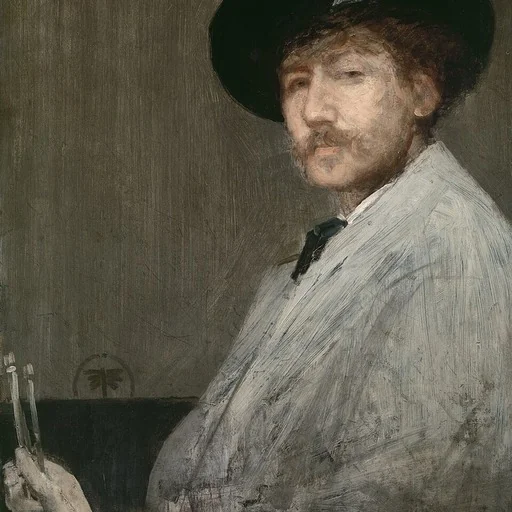
James Abbott McNeill Whistler was an American painter in oils and watercolor, and printmaker, active during the American Gilded Age and based primarily in the United Kingdom.

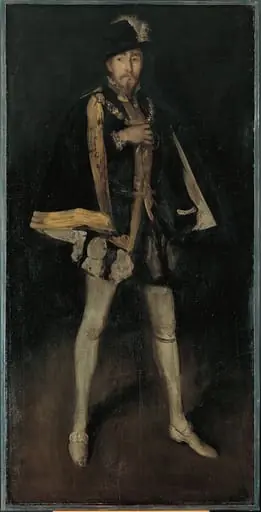 Arrangement in Black, No. 3: Sir Henry Irving as Philip II of Spain
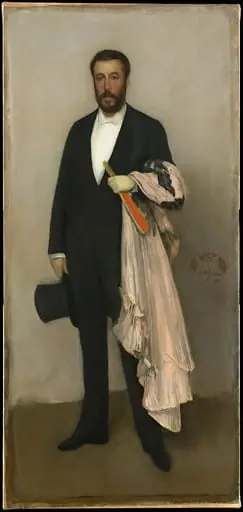 Arrangement in Flesh Colour and Black: Portrait of Theodore Duret
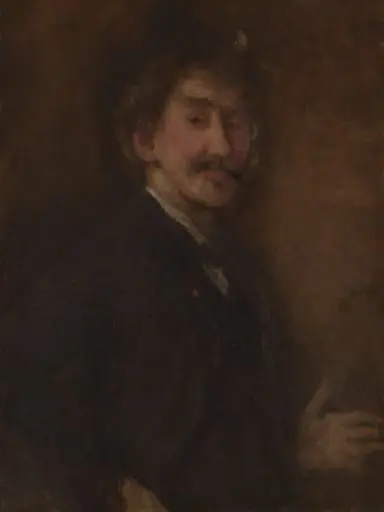 Gold and Brown: Self-Portrait
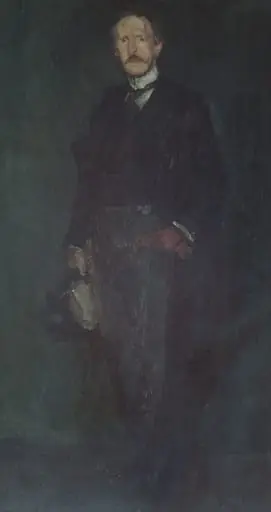 Edward Guthrie Kennedy
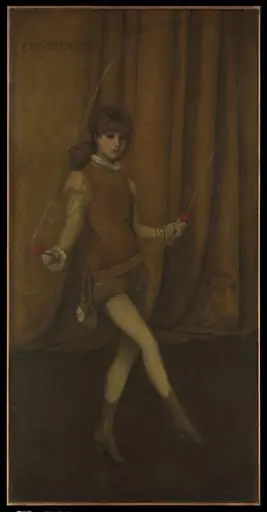 Harmony in Yellow and Gold: The Gold Girl—Connie Gilchrist
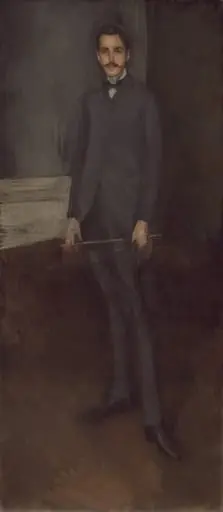 George W. Vanderbilt
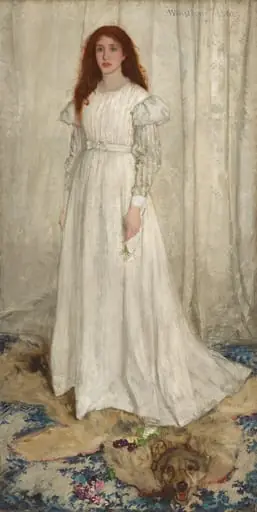 Symphony in White, No. 1: The White Girl
 Henry Irving as Philip II of Spain