Artwork
Street at Saverne
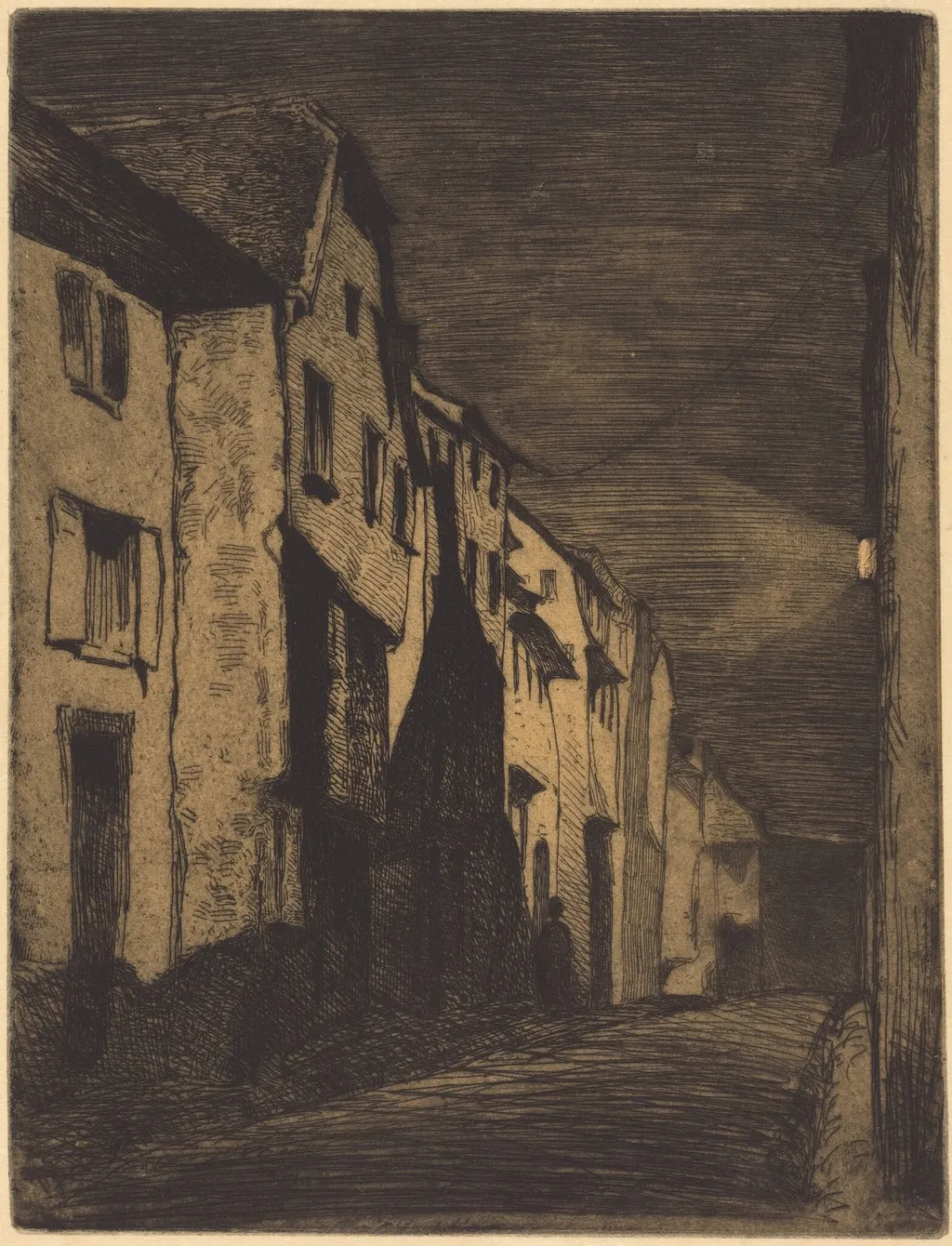
Street at Saverne is an ink print by the Impressionist artist James McNeill Whistler. It dates from 1858 and is held in the collection of the National Gallery of Art.
About this work
Overview
Unlike grand historical narratives, these works focus on quiet, unadorned scenes, reflecting his early engagement with tonal subtlety and the everyday.
Created in 1858 during James McNeill Whistler’s travels through Europe, *Street at Saverne* is an etching on chine collé mounted on Asian laid paper. The work belongs to a series of small-scale prints Whistler produced while observing urban landscapes in France and beyond. Unlike grand historical narratives, these works focus on quiet, unadorned scenes, reflecting his early engagement with tonal subtlety and the everyday.
Subject & Meaning
The scene captures a mist-laced street in Saverne, France, with modest rooftops and a distant church spire emerging from soft atmospheric haze. Two figures, barely defined, recede along the path, emphasizing solitude and stillness. Whistler avoids narrative or emotional cues, instead inviting contemplation of light, space, and the quiet rhythm of urban life through minimal composition.
Technique & Style
Whistler employed drypoint etching to carve fine, incised lines directly into the metal plate, creating rich, velvety blacks that catch the light. The use of chine collé—mounting the printed image on thin Asian paper—enhanced the delicacy of the tonal gradations. His restrained line work and emphasis on atmosphere over detail align with his emerging preference for formal harmony over illustrative storytelling.
History & Provenance
Whistler produced this print during his early years abroad, shortly after leaving the U.S. for Europe. It was made in the context of his intensive sketching trips through northern France, where he studied architecture and urban life. The work remained among his personal collection of etchings, later dispersed through private sales and institutional acquisitions, reflecting its modest but consistent appeal among collectors of his graphic work.
Context
In the late 1850s, Whistler was developing his aesthetic apart from prevailing academic traditions. While contemporaries emphasized dramatic or moral themes, he turned to quiet, observational prints influenced by Japanese woodcuts and Dutch genre scenes. *Street at Saverne* exemplifies this shift—its simplicity and focus on light and structure anticipated his later theories on art as arrangement rather than representation.
Legacy
Though not widely exhibited in his lifetime, *Street at Saverne* contributes to the foundation of Whistler’s reputation as a pioneer of tonal printmaking. Its restrained technique and atmospheric sensitivity influenced later generations of printmakers who valued subtlety over spectacle. The work remains a quiet testament to his belief in art’s capacity to evoke mood through form alone.
Own this work as a print
Artist & collection
Artist
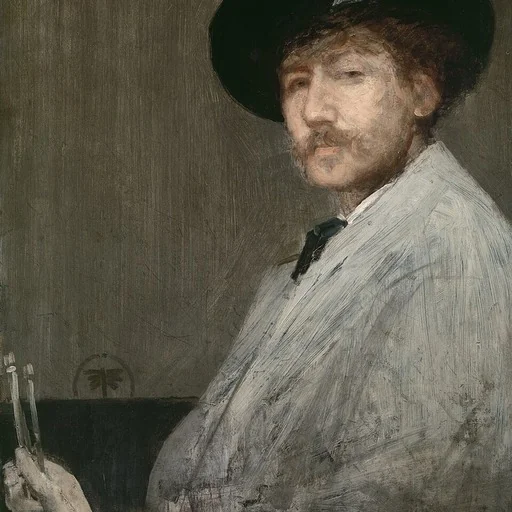
James Abbott McNeill Whistler was an American painter in oils and watercolor, and printmaker, active during the American Gilded Age and based primarily in the United Kingdom.

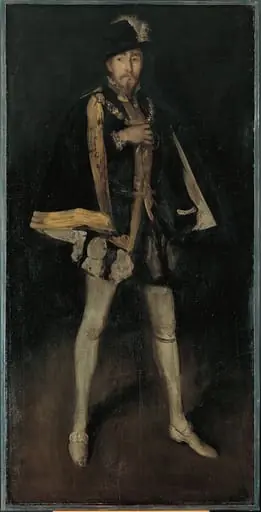 Arrangement in Black, No. 3: Sir Henry Irving as Philip II of Spain
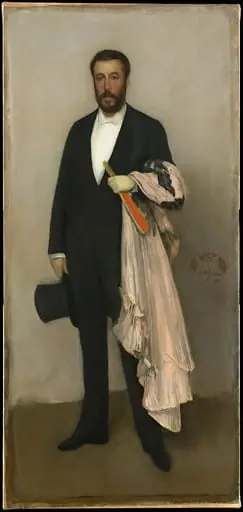 Arrangement in Flesh Colour and Black: Portrait of Theodore Duret
 Gold and Brown: Self-Portrait
 Edward Guthrie Kennedy
 Harmony in Yellow and Gold: The Gold Girl—Connie Gilchrist
 George W. Vanderbilt
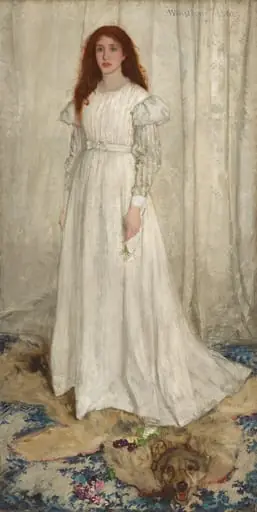 Symphony in White, No. 1: The White Girl
 Henry Irving as Philip II of Spain
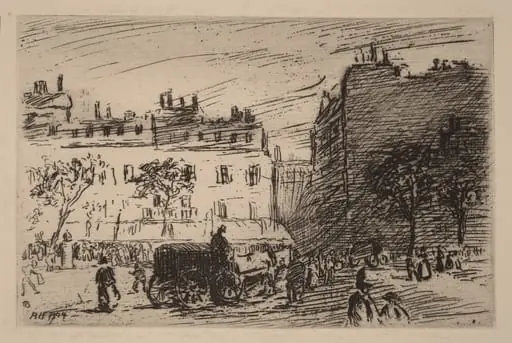 Paris Street Scene
![House of Dante da Castiglione [Casa di Dante da Castiglione], by Telemaco Signorini](https://artifactworldgallery.com/img/telemaco-signorini--house-of-dante-da-castiglione-casa-di-dante-da-castiglione--92db125a9a8d04db-w320.webp) House of Dante da Castiglione [Casa di Dante da Castiglione]
House of Dante da Castiglione [Casa di Dante da Castiglione]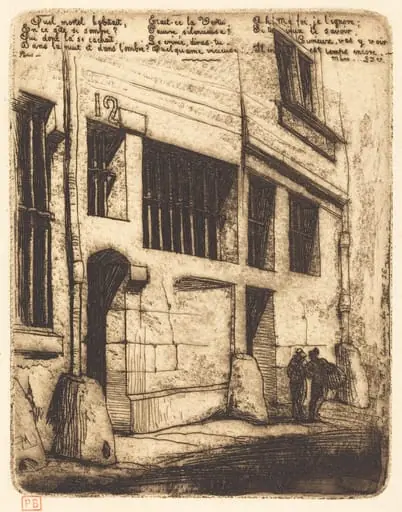 La Rue des Mauvais Garçons, Paris (The Street of the Bad Boys)
![Nel Villaggio [In the Village], by Domenico Casella](https://artifactworldgallery.com/img/domenico-casella--nel-villaggio-in-the-village--10a7e8daffe9adf4-w320.webp) Nel Villaggio [In the Village]
Nel Villaggio [In the Village]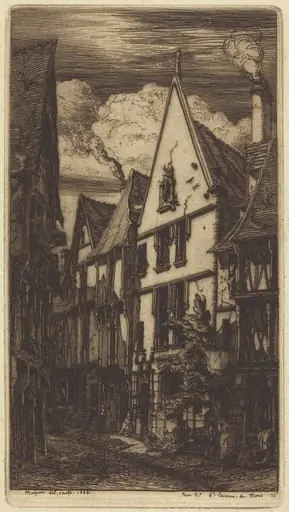 La Rue des Toiles, à Bourges
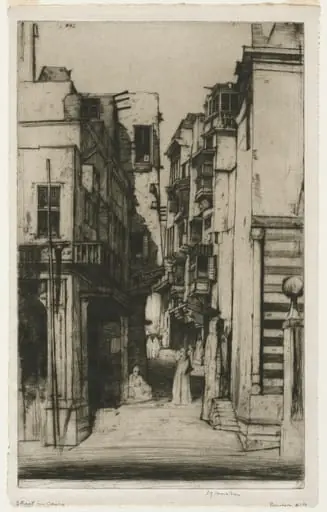 Street in Cairo
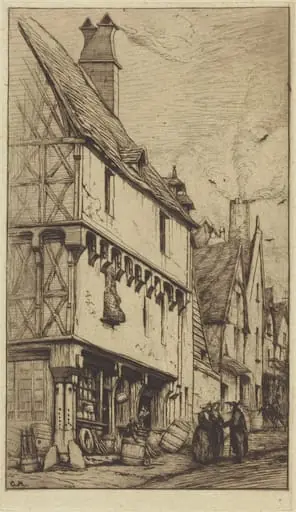 Ancienne habitation à Bourges, dite "La Maison du Musicien" (An Old House at Bourges, Sometimes Called the "Musician's House")