Artwork
The Long Balcony
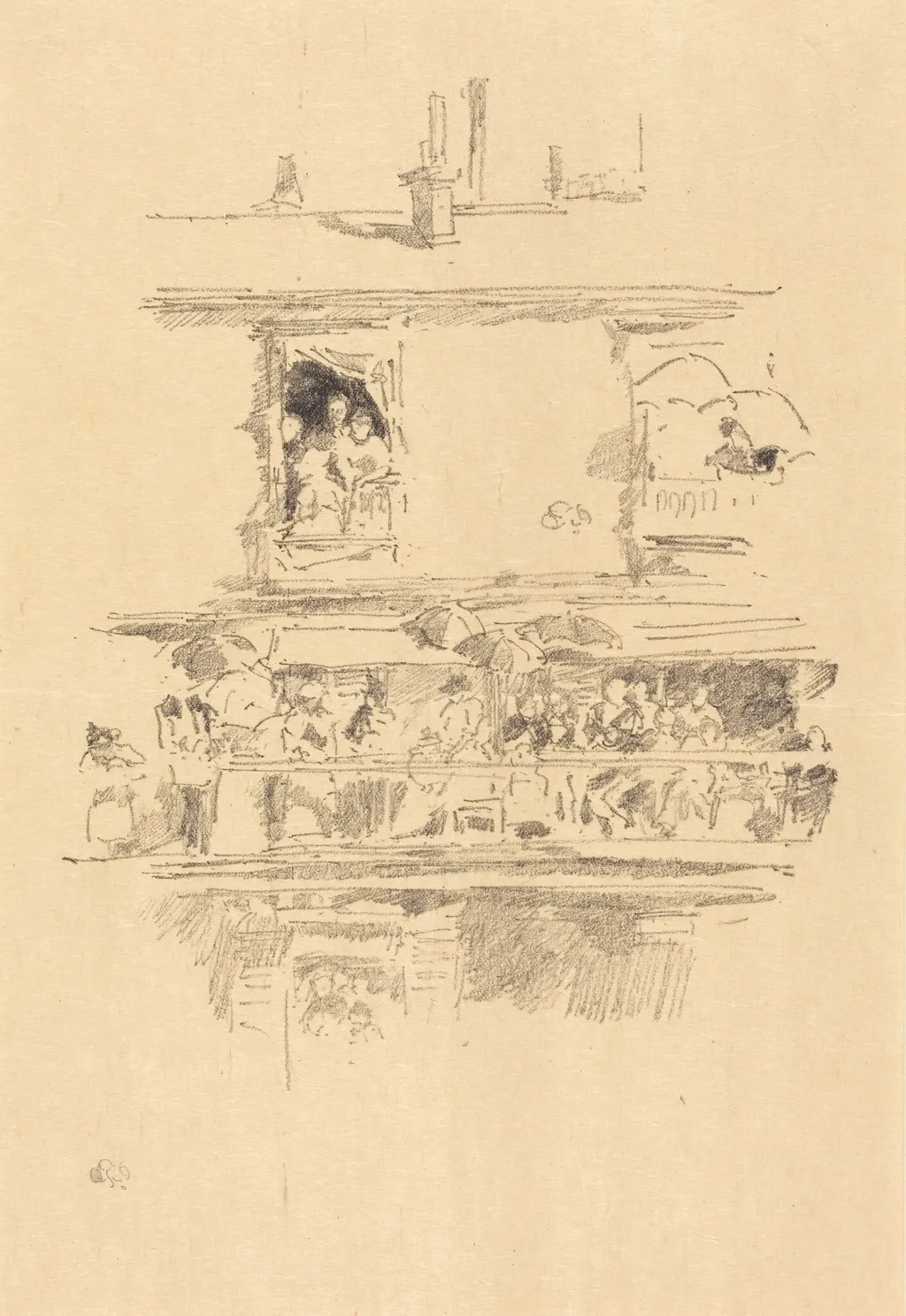
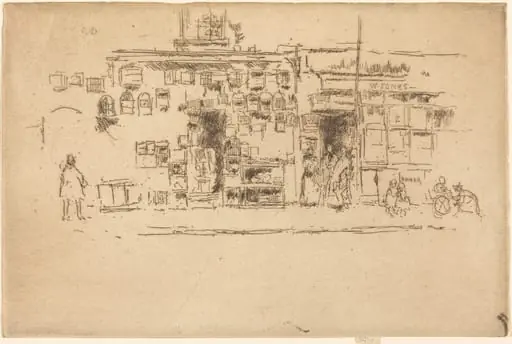
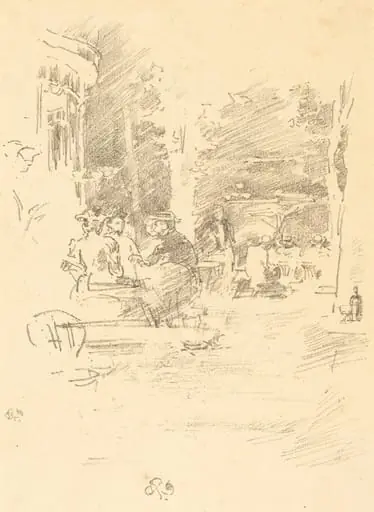
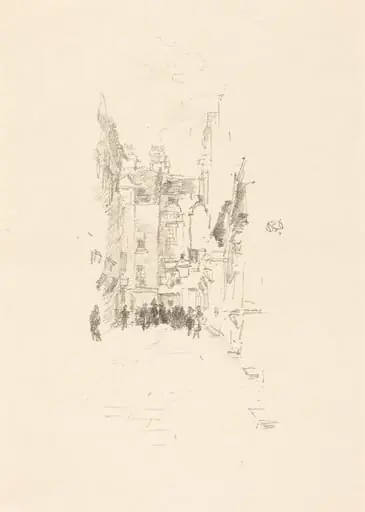
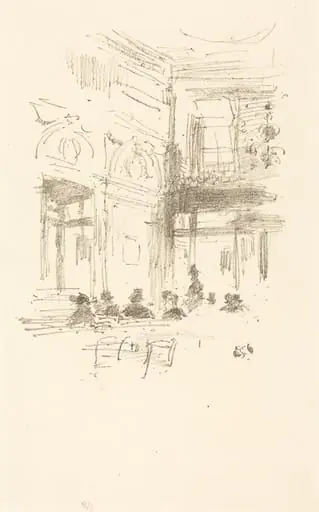
The Long Balcony is an ink print by the Impressionist artist James McNeill Whistler. It dates from 1894 and is held in the collection of the National Gallery of Art.
About this work
Overview
Executed in black ink on laid paper, it reflects his mature approach to printmaking, prioritizing atmospheric suggestion over detailed representation.
Created in 1894, *The Long Balcony* is a lithograph by James McNeill Whistler, made during his time in London. Executed in black ink on laid paper, it reflects his mature approach to printmaking, prioritizing atmospheric suggestion over detailed representation. The work captures a fleeting urban moment with minimal strokes, aligning with his broader commitment to tonal harmony and compositional restraint.
Subject & Meaning
The scene portrays a row of indistinct figures along a high balcony, overlooking a bustling street below. Horses, carriages, and pedestrians are rendered as loose, energetic marks, suggesting movement without defining individual forms. Whistler avoids narrative or emotional emphasis, instead presenting a quiet observation of city life, where human presence is absorbed into the rhythm of the urban environment.
Technique & Style
Whistler employed lithography to achieve subtle gradations of tone through rapid, fluid lines. The drawing appears spontaneous, with thin, sketchy strokes that define form through suggestion rather than detail. Figures on the balcony are reduced to silhouettes, while the street below gains depth through layered, overlapping marks. This method reflects his belief in art as an arrangement of tone and line, not literal depiction.
History & Provenance
Made in Whistler’s later years, the print emerged from his sustained engagement with printmaking after his earlier successes in etching. It was produced during a period when he increasingly favored lithography for its immediacy and tonal range. The work remained in private collections after its creation, with no public exhibition record noted at the time, though it later entered institutional holdings as part of his graphic oeuvre.
Context
In 1890s London, Whistler was part of a circle exploring modern life through non-narrative art. His focus on urban scenes, often viewed from elevated positions, paralleled contemporary interests in transient moments and fragmented perception. Lithography allowed him to respond quickly to his surroundings, contrasting with the slower, more polished techniques of academic art prevailing at the time.
Legacy
*The Long Balcony* exemplifies Whistler’s influence on modern printmaking through its emphasis on economy of line and tonal nuance. It helped redefine lithography as a medium for expressive, non-representational observation rather than illustrative detail. Later artists, particularly those drawn to Impressionist and modernist aesthetics, recognized its quiet innovation in capturing atmosphere over anecdote.
Artist & collection
Artist
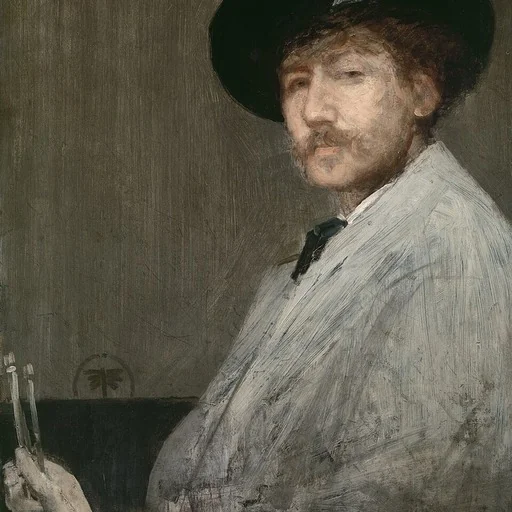
James Abbott McNeill Whistler was an American painter in oils and watercolor, and printmaker, active during the American Gilded Age and based primarily in the United Kingdom.

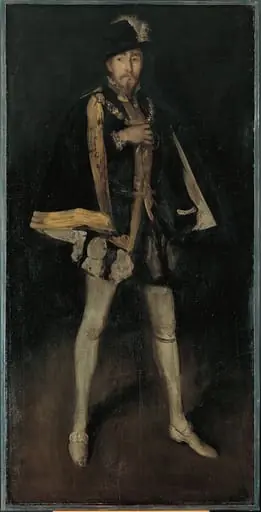 Arrangement in Black, No. 3: Sir Henry Irving as Philip II of Spain
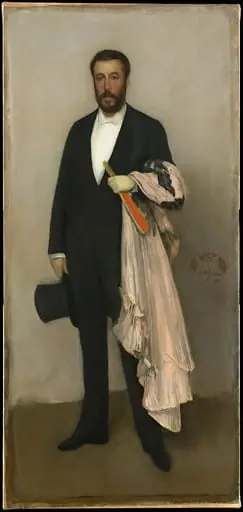 Arrangement in Flesh Colour and Black: Portrait of Theodore Duret
 Gold and Brown: Self-Portrait
 Edward Guthrie Kennedy
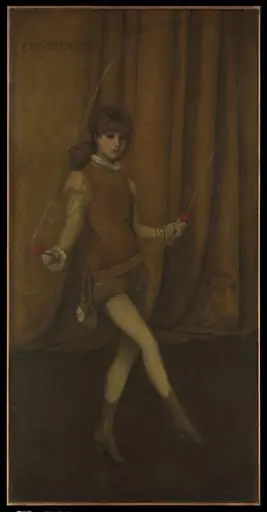 Harmony in Yellow and Gold: The Gold Girl—Connie Gilchrist
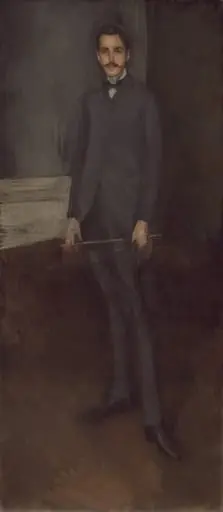 George W. Vanderbilt
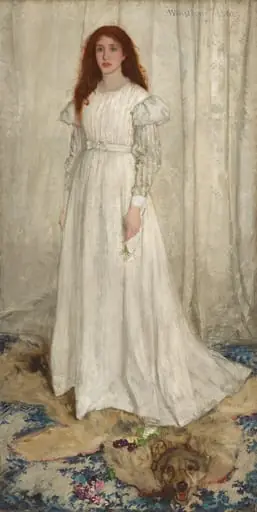 Symphony in White, No. 1: The White Girl
 Henry Irving as Philip II of Spain