Artwork
The Rialto
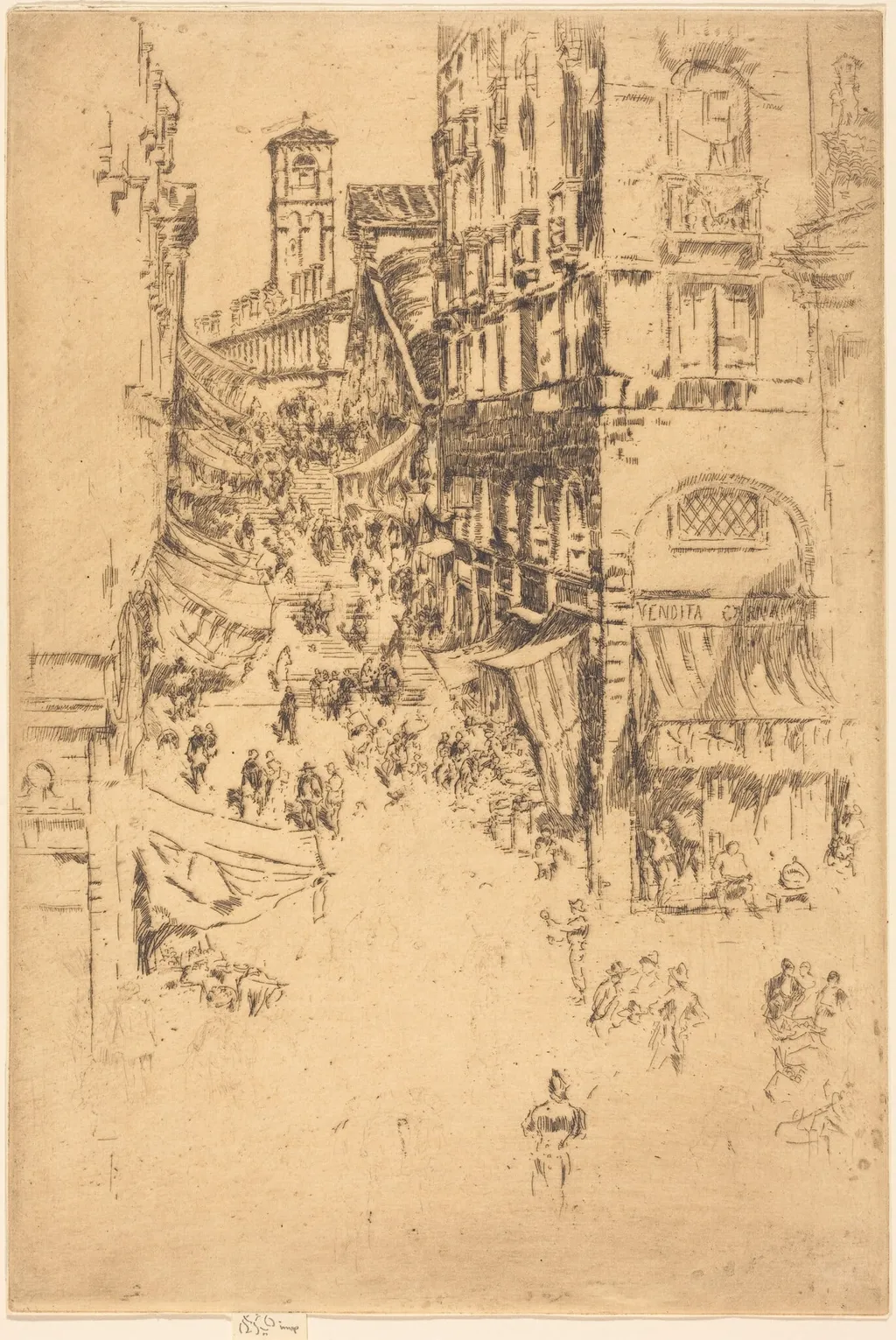
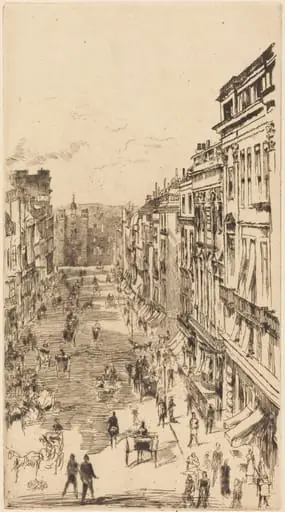
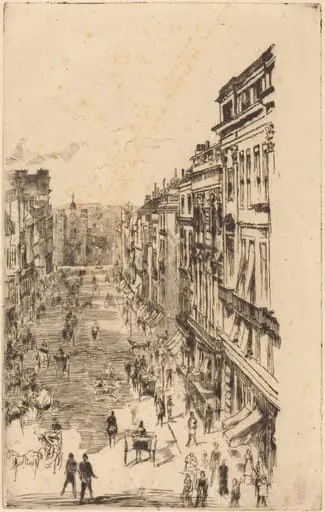
The Rialto is an ink print by the Impressionist artist James McNeill Whistler. It dates from 1880 and is held in the collection of the National Gallery of Art.
About this work
Overview
Created in 1880, *The Rialto* is an etching and dry‑point print executed on laid paper. The work presents a view of Venice’s famous Rialto district, rendered with Whistler’s characteristic restraint and attention to tonal balance.
Subject & Meaning
The image depicts the architectural massing of the Rialto, emphasizing the interplay of light and shadow across its façades. Rather than narrating a historical episode, the composition invites contemplation of the city's atmosphere, aligning with Whistler’s preference for visual harmony over overt sentiment.
Technique & Style
Whistler combined traditional etching—where acid bites lines into a copper plate—with dry‑point, a method that incises lines directly into the metal to produce softer, velvety tones. This hybrid approach allowed him to modulate texture and achieve subtle gradations of gray, reflecting his experimental handling of print media.
History & Provenance
The print emerged during Whistler’s mature period, when he was active in the United Kingdom and engaged with the “art for art’s sake” ethos. It was issued as part of a limited series of Venetian scenes, a subject he revisited in both oil and watercolor, underscoring his sustained interest in urban vistas.
Context
In the late nineteenth century, Whistler’s prints responded to a broader shift toward aesthetic autonomy, rejecting the moralizing tone of earlier Victorian art. His restrained palette and emphasis on tonal harmony positioned him alongside contemporaries who prioritized formal beauty over narrative content.
Artist & collection
Artist
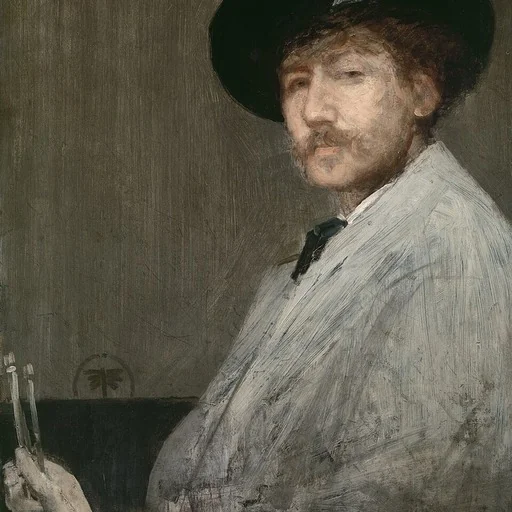
James Abbott McNeill Whistler was an American painter in oils and watercolor, and printmaker, active during the American Gilded Age and based primarily in the United Kingdom.

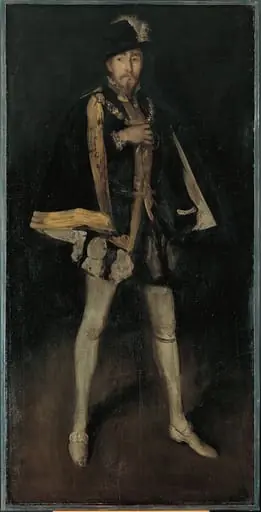 Arrangement in Black, No. 3: Sir Henry Irving as Philip II of Spain
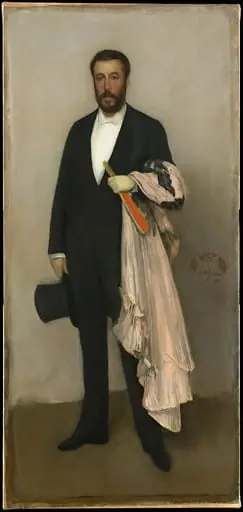 Arrangement in Flesh Colour and Black: Portrait of Theodore Duret
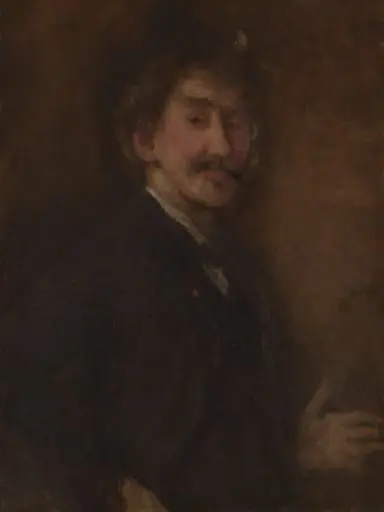 Gold and Brown: Self-Portrait
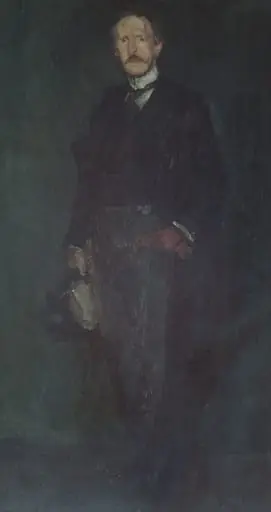 Edward Guthrie Kennedy
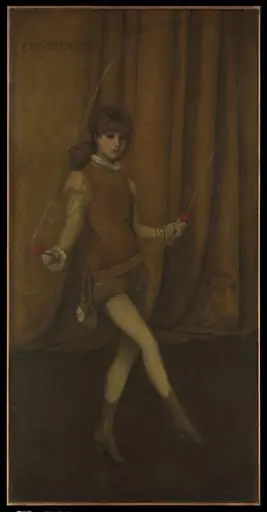 Harmony in Yellow and Gold: The Gold Girl—Connie Gilchrist
 George W. Vanderbilt
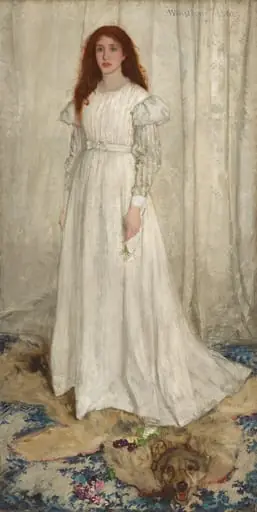 Symphony in White, No. 1: The White Girl
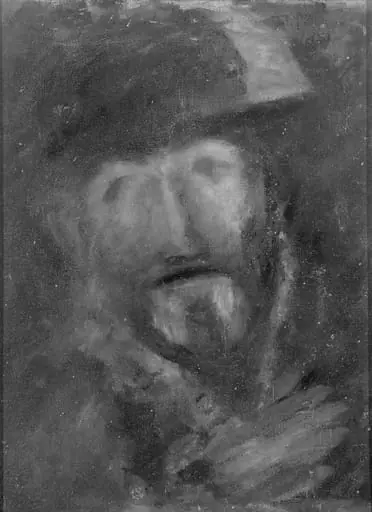 Henry Irving as Philip II of Spain