Artwork
Regent's Quadrant
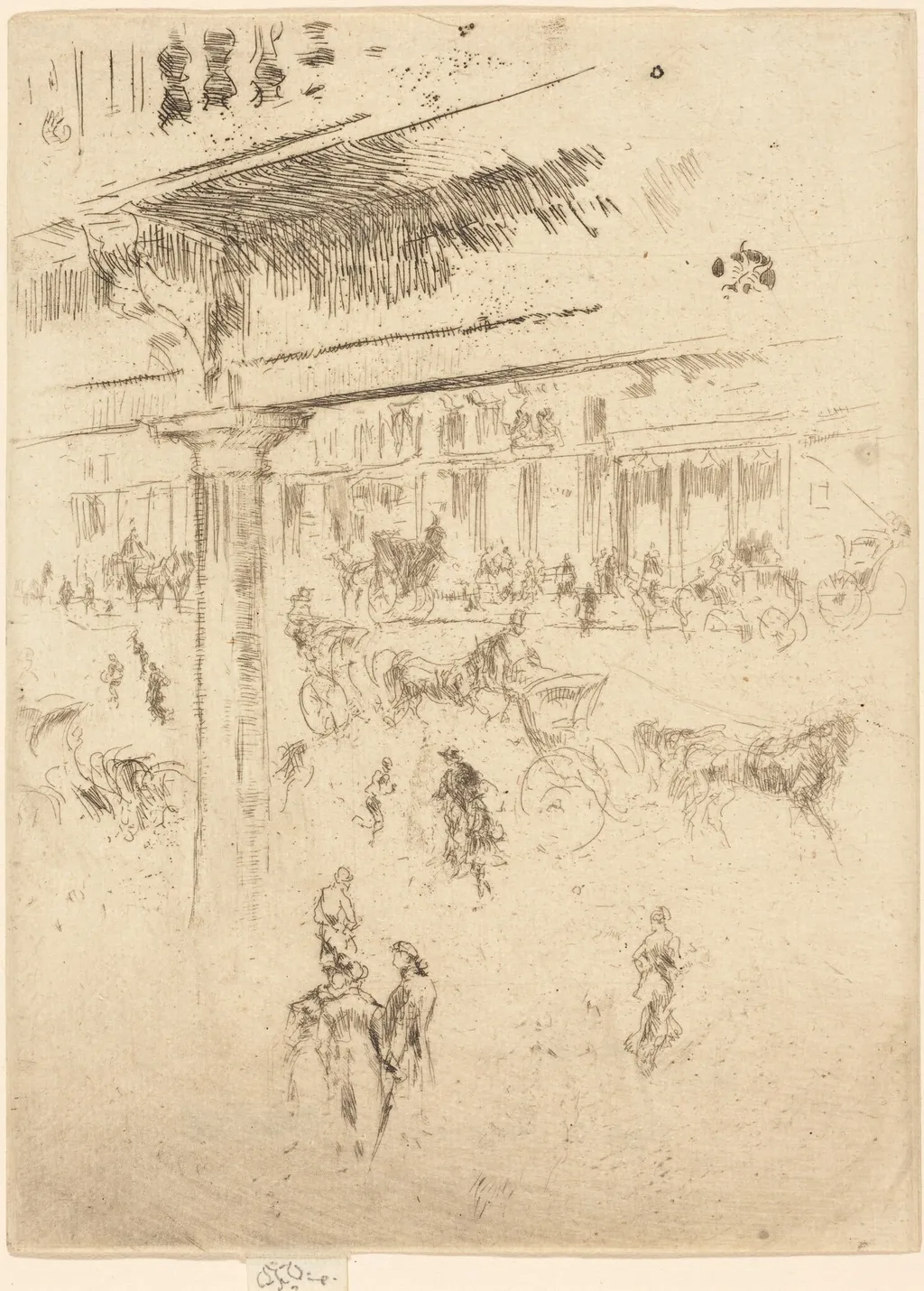
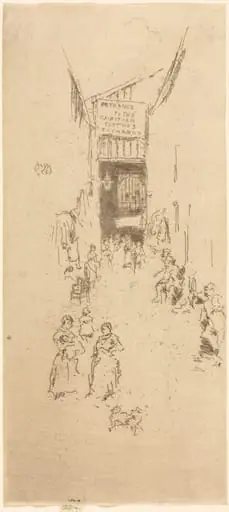
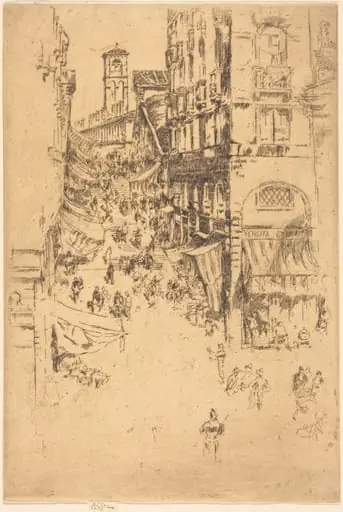
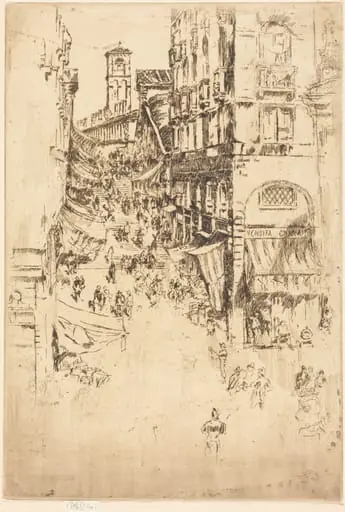
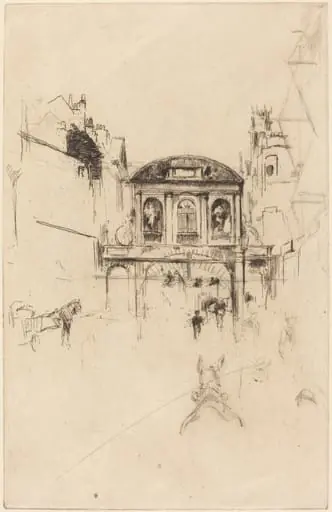
Regent's Quadrant is an ink print by the Impressionist artist James McNeill Whistler. It dates from 1880 and is held in the collection of the National Gallery of Art.
About this work
Overview
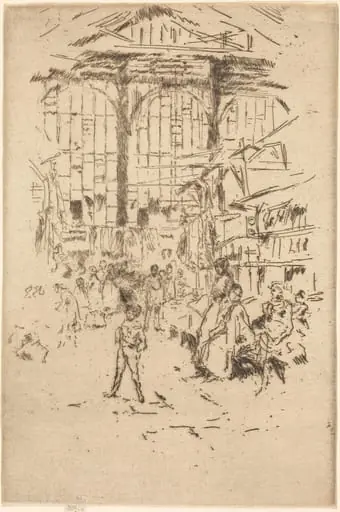
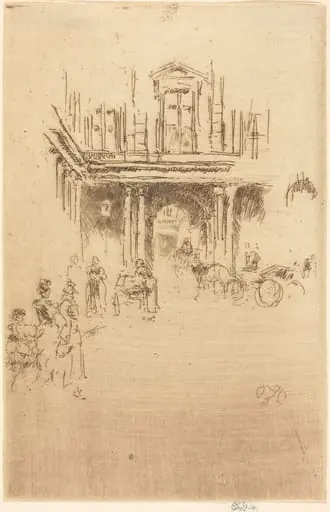
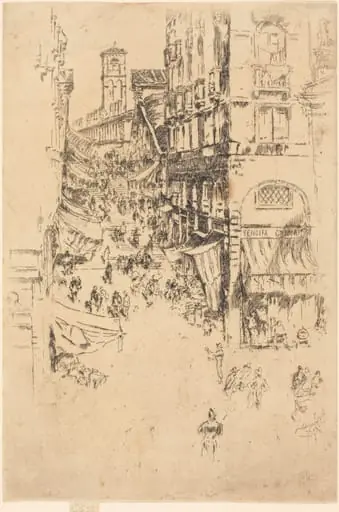
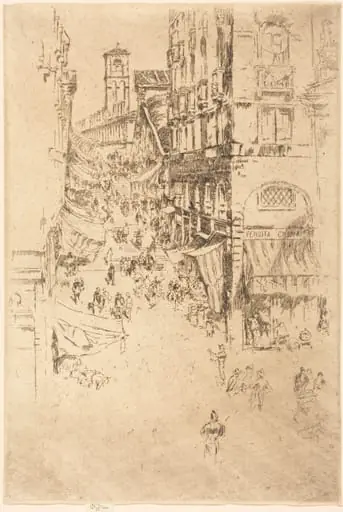
Regent’s Quadrant is an 1880 print by James McNeill Whistler, executed in etching and drypoint on laid paper. The work presents a bustling London street, rendered with a focus on compositional balance rather than narrative detail. Whistler’s characteristic butterfly monogram appears on the plate, marking the impression as part of his mature print output.
Subject & Meaning
The image captures a lively urban thoroughfare, populated by pedestrians and horse‑drawn carriages. Whistler emphasizes the geometric relationship of buildings and the play of light and shadow, suggesting the rhythm of city life without resorting to overt storytelling. The composition reflects his belief in aesthetic experience as the primary purpose of art.
Technique & Style
Combining traditional etching with drypoint, Whistler exploits the fine lines of the former and the rich, velvety burr of the latter to produce varied tonal contrasts. The laid‑paper surface adds a subtle texture that enhances the sketch‑like, impressionistic quality of the scene. Loose, expressive strokes convey movement, while darker values delineate architectural forms.
History & Provenance
Created during Whistler’s productive period in the United Kingdom, Regent’s Quadrant was issued as part of a series of city views that he produced in the late 1870s and early 1880s. The print has circulated through private collections and museum holdings, consistently identified by Whistler’s butterfly signature and documented in early catalogues of his print work.
Artist & collection
Artist
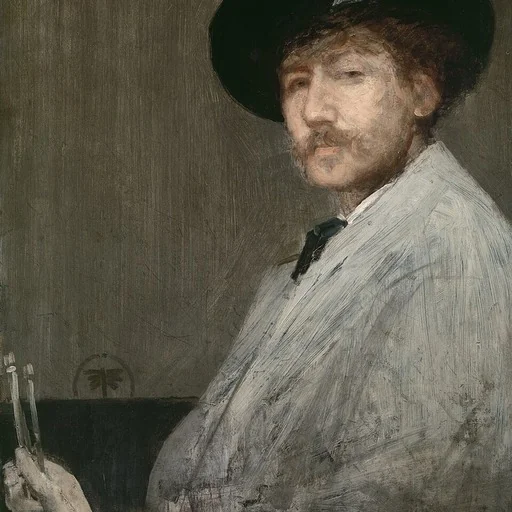
James Abbott McNeill Whistler was an American painter in oils and watercolor, and printmaker, active during the American Gilded Age and based primarily in the United Kingdom.

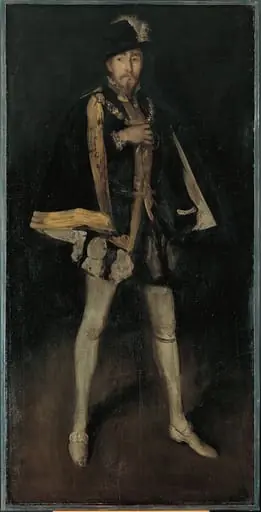 Arrangement in Black, No. 3: Sir Henry Irving as Philip II of Spain
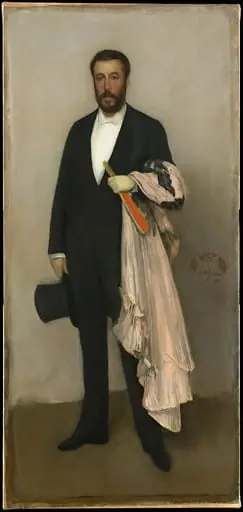 Arrangement in Flesh Colour and Black: Portrait of Theodore Duret
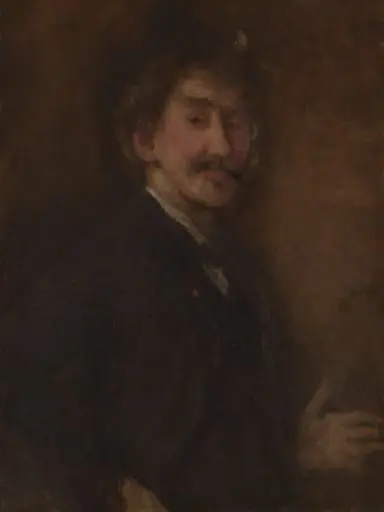 Gold and Brown: Self-Portrait
 Edward Guthrie Kennedy
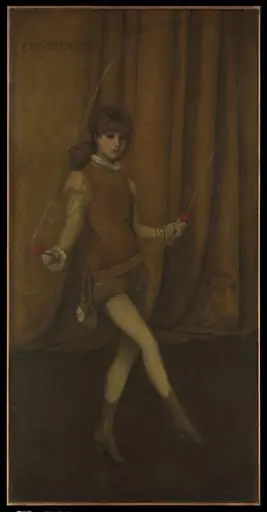 Harmony in Yellow and Gold: The Gold Girl—Connie Gilchrist
 George W. Vanderbilt
 Symphony in White, No. 1: The White Girl
 Henry Irving as Philip II of Spain