Artwork
The Steamboat, Venice
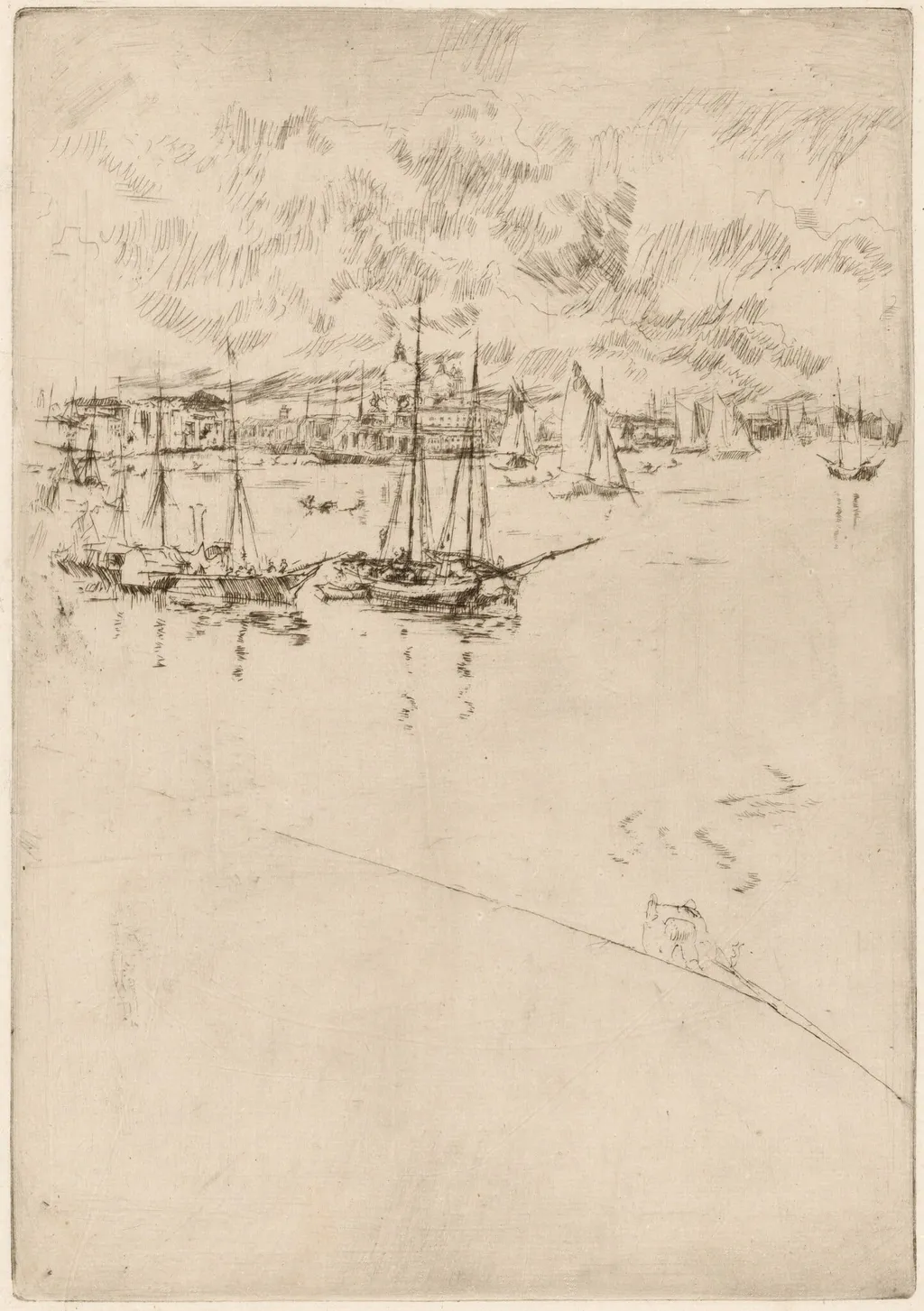
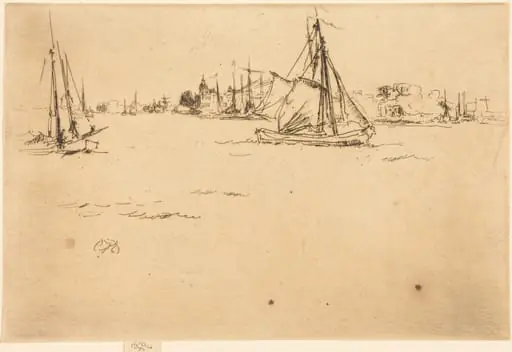
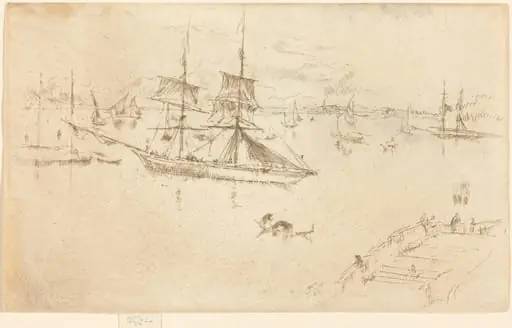
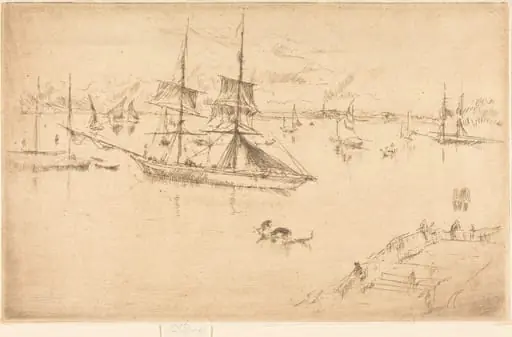
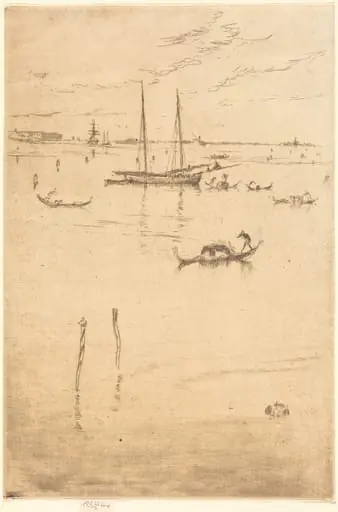
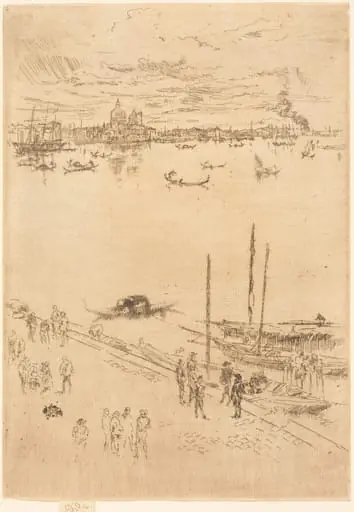
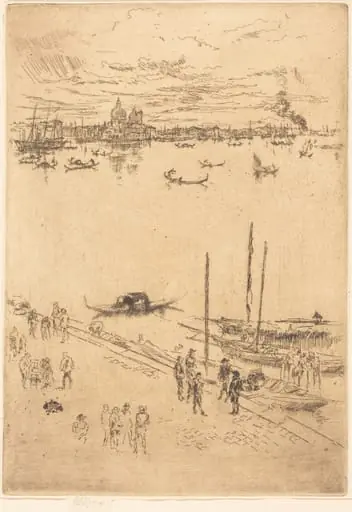
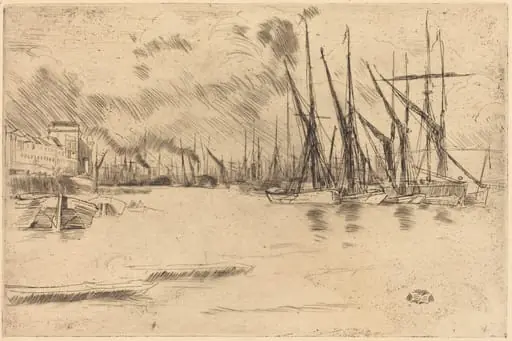
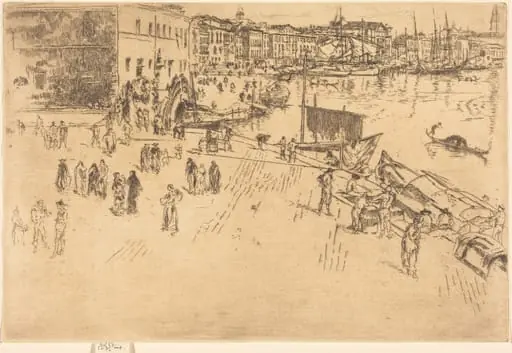
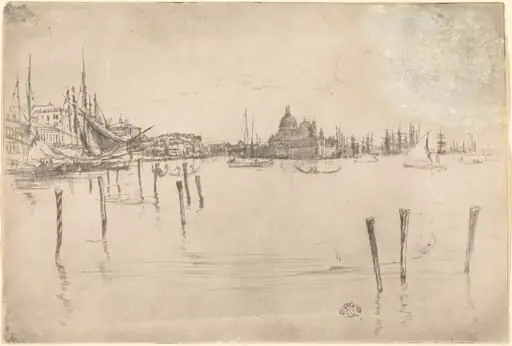
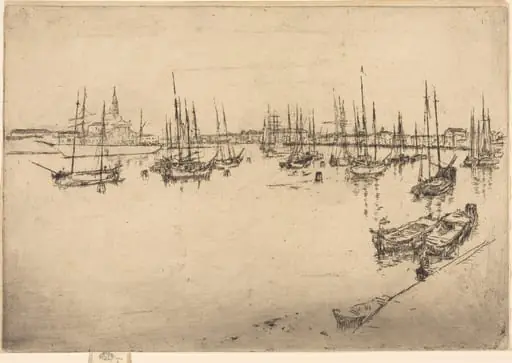
The Steamboat, Venice is an ink print by the Impressionist artist James McNeill Whistler. It dates from 1880 and is held in the collection of the National Gallery of Art.
About this work
Overview
Unlike traditional narrative scenes, it prioritizes mood and form over storytelling, reflecting his commitment to aesthetic harmony over illustrative content.
Created in 1880, *The Steamboat, Venice* is an etching and drypoint on laid paper by James Abbott McNeill Whistler, produced during his stay in Venice. The work belongs to a series of prints in which Whistler explored urban waterways, capturing fleeting moments with minimal detail. Unlike traditional narrative scenes, it prioritizes mood and form over storytelling, reflecting his commitment to aesthetic harmony over illustrative content.
Subject & Meaning
The print depicts a single steamboat gliding along a Venetian canal, its form rendered with soft, attenuated lines. No figures or architecture dominate the scene; the vessel stands alone against a muted expanse of water and sky. This isolation suggests contemplation rather than activity, aligning with Whistler’s interest in quiet, transient moments. The absence of overt symbolism invites attention to the balance of light, shadow, and line.
Technique & Style
Whistler combined etching and drypoint to achieve subtle gradations of tone. The drypoint’s burr creates rich, velvety blacks, while the etched lines define the boat’s silhouette with precision. Laid paper’s texture enhances the atmospheric effect, softening contrasts. His approach avoids heavy detail, instead using sparse marks to suggest form and movement—characteristic of his tonalist aesthetic and rejection of literal representation.
History & Provenance
Whistler produced this print during a productive period in Venice, where he focused on etchings of the city’s canals and architecture. The work was likely made for his personal portfolio and later circulated among collectors of fine prints. It was never part of a large commercial edition, preserving its intimate scale and experimental character. Its survival reflects its significance within his printmaking oeuvre.
Context
In the 1880s, Whistler was refining his theory of 'art for art's sake,' distancing himself from academic traditions and moralizing themes. His Venetian prints emerged alongside similar explorations by European etchers, yet his emphasis on tonal nuance and compositional rhythm set him apart. This work reflects broader shifts in printmaking toward personal expression and technical innovation over narrative clarity.
Legacy
Though not widely exhibited in his lifetime, *The Steamboat, Venice* exemplifies Whistler’s influence on modern printmaking. His restrained technique and focus on atmosphere inspired later artists to treat etching as a medium for poetic suggestion rather than documentary detail. The print remains a touchstone in studies of late 19th-century aestheticism and the evolution of tonal printmaking.
Own this work as a print
Artist & collection
Artist
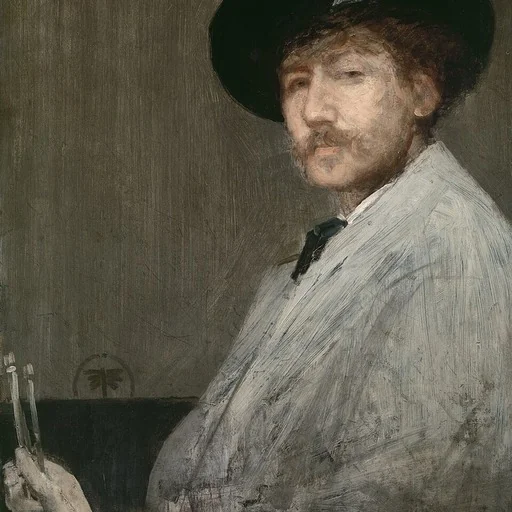
James Abbott McNeill Whistler was an American painter in oils and watercolor, and printmaker, active during the American Gilded Age and based primarily in the United Kingdom.

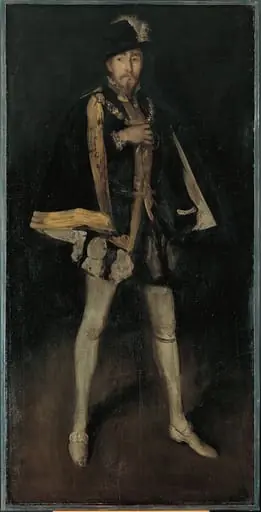 Arrangement in Black, No. 3: Sir Henry Irving as Philip II of Spain
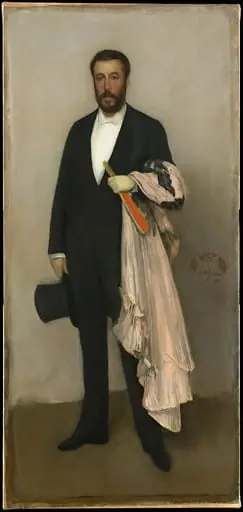 Arrangement in Flesh Colour and Black: Portrait of Theodore Duret
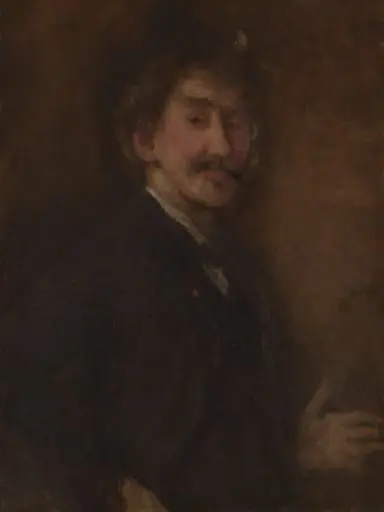 Gold and Brown: Self-Portrait
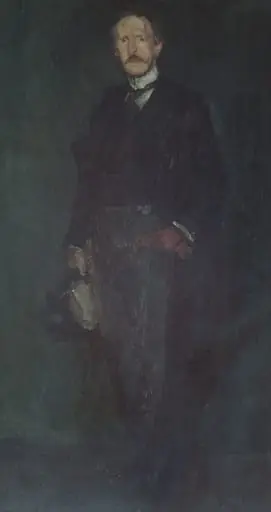 Edward Guthrie Kennedy
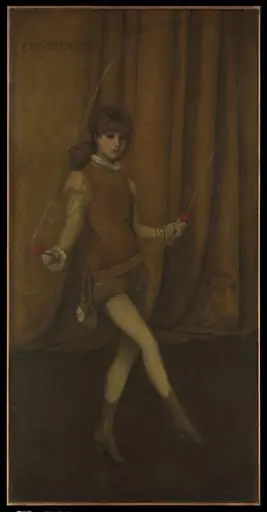 Harmony in Yellow and Gold: The Gold Girl—Connie Gilchrist
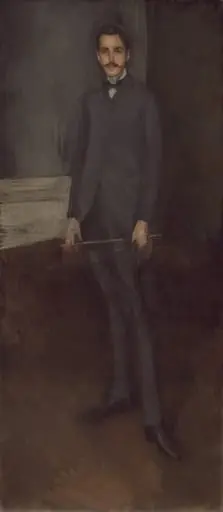 George W. Vanderbilt
 Symphony in White, No. 1: The White Girl
 Henry Irving as Philip II of Spain