Artwork
The Unsafe Tenement
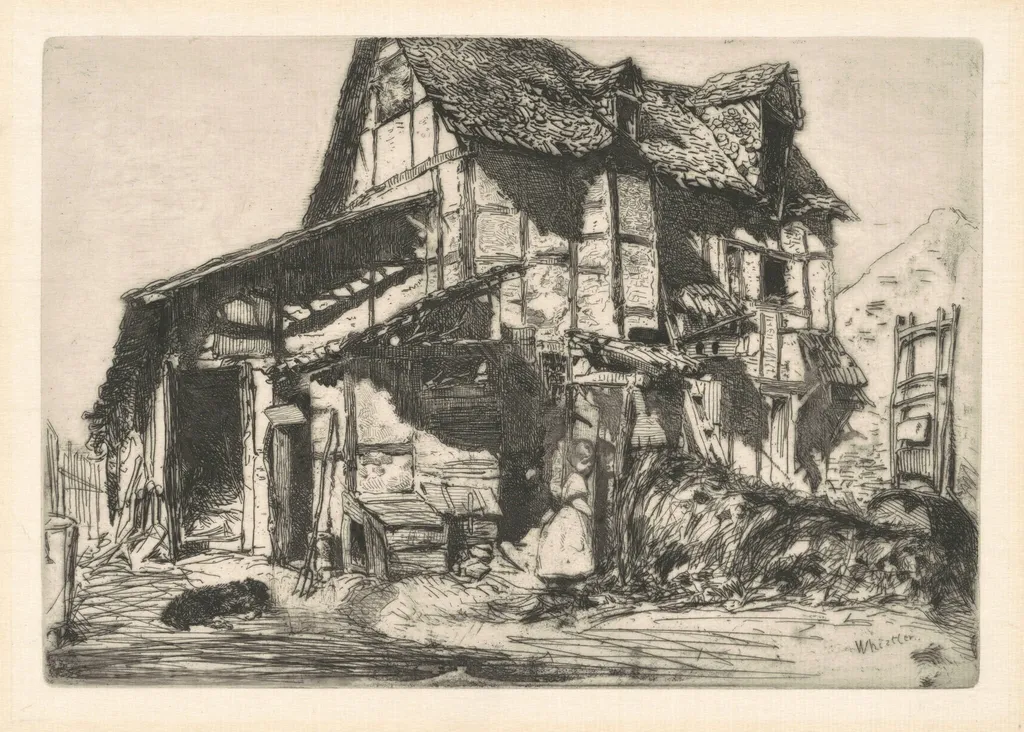
The Unsafe Tenement is an ink print by the Impressionist artist James McNeill Whistler. It dates from 1858 and is held in the collection of the National Gallery of Art.
About this work
Overview
The work belongs to Whistler’s series of urban studies, where architecture becomes a silent witness to social conditions.
The Unsafe Tenement is a monochrome etching by James McNeill Whistler, rendered in black ink on laid paper. It depicts a dilapidated urban structure, its surfaces marked by time and neglect. The composition emphasizes texture over detail, using fine lines to suggest decay without literal representation. The work belongs to Whistler’s series of urban studies, where architecture becomes a silent witness to social conditions.
Subject & Meaning
The subject is a neglected tenement building, its peeling paint and broken shutters indicating long-term disrepair. A solitary figure near the entrance provides no narrative, only scale and quiet presence. The absence of activity or human interaction suggests isolation, reinforcing the building’s abandonment. Whistler treats the structure not as a home but as an artifact of urban entropy.
Technique & Style
Whistler employed etching with drypoint to achieve rich, tactile surfaces. The metal plate was incised with a needle, creating burrs that held ink and produced soft, fuzzy lines. This technique, combined with controlled aquatint, allowed subtle gradations of gray and deep black. The result is a textured surface that mimics weathered wood and crumbling stone, prioritizing atmosphere over architectural precision.
History & Provenance
Created in the 1880s during Whistler’s time in London, the print emerged from his interest in documenting the city’s overlooked architecture. It was likely produced in a small, private edition, circulated among collectors and fellow artists. The work was never widely exhibited, remaining a quiet study rather than a public statement, and its early ownership remains largely undocumented.
Context
This print reflects Whistler’s shift from grand portraiture to intimate urban observations, influenced by Japanese prints and the Aesthetic Movement’s emphasis on mood over narrative. Contemporary industrial expansion was transforming London’s neighborhoods, and Whistler’s focus on decay contrasts with prevailing ideals of progress. His work here aligns with a broader artistic turn toward the poetic potential of ruin.
Legacy
The Unsafe Tenement exemplifies Whistler’s contribution to printmaking as a medium for emotional resonance rather than documentary clarity. Its influence can be seen in later artists who used etching to convey urban alienation. Though not widely known, it remains a key example of how technical precision in printmaking can evoke psychological depth through minimal means.
Own this work as a print
Artist & collection
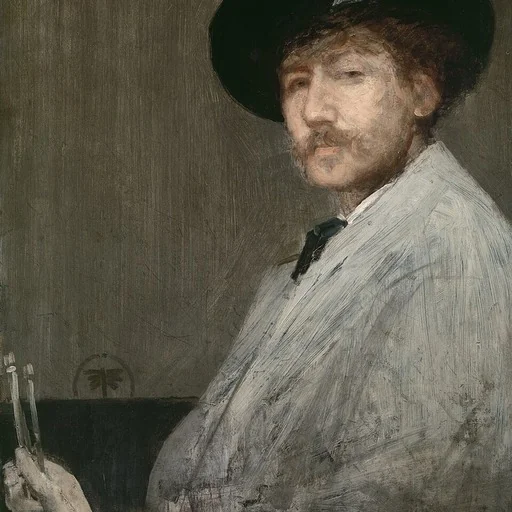
Artist
James Abbott McNeill Whistler was an American painter in oils and watercolor, and printmaker, active during the American Gilded Age and based primarily in the United Kingdom.

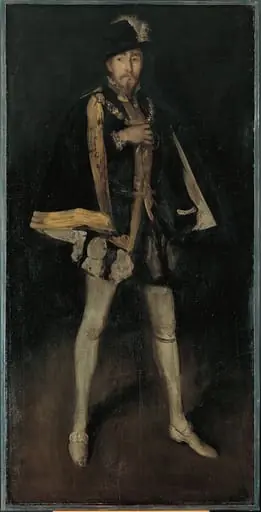 Arrangement in Black, No. 3: Sir Henry Irving as Philip II of Spain
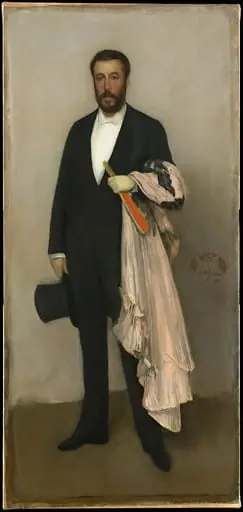 Arrangement in Flesh Colour and Black: Portrait of Theodore Duret
 Gold and Brown: Self-Portrait
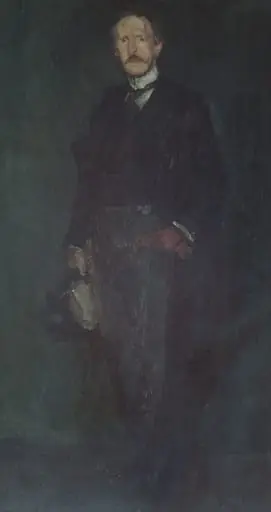 Edward Guthrie Kennedy
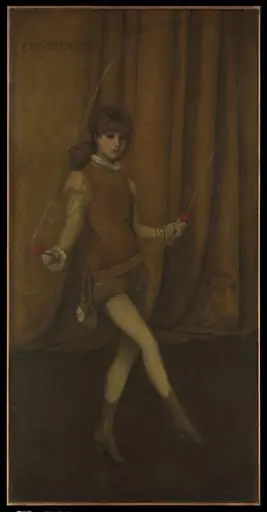 Harmony in Yellow and Gold: The Gold Girl—Connie Gilchrist
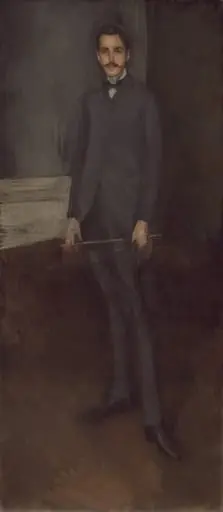 George W. Vanderbilt
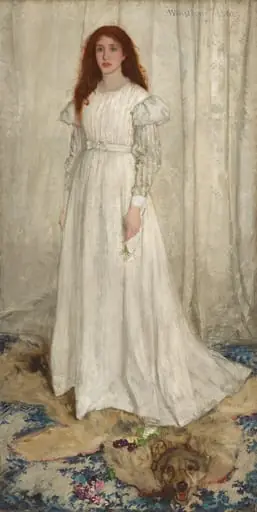 Symphony in White, No. 1: The White Girl
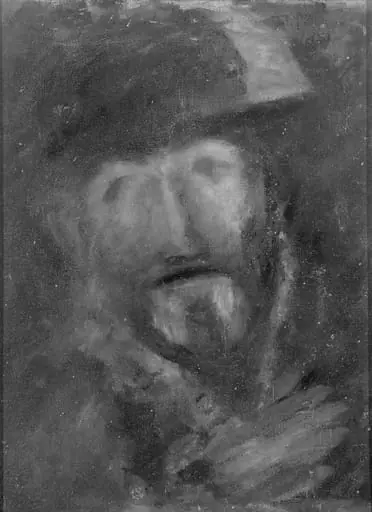 Henry Irving as Philip II of Spain