Artwork
Tillie: A Model
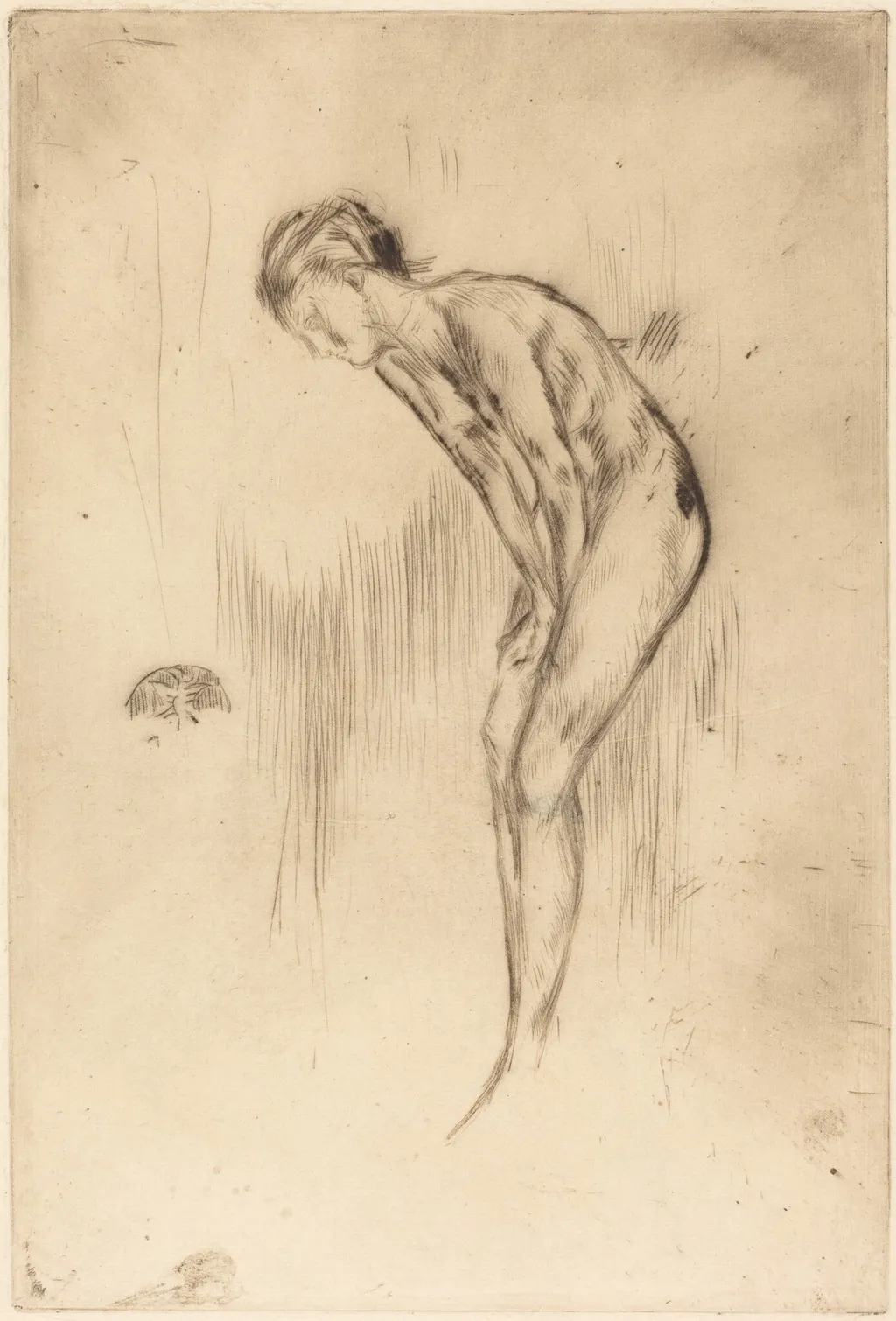
Tillie: A Model is an ink print by the Impressionist artist James McNeill Whistler. It dates from 1873 and is held in the collection of the National Gallery of Art.
About this work
Overview
Created in 1873, *Tillie: A Model* is a drypoint print by James McNeill Whistler, capturing a woman in a private, unposed moment.
Created in 1873, *Tillie: A Model* is a drypoint print by James McNeill Whistler, capturing a woman in a private, unposed moment. Executed on laid paper, the work exemplifies Whistler’s shift toward intimate, non-narrative imagery during his time in Britain. The figure, identified as a model, is rendered with minimal detail, emphasizing atmosphere over storytelling. Whistler’s butterfly signature, with its elongated tail, appears near the lower edge, signaling his personal stamp on the work.
Subject & Meaning
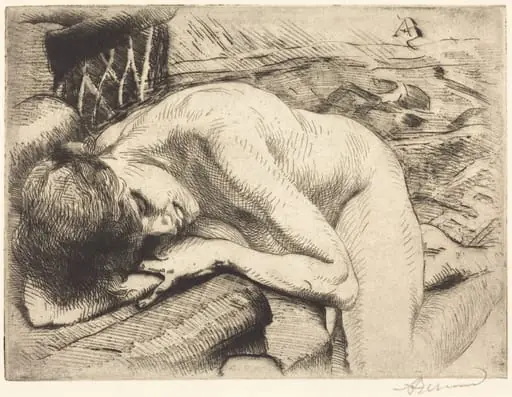
The subject is a woman seated in a relaxed, sideways pose, her back curved as she supports herself on one arm. Her legs are drawn up, hair pulled back, suggesting a pause between poses. There is no indication of narrative or moral intent; instead, the focus lies in the quiet dignity of the moment. Whistler treats the model not as a symbol but as a presence, inviting contemplation of form and stillness rather than biography.
Technique & Style
Whistler employed drypoint, scratching directly into the paper’s surface with a sharp tool to create dense, velvety lines. The resulting marks are irregular and spontaneous, conveying motion and texture through rough, overlapping strokes. The paper’s natural grain and faint smudges enhance the tactile quality, while the off-white ground allows subtle tonal shifts to emerge. The technique balances fragility with force, mirroring the subject’s poised yet relaxed posture.
History & Provenance
The print emerged during Whistler’s most prolific period of etching and drypoint work, produced in London amid his growing reputation for aesthetic experimentation. It was part of a series exploring domestic and studio scenes, often featuring models in unguarded moments. The work remained within private collections in Europe and the United States, rarely exhibited publicly, preserving its quiet, intimate character.
Context
In the 1870s, Whistler rejected the dominant Victorian emphasis on moral or historical themes in art. Influenced by Japanese prints and French Realism, he pursued compositions centered on harmony, tone, and composition. *Tillie: A Model* aligns with this philosophy, reflecting a broader movement toward art valued for its sensory qualities rather than its message, a stance that challenged contemporary norms in both Britain and America.
Legacy
The print contributed to the redefinition of printmaking as a medium for personal expression rather than reproduction. Whistler’s use of drypoint in such intimate works influenced later artists seeking to capture fleeting moments with direct, tactile marks. Though not widely known, *Tillie: A Model* remains a quiet testament to his commitment to aesthetic autonomy and the expressive potential of the drawn line.
Artist & collection
Artist
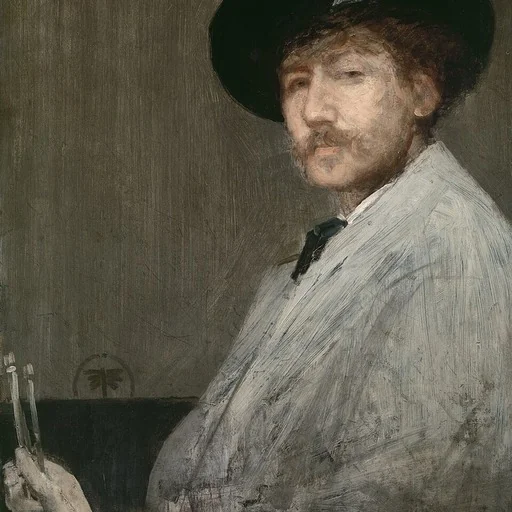
James Abbott McNeill Whistler was an American painter in oils and watercolor, and printmaker, active during the American Gilded Age and based primarily in the United Kingdom.

 Arrangement in Black, No. 3: Sir Henry Irving as Philip II of Spain
 Arrangement in Flesh Colour and Black: Portrait of Theodore Duret
 Gold and Brown: Self-Portrait
 Edward Guthrie Kennedy
 Harmony in Yellow and Gold: The Gold Girl—Connie Gilchrist
 George W. Vanderbilt
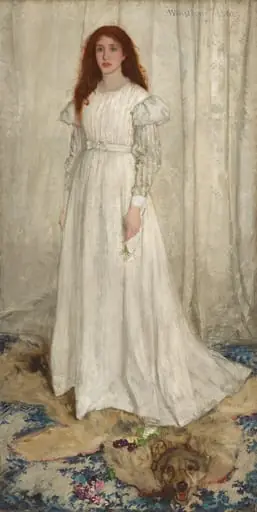 Symphony in White, No. 1: The White Girl
 Henry Irving as Philip II of Spain
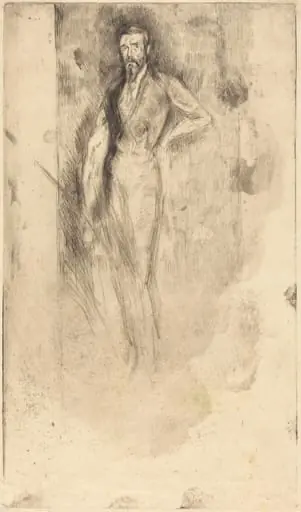 F. R. Leyland
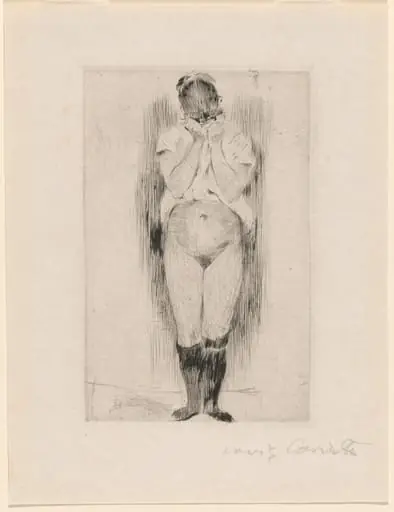 Crying Girl
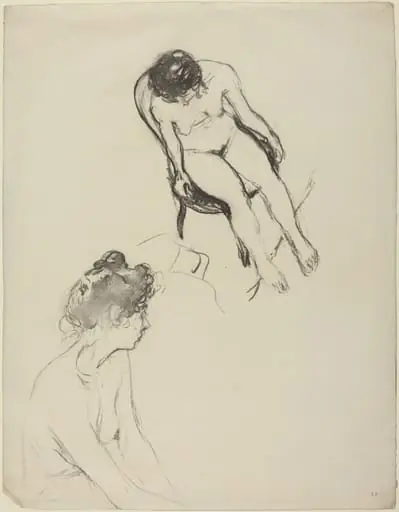 Two Nude Figure Studies
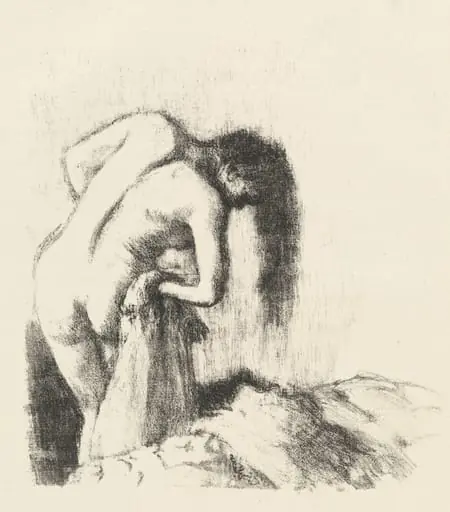 After the Bath (La sortie du bain (Petite planche))
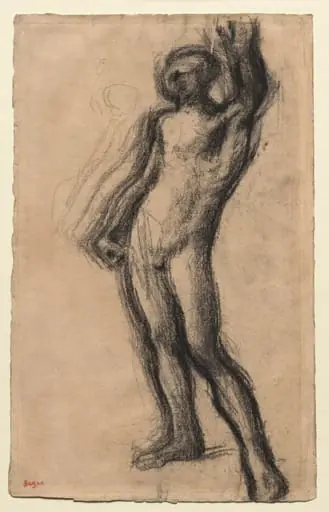 Nude Man Standing, with Left Hand Raised
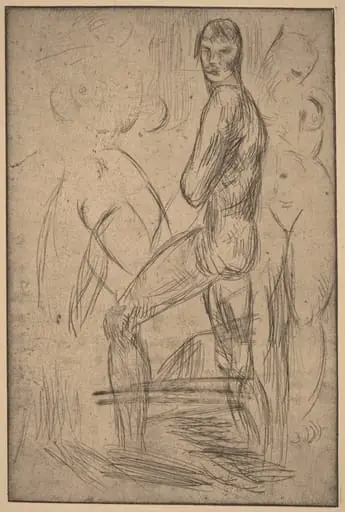 Standing Male Nude and Two Female Nudes
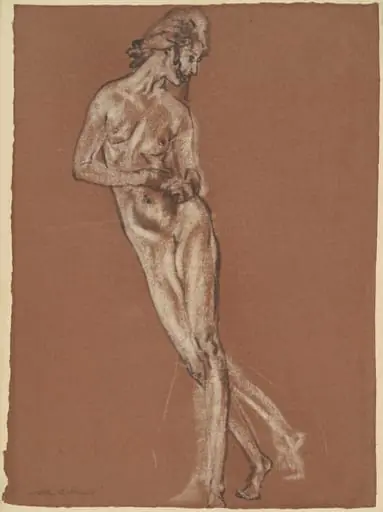 Study for "Stars and Dews and Dreams of Night"
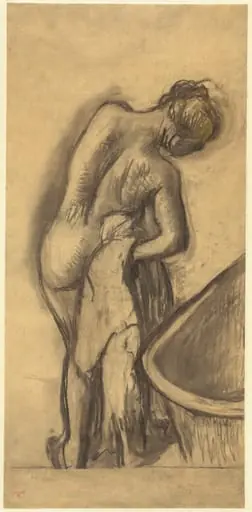 After the Bath: Woman Drying Herself
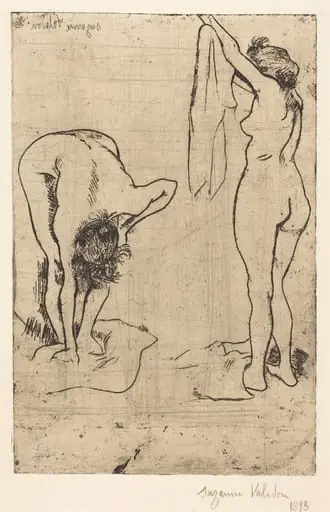 Femmes s'essuyant (Women Drying Themselves)
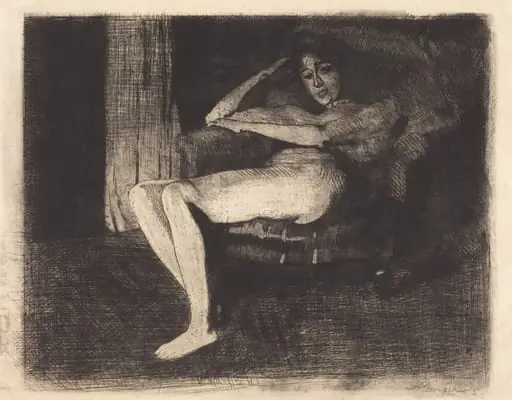 Intimate Fantasy (Féerie intime)
 Model Asleep on the Floor (Le modèle endormi à terre)
 Akt mit hochgehobenem Hemd (Woman Undressing)