Artwork
Crying Girl
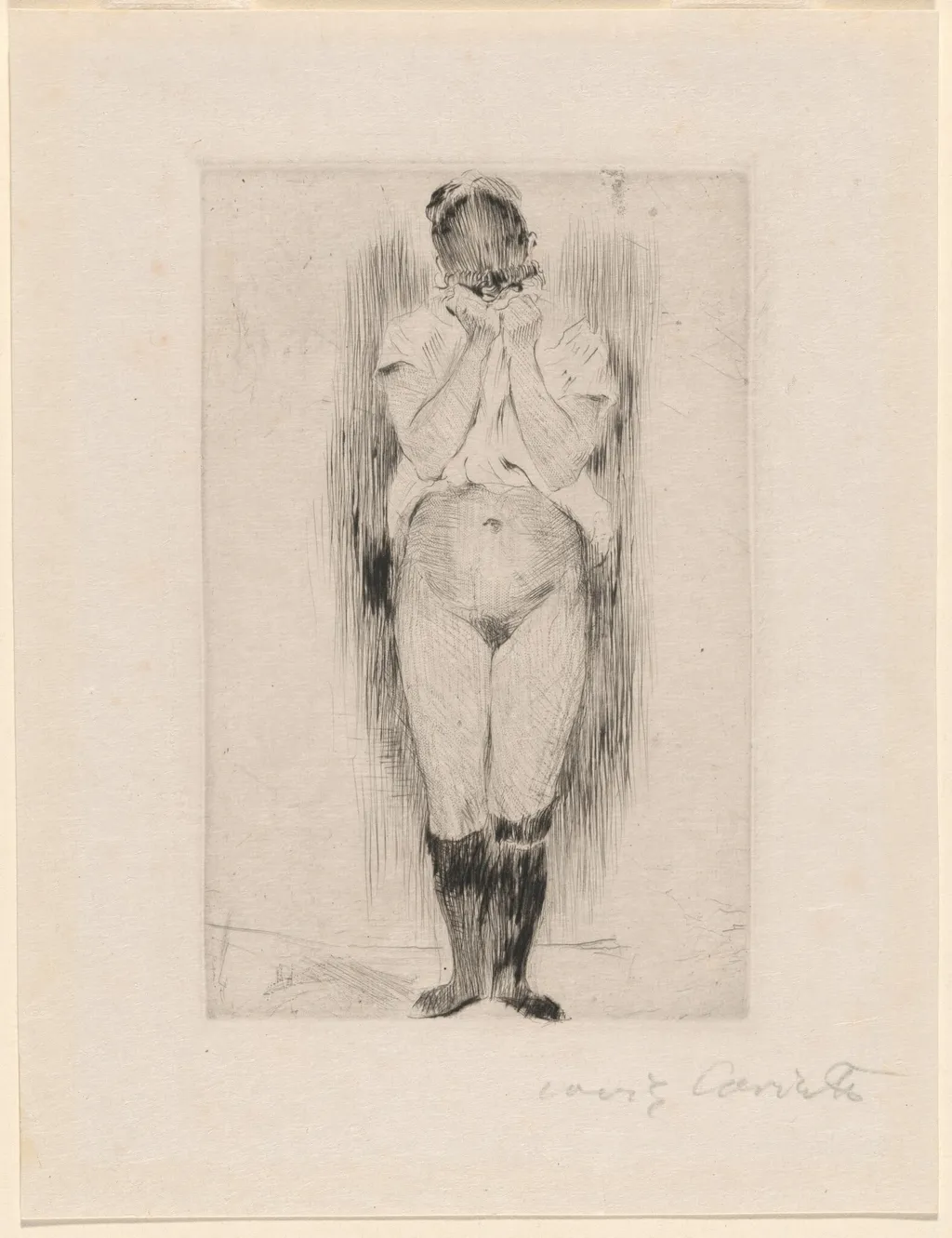
Crying Girl is an ink print by the Impressionist artist Lovis Corinth. It dates from 1899 and is held in the collection of the National Gallery of Art.
About this work
Overview
Crying Girl is an 1899 etching in black on wove paper by German artist Lovis Corinth, capturing a moment of intense emotional distress in a woman.
Subject & Meaning
The print depicts a woman standing with arms crossed, her face and posture conveying visible anguish. Her simple attire and pulled-back hair focus attention on her emotional state rather than social status.
Technique & Style
Executed in stark monochrome, the etching features rough, wavy lines and scratchy marks characteristic of the medium. Corinth's technique here blends impressionistic spontaneity with expressive, almost nervous, brushwork, foreshadowing his later expressionist phase.
History & Provenance
Created during Corinth's transitional period in the late 1890s, the work reflects his evolving style. Trained in Paris and Munich, Corinth was then a leading figure in the Berlin Secession, though this piece predates his full embrace of expressionism after a 1911 stroke.
Context
Crying Girl sits at the cusp of Corinth's stylistic shift, combining naturalistic training with emerging expressive tendencies, characteristic of the broader artistic movements in Europe at the turn of the 20th century.
Legacy
While not explicitly revolutionary, Crying Girl contributes to the narrative of Corinth's gradual move towards expressionism, influencing subsequent generations of printmakers and expressionist artists.
Artist & collection

Artist
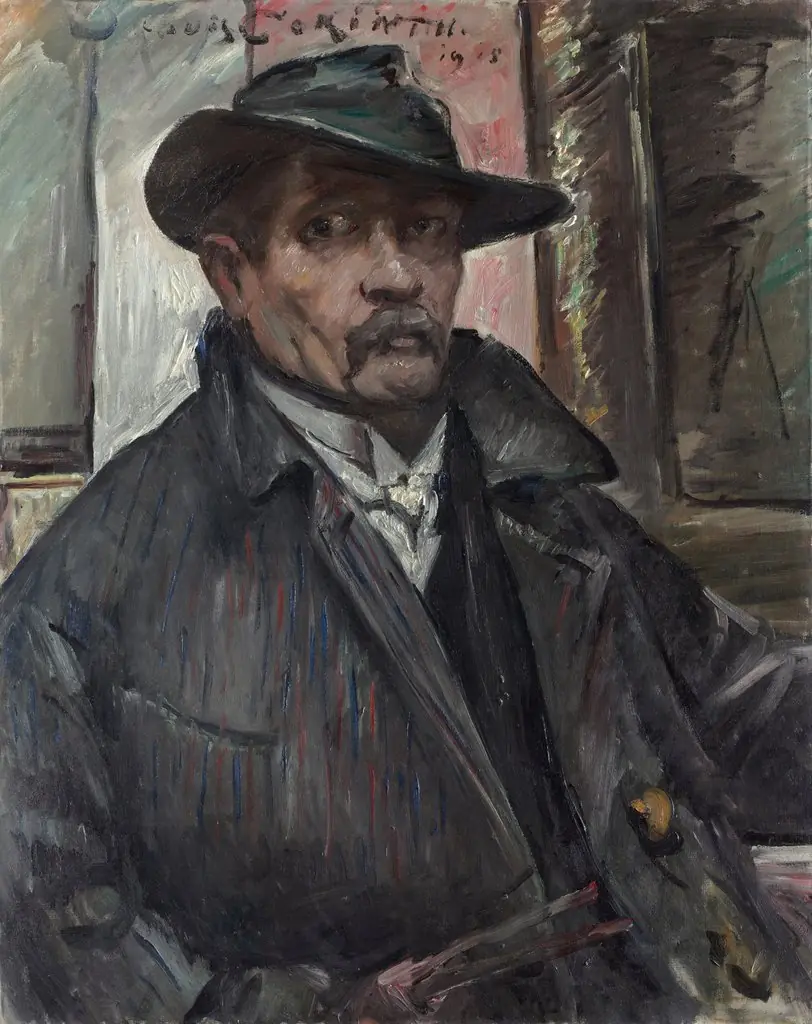
Lovis Corinth was a German artist and writer whose mature work as a painter and printmaker realized a synthesis of impressionism and expressionism.

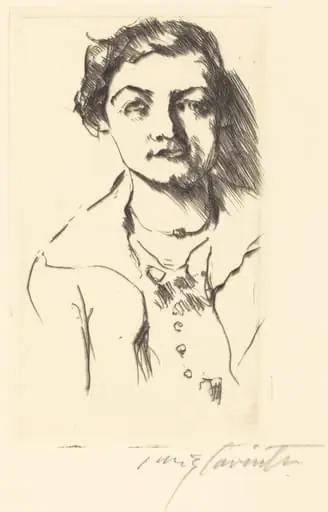
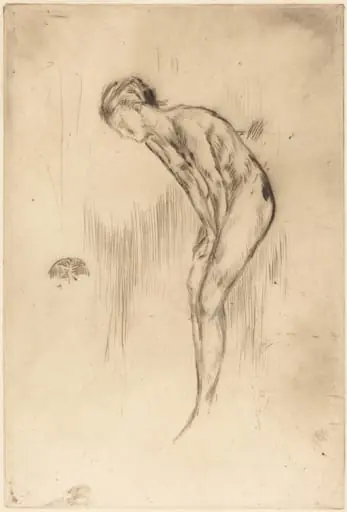 Tillie: A Model
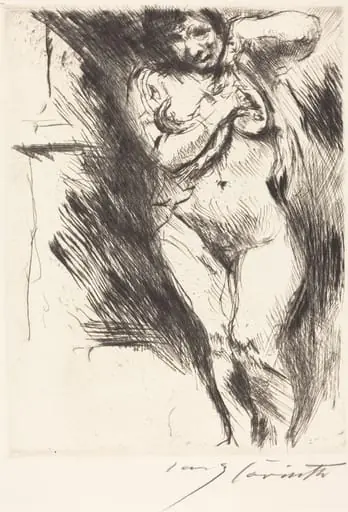 Akt mit hochgehobenem Hemd (Woman Undressing)
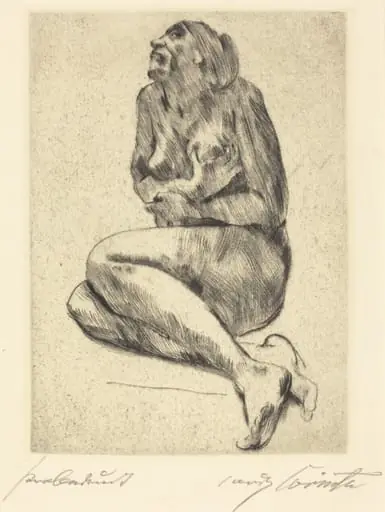 Kauernder weiblicher akt (Crouching Female Nude)
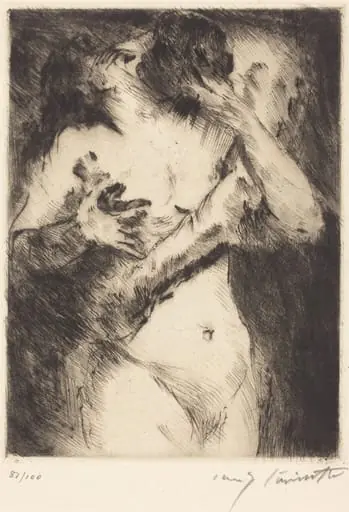 Der Kuss (The Kiss)
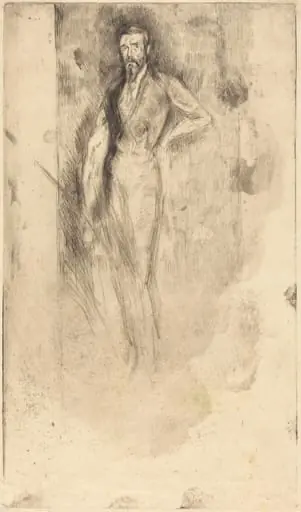 F. R. Leyland
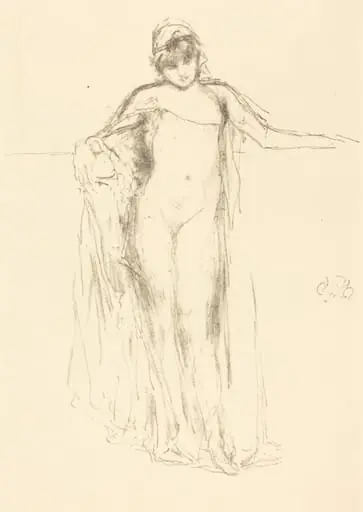 Draped Model, Standing
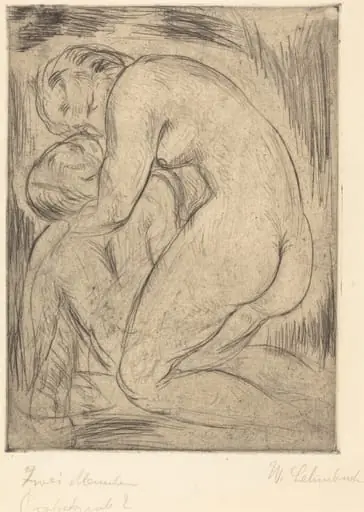 The Dead Man (Der tote Mann)
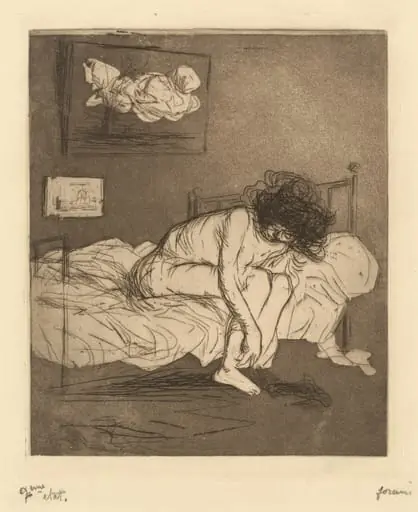 Femme mettant son bas (Woman Putting On Her Stockings)
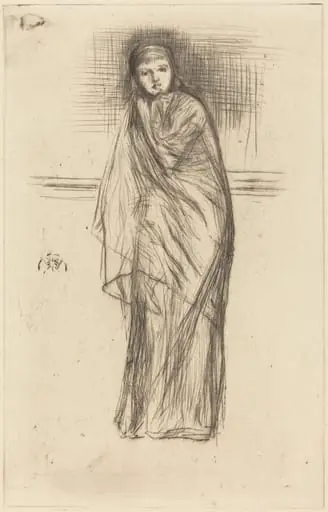 Draped Model
 Untitled
 Untitled
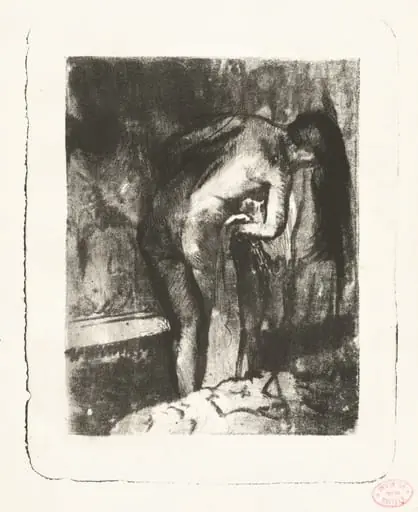 Après le Bain II (After the Bath II)