Artwork
Two Ships
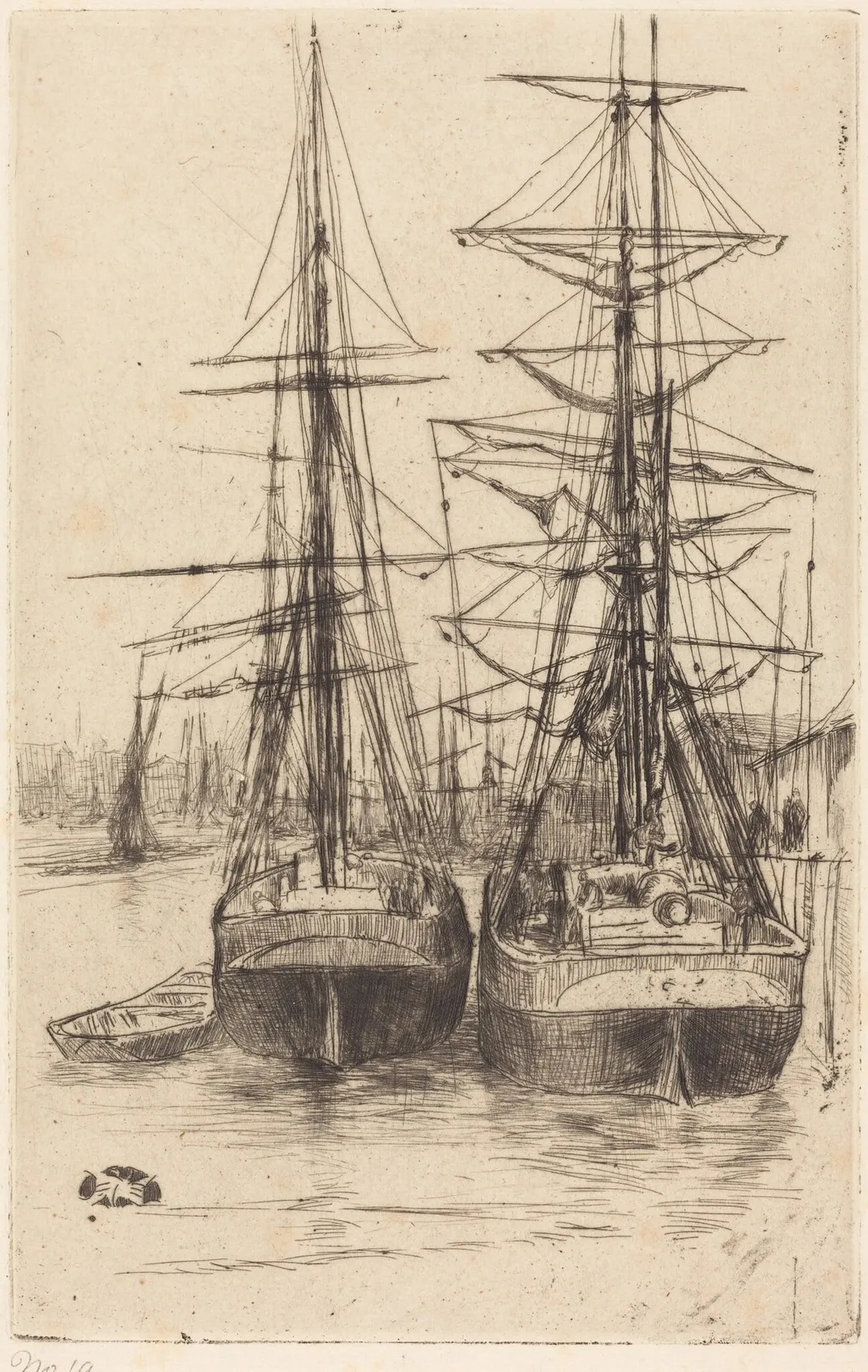
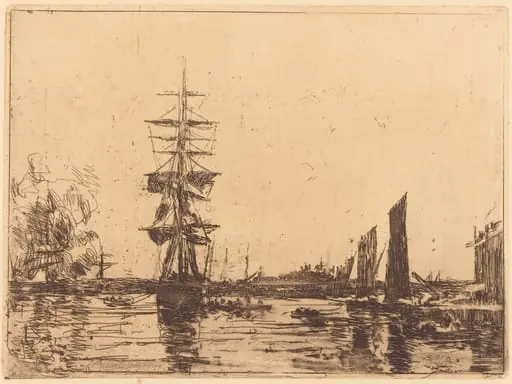
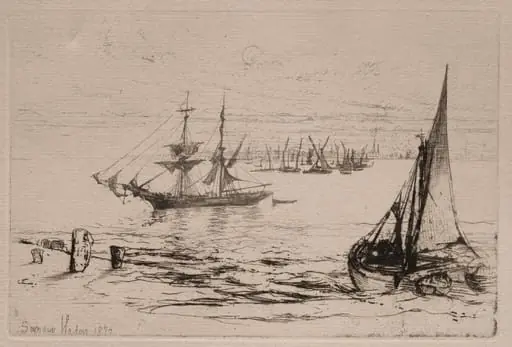
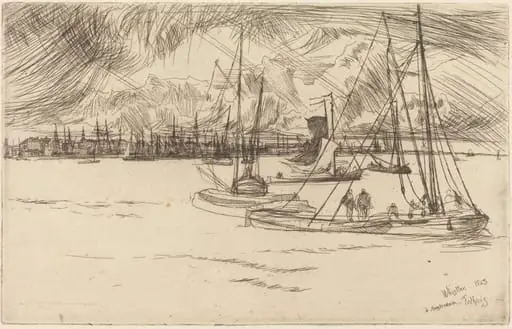
Two Ships is an ink print by the Impressionist artist James McNeill Whistler. It dates from 1875 and is held in the collection of the National Gallery of Art.
About this work
Overview
It belongs to a body of maritime works produced during his time in Britain, where he focused on quiet, atmospheric scenes rather than dramatic narratives.
Created in 1875, *Two Ships* is an etching and drypoint on laid paper by James Abbott McNeill Whistler. It belongs to a body of maritime works produced during his time in Britain, where he focused on quiet, atmospheric scenes rather than dramatic narratives. The print captures a harbor at rest, with two vessels anchored near one another, their forms rendered with minimal yet precise lines. Whistler’s approach prioritizes tonal harmony over detail, reflecting his commitment to aesthetic balance.
Subject & Meaning
The composition centers on two moored ships, one slightly larger than the other, positioned side by side in a calm harbor. Background elements—other vessels and distant structures—are suggested rather than defined, dissolving into soft gradations of ink. The scene conveys stillness and solitude, avoiding storytelling in favor of mood. Whistler’s intent was not to document a specific location but to evoke a sensory impression of maritime quietude, aligning with his belief in art as an arrangement of form and tone.
Technique & Style
Whistler employed etching and drypoint to achieve subtle variations in line and texture. The drypoint’s burr creates rich, velvety blacks, while the etched lines define the ships’ masts and rigging with restrained precision. He minimized detail in the background, allowing the paper’s tone to suggest atmosphere. This restrained technique, favoring suggestion over description, reflects his alignment with aestheticism—where composition and tonal rhythm outweigh literal representation.
History & Provenance
Produced during Whistler’s most active period as a printmaker, *Two Ships* was part of a series of harbor scenes he developed in the mid-1870s. It was likely printed in small editions, typical of his private, collector-focused practice. The work remained within European and American private collections after its creation, with no major institutional acquisition until the 20th century. Its survival in good condition reflects careful handling by early owners who valued its technical subtlety.
Context
Whistler worked amid the rise of Aestheticism in Britain, a movement that rejected moral or narrative content in favor of beauty and formal harmony. While contemporaries like the Impressionists captured light and movement, Whistler pursued stillness and tonal nuance. His maritime prints, including *Two Ships*, responded to Japanese woodblock prints and the English tradition of etching, blending Eastern simplicity with Western technical discipline to create a new visual language.
Legacy
Though less celebrated than his paintings, Whistler’s prints like *Two Ships* influenced later generations of printmakers who valued restraint and atmospheric suggestion. His emphasis on tonal composition over detail helped redefine etching as a medium for poetic expression rather than reproduction. The work remains a touchstone for studies in aesthetic theory and the evolution of printmaking in the late 19th century, admired for its quiet discipline and refined economy of means.
Own this work as a print
Artist & collection
Artist
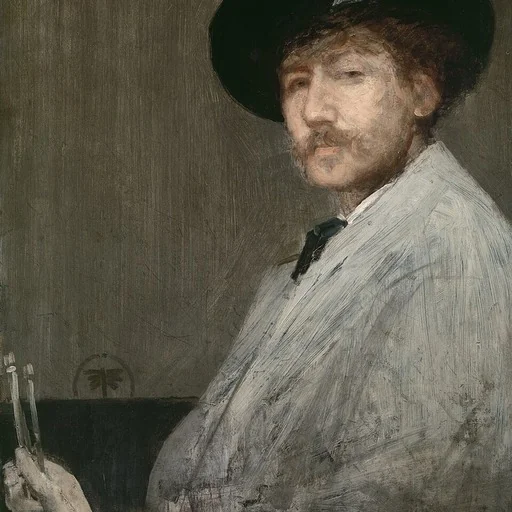
James Abbott McNeill Whistler was an American painter in oils and watercolor, and printmaker, active during the American Gilded Age and based primarily in the United Kingdom.

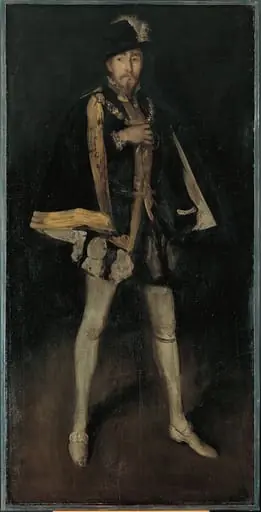 Arrangement in Black, No. 3: Sir Henry Irving as Philip II of Spain
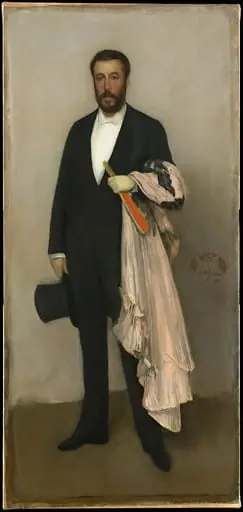 Arrangement in Flesh Colour and Black: Portrait of Theodore Duret
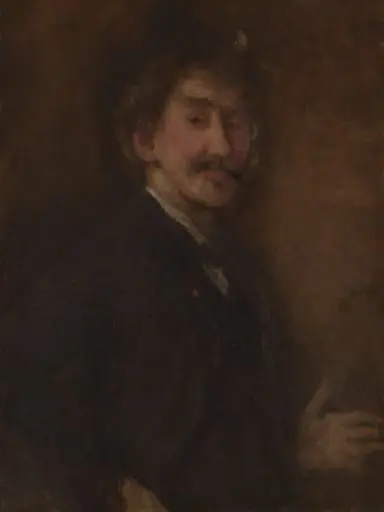 Gold and Brown: Self-Portrait
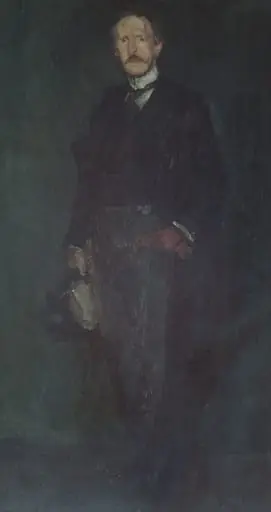 Edward Guthrie Kennedy
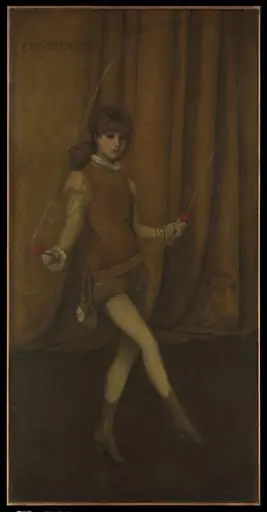 Harmony in Yellow and Gold: The Gold Girl—Connie Gilchrist
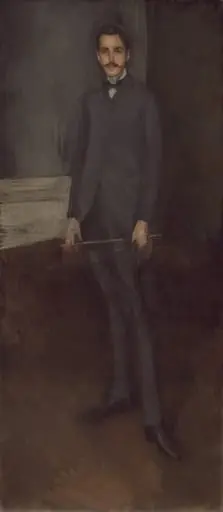 George W. Vanderbilt
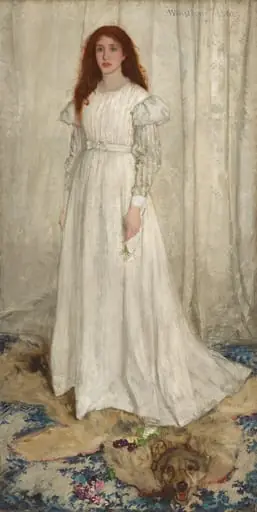 Symphony in White, No. 1: The White Girl
 Henry Irving as Philip II of Spain