Artwork
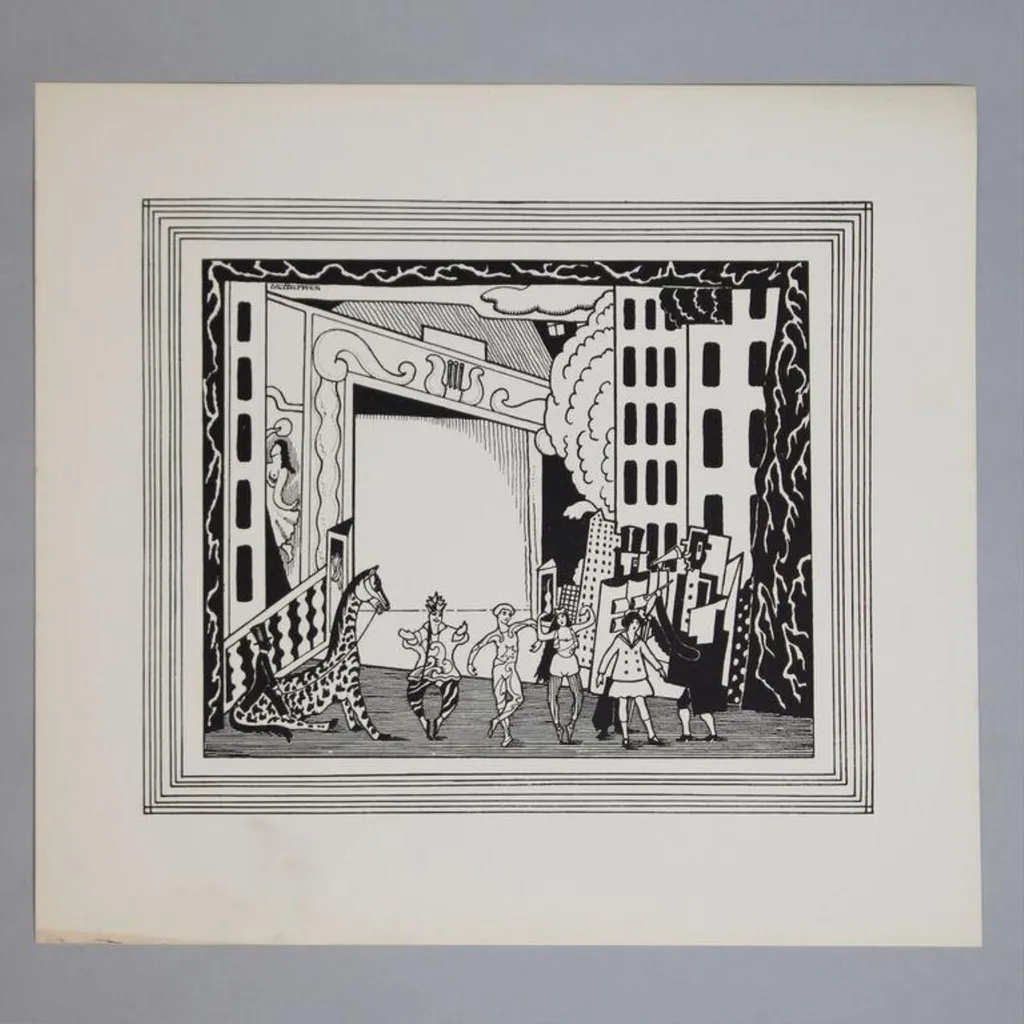
Print is a print by Ethelbert White. It dates from 1921 and is held in the collection of the Victoria and Albert Museum.
About this work
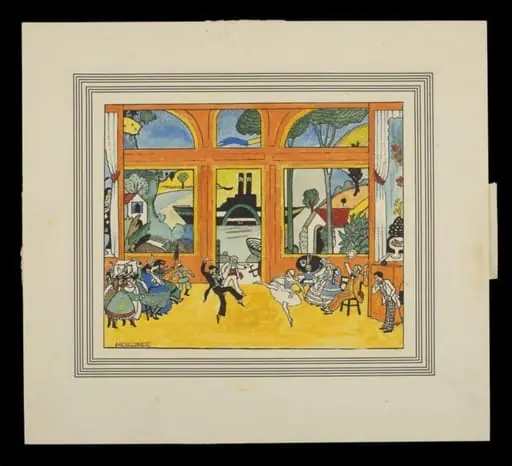
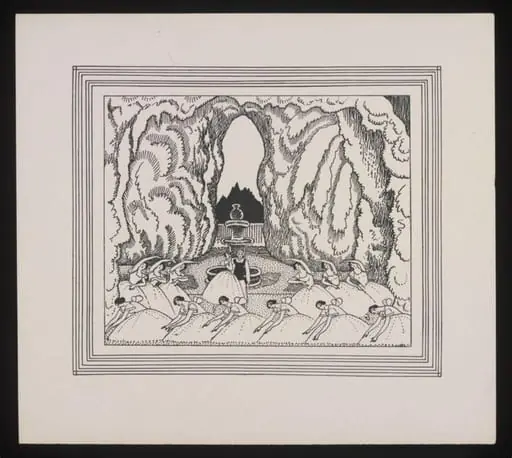
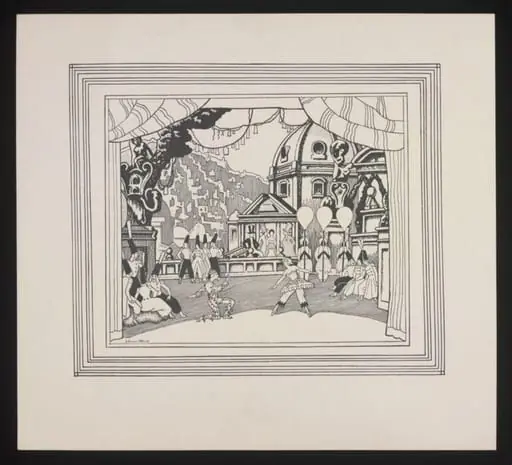
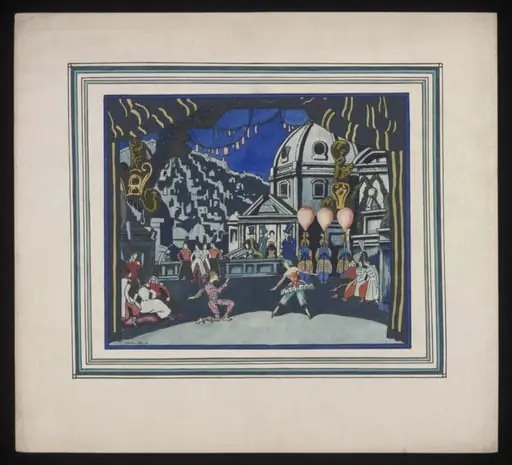
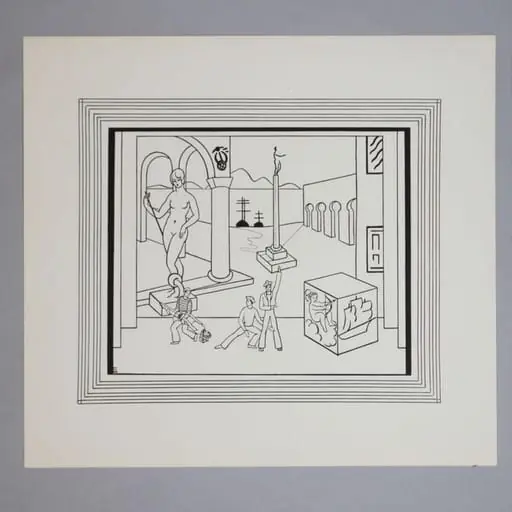
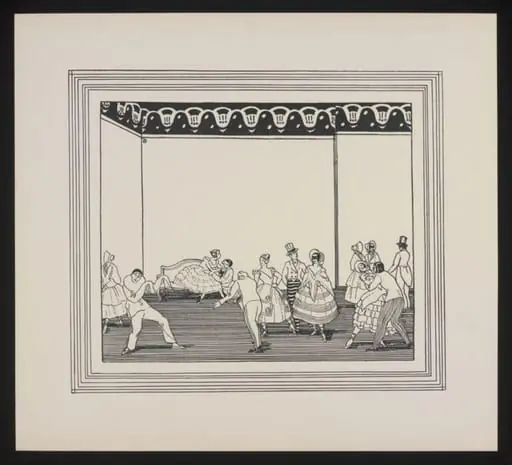
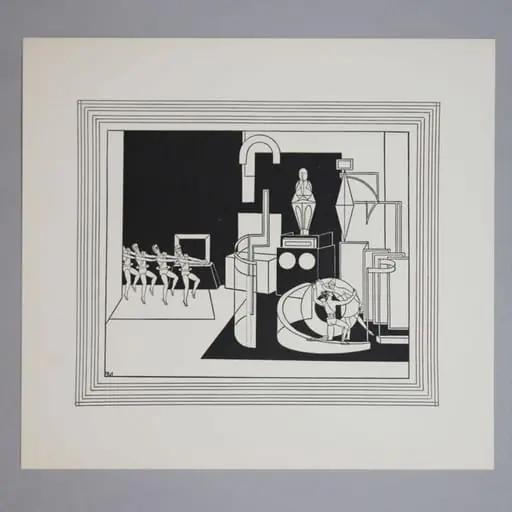
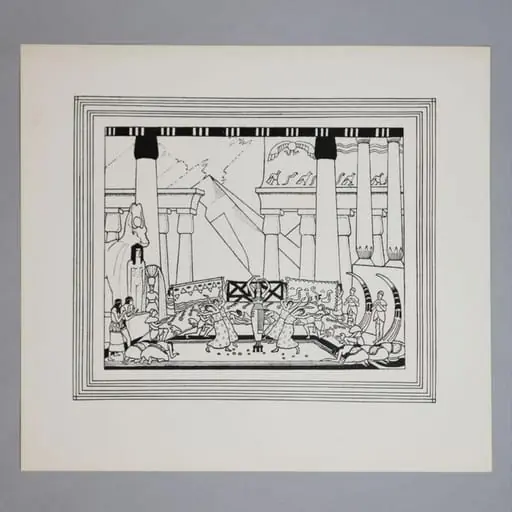
Ethelbert White made a print in 1919-1923. It shows the end of a famous ballet called Parade. The ballet had music by Erik Satie and designs by Pablo Picasso.
The print captures the moment after the show when managers explain the scenes. People in the audience weren’t sure what they’d just seen. The print was made right after Parade came to London.
Look up the Victoria and Albert Museum.
Overview
A hand-coloured print from 1919–1923 by Ethelbert White captures the closing moment of the 1917 ballet Parade, produced by Diaghilev’s Ballets Russes.
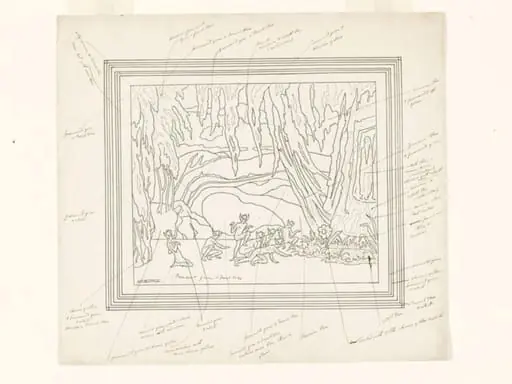
A hand-coloured print from 1919–1923 by Ethelbert White captures the closing moment of the 1917 ballet Parade, produced by Diaghilev’s Ballets Russes. Created as part of a series documenting the company’s repertoire, the print reflects a deliberate effort to preserve the visual essence of live performance through printmaking. It was produced shortly after the ballet’s London debut, when interest in Russian ballet was rising in Britain.
Subject & Meaning
The scene depicts the ballet’s meta-theatrical finale: three managers and four performers line up before an unseen audience, attempting to clarify that what was just seen was not the real performance but a staged preview. White’s image isolates this moment of rupture between illusion and reality, emphasizing the ballet’s self-aware structure. The indifference of the implied spectators underscores the work’s challenge to conventional theatrical expectations.
Technique & Style
Ethelbert White employed hand-colouring over a printed line drawing, a method consistent with the Impressions of the Russian Ballet series. The composition is restrained, with flattened forms and clear outlines that echo Picasso’s stage designs. Colour is applied with precision but without embellishment, prioritizing fidelity to the original costumes and staging over decorative flourish.
History & Provenance
The print was produced by Cyril Beaumont as part of a limited series documenting Ballets Russes productions, alongside illustrated booklets and plywood figures. Though production records are lost, 22 such prints are documented, created by artists including Allinson, Schwabe, and Mayo. White’s version of Parade was made between 1919 and 1923, following the ballet’s London premiere and amid growing public fascination with Diaghilev’s innovations.
Context
The print emerged during a period of heightened British interest in avant-garde European performance. Beaumont’s series aimed to translate ephemeral stage moments into collectible objects, bridging the gap between live dance and domestic art appreciation. Parade’s experimental fusion of music, design, and choreography made it a natural subject, and White’s print aligns with broader efforts to archive modernist theatre through visual media.
Legacy
White’s print remains a rare visual record of Parade’s staging, preserving details of costume and gesture that might otherwise be lost. It contributes to the historical documentation of early 20th-century performance design and reflects the collaborative spirit between dancers, designers, and printmakers. Today, examples are held in institutions like the Victoria and Albert Museum, where they serve as material evidence of cross-disciplinary modernism.
Artist & collection
Artist
Ethelbert White was an English artist and wood engraver. He was an early member of the Society of Wood Engravers and a founding member of the English Wood Engraving Society in 1925. He also worked in oils and water…