Artwork
Photograph
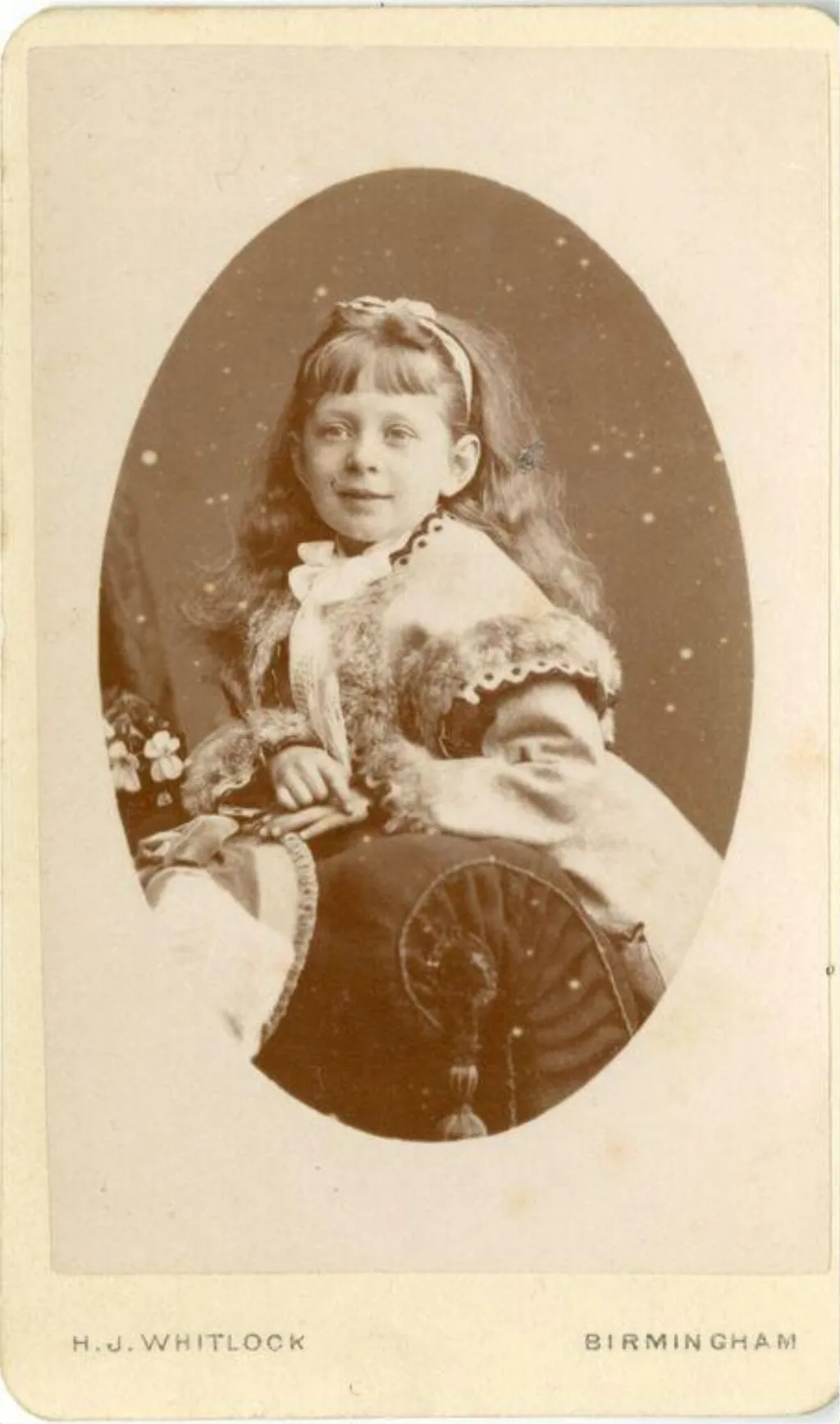
Photograph is a photographic photography by Whitlock. It dates from 1908 and is held in the collection of the Victoria and Albert Museum.
About this work
Along with the photo came exercise books, school reports, and even paintings—all from the same collection.
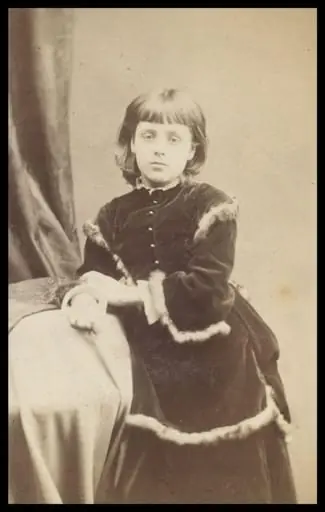
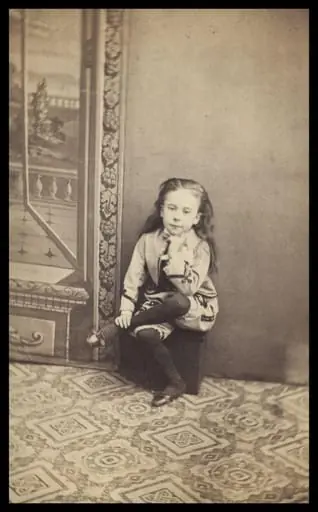
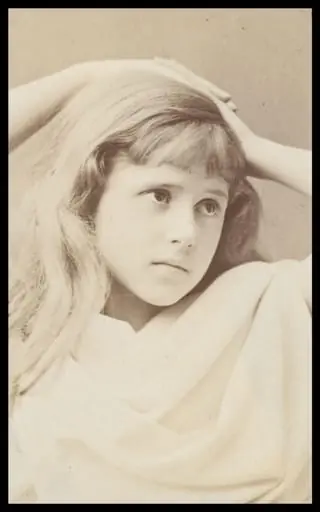
This black-and-white photo shows a young girl with long hair lounging against a chair’s arm. It’s a studio shot, kept in sepia tones, and dates somewhere between 1900 and 1915.
Whitlock took it as part of a bigger gift to the V&A. Along with the photo came exercise books, school reports, and even paintings—all from the same collection.
See more of the Pascoe collection at the Victoria and Albert Museum.
Overview
A sepia-toned studio photograph captures a young girl seated casually, her long hair falling loosely as she leans against the arm of a chair. The image, dated between 1900 and 1915, reflects the conventions of early 20th-century portraiture. It was acquired by the Victoria and Albert Museum as part of the Pascoe collection, a diverse assemblage of personal artifacts including school records, exercise books, and paintings, offering insight into domestic life of the period.
Subject & Meaning
The girl’s relaxed posture and unadorned appearance suggest an intimate, informal moment rather than a formal portrait. Her gaze, directed slightly away from the camera, conveys quiet introspection. The image avoids theatricality, instead presenting a private, everyday presence. This subtlety aligns with shifting attitudes in photographic portraiture at the time, where authenticity began to replace staged grandeur.
Technique & Style
Executed in the studio tradition, the photograph uses soft, even lighting to model the subject’s form without harsh shadows. The sepia toning, common in early 20th-century prints, lends warmth and durability to the silver gelatin process. The composition is simple, with minimal background detail, focusing attention on the figure. The technical restraint underscores the era’s emphasis on clarity and permanence in domestic imagery.
History & Provenance
The photograph entered the Victoria and Albert Museum’s holdings through the Pascoe collection, a private assemblage donated by the family of photographer Whitlock. Alongside the image were school reports, exercise books, and paintings, suggesting a broader interest in preserving childhood and educational artifacts. The collection’s integrity has allowed curators to contextualize individual items within a larger social framework.
Context
Produced during a period when middle-class families increasingly commissioned photographic portraits, this image reflects the growing accessibility of studio photography. Unlike formal portraits of the 19th century, this photograph captures a moment of ease, mirroring evolving ideals of childhood as a time of natural innocence rather than precocious formality. The inclusion of related documents in the Pascoe collection highlights a cultural shift toward preserving personal history.
Legacy
As part of the Pascoe collection, the photograph contributes to ongoing scholarly interest in vernacular photography and domestic memory. Its preservation alongside educational materials offers a rare, multi-layered view of early 20th-century family life. The image remains a quiet example of how ordinary subjects, captured with care, can illuminate broader social habits and aesthetic values of their time.
Artist & collection
Artist
This photographer roamed the streets at night, hunting for drama the rest of the city missed.