Artwork
Guy Little Theatrical Photographs
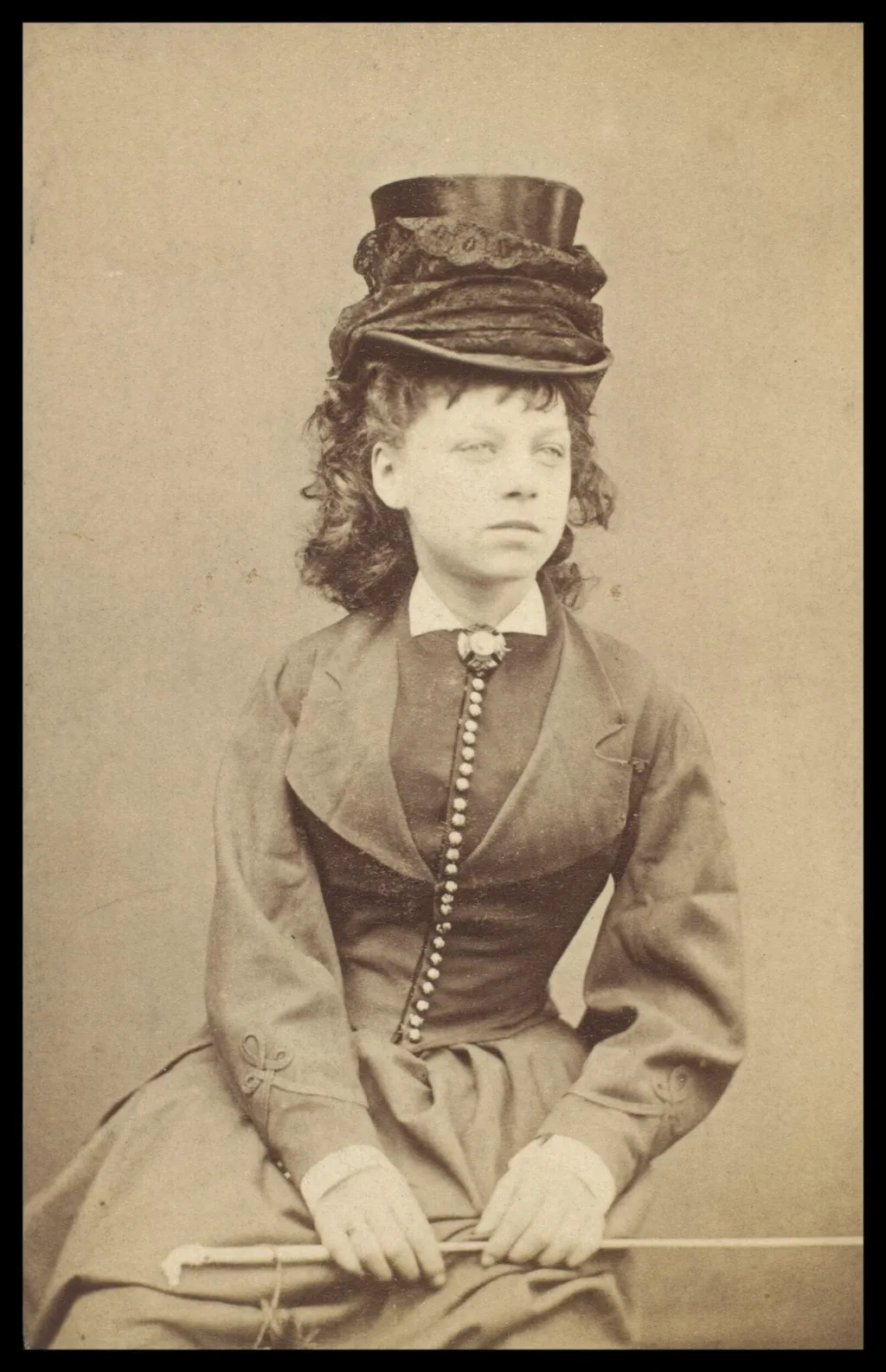
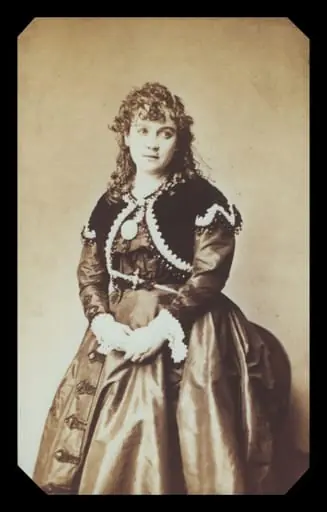
Guy Little Theatrical Photographs is a photographic photography by French Photographic Co.. It dates from 1850 and is held in the collection of the Victoria and Albert Museum.
About this work
Overview
This photograph is part of a curated collection of theatrical portraits assembled by Guy Tristram Little, a solicitor and avid collector of ephemera.
This photograph is part of a curated collection of theatrical portraits assembled by Guy Tristram Little, a solicitor and avid collector of ephemera. The image, produced by the French Photographic Company, belongs to a broader archive of albumen prints—cartes de visite and cabinet cards—mounted in albums and later donated to the Victoria and Albert Museum. Little’s collection, amassed over decades, preserves a visual record of Victorian stage performers, reflecting the era’s fascination with celebrity and photographic reproduction.
Subject & Meaning
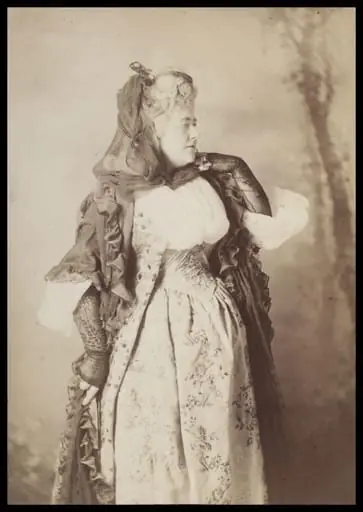
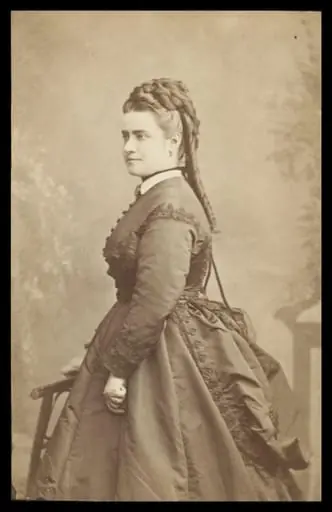
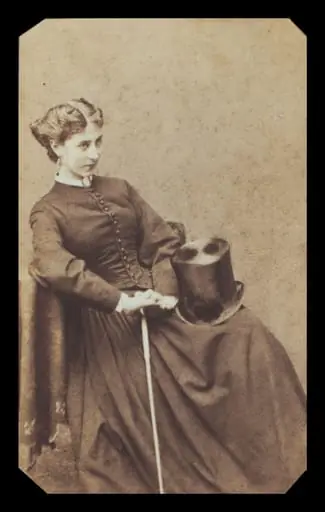
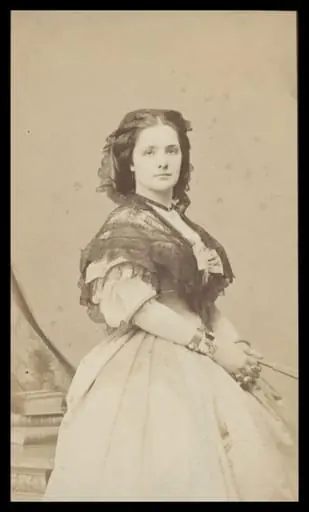
The subject, identified as Miss Amalia, is depicted in theatrical costume, likely for promotional or fan use. Such portraits were not merely personal mementos but commercial artifacts, circulating among admirers as tangible connections to the stage. The choice of costume signals her role on stage, transforming the photograph into a bridge between performance and public imagination, where identity was shaped as much by attire as by reputation.
Technique & Style
The image is an albumen print made from a glass negative, a standard process in mid-to-late 19th-century photography. Mounted on cardstock bearing the studio’s imprint, it follows the conventions of cartes de visite or cabinet cards, depending on its dimensions. The formal pose and controlled lighting reflect studio practices designed to convey dignity and recognition, balancing artistic presentation with mass production demands.
History & Provenance
The photograph was originally part of a private collection assembled by Guy Little, who inherited and expanded upon the theatrical archive of Mrs. Gabrielle Enthoven. After his death in 1953, the entire collection, including this image, was bequeathed to the V&A. Little’s meticulous mounting of loose prints into albums preserved their physical integrity, ensuring their survival as a cohesive historical resource rather than scattered fragments.
Context
During the Victorian era, cartes de visite became a cultural phenomenon, with millions produced annually. Actors and actresses were among the most popular subjects, their images traded like collectibles. This practice coincided with the rise of mass media and public theater, turning performers into household names. The transition to cabinet cards in the 1870s and later postcards marked shifts in consumer taste and technological accessibility.
Legacy
Little’s collection remains a vital resource for studying Victorian theatre culture, offering insight into how performers were marketed and remembered. Preserved at the V&A, these photographs document not only individual careers but also the mechanics of celebrity in a pre-cinematic age. The archive’s survival underscores the importance of private collectors in shaping institutional holdings of performing arts history.
Artist & collection
Artist
The French Photographic Co. was the Instagram of 1880s Paris, cranking out crisp 8x10 portraits of actors mid-scene, frozen in costume and gaslight. They shot every star of the Boulevard du Crime, from Duse to Coquelin,…

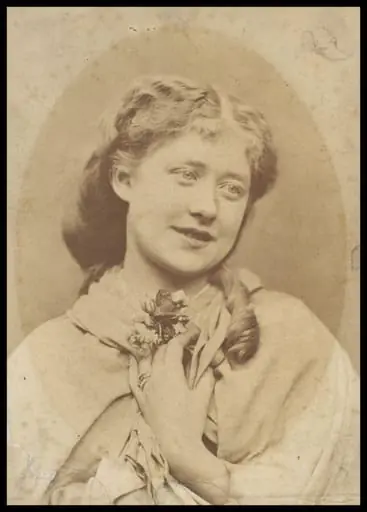
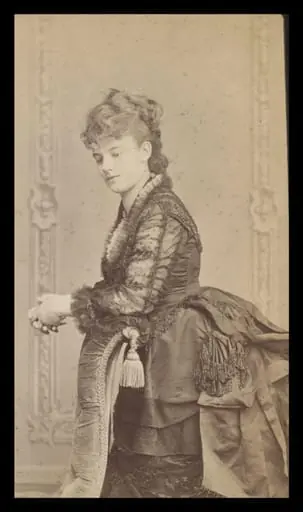
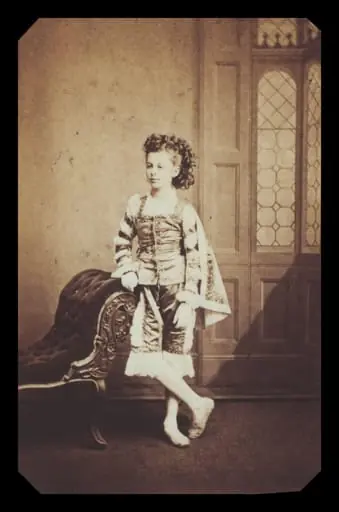
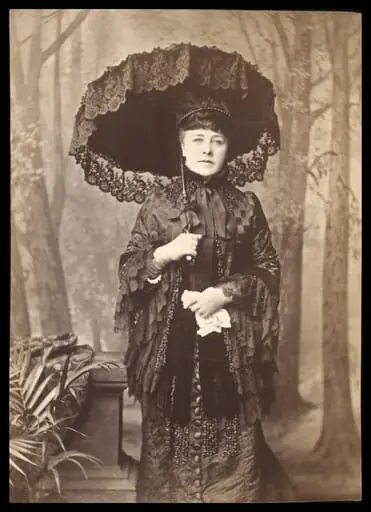
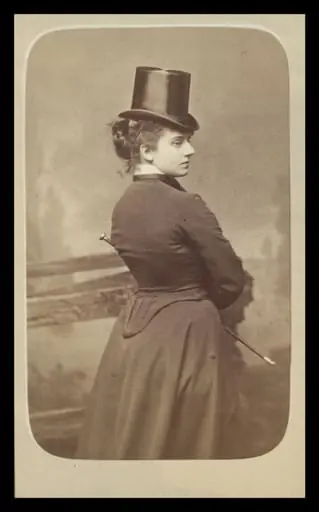
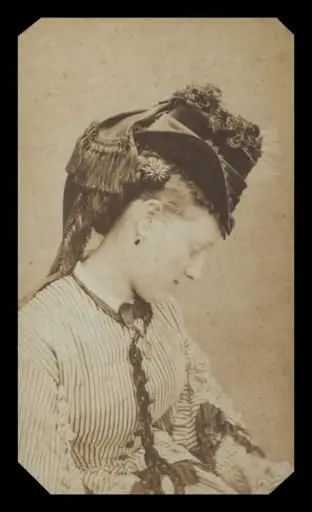 Guy Little Theatrical Photograph
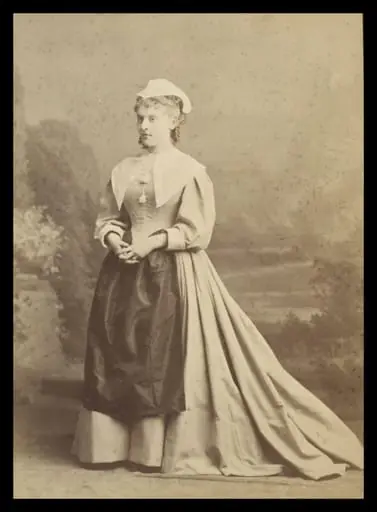 Guy Little Theatrical Photograph
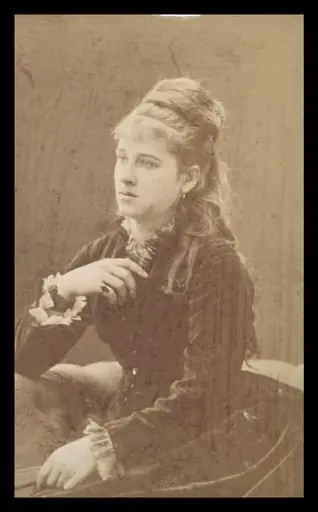 Guy Little Theatrical Photograph
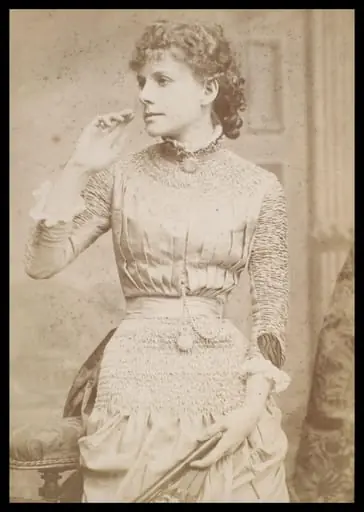 Guy Little Theatrical Photograph
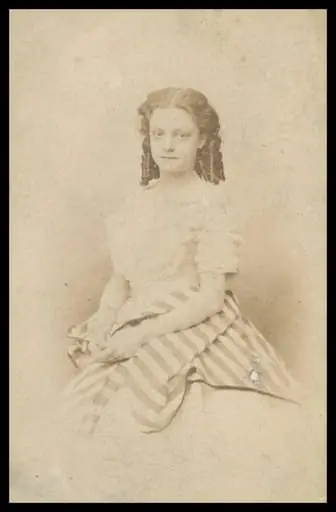 Guy Little Theatrical Photograph
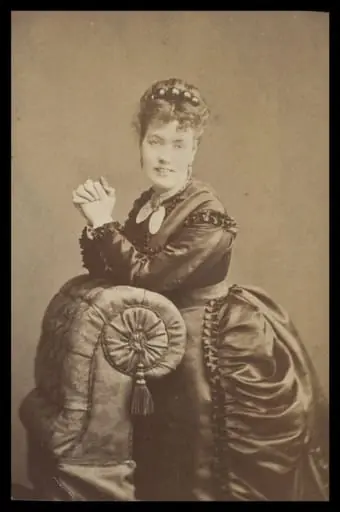 Guy Little Theatrical Photograph
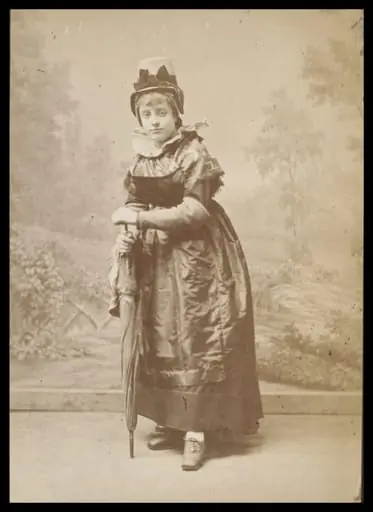 Guy Little Theatrical Photograph
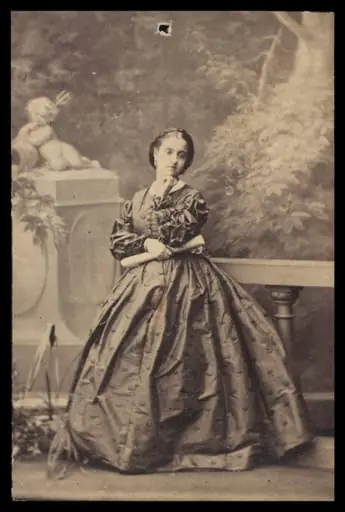 Guy Little Theatrical Photograph
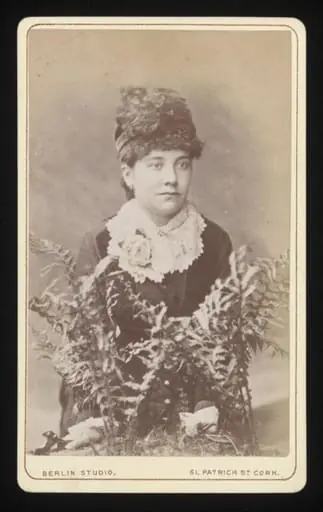 Portrait of a Woman
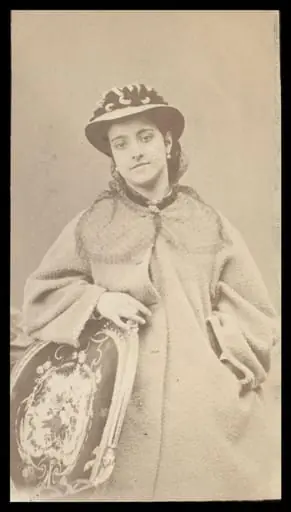 Guy Little Theatrical Photograph
 Guy Little Theatrical Photograph