Artwork
A Woman from Dalecarlia Riding Barefooted on a White Horse
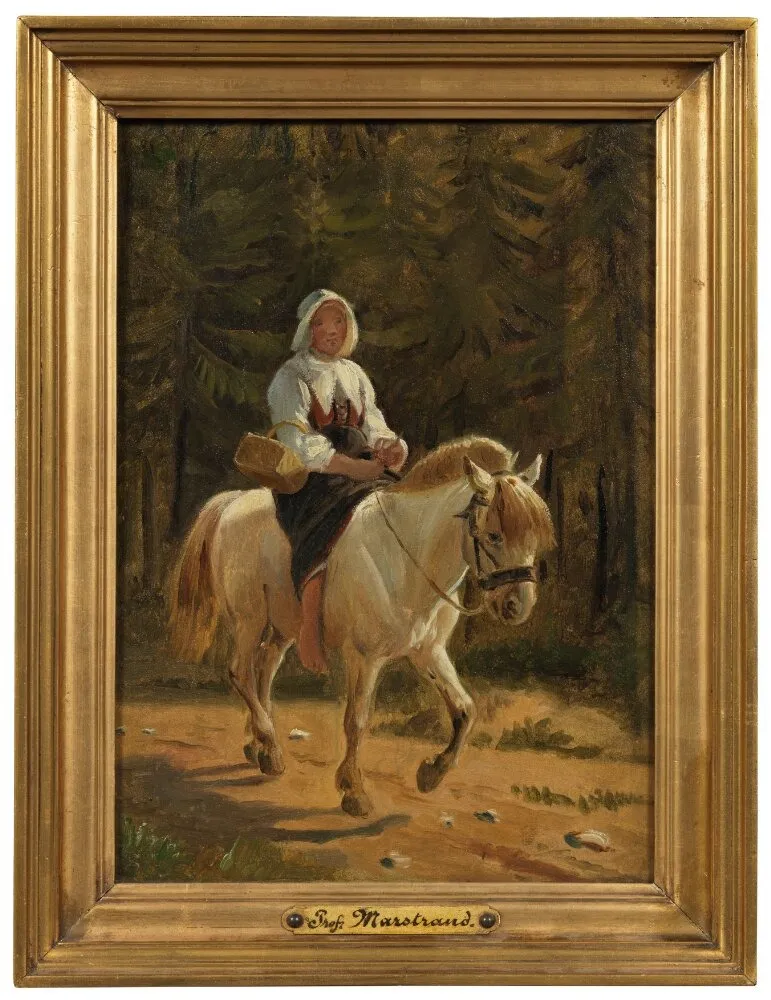
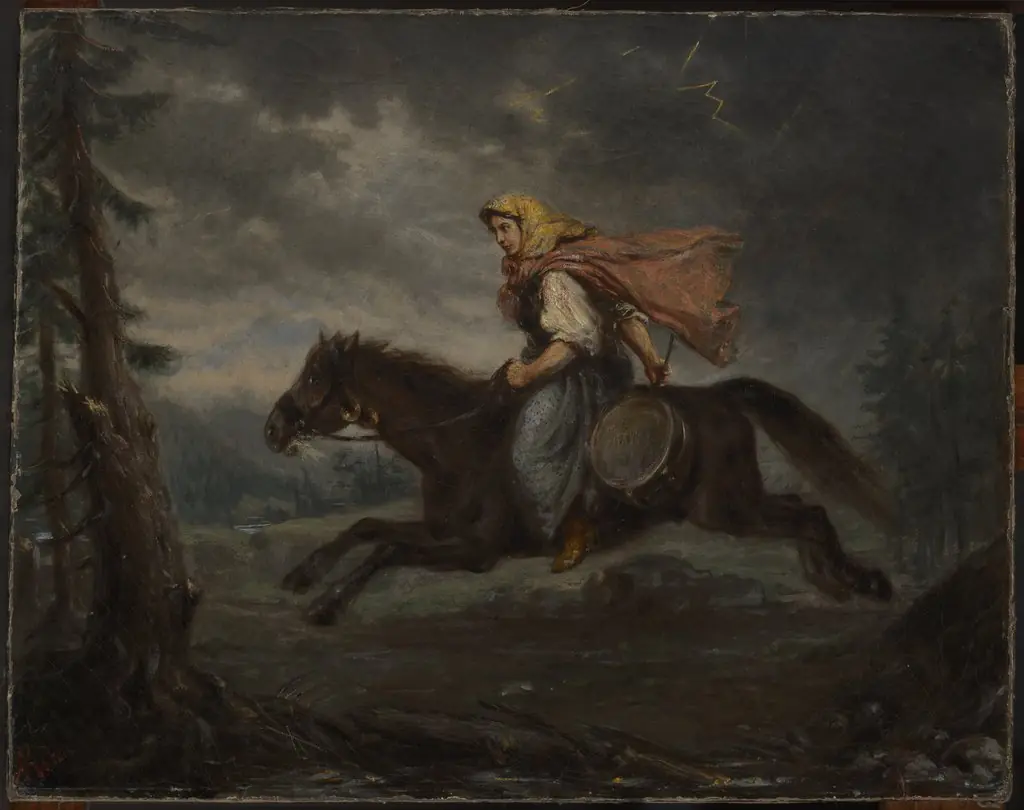
A Woman from Dalecarlia Riding Barefooted on a White Horse is an unspecified painting by Wilhelm Marstrand. It dates from 1850 and is held in the collection of the Nationalmuseum.
About this work
Overview
Painted around 1850 by Danish artist Wilhelm Marstrand, this work captures a rural Swedish woman riding barefoot on a white horse through a forest.
Painted around 1850 by Danish artist Wilhelm Marstrand, this work captures a rural Swedish woman riding barefoot on a white horse through a forest. Marstrand, known for his genre scenes during the Danish Golden Age, turned his attention to regional life beyond Denmark, reflecting broader 19th-century interest in folk traditions. The painting is part of the Nationalmuseum’s collection in Stockholm, where it stands as an example of cross-cultural observation in Nordic art.
Subject & Meaning
The figure is a woman from Dalarna, Sweden, depicted with quiet dignity as she rides with a basket and reins, barefoot and dressed in traditional attire: a white headscarf, long dress, and red apron. Her direct gaze and composed posture suggest resilience and self-possession. The horse, equally alert, mirrors her focus. The scene avoids romanticization, presenting everyday rural life without embellishment, emphasizing endurance and connection to the land.
Technique & Style
Marstrand employs precise realism to render texture and light: the horse’s coat, the fabric of the dress, and the dappled forest floor are rendered with careful attention. Shadows deepen the forest’s density, while natural daylight highlights the woman’s form and the horse’s movement. The composition is balanced and quiet, with no dramatic gestures, reinforcing the painting’s grounded, observational approach to its subject.
History & Provenance
Created during Marstrand’s period of heightened interest in Scandinavian folk culture, the painting entered the Nationalmuseum’s collection in the 19th century. It was likely acquired as part of broader efforts to document regional identities within the Nordic region. No significant changes in ownership are recorded, and it has remained in public stewardship since its acquisition.
Context
In mid-19th-century Scandinavia, artists increasingly turned to rural life as a source of cultural authenticity amid industrialization. Marstrand, though Danish, engaged with Swedish traditions, reflecting a shared regional curiosity. Dalarna was emblematic of preserved customs, and depictions like this one contributed to a visual archive of folk identity, distinct from urban or aristocratic themes dominant in earlier art.
Legacy
The painting endures as a quiet testament to regional realism in Nordic art. While not widely reproduced, it remains a reference point for studies of 19th-century Scandinavian genre painting and cross-border cultural representation. Its restrained tone and attention to detail distinguish it from more theatrical portrayals of peasant life, offering instead a sober, intimate glimpse into rural existence.
Artist & collection
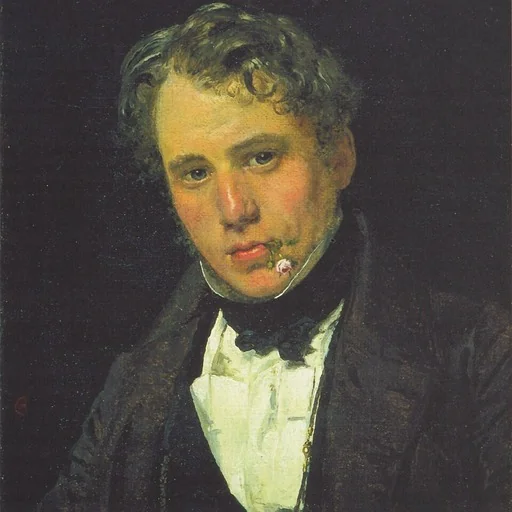
Artist
Nicolai Wilhelm Marstrand (24 December 1810 – 25 March 1873), painter and illustrator, was born in Copenhagen, Denmark, to Nicolai Jacob Marstrand, instrument maker and inventor, and Petra Othilia Smith.

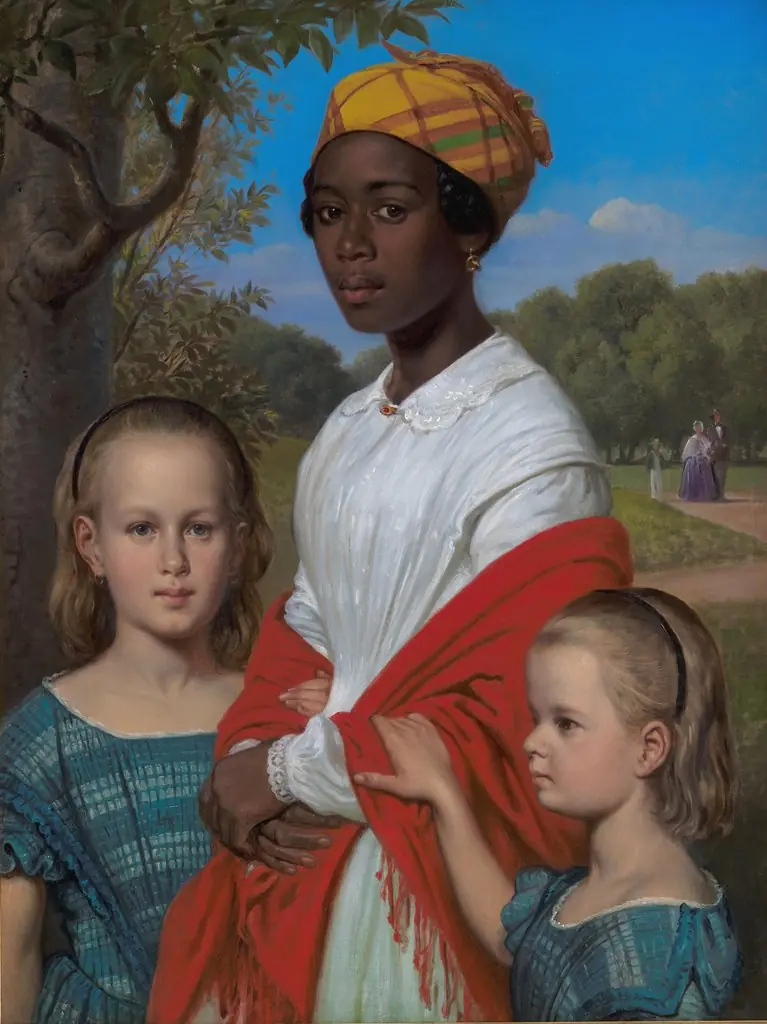 Portrait of Otto Marstrand's two daughters and their nanny
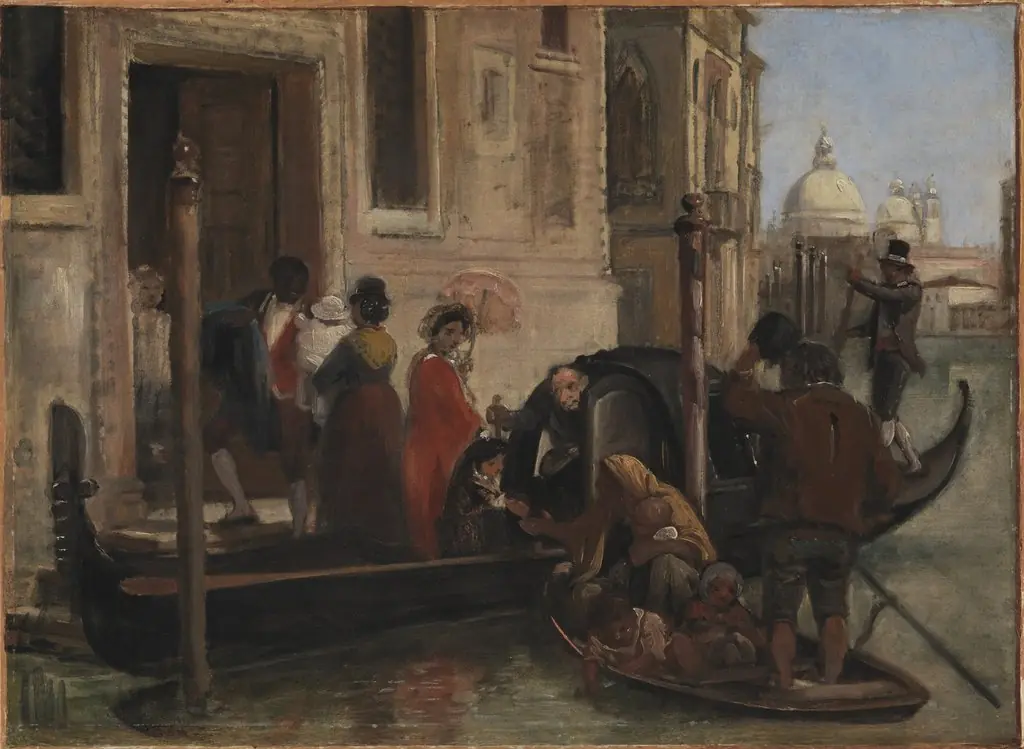 Landing in Venice. In the Distance S. Maria delle Salute
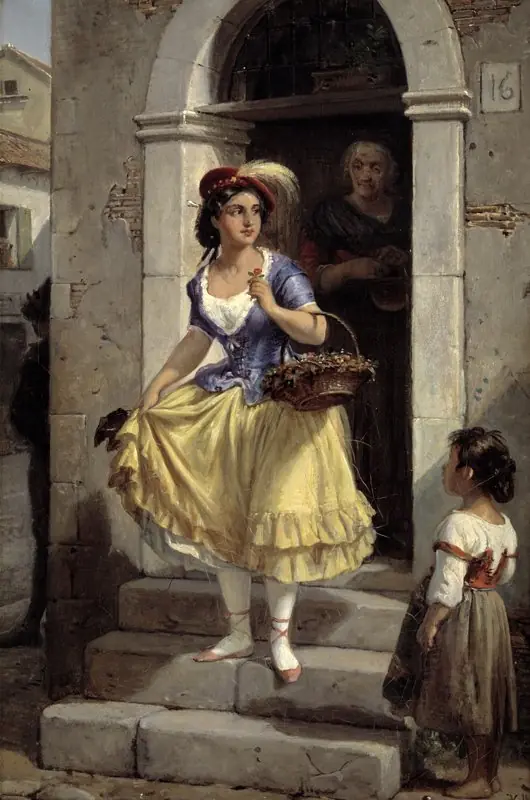 An Italian Woman in the Way to the Carnival
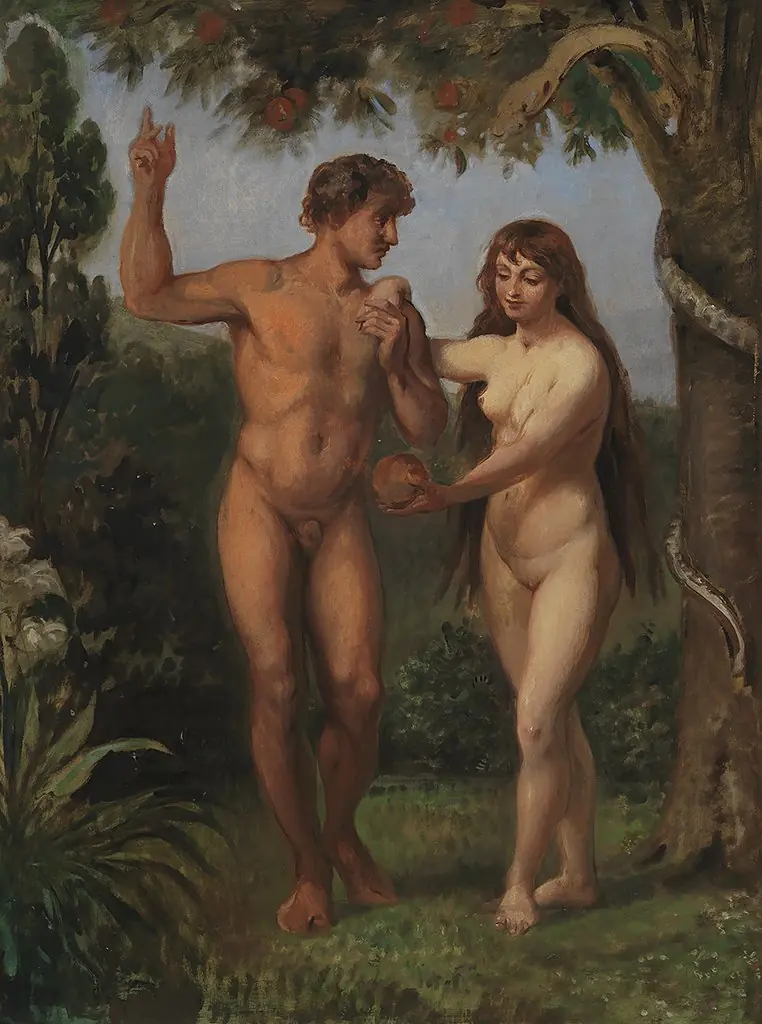 Eve Tempts Adam
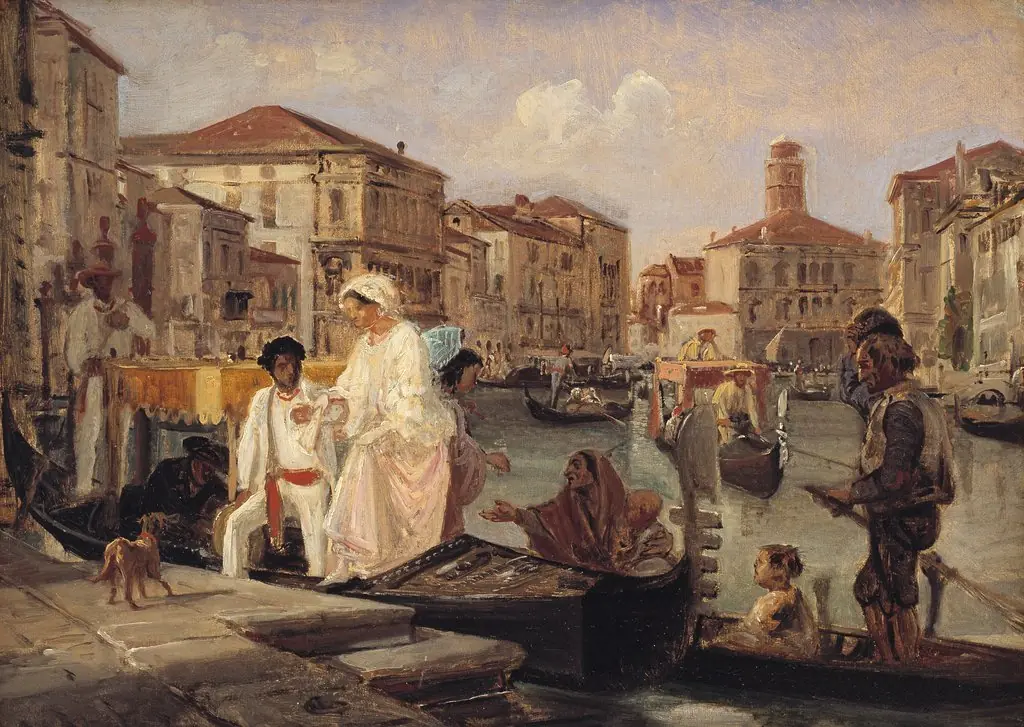 Alighting from a Gondola in Venice
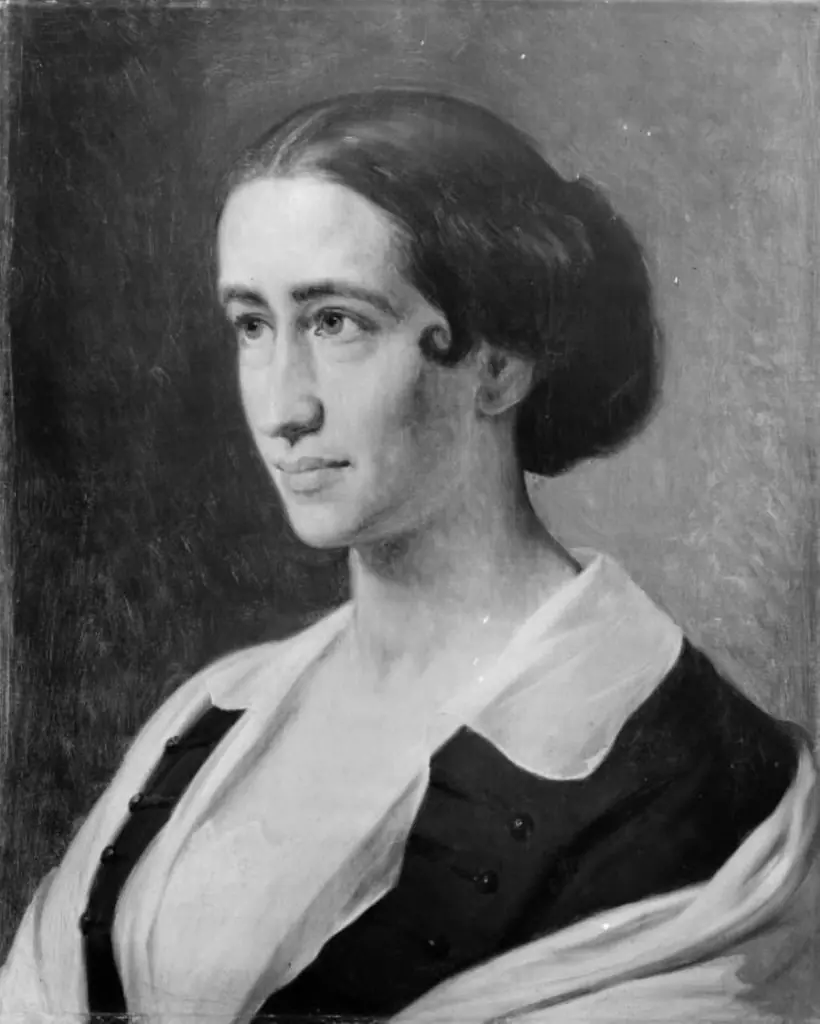 Skuespillerinden Johanne Luise Heiberg
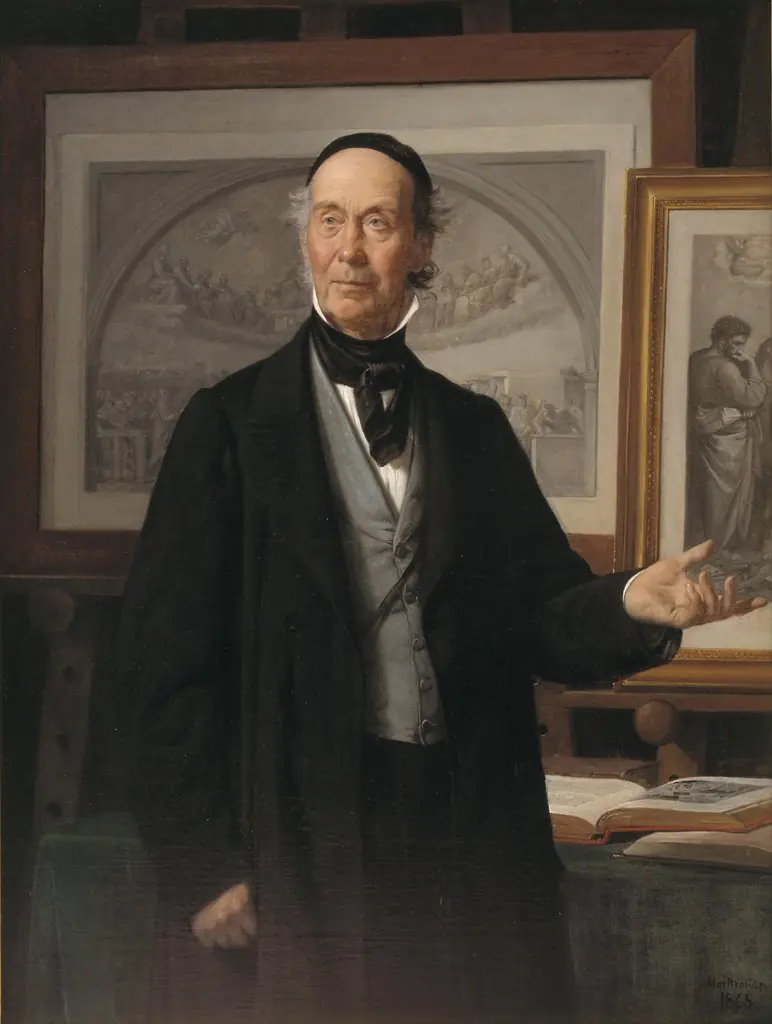 The Art Historian N. L. Høyen
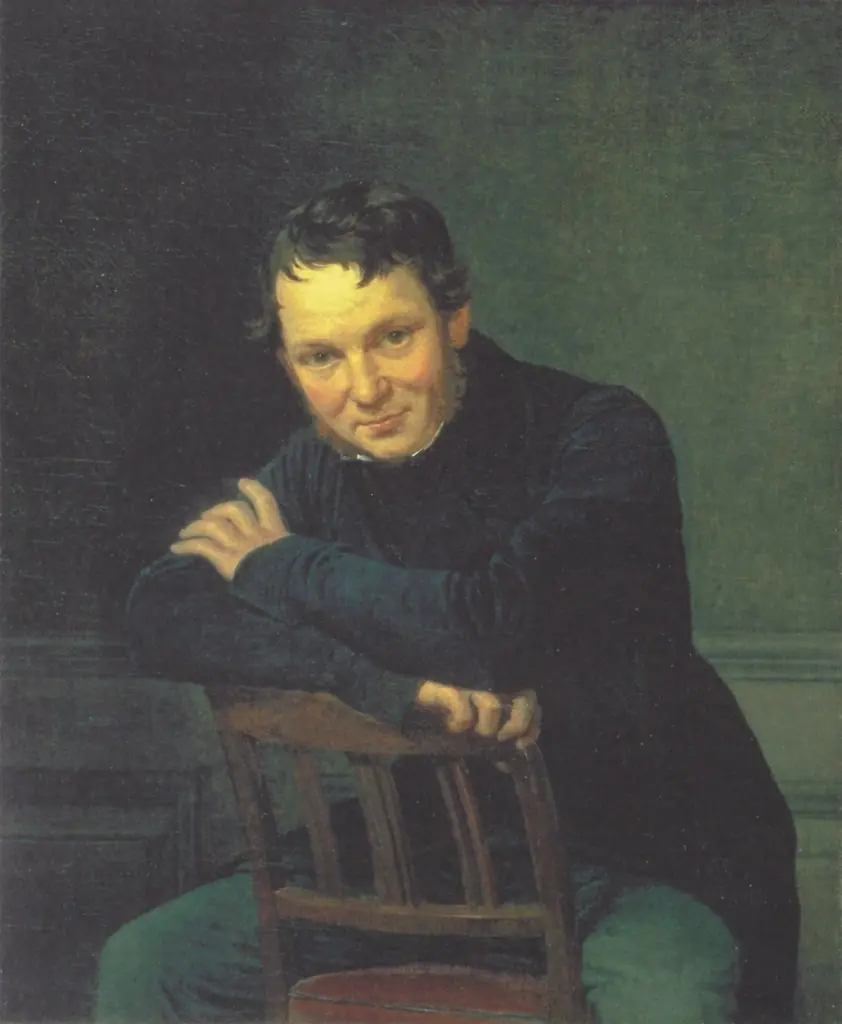 Gottlieb Bindesbøll, Danish Architect
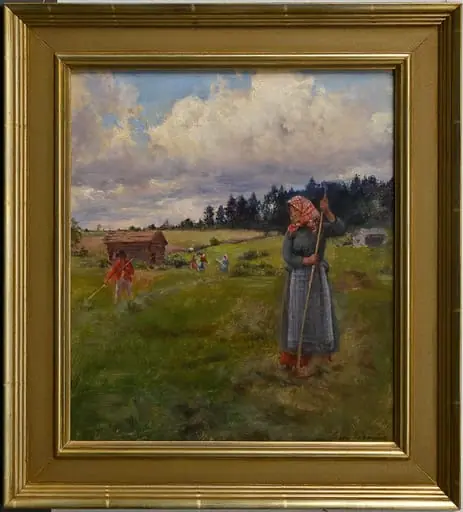 Heinänkorjuu Kerppolan pihassa
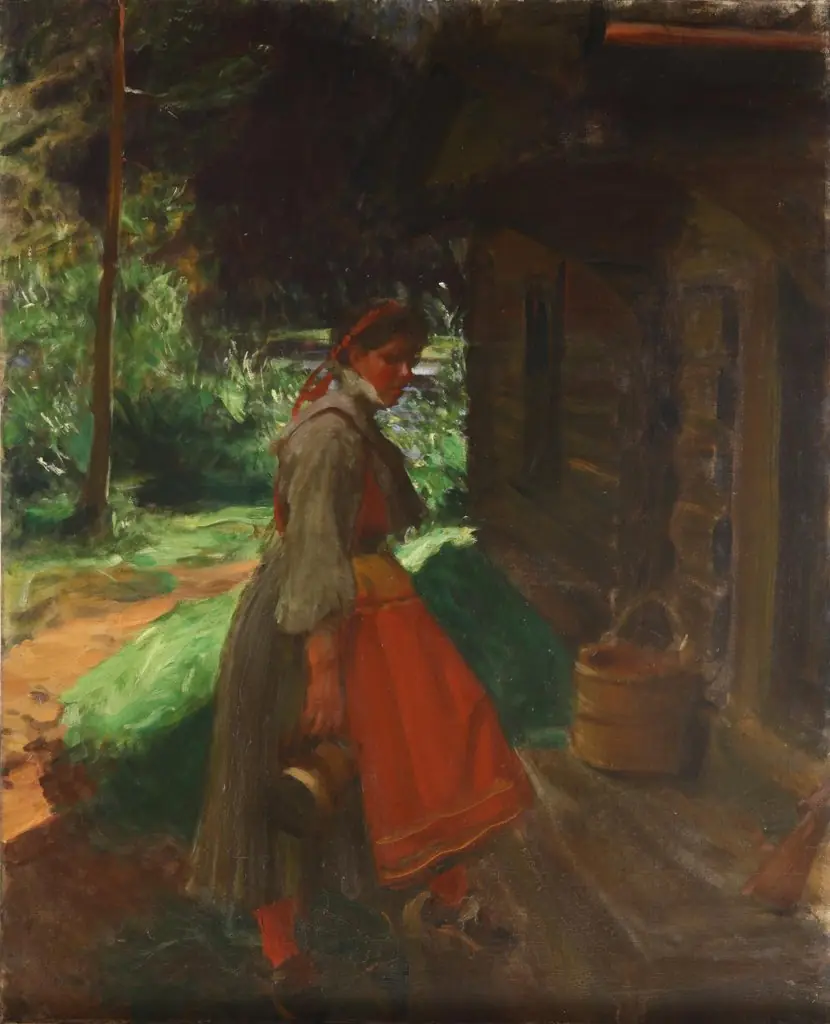 Gopsmor
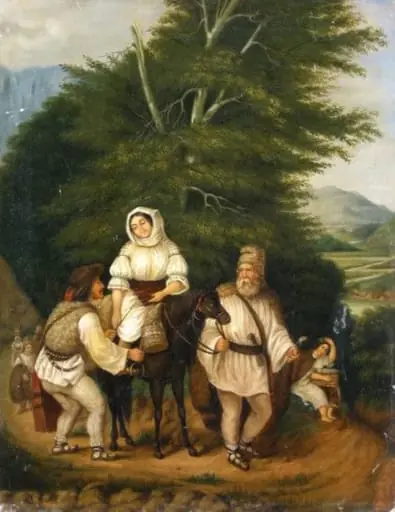 Țărani sălișteni la târg
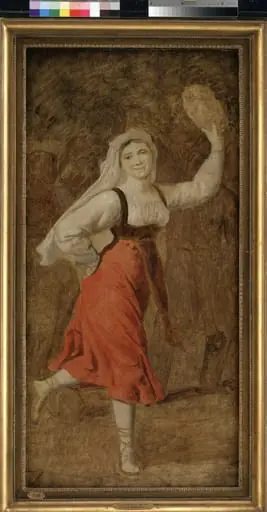 A Dancing Italian Girl
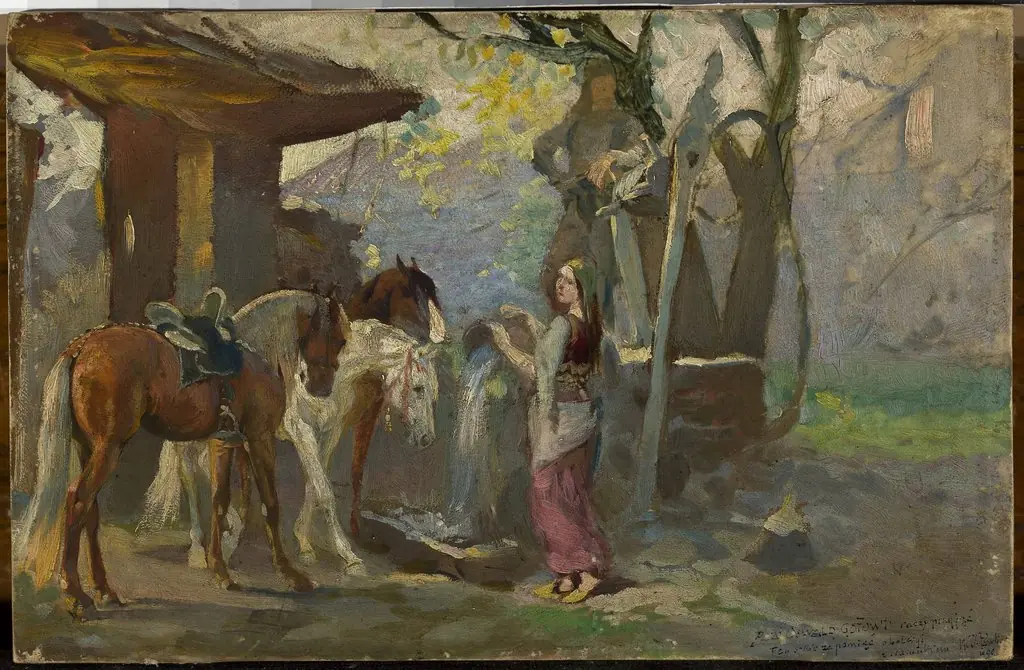 Horses at the waterhole, sketch
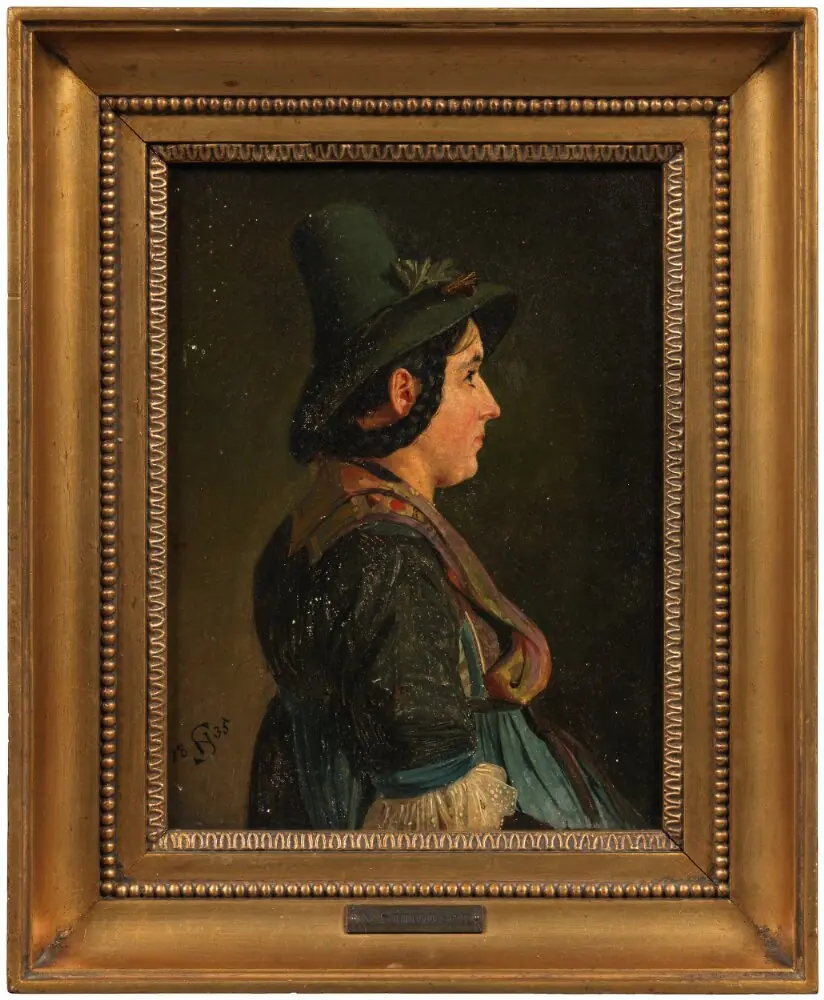 Profile Study of a Woman in Tyrolean Costume
 Familie românească plecând la târg (o variantă aflată la Muzeul Național de Artă Budapesta)
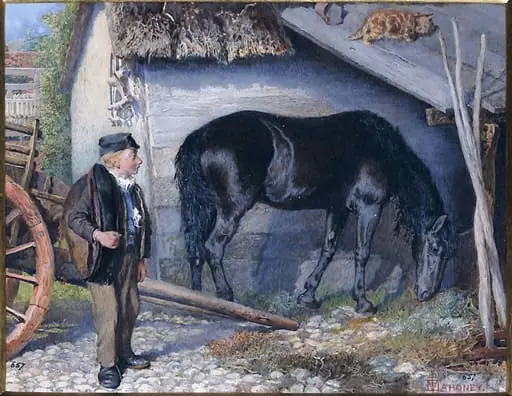 Now then, Lazy!
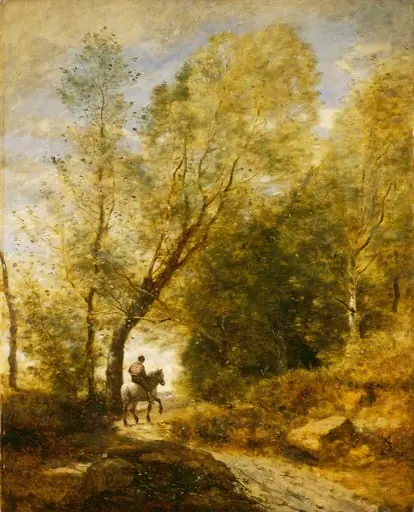 The Forest of Coubron
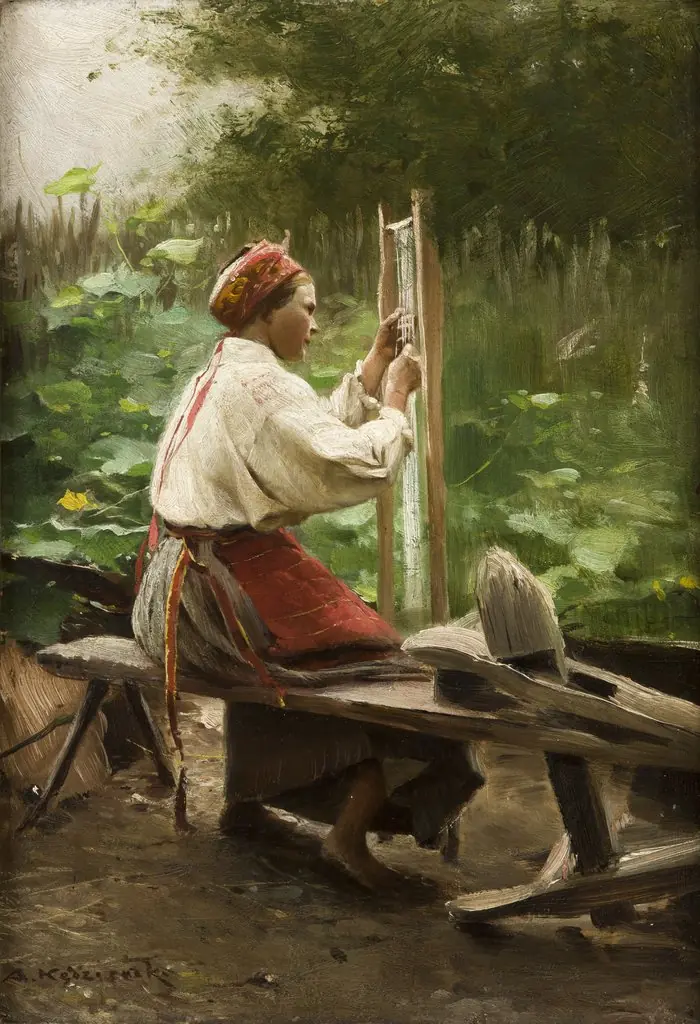 Spinner
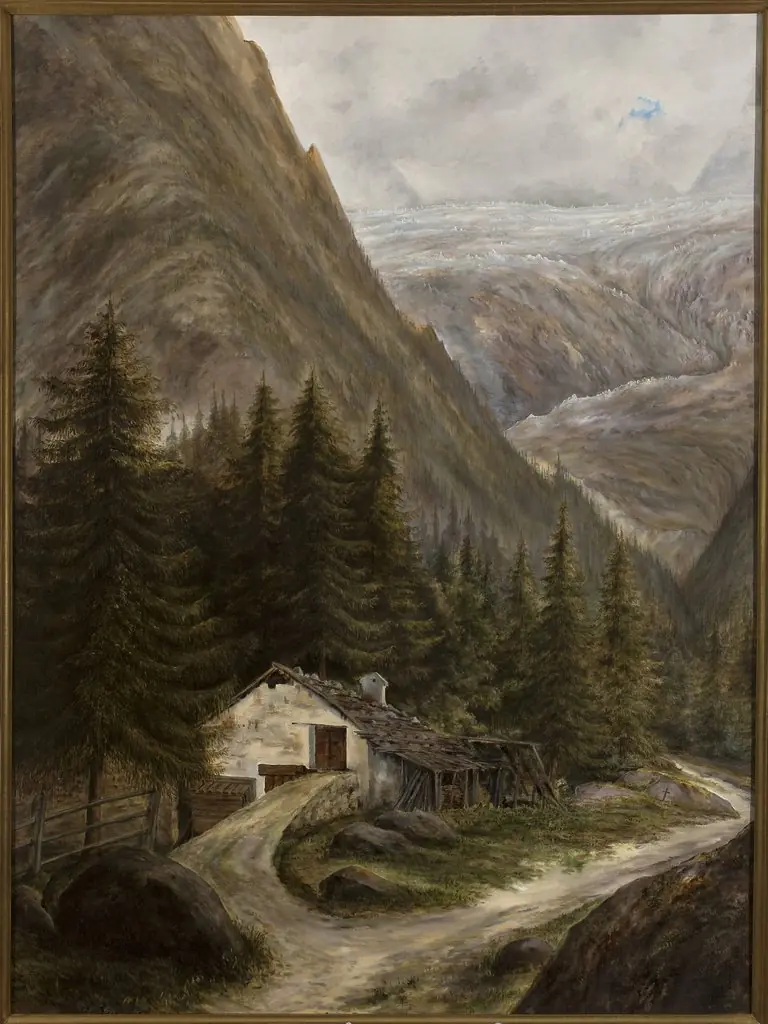 Mountain landscape with a cottage – Aosta Valley
 Highlander Woman on Horseback