Artwork
Profile Study of a Woman in Tyrolean Costume
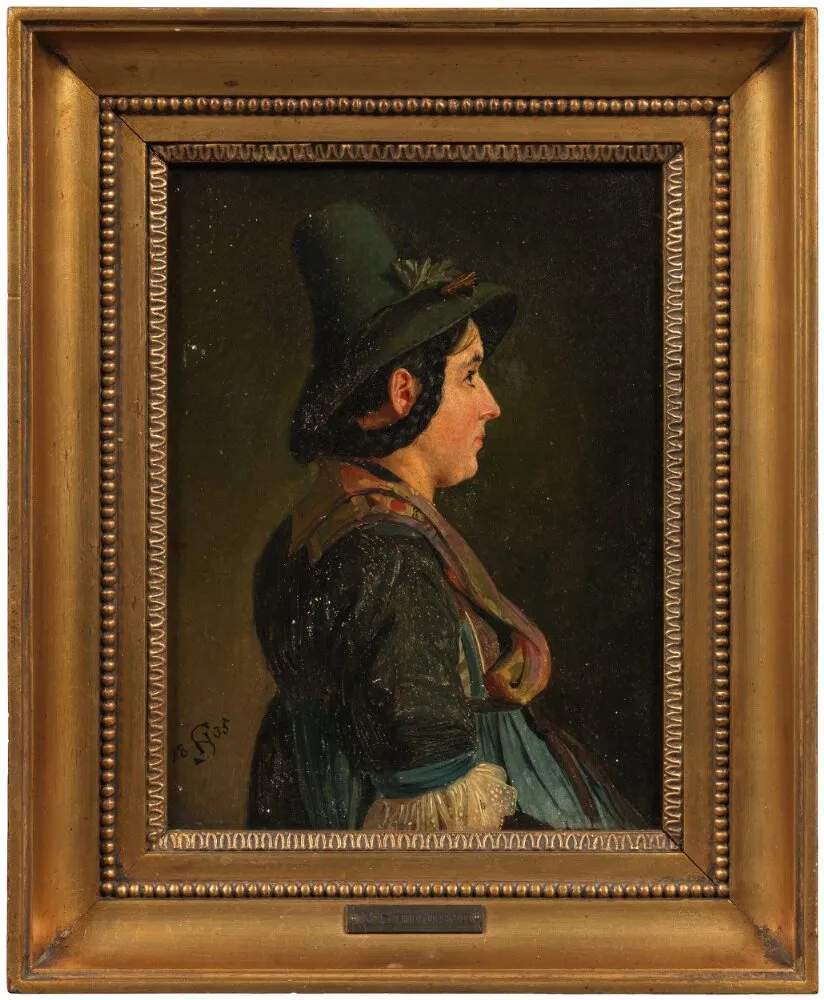
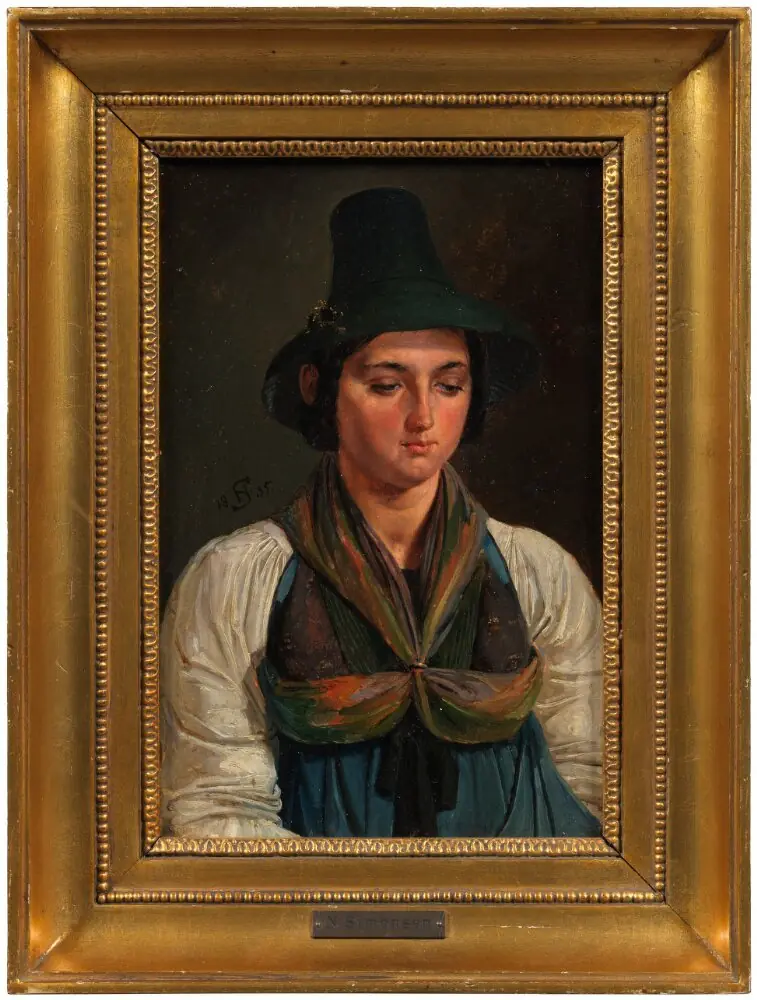
Profile Study of a Woman in Tyrolean Costume is an unspecified painting by the Biedermeier artist Niels Simonsen. It dates from 1835 and is held in the collection of the Nationalmuseum.
About this work
Overview
Painted in 1835 by Danish artist Niels Simonsen, this portrait captures a woman in profile, dressed in traditional Tyrolean attire.
Painted in 1835 by Danish artist Niels Simonsen, this portrait captures a woman in profile, dressed in traditional Tyrolean attire. Executed in oil on canvas, the work is part of the Nationalmuseum’s collection in Stockholm. Its focused composition and restrained palette emphasize the subject’s identity and cultural dress, reflecting 19th-century interest in regional costumes as markers of heritage.
Subject & Meaning
The woman depicted is rendered with quiet dignity, her identity unspecified but her attire clearly rooted in Tyrolean tradition. The green hat with a feather, blue dress, white apron, and patterned scarf suggest regional dress worn for special occasions. The profile view invites contemplation rather than direct engagement, aligning with 19th-century portraiture that valued cultural representation over individual psychology.
Technique & Style
Simonsen employs a realistic approach with careful attention to textile textures and subtle gradations of light. The dark, undefined background isolates the figure, enhancing the clarity of her form and costume. Brushwork is precise but not overly polished, allowing the fabric folds and feather details to emerge naturally. The limited color palette—dominated by blue, green, and white—reinforces the study’s documentary intent.
History & Provenance
The painting entered the Nationalmuseum’s collection in the 19th century, likely acquired during a period when Scandinavian institutions were actively documenting regional dress and folk culture. Its provenance traces directly to Simonsen’s studio, with no evidence of private ownership between creation and museum acquisition. It has remained in public hands since its early institutional reception.
Context
In the 1830s, European artists increasingly turned to regional costumes as subjects, driven by Romantic nationalism and ethnographic curiosity. Simonsen, trained in Copenhagen and active in Denmark’s cultural revival, participated in this trend. Though Tyrol lies beyond Denmark, the painting reflects broader Scandinavian interest in Alpine traditions as symbols of authentic, pre-industrial life.
Legacy
The portrait remains a quiet example of 19th-century ethnographic portraiture, valued for its unembellished observation rather than artistic innovation. It contributes to the Nationalmuseum’s collection of costume studies, offering insight into how Nordic artists interpreted foreign traditions. While not widely reproduced, it continues to inform scholarly work on regional dress and visual anthropology.
Artist & collection
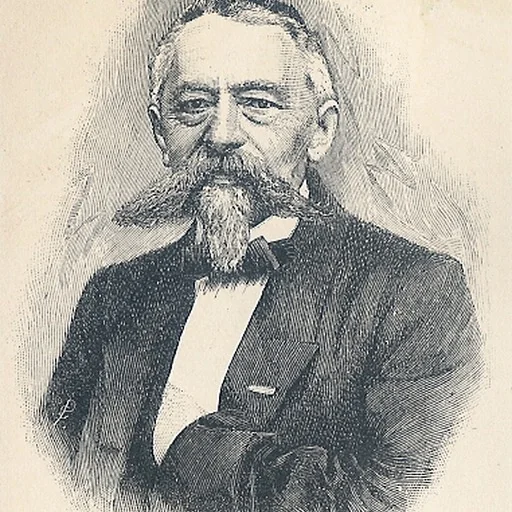

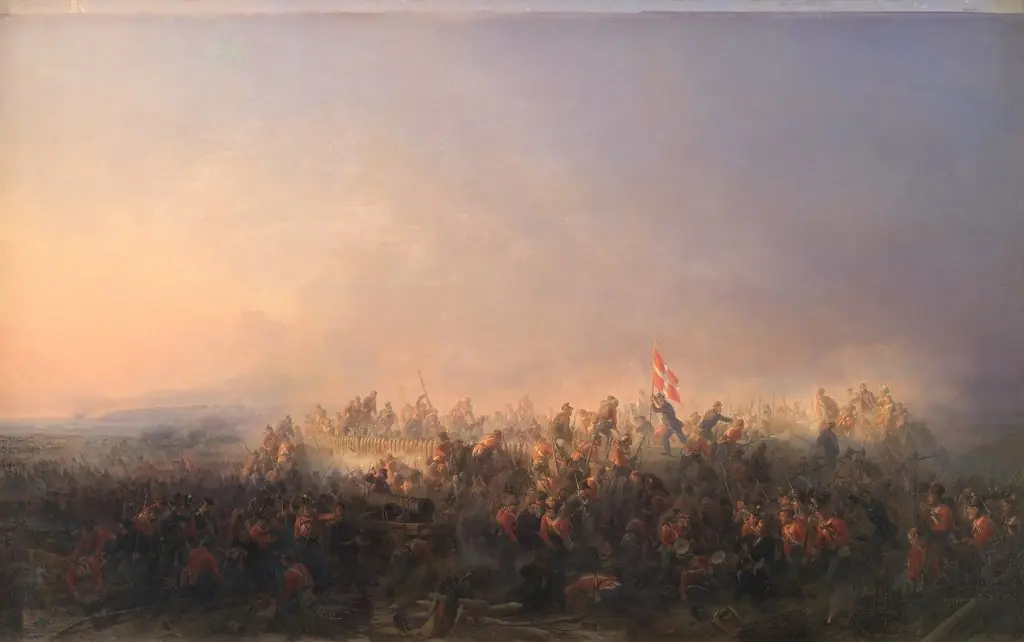 Slaget ved Fredericia den 6. juli 1849
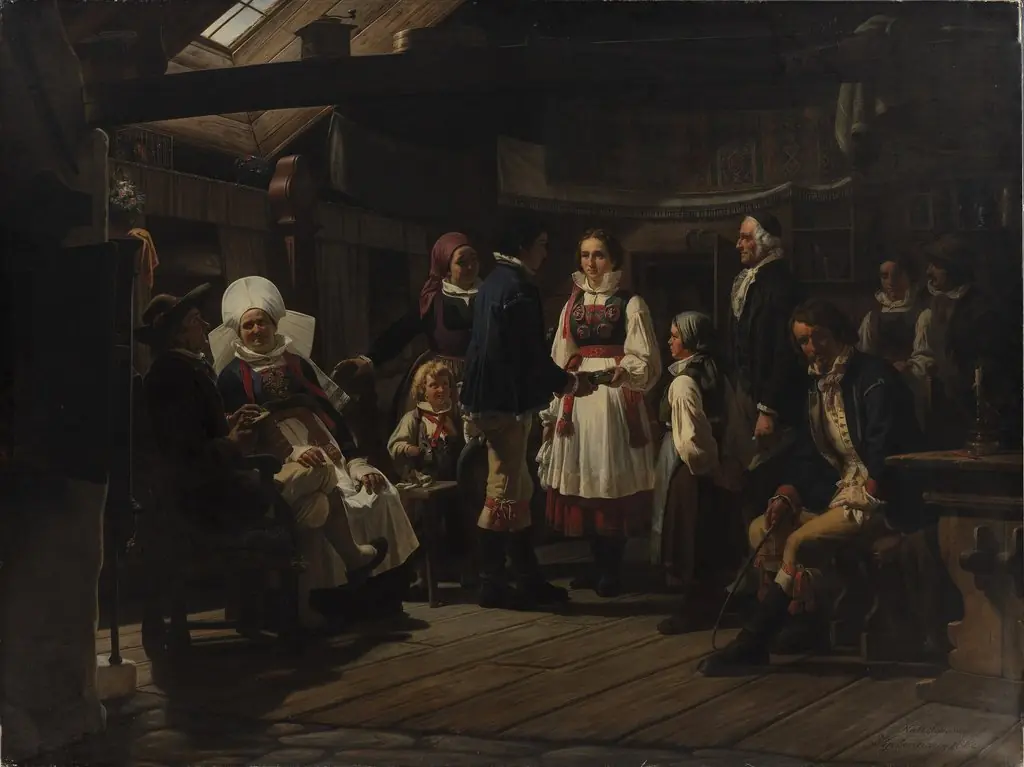 En trolovelse i Herrestad i Skåne
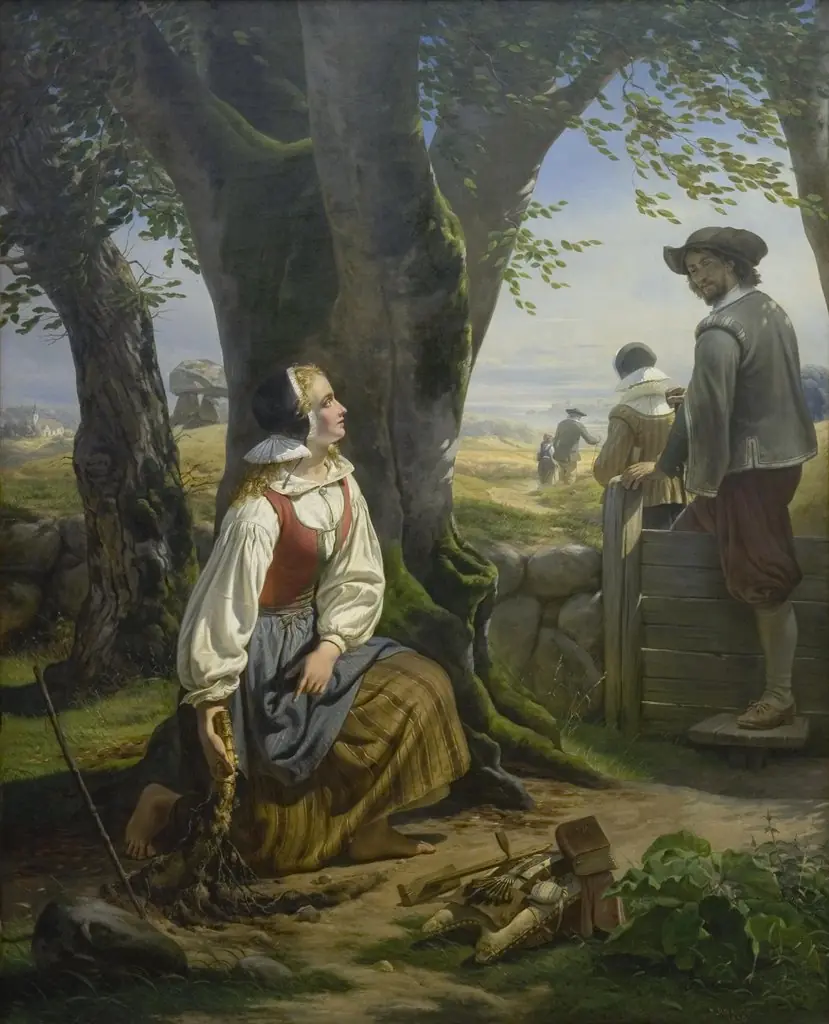 Kirsten Svendsdatter Finds the Gold Horn at Gallehus on 20 July 1639
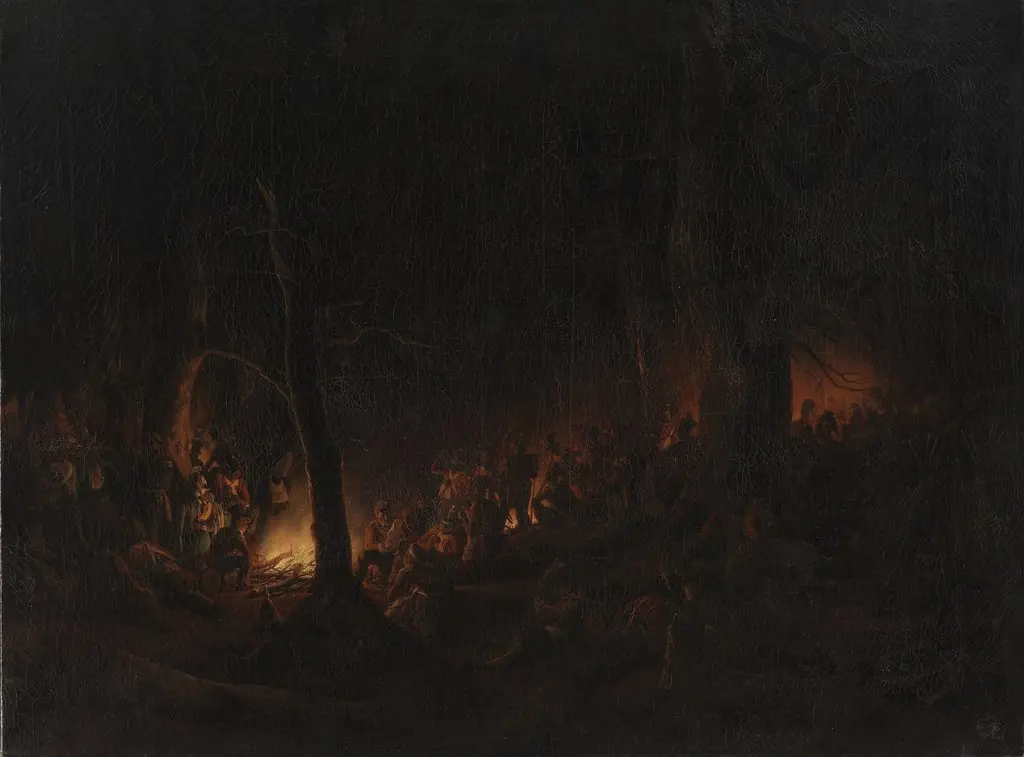 Bivouac After the Skirmish at Schleswig on the Night Between 23 and 24 April 1848
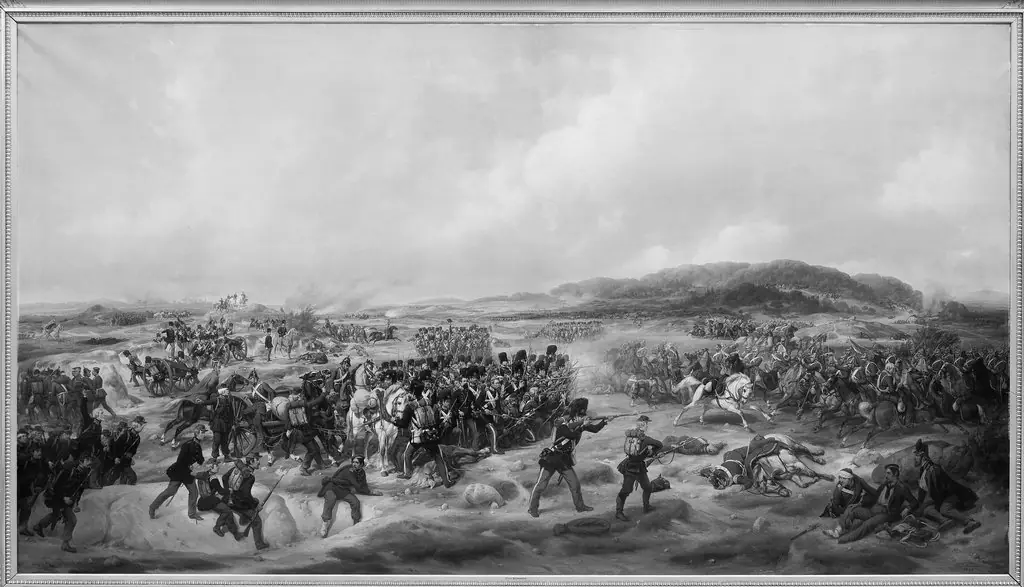 Slaget ved Isted den 25. juli 1850
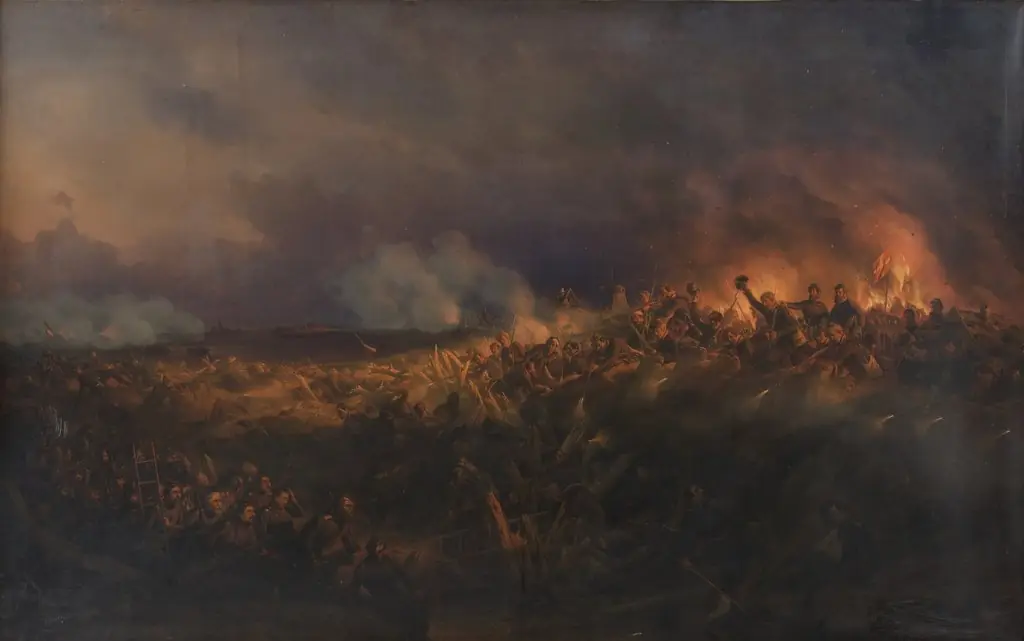 Stormen på Frederiksstad den 4. oktober 1850
 Study of a Woman in Tyrolean Costume
 Bavarian Woman, Study
 Portrait of Ane Elisabeth (Elise) Gurlitt, né Saxild (1817-39)
 Portrait of a Woman
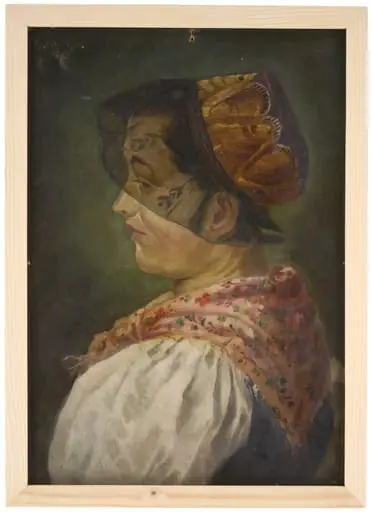 Brustbild einer Kinzigtälerin
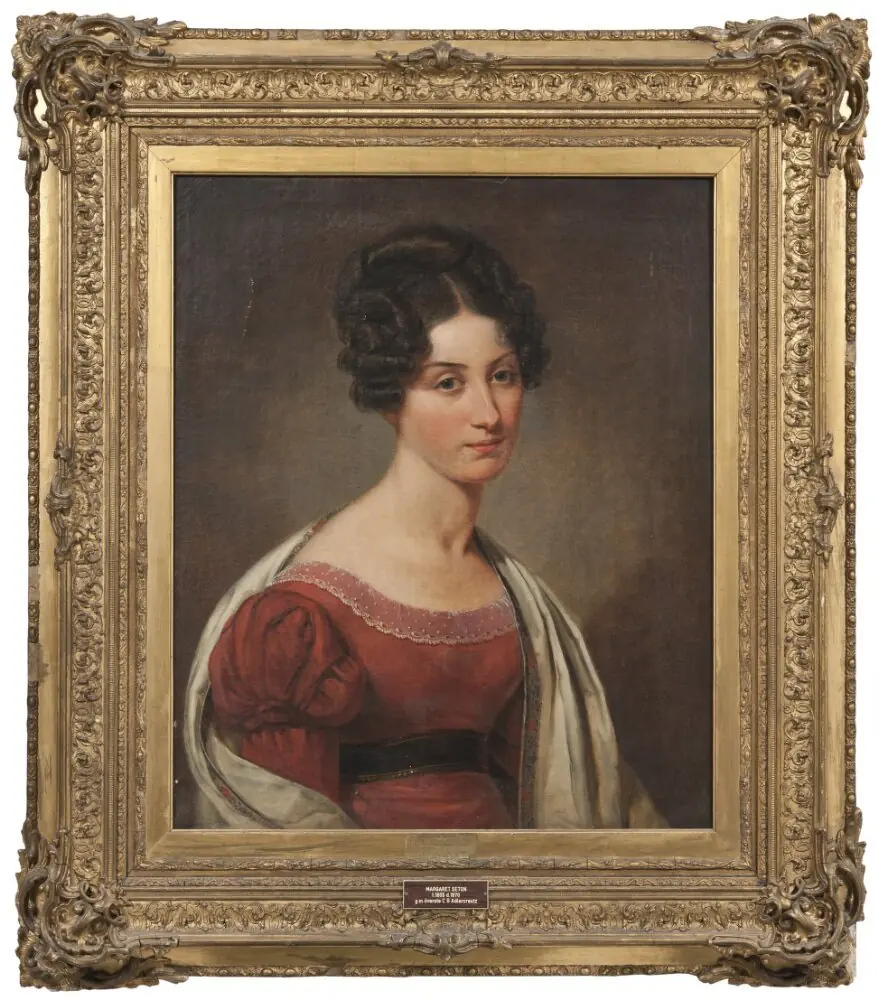 Margaret Seton (1805-1870), född i Skottland, verksam i Sverige, g.m. friherre överste Carl Gustaf Adlercreutz, sondotter till Alexander Baron Seton
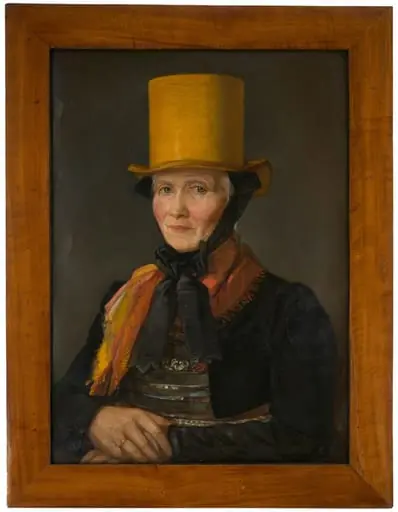 Brustbild von Johanna Dold
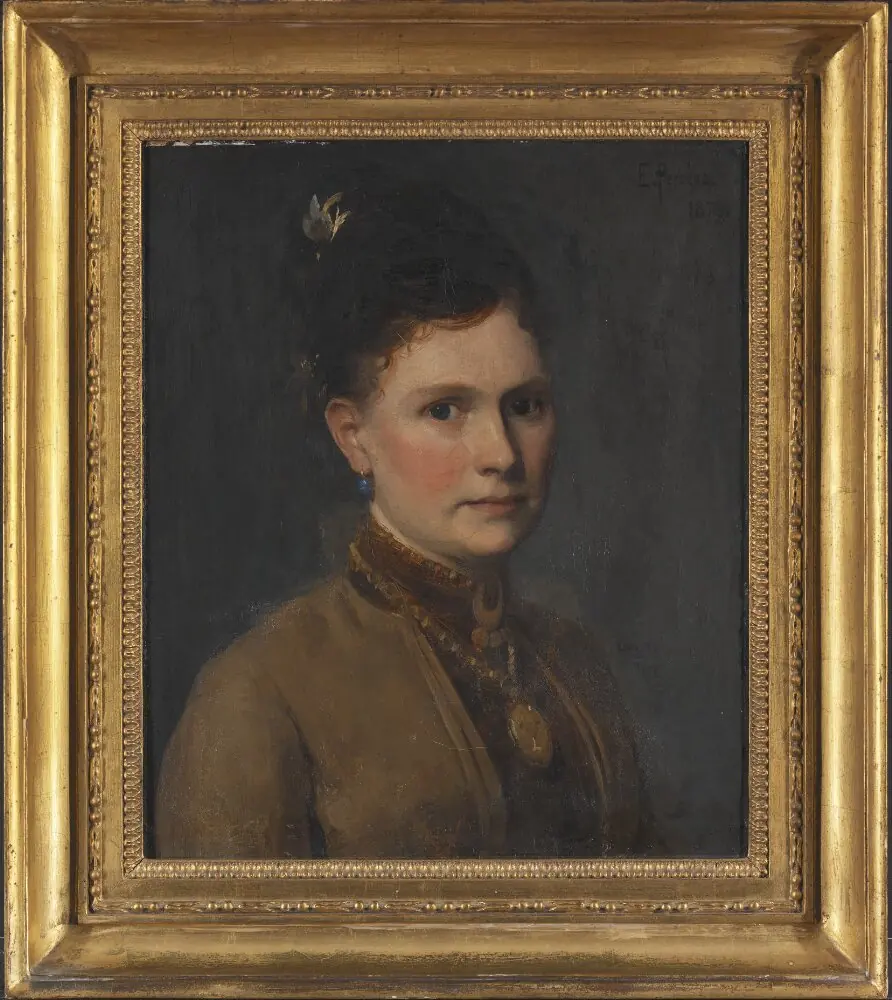 Maria Agnes Claesson (1843- efter 1903), gift med konstnären Edvard Perséus
 Portret de femeie
 An Italian Woman From the Area of Lake Albano Wearing a White Head Piece
 Woman's Head
 Προσωπογραφία της Κυριακούλας Αντωνίου Κριεζή