Artwork
Helena Roed, Acting as Leonora in Ludvig Holberg’s Det lykkelige skibbrud (The Fortunate Shipwreck)
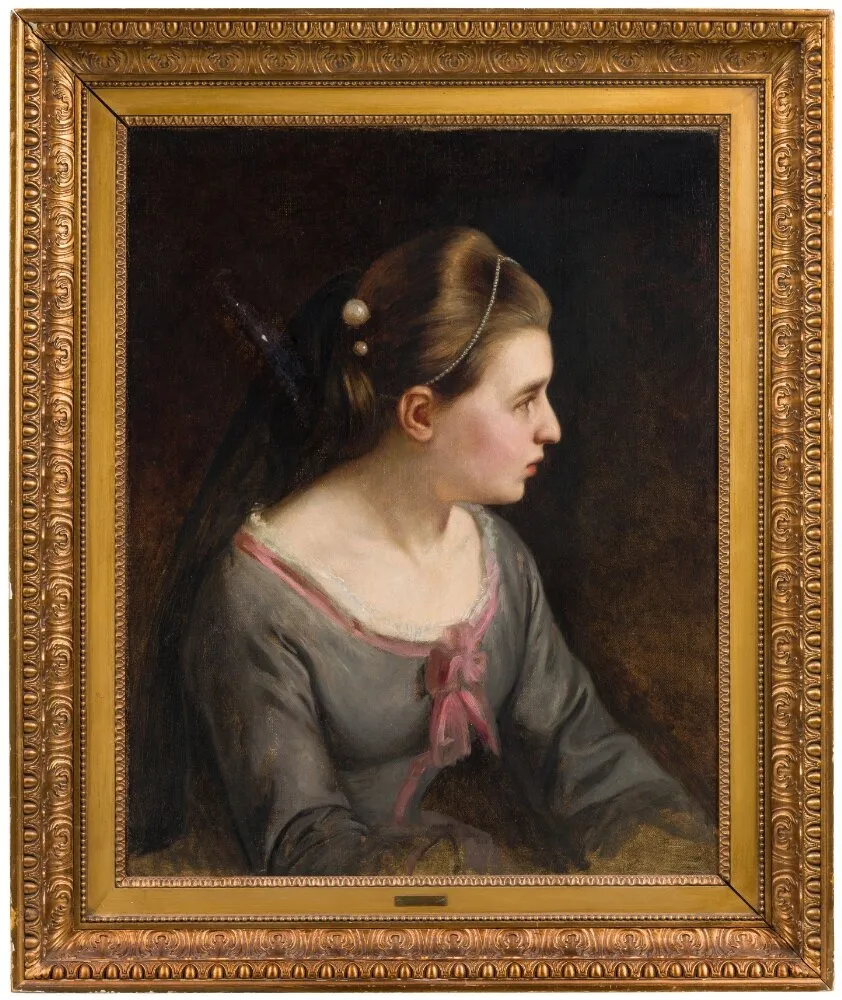
Helena Roed, Acting as Leonora in Ludvig Holberg’s Det lykkelige skibbrud (The Fortunate Shipwreck) is an oil painting by Wilhelm Marstrand. It dates from 1858 and is held in the collection of the Nationalmuseum.
About this work
Overview
The work reflects his interest in theatrical life and the cultural prominence of stage performance in 19th-century Denmark.
Painted in 1858 by Wilhelm Marstrand, this oil portrait captures actress Helena Roed in character as Leonora from Ludvig Holberg’s comedy The Fortunate Shipwreck. Marstrand, a central artist of Denmark’s Golden Age, specialized in scenes blending narrative and portraiture. The work reflects his interest in theatrical life and the cultural prominence of stage performance in 19th-century Denmark. It resides in the Nationalmuseum’s collection.
Subject & Meaning
Helena Roed is portrayed not as herself, but as Leonora, a character from Holberg’s 18th-century play. The choice to depict an actress in role underscores the blurred line between performance and identity in Romantic-era theater. Her poised expression and elegant attire suggest dignity and emotional depth, elevating the actress beyond mere entertainment to a figure of cultural resonance.
Technique & Style
Marstrand employs chiaroscuro to model Roed’s form with subtle gradations of light and shadow, enhancing the three-dimensionality of her face and costume. The dark, unmodeled background isolates her figure, focusing attention on her expression and attire. Delicate rendering of lace, pearls, and ribbon adds tactile realism, while the restrained palette—gray, white, and soft pink—conveys quiet refinement.
History & Provenance
Commissioned during Marstrand’s mature period, the painting was likely created to honor Roed’s stage presence and Holberg’s enduring literary legacy. It entered the Nationalmuseum’s holdings shortly after completion, reflecting institutional interest in documenting Denmark’s theatrical heritage. No significant changes in ownership are recorded, suggesting consistent recognition of its cultural value.
Context
In mid-19th-century Denmark, theater was a vital part of national identity, with Holberg’s comedies still widely performed. Marstrand’s portrayal of Roed aligns with broader efforts to elevate the arts through visual representation. The painting captures a moment when actors were increasingly seen as cultural figures, not just entertainers, reflecting societal shifts in how performance was valued.
Legacy
The portrait remains a key example of how Danish Golden Age artists engaged with theater as a subject. It preserves the likeness of a notable actress and documents the aesthetic priorities of the time—realism, emotional nuance, and refined composition. While not widely reproduced, it continues to inform scholarship on Scandinavian performance culture and portraiture.
Artist & collection
Artist
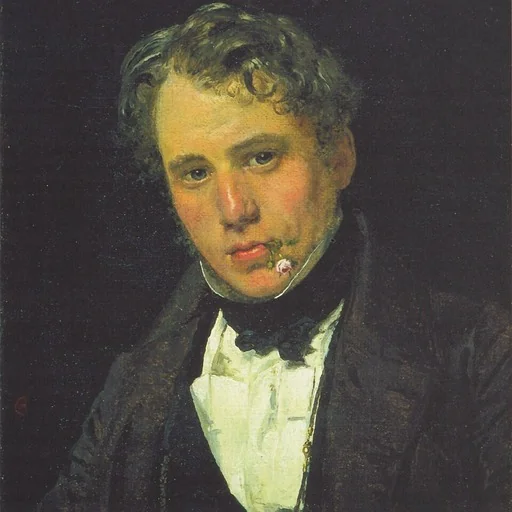
Nicolai Wilhelm Marstrand (24 December 1810 – 25 March 1873), painter and illustrator, was born in Copenhagen, Denmark, to Nicolai Jacob Marstrand, instrument maker and inventor, and Petra Othilia Smith.

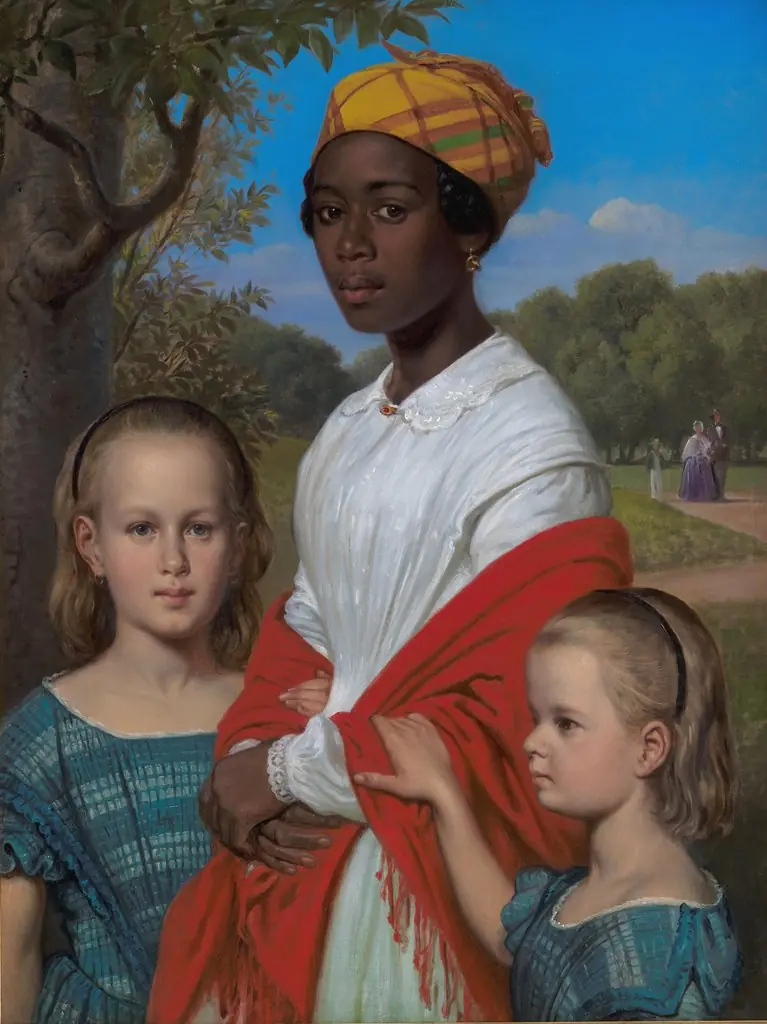 Portrait of Otto Marstrand's two daughters and their nanny
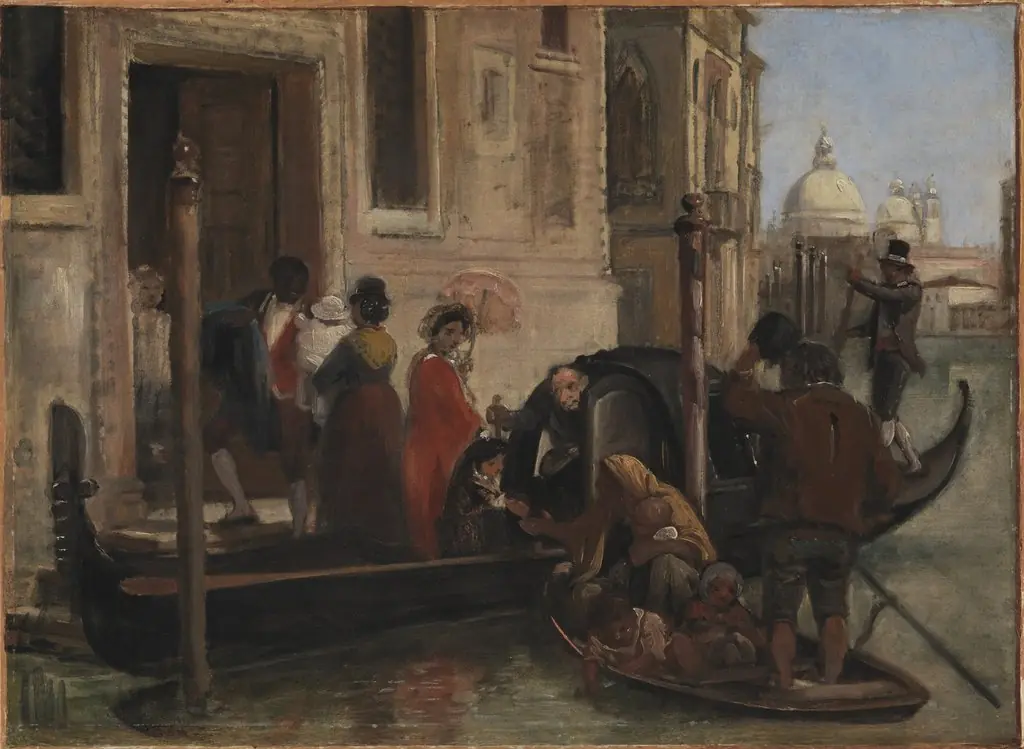 Landing in Venice. In the Distance S. Maria delle Salute
 An Italian Woman in the Way to the Carnival
 Eve Tempts Adam
 Alighting from a Gondola in Venice
 Skuespillerinden Johanne Luise Heiberg
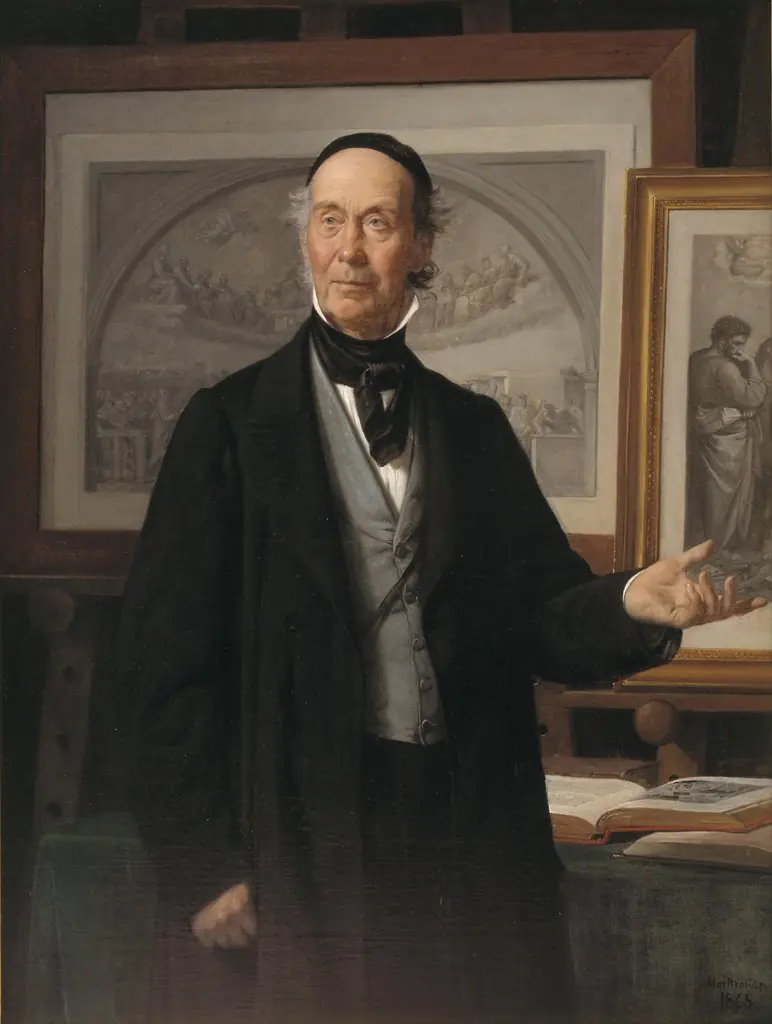 The Art Historian N. L. Høyen
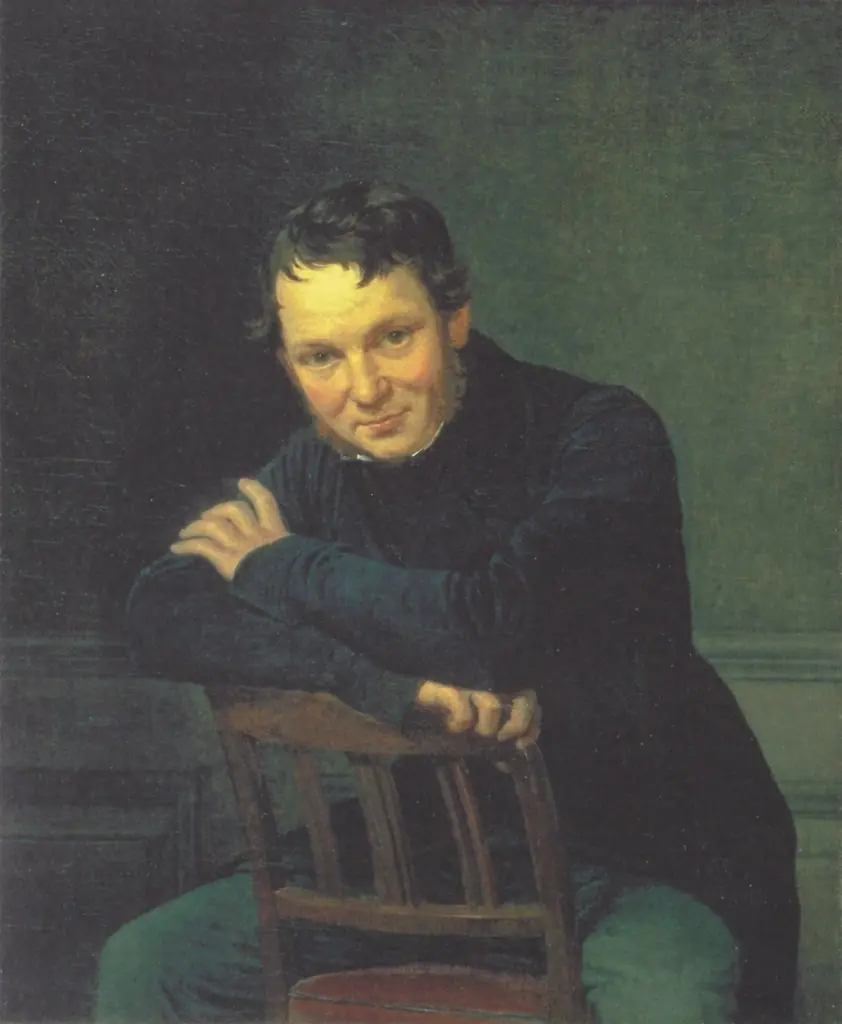 Gottlieb Bindesbøll, Danish Architect
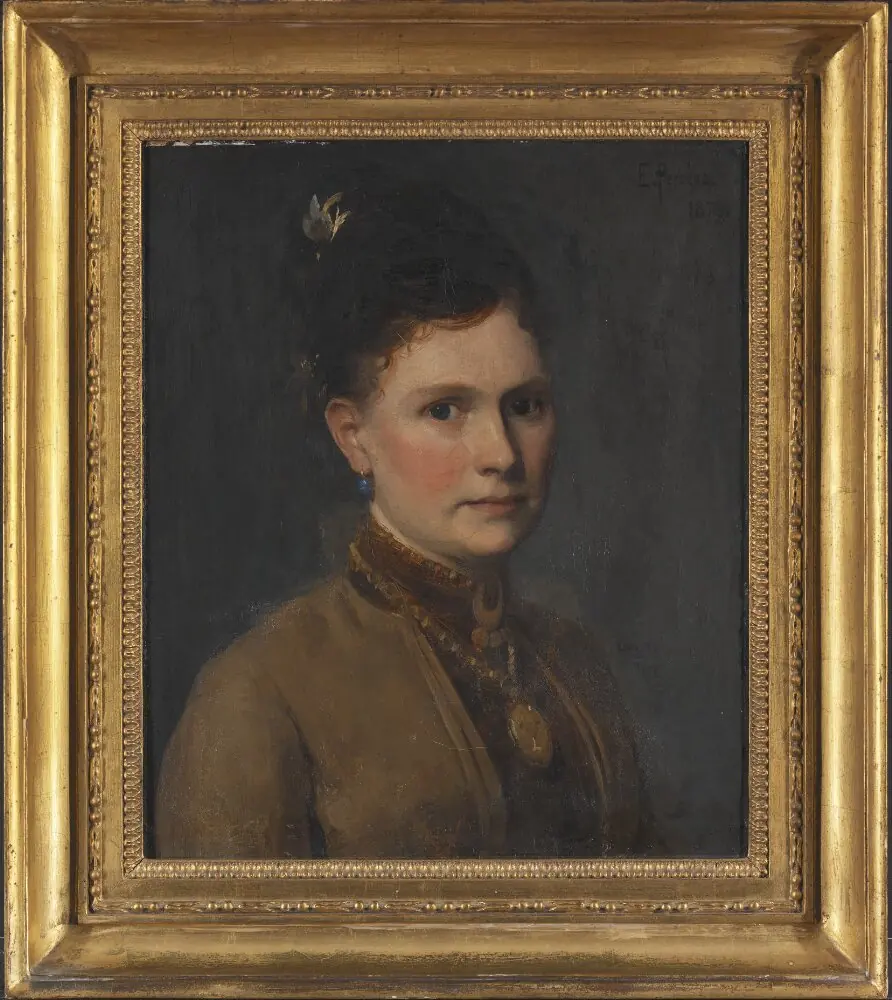 Maria Agnes Claesson (1843- efter 1903), gift med konstnären Edvard Perséus
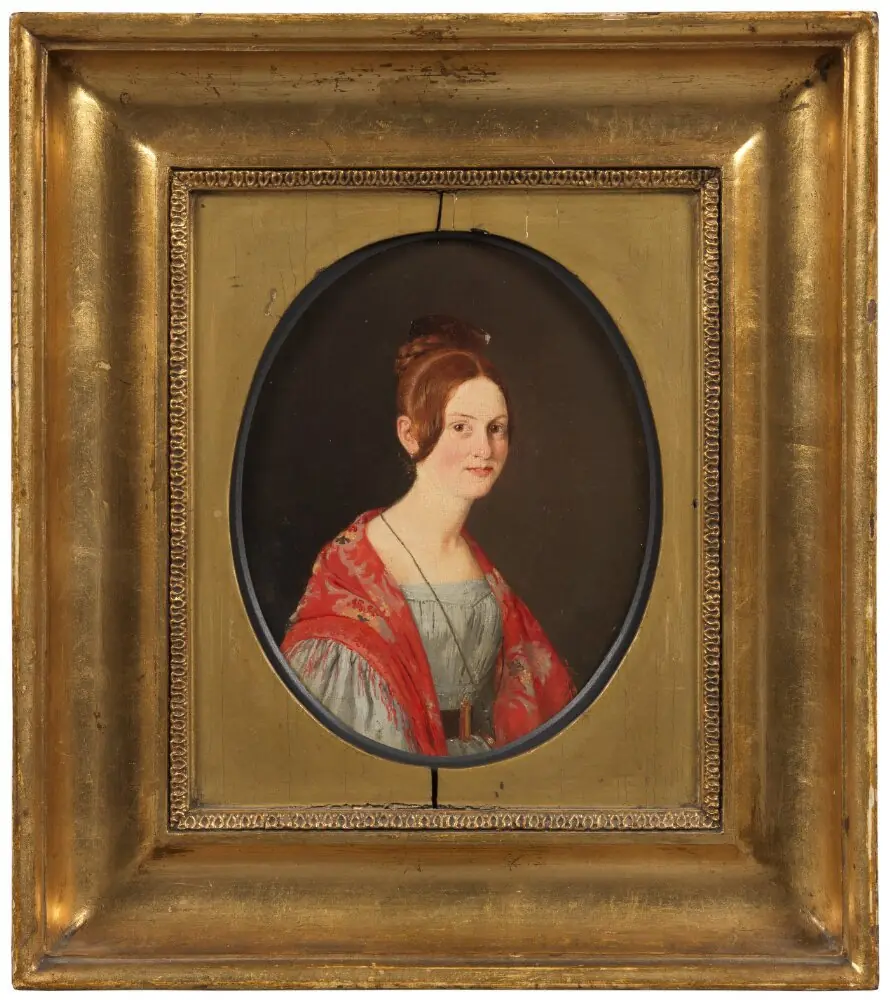 Portrait of Ane Elisabeth (Elise) Gurlitt, né Saxild (1817-39)
 Portrait of a Young Lady
 Young Woman
 His First Model-Miss Russell
 Galathea. Study
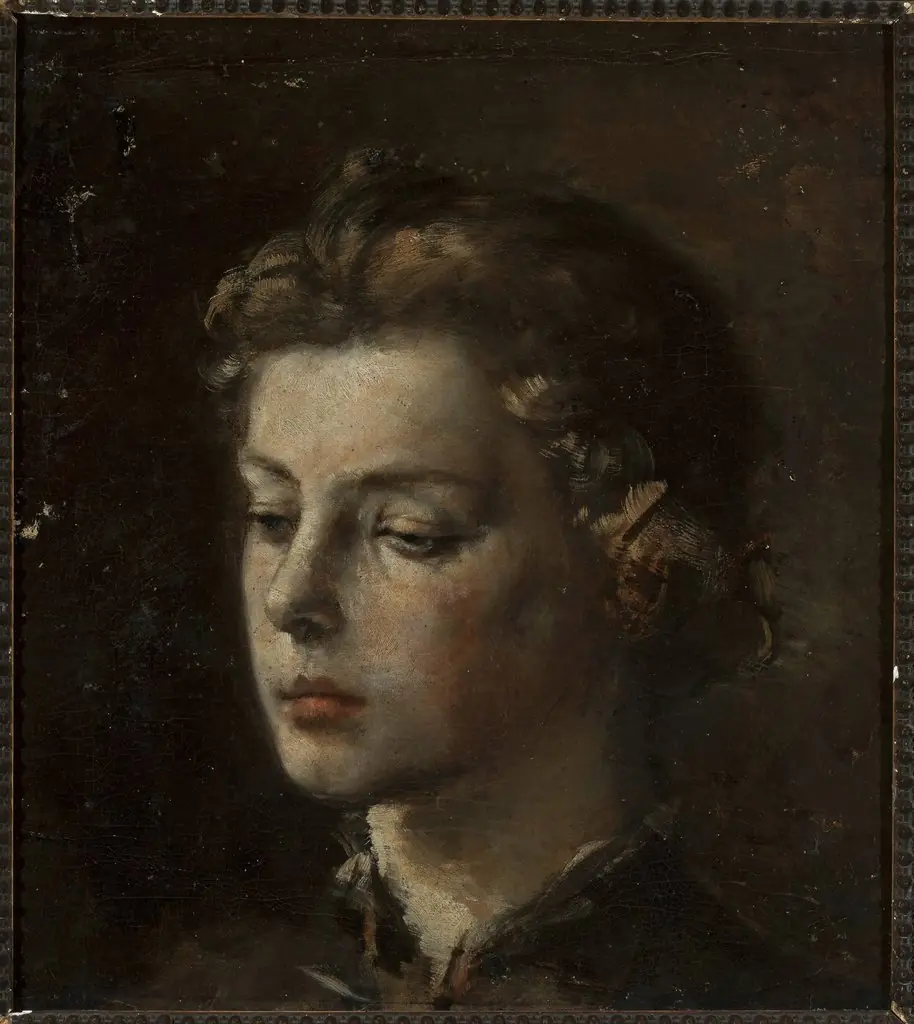 Portrait of a young girl
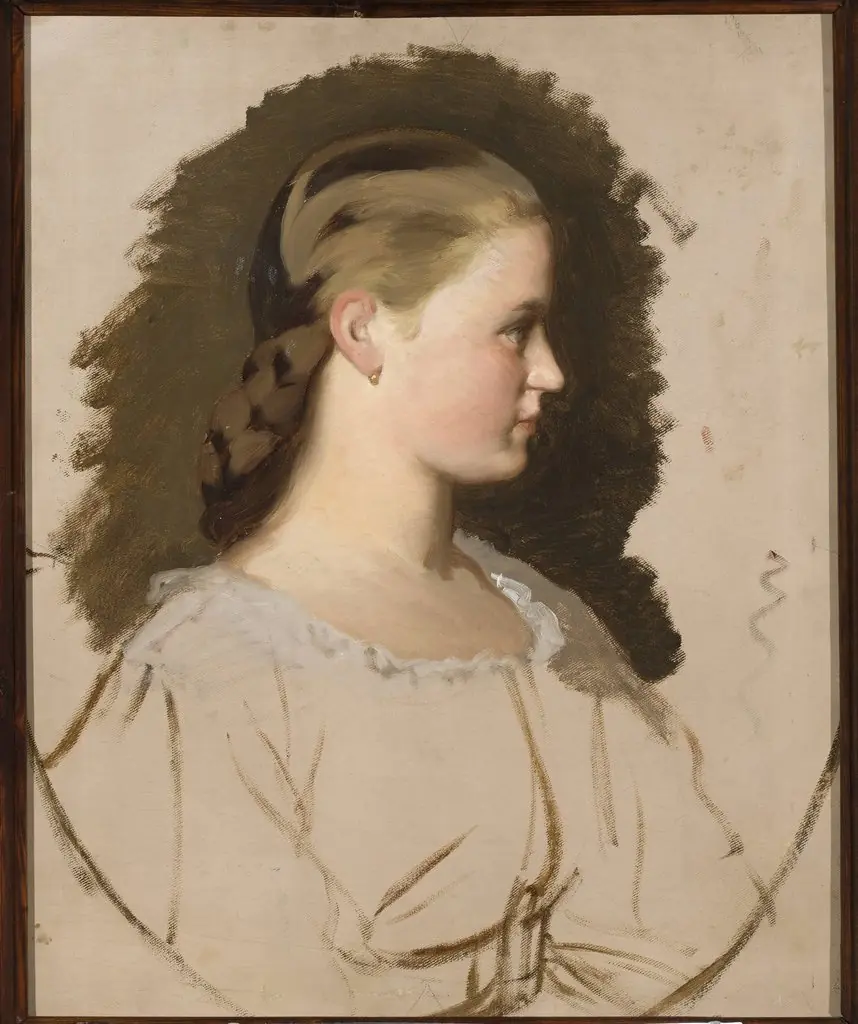 Portrait of Klementyna Szembek née Dzieduszycka, sketch
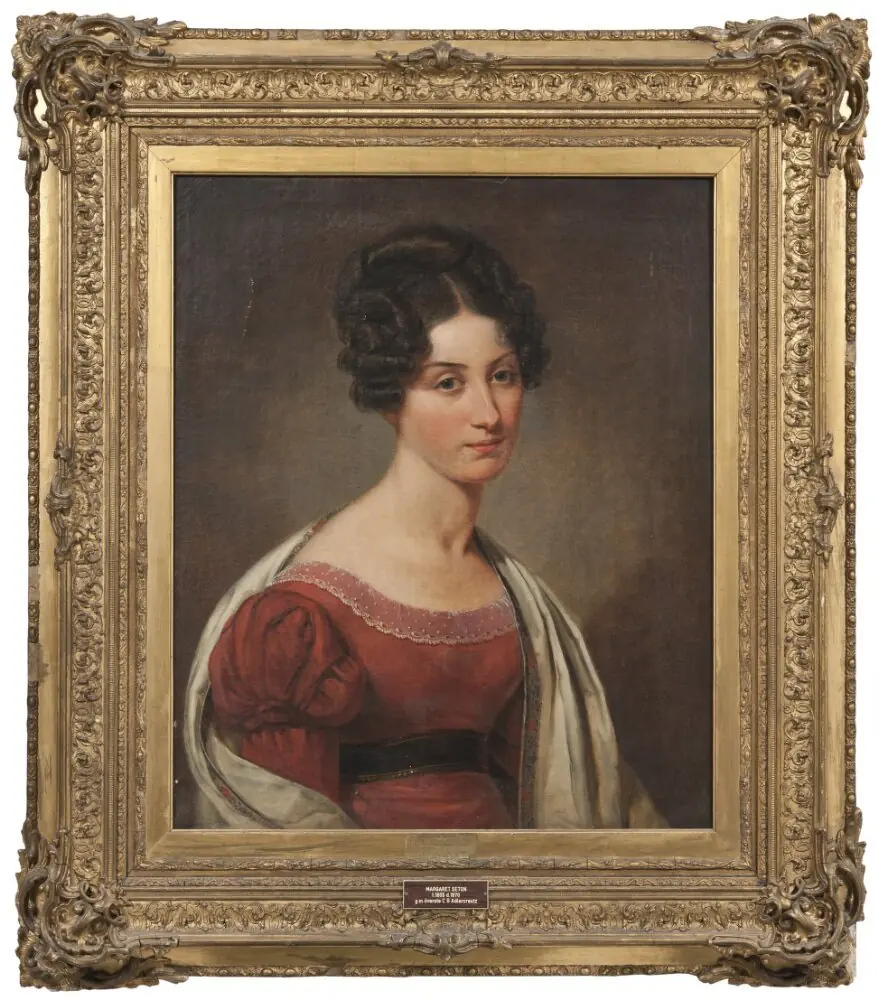 Margaret Seton (1805-1870), född i Skottland, verksam i Sverige, g.m. friherre överste Carl Gustaf Adlercreutz, sondotter till Alexander Baron Seton
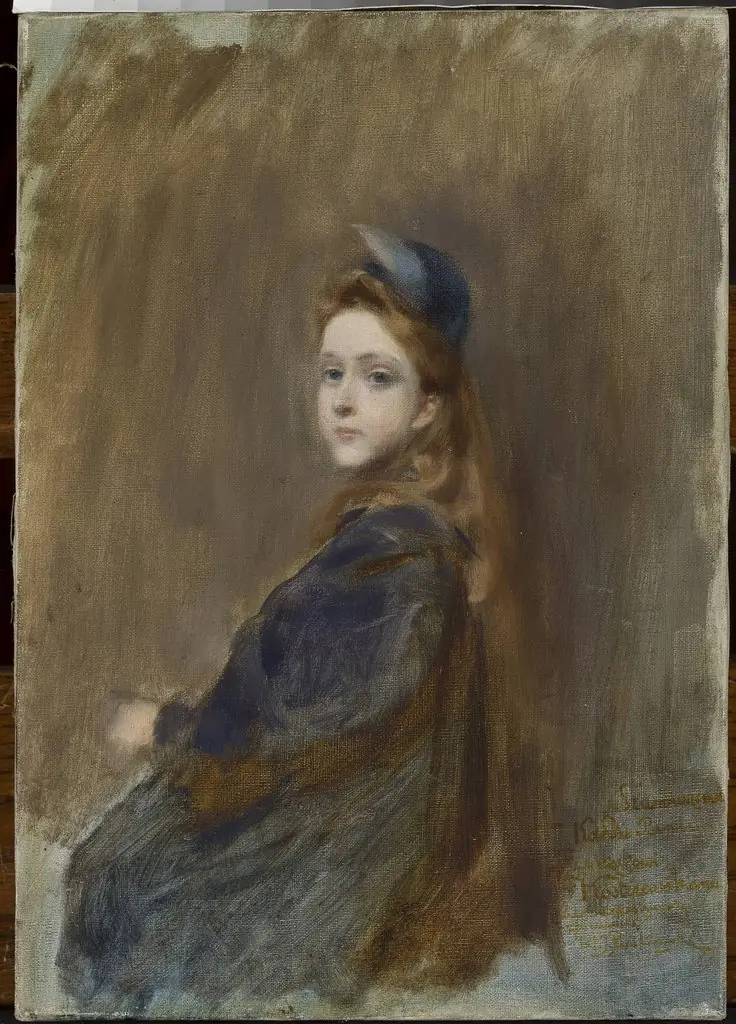 Portrait of Mrs. Z.
 Head of a Woman in Profile
 Portrait of a young girl