Artwork
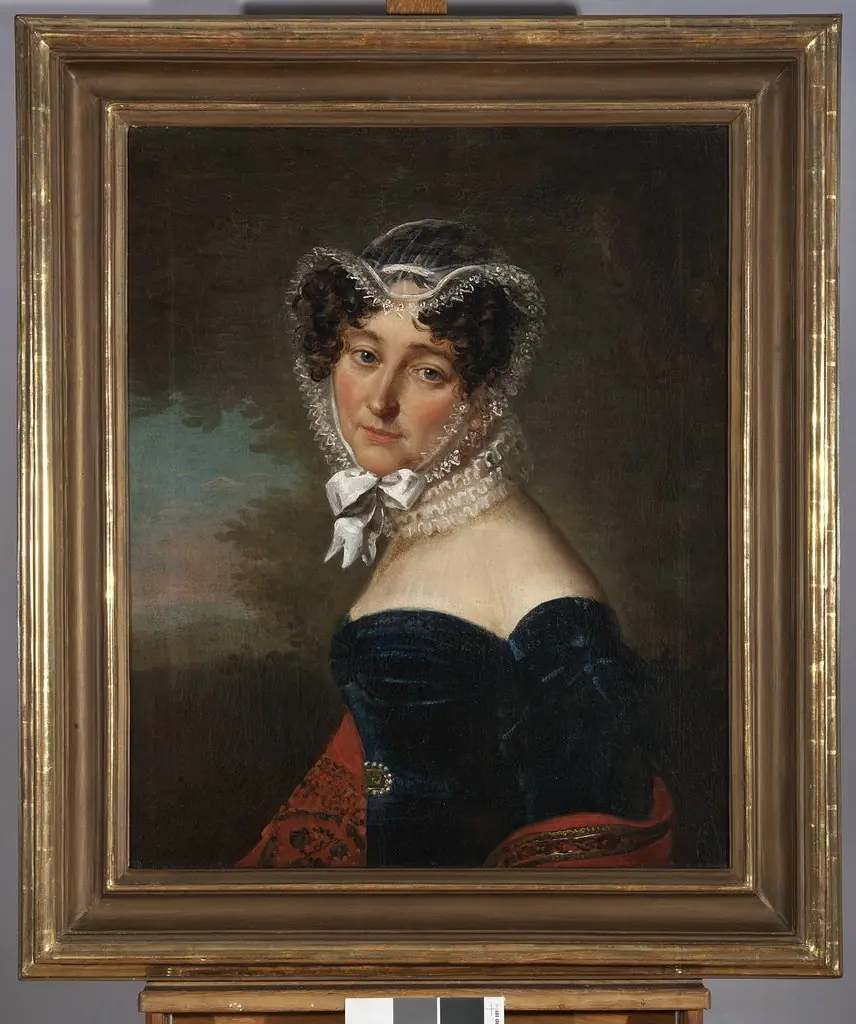
Margaret Seton (1805-1870), född i Skottland, verksam i Sverige, g.m. friherre överste Carl Gustaf Adlercreutz, sondotter till Alexander Baron Seton
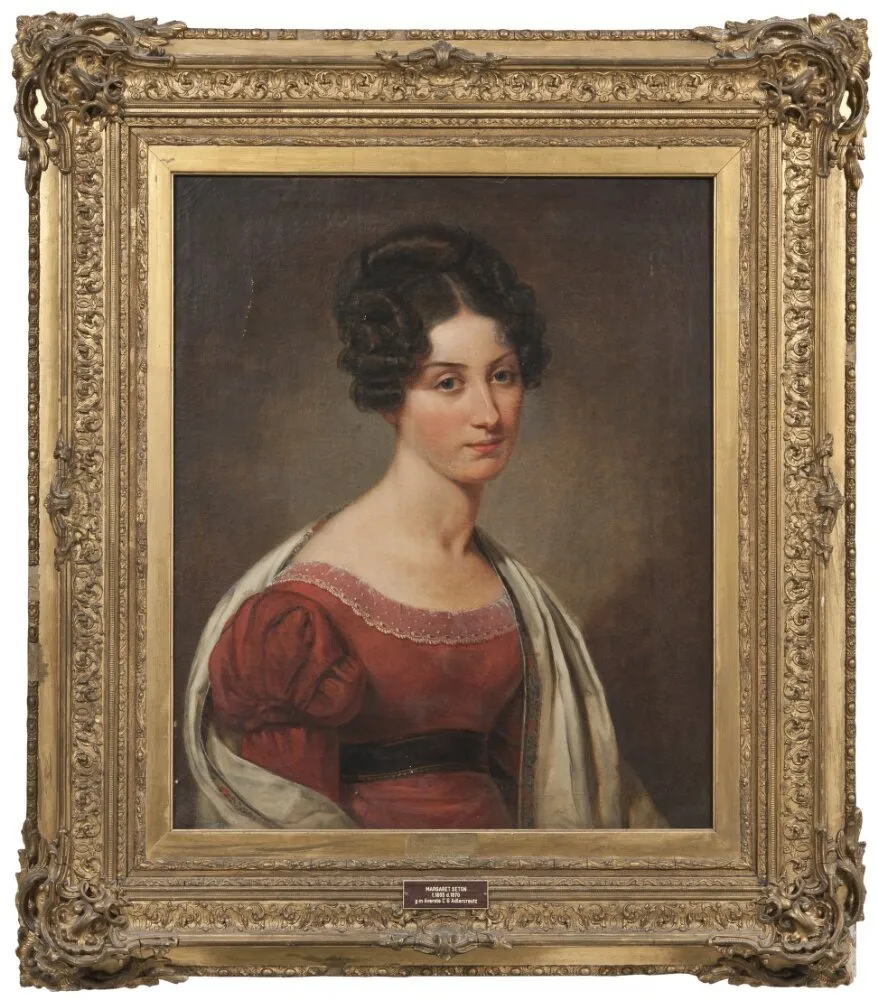
Margaret Seton (1805-1870), född i Skottland, verksam i Sverige, g.m. friherre överste Carl Gustaf Adlercreutz, sondotter till Alexander Baron Seton is an oil painting by Johan Gustaf Sandberg. It dates from 1826 and is held in the collection of the Nationalmuseum.
About this work
To learn more about the artist's use of chiaroscuro, a technique that emphasizes contrasts between light and dark, explore the works of Johan Gustaf Sandberg.
This portrait painting depicts a woman with dark, curly hair, wearing a red dress with puffy sleeves and a white shawl draped over her shoulders. The background is a muted brown color.
The woman's attire and hairstyle suggest a style from the early 19th century. The painting is rendered in oil paint, which adds depth and texture to the image.
To learn more about the artist's use of chiaroscuro, a technique that emphasizes contrasts between light and dark, explore the works of Johan Gustaf Sandberg.
Overview
Painted in 1826 by Swedish artist Johan Gustaf Sandberg, this oil portrait depicts Margaret Seton, a Scottish-born woman who settled in Sweden and married Baron Carl Gustaf Adlercreutz. The work belongs to the Nationalmuseum’s collection and reflects Sandberg’s skill in capturing individual presence, distinct from his more monumental historical subjects. Its intimate scale and refined detail mark it as a personal commission rather than a public commemoration.
Subject & Meaning
Margaret Seton, granddaughter of Alexander Baron Seton, is portrayed as a member of Sweden’s aristocratic circles through her refined attire and composed demeanor. Her marriage into the Adlercreutz family situates her within a network of Swedish nobility, while her Scottish origins hint at transnational connections among European elites. The portrait conveys status through subtle elegance rather than overt symbolism, emphasizing her role as a cultivated woman in early 19th-century Swedish society.
Technique & Style
Sandberg employs oil paint to render subtle gradations of light and shadow, particularly in the folds of the white shawl and the texture of the red dress. The muted brown background isolates the figure, directing focus to her facial expression and clothing. The dark, curly hair and puffed sleeves reflect contemporary fashion, while the restrained palette and soft modeling reveal a sensitivity to naturalism, aligning with early Romantic portraiture trends in Northern Europe.
History & Provenance
Commissioned shortly after Margaret’s marriage, the portrait remained within the Adlercreutz family before entering the Nationalmuseum’s holdings. Its preservation reflects the family’s cultural prominence and the museum’s interest in documenting Sweden’s aristocratic life. Unlike Sandberg’s mythological works, this portrait was likely intended for private display, offering a rare glimpse into the domestic sphere of the Swedish elite during the 1820s.
Context
In early 19th-century Sweden, portraits of noblewomen often served to affirm social standing and familial lineage. Margaret’s Scottish heritage was not unusual among Scandinavian aristocracy, where intermarriage across borders was common. Sandberg, though better known for grand historical scenes, was frequently called upon to depict individuals of influence, blending formal convention with personal nuance in his sitters’ likenesses.
Legacy
This portrait endures as a quiet testament to the lives of women who moved between national identities in the post-Napoleonic era. While Sandberg’s larger works dominate scholarly attention, this intimate image contributes to understanding how personal identity was visually constructed within Sweden’s upper classes. It remains a key example of domestic portraiture in the Nationalmuseum’s 19th-century collection.
Artist & collection
Artist
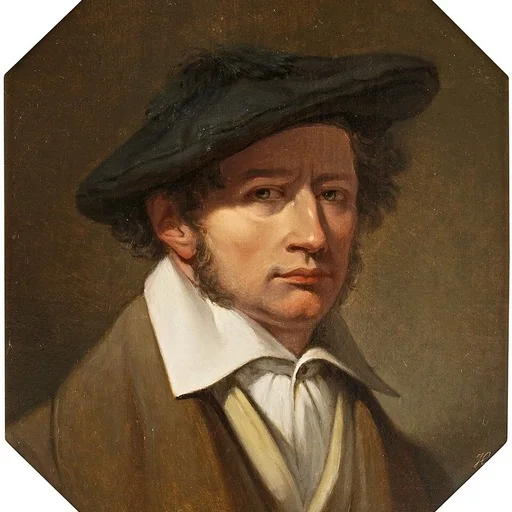
Johan Gustaf Sandberg (13 May 1782 – 26 June 1854) was a Swedish painter. He was foremost a history painter and used settings from Norse mythology and Swedish history. His most widely known work in this area are his…

 Portrait of Ane Elisabeth (Elise) Gurlitt, né Saxild (1817-39)
 Portrait of a woman
 Maria Helena Rosina von Haartman
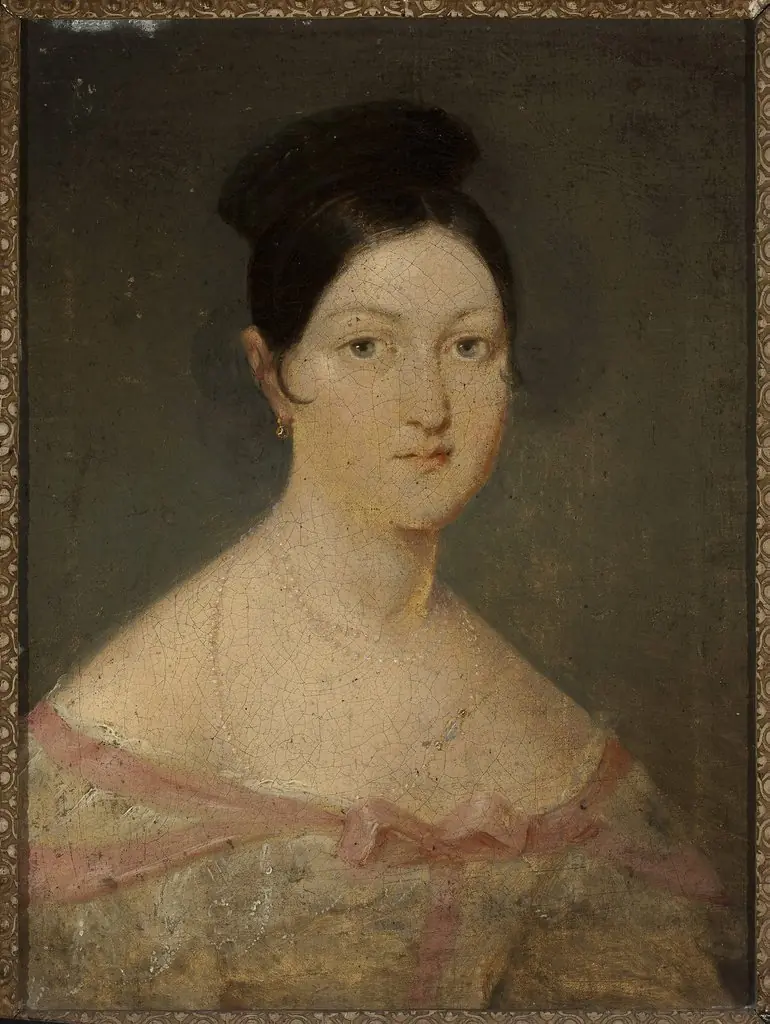 Portrait of a woman
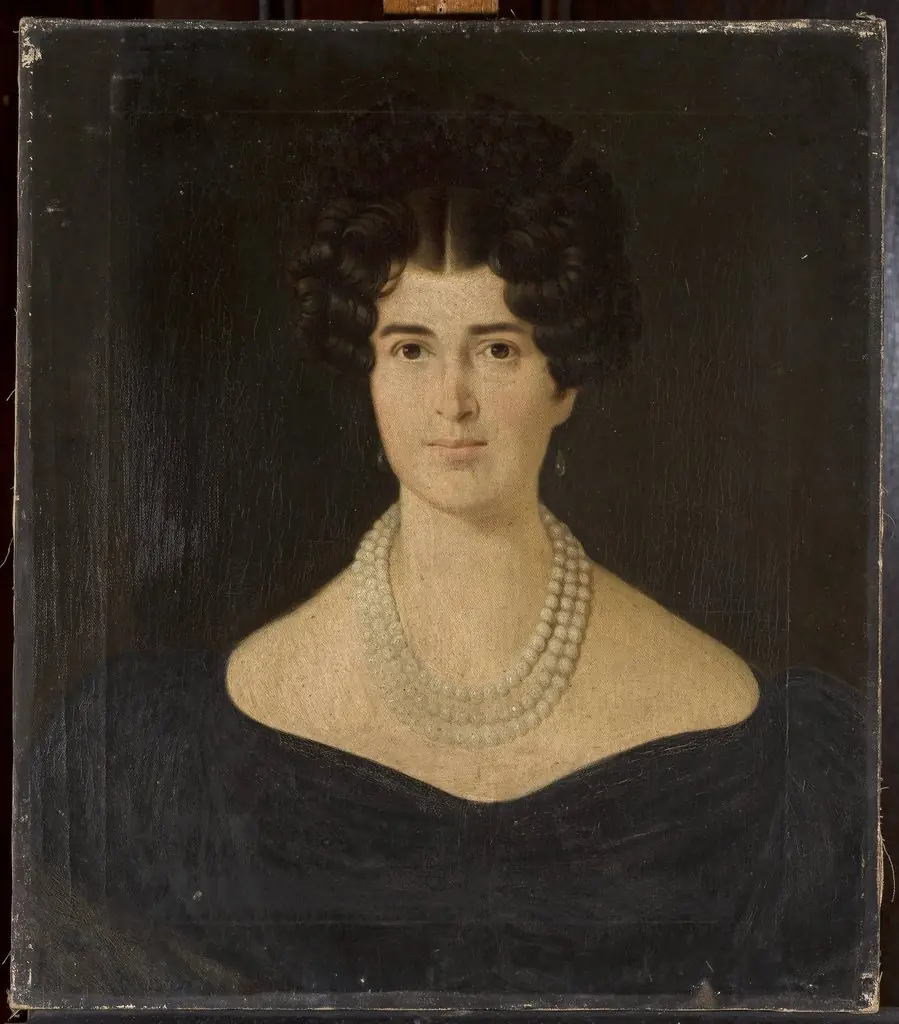 Portrait of Józefina Deboli née Drużbacka
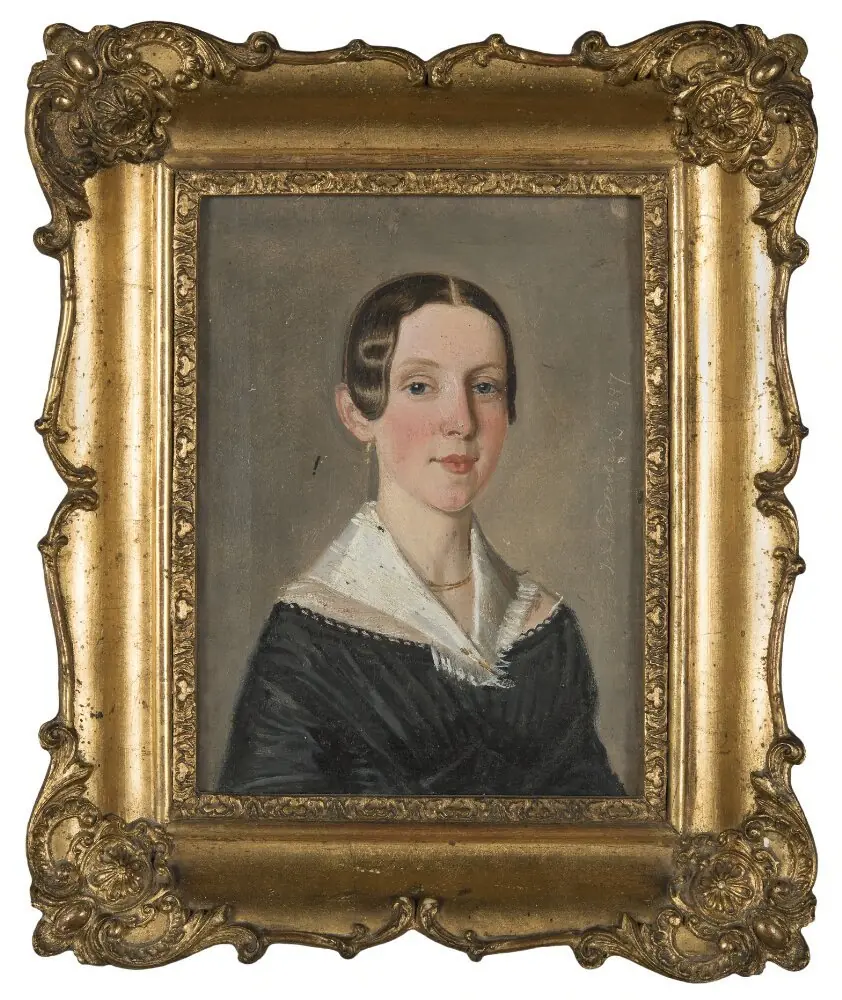 Elise Ljungman, m. Paint Manufacturer and the Director of an Orphanage Signeul in Uddevalla
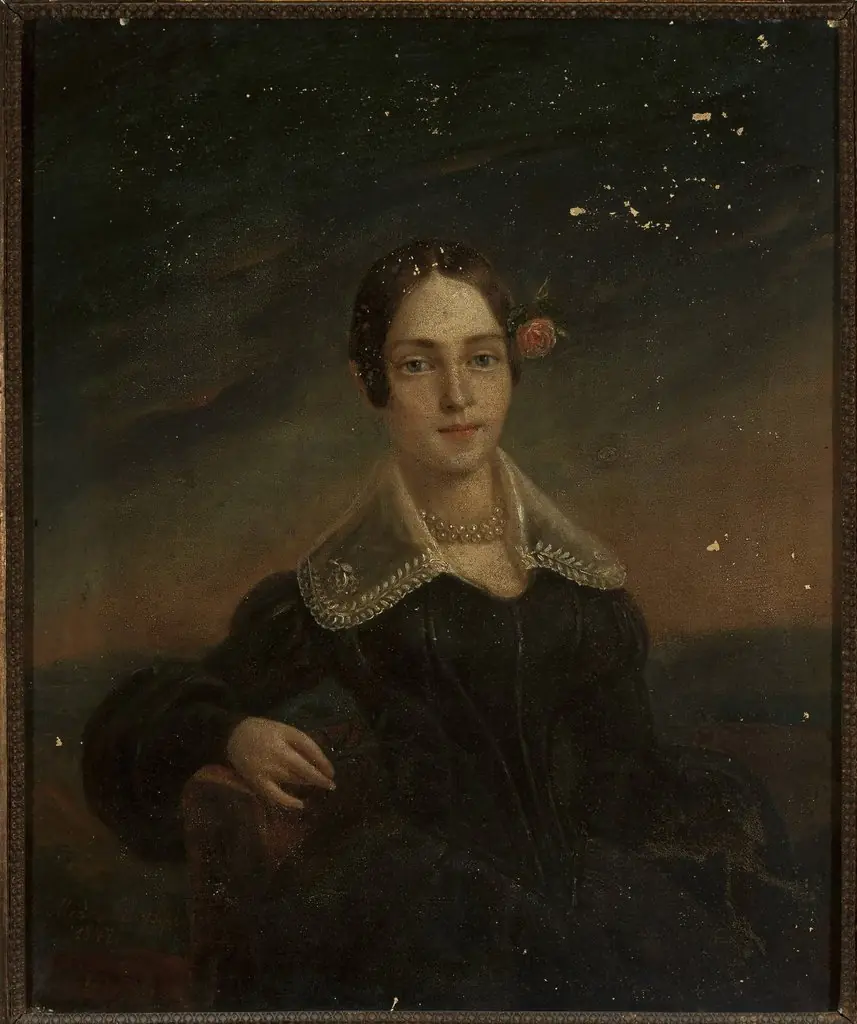 Portrait of a young woman
 Portrait of Józefa Węgleńska née Tyrowska
 Portrait of Teresa Żebrawska née Hanowicz
 Portrait of a Woman