Artwork
Wolfgang Wilhelm (1578-1653), count palatine of Neuburg, duke of Gulik and Berg
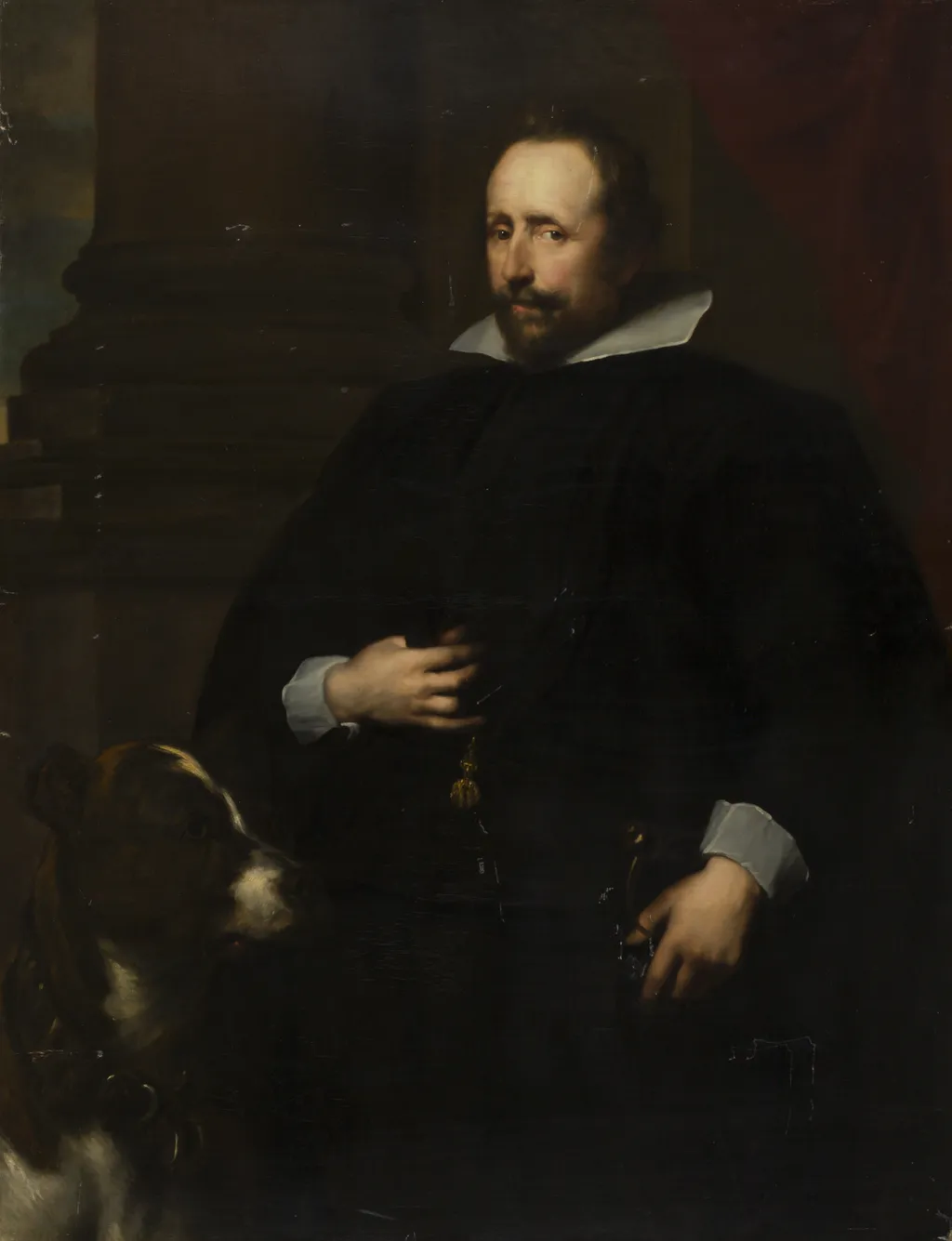
Wolfgang Wilhelm (1578-1653), count palatine of Neuburg, duke of Gulik and Berg is an oil painting by Willem Bartel van der Kooi. It dates from 1804 and is held in the collection of the Rijksmuseum.
About this work
Overview
This oil painting, created in 1804 by Willem Bartel van der Kooi, portrays Wolfgang Wilhelm, a 17th-century nobleman who held the titles of Count Palatine of Neuburg, Duke of Gulik, and Duke of Berg. The work is part of the Rijksmuseum's collection.
Subject & Meaning
The subject, Wolfgang Wilhelm (1578-1653), is depicted in a somber, contemplative manner, with a serious expression and clasped hands, conveying a sense of gravity or introspection. His attire, a dark robe, aligns with the solemnity of his portrayed demeanor.
Technique & Style
The painting employs chiaroscuro, a technique characterized by strong contrasts between light and dark. Here, soft lighting accents the subject's face and clothing folds, set against a plain black background, which enhances the facial prominence and creates a sense of depth.
History & Provenance
Created over a century after Wolfgang Wilhelm's death, in 1804, the painting's commission context is not detailed in available information. It is currently housed at the Rijksmuseum, Amsterdam, as part of its historical portrait collection.
Context
Given the time gap between the subject's life and the painting's creation, the work may reflect 19th-century interests in historical figures or a revival of styles from earlier centuries. However, specific contextual motivations for its creation are not provided.
Legacy
The painting's legacy is tied to its presence in the Rijksmuseum, contributing to the institution's collection of historical portraits. Its significance lies more in its representation of Wolfgang Wilhelm than in being a landmark of Dutch painting, given its late creation by an artist not as prominently recognized as others of the Dutch Golden Age.
Artist & collection
Artist
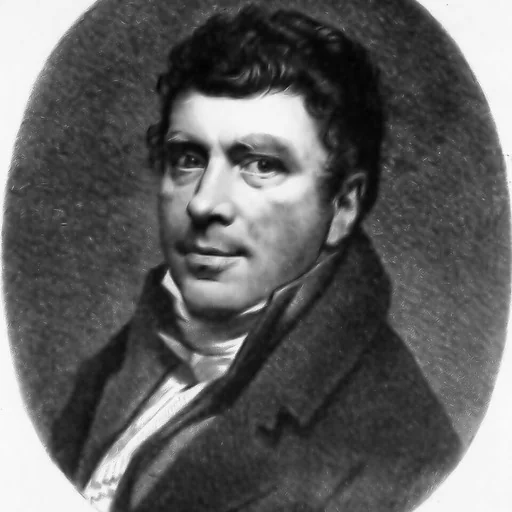
Willem Bartel van der Kooi (1768–1836) was an artist, born in Augustinusga.

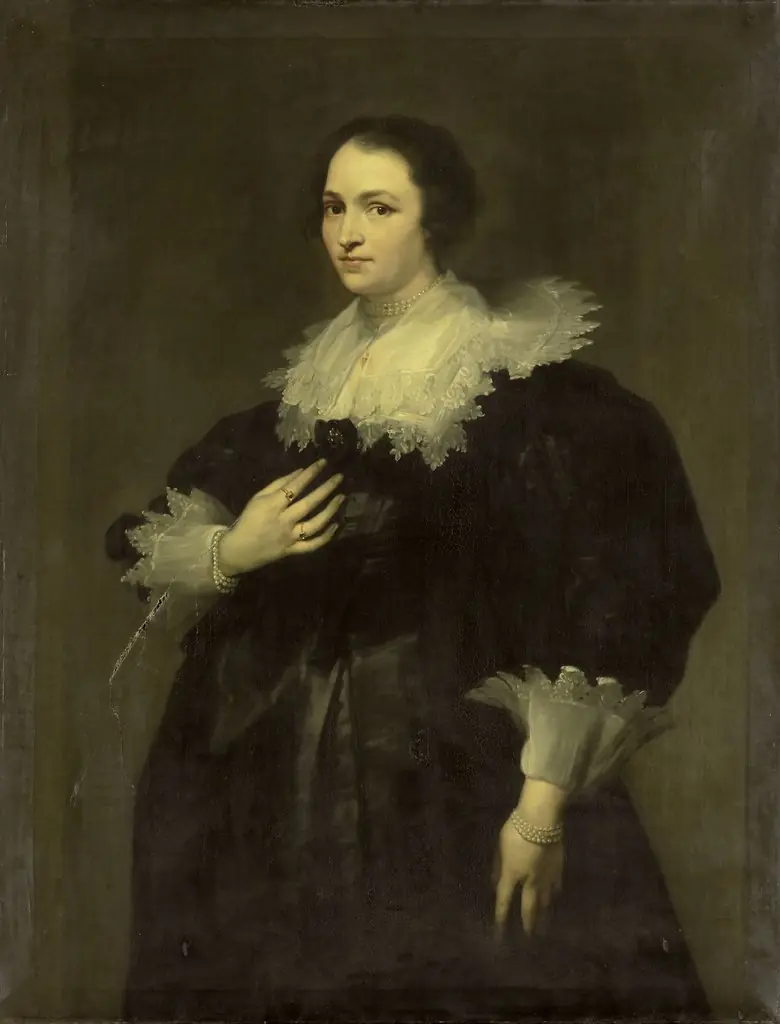 Wife of Sebastiaan Leerse
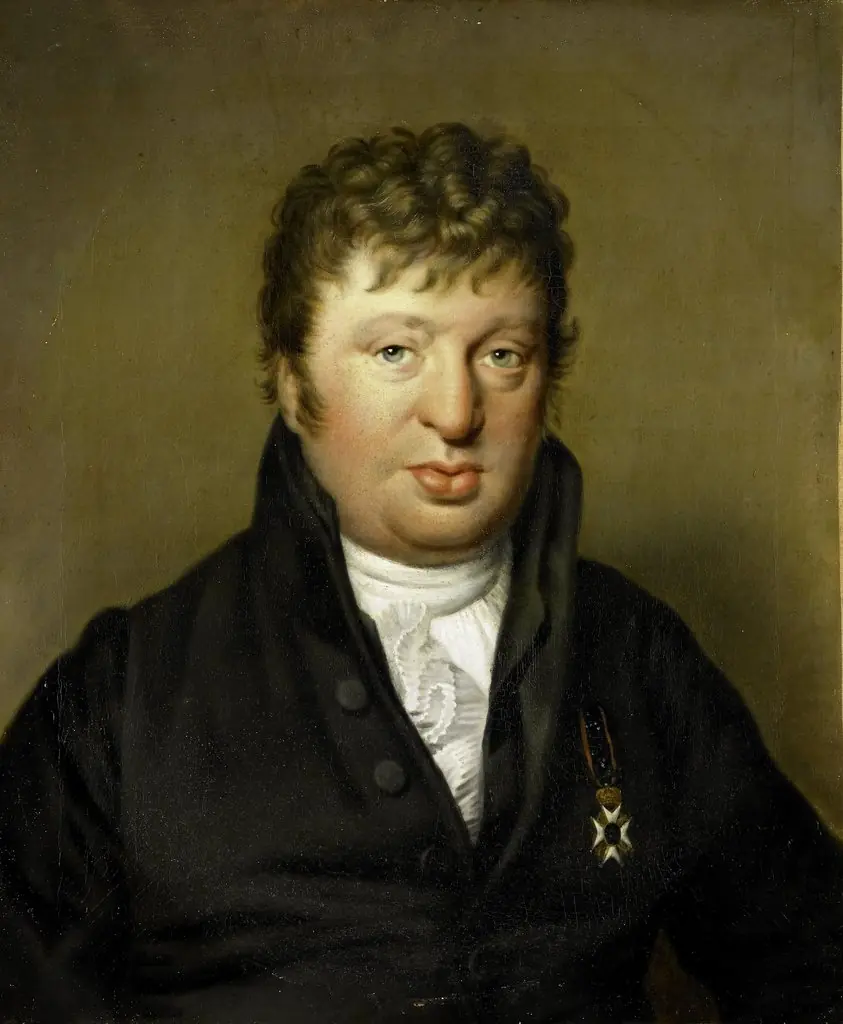 Portrait of Jacobus Scheltema, Historian
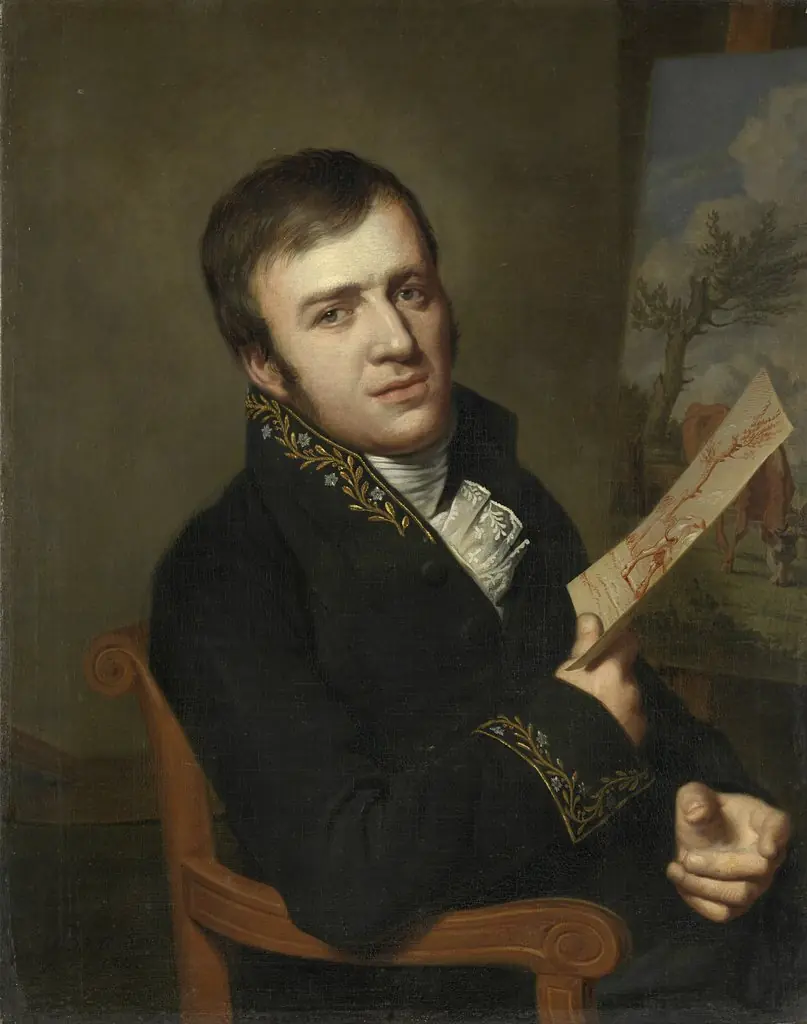 Jan Kobell II, Painter, in the Uniform of a Member of the Royal Institute of Sciences, Literature and Fine Arts
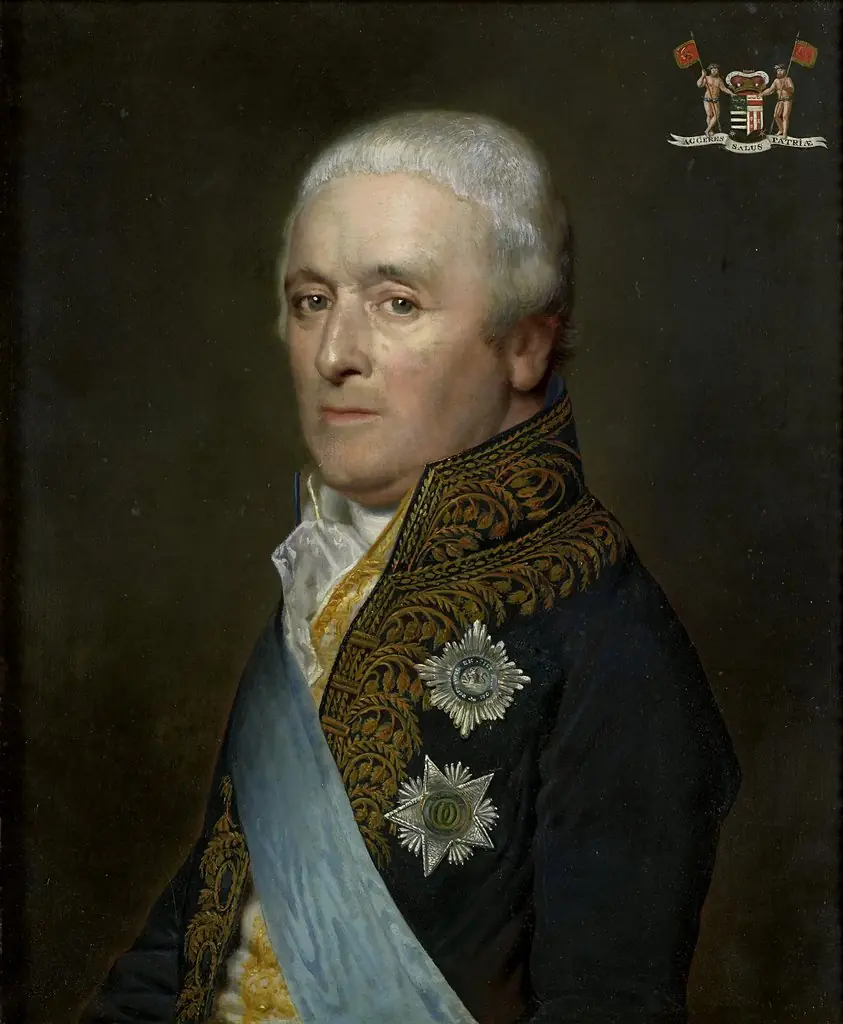 Portrait of Adriaen Pieter Twent, Count of Rosenburg, Minister of Public Works, Minister of the Interior, Chamberlain of King Louis Napoleon
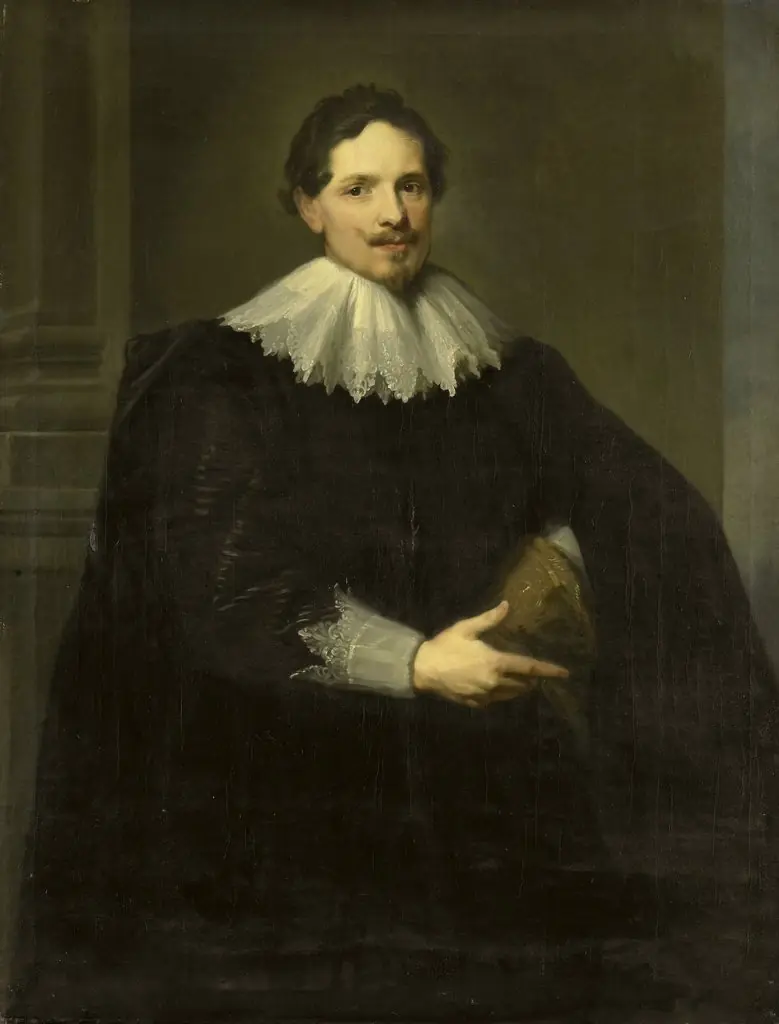 Sebastiaan Leerse, Antwerp Merchant
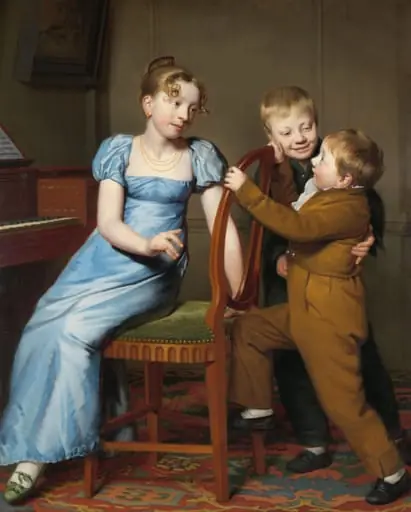 Het gestoorde pianospel
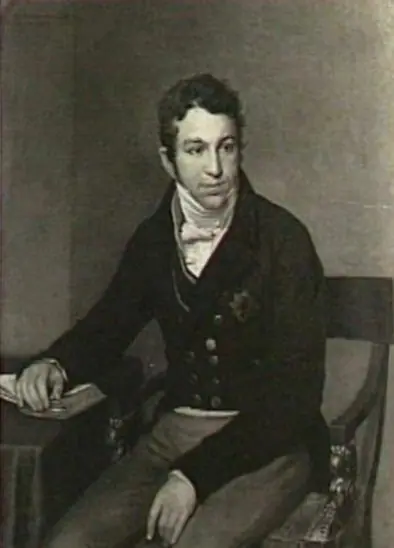 Portrait of Pierre Louis Servais van Gobbelschroy (1784-1850)
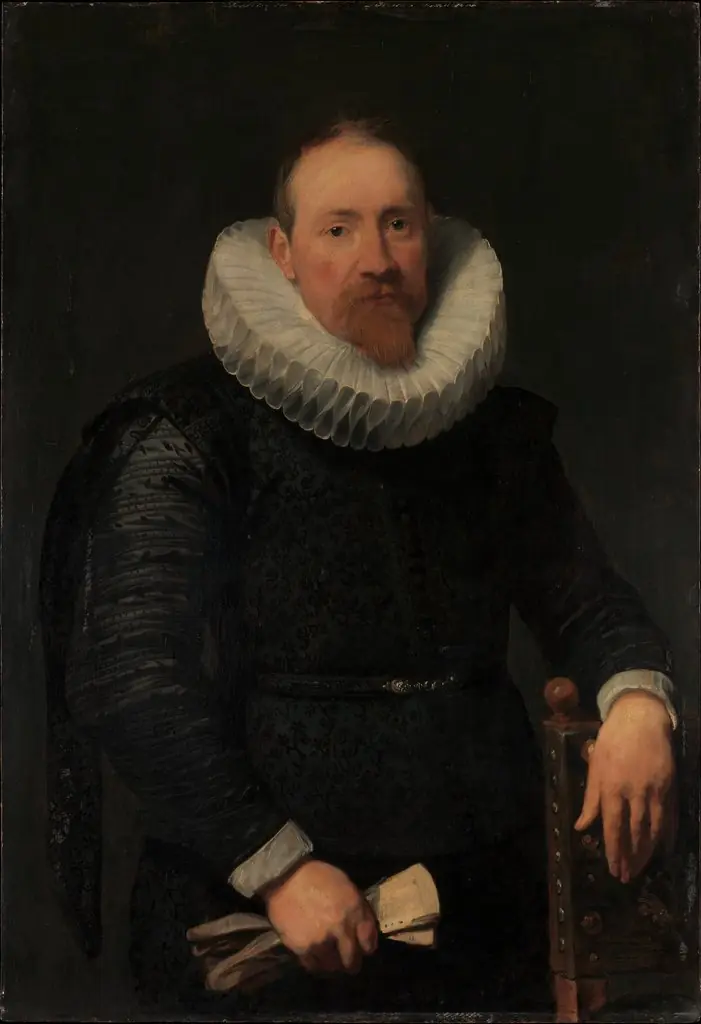 Portrait of a Man
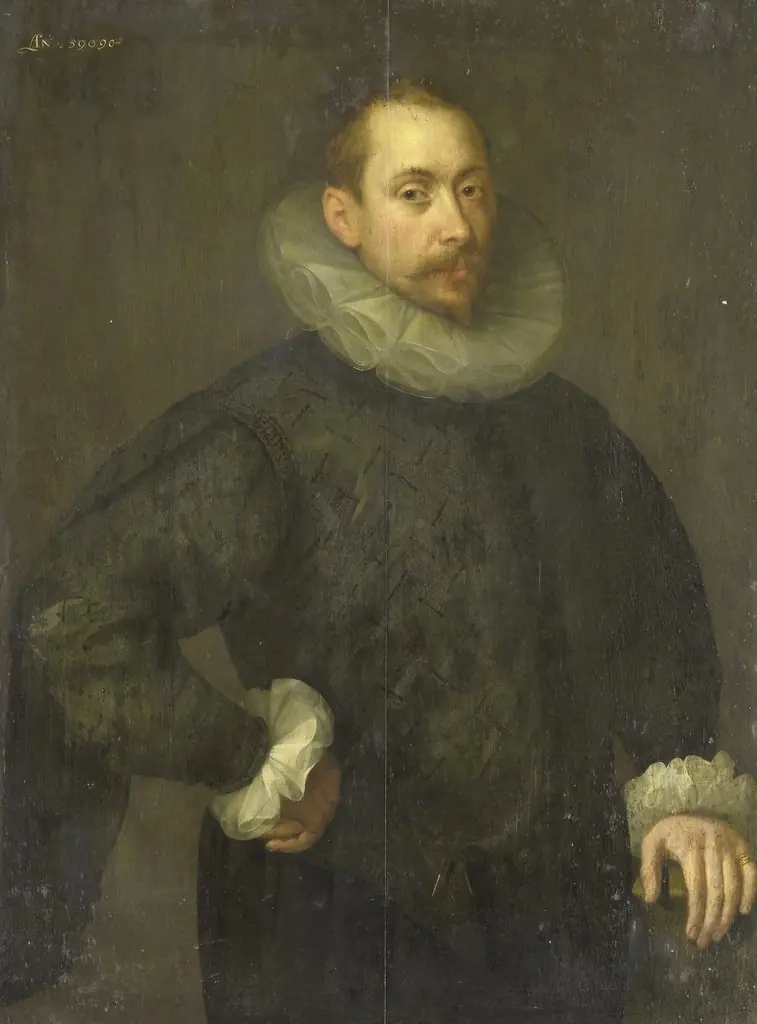 Portrait of Jean Fourmenois
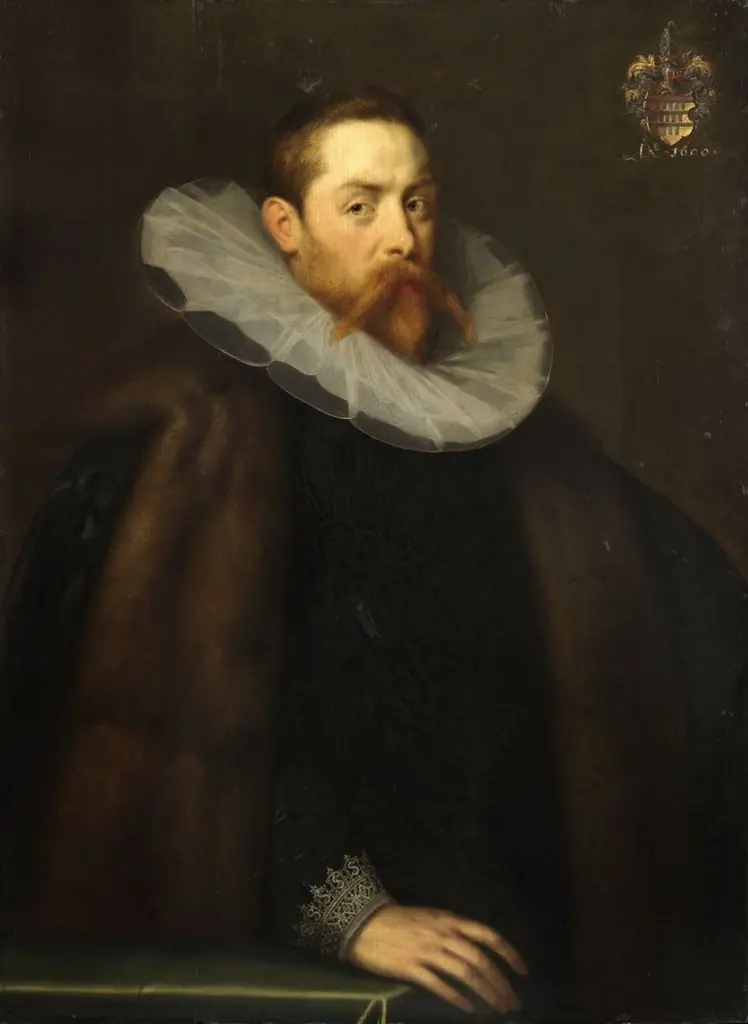 Portrait of a Member of the Lyskirchen Family
 Portrait of Laurens Reael
 Portrait of Laurens Reael
 Untitled
 Portrait of Rogier Le Witer (1591-1678), Merchant in Antwerp
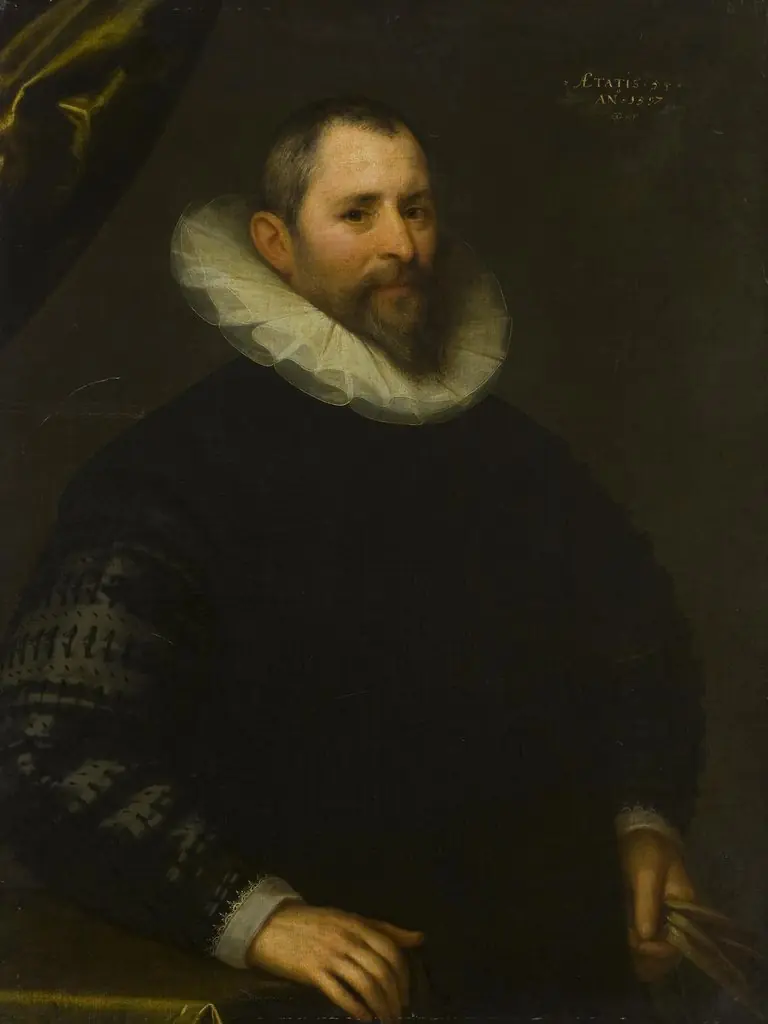 Portrait of Gottfried Hautappel
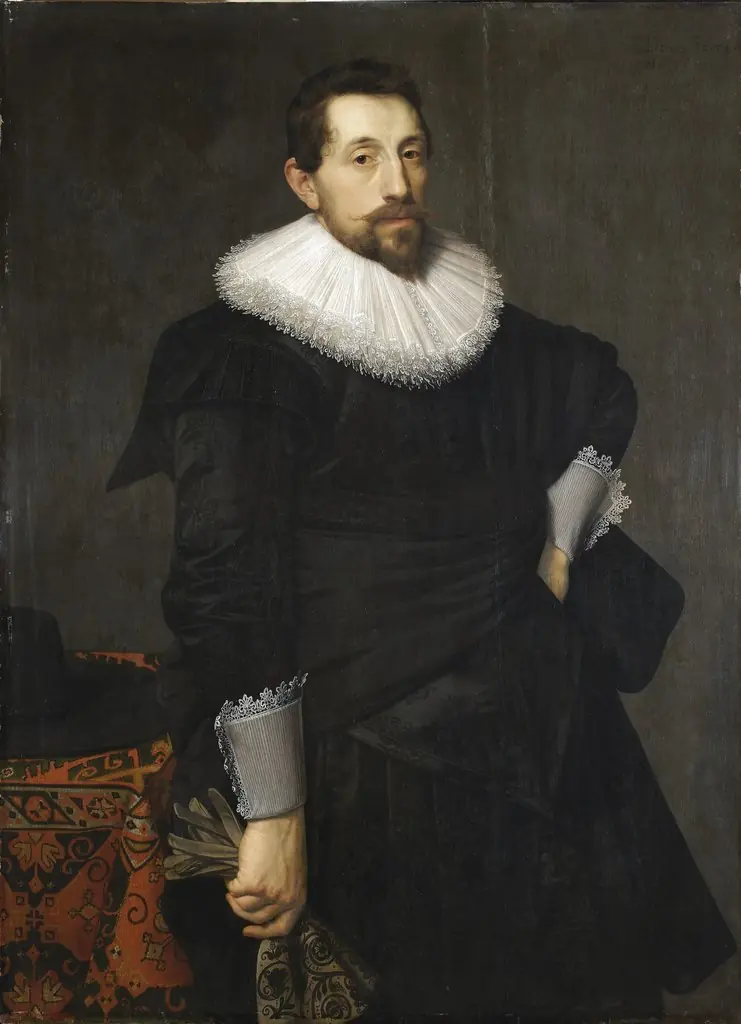 Portrait of a Man with Gloves
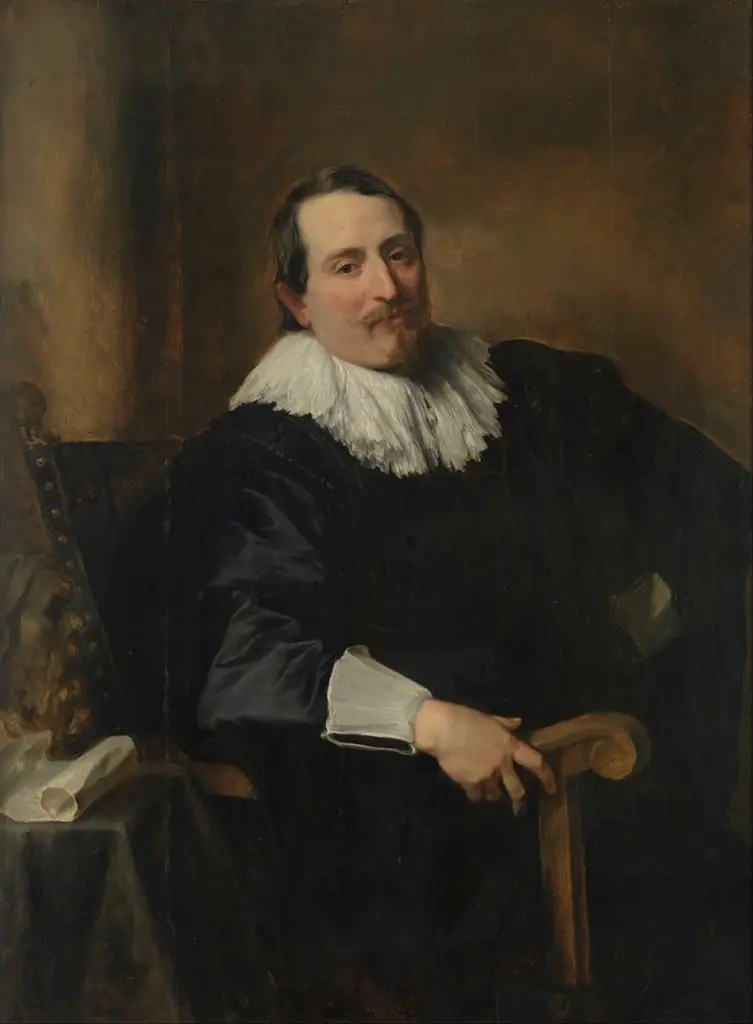 Portrait of the painter Theodor Rombouts
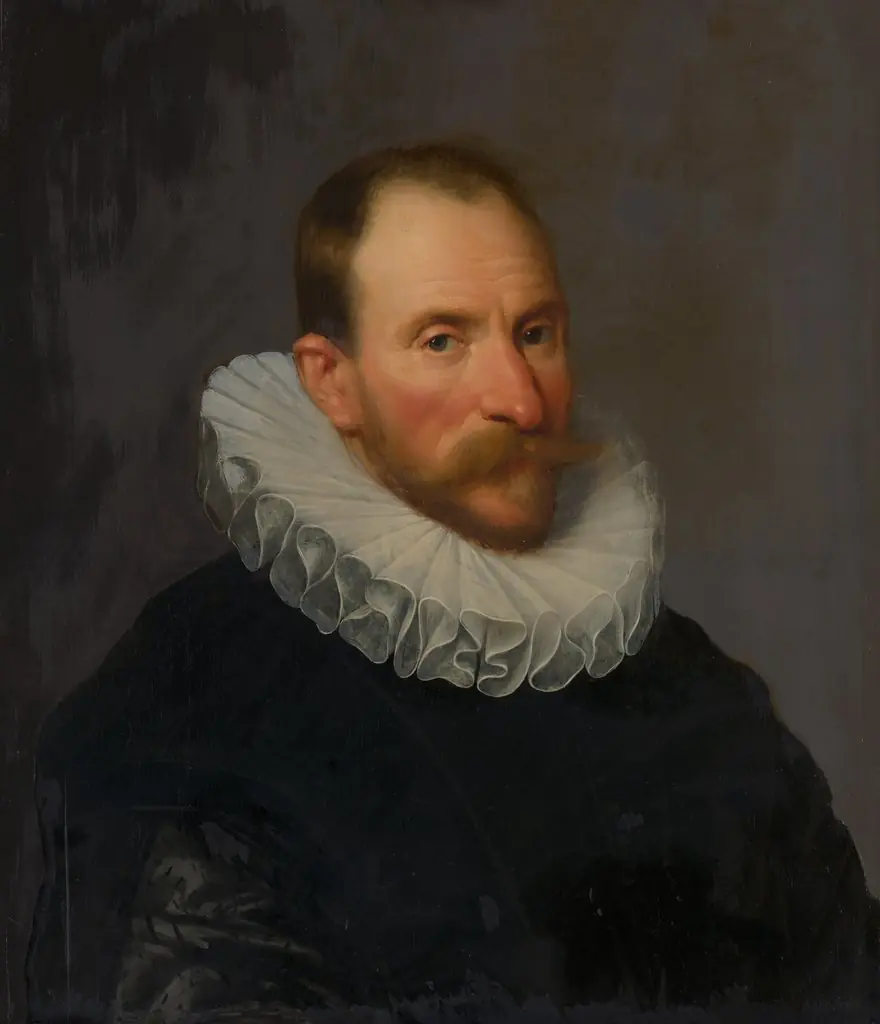 Portrait of Cornelis van Aerssen (1545-1627)