Artwork
Upper Lock at Steenbergen
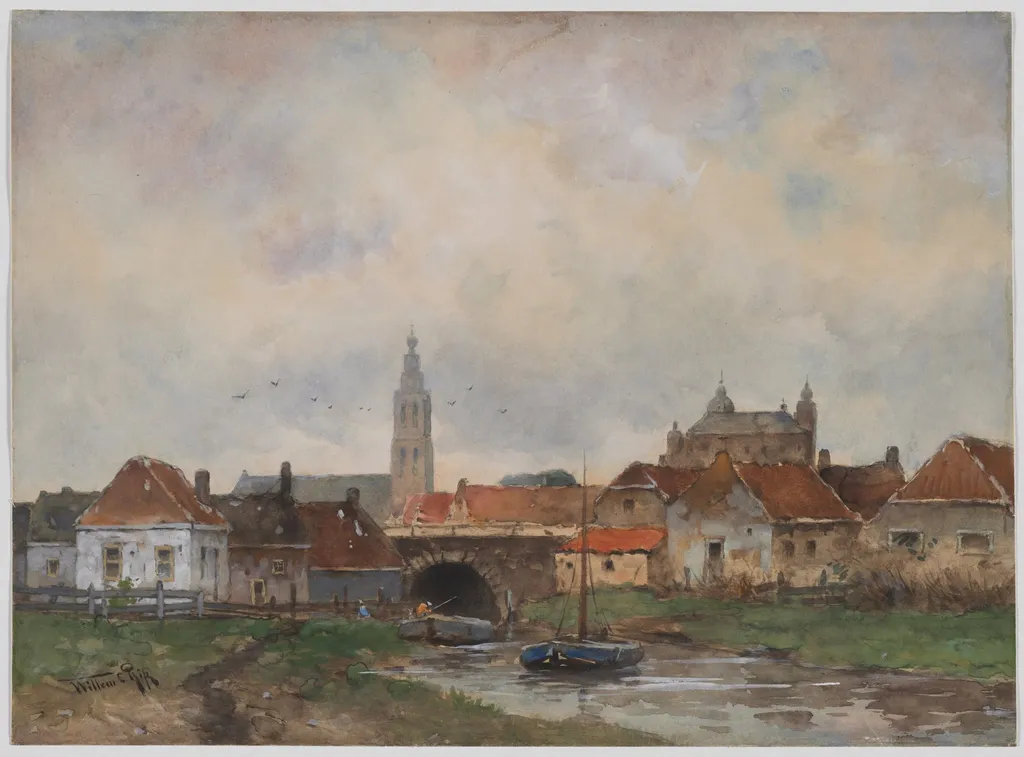
Upper Lock at Steenbergen is a drawing by the Romanticist artist Willem Cornelis Rip. It dates from 1804 and is held in the collection of the Cleveland Museum of Art.
About this work
Overview
The composition emphasizes quiet observation over theatricality, reflecting Rip’s interest in everyday infrastructure and its role in regional life.
Created around 1804 by Willem Cornelis Rip, this drawing depicts the Upper Lock at Steenbergen, a functional waterway structure in the Netherlands. Rendered in pencil and ink, it captures a moment of routine activity near a lock gate, where boats await passage. The composition emphasizes quiet observation over theatricality, reflecting Rip’s interest in everyday infrastructure and its role in regional life.
Subject & Meaning
The scene portrays a working lock system essential to Dutch water management, where wooden gates regulate canal levels for boat navigation. Figures in period attire attend to tasks, suggesting labor tied to transport and trade. No grand narrative is present; instead, the drawing honors the quiet efficiency of infrastructure, revealing how ordinary people interacted with engineered landscapes in early 19th-century Holland.
Technique & Style
Rip employs precise linear draftsmanship with subtle tonal variations to suggest texture and depth. Light falls unevenly across wet wood and water, creating soft contrasts that define form without dramatic lighting. The restrained use of shadow and highlight, reminiscent of chiaroscuro, enhances realism without sentimentality. The drawing’s clarity and attention to detail reflect a topographical approach, prioritizing accuracy over emotional expression.
History & Provenance
The drawing entered the collection of The Cleveland Museum of Art through documented acquisition, though its early ownership remains unrecorded. It is one of several works by Rip that document Dutch hydraulic systems during a period of active land reclamation and canal maintenance. Its survival suggests it was valued as a record of regional engineering, possibly used for reference or personal study.
Context
In the early 1800s, the Netherlands relied heavily on an intricate network of locks and canals for transportation and flood control. Rip’s work aligns with a broader tradition of Dutch topographical drawing, where engineers and artists collaborated to document infrastructure. This piece reflects a society deeply attuned to water management, where daily life and public works were inseparable.
Legacy
Though Rip was not widely celebrated in his lifetime, his drawings provide valuable insight into the material culture of Dutch waterways. This work contributes to historical records of pre-industrial infrastructure, offering a visual archive of techniques and labor practices now largely obsolete. It remains a quiet testament to the functional aesthetics of everyday engineering.
Artist & collection

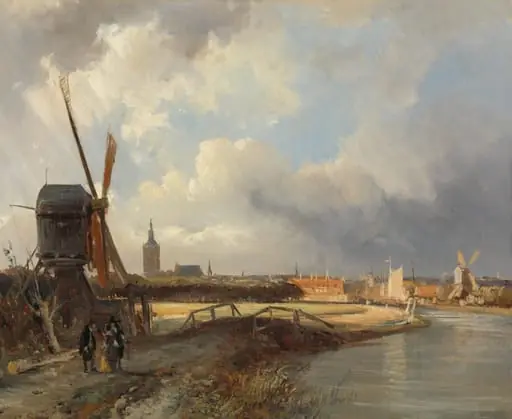 Gezicht op Den Haag
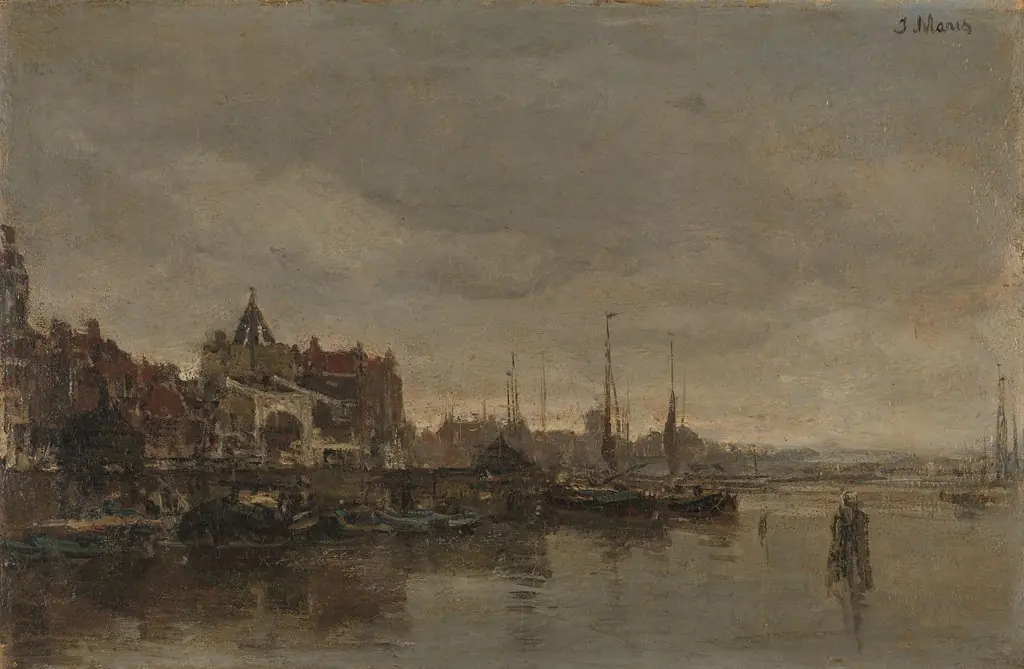 De Schreierstoren met de brug over de Gelderse Kade te Amsterdam
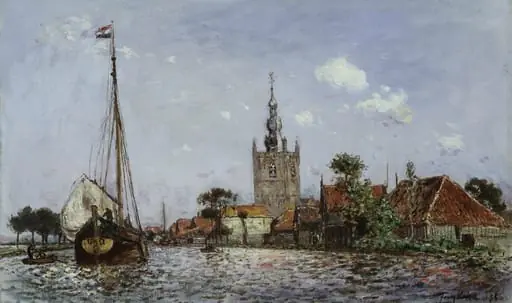 The Church of Overschie
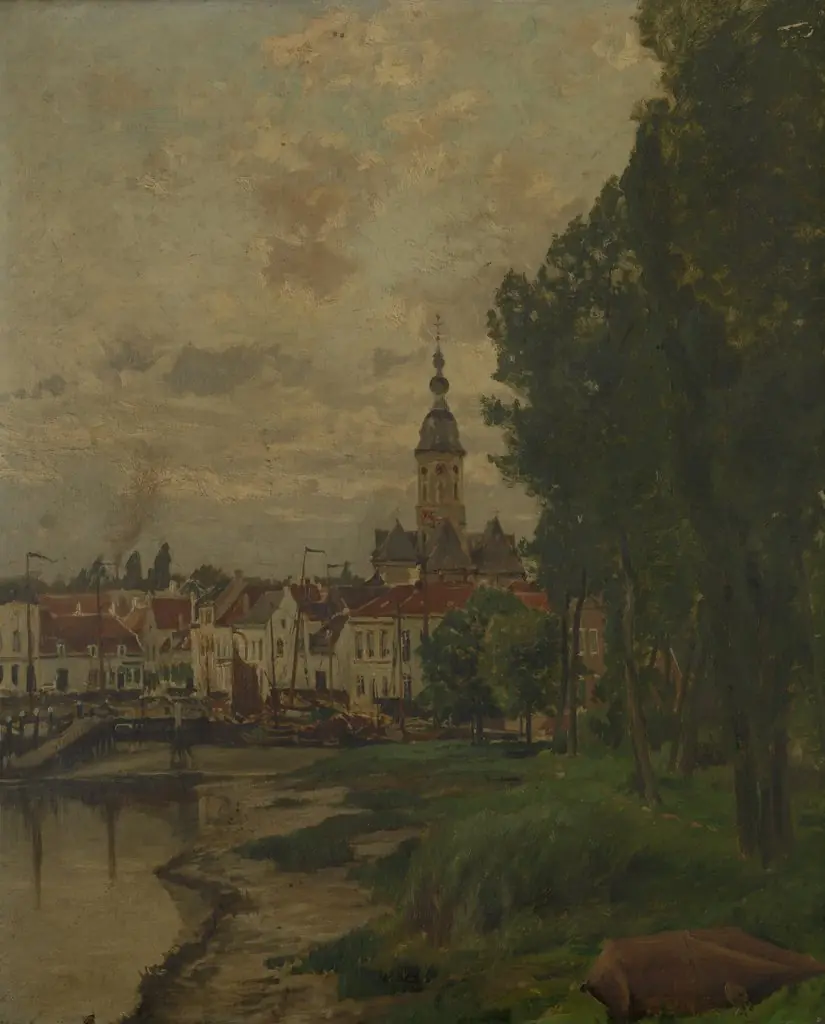 A View of Temse
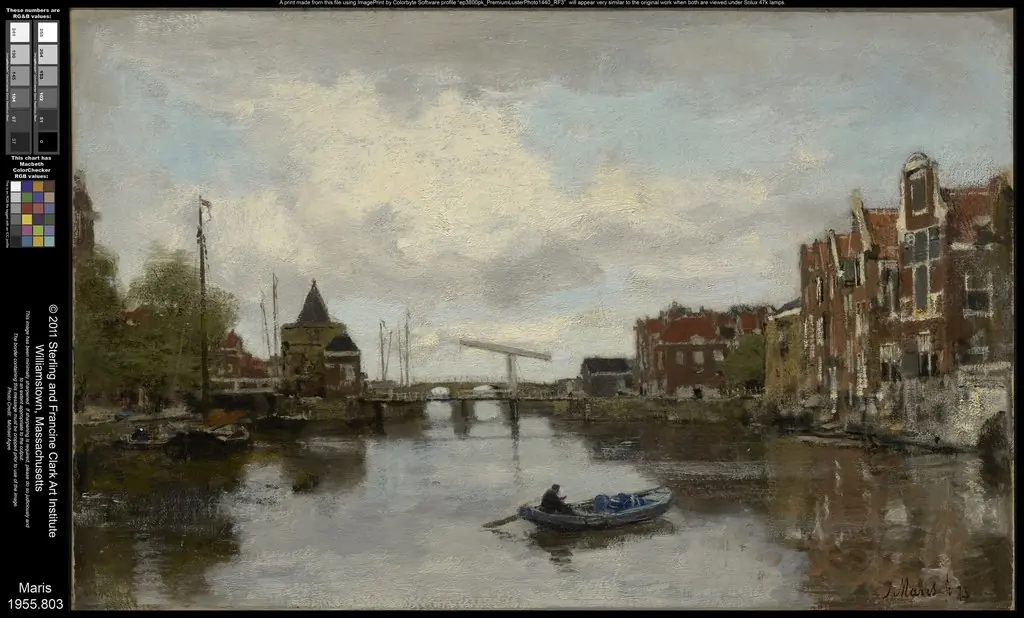 View of a Dutch City with the Schreierstoren in Amsterdam
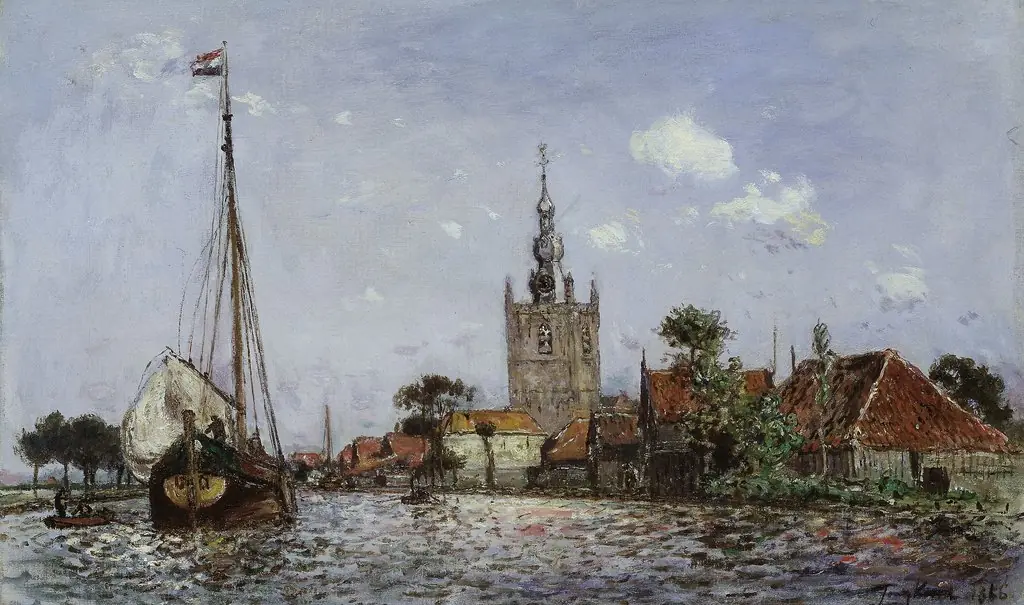 The Church of Overschie
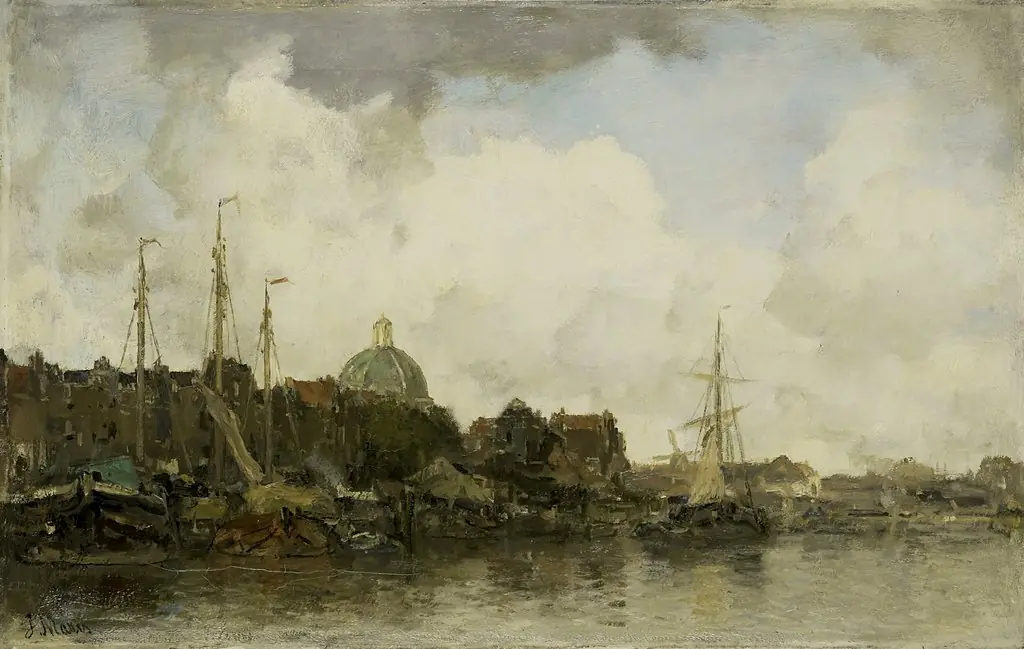 Townscape with a Domed Church
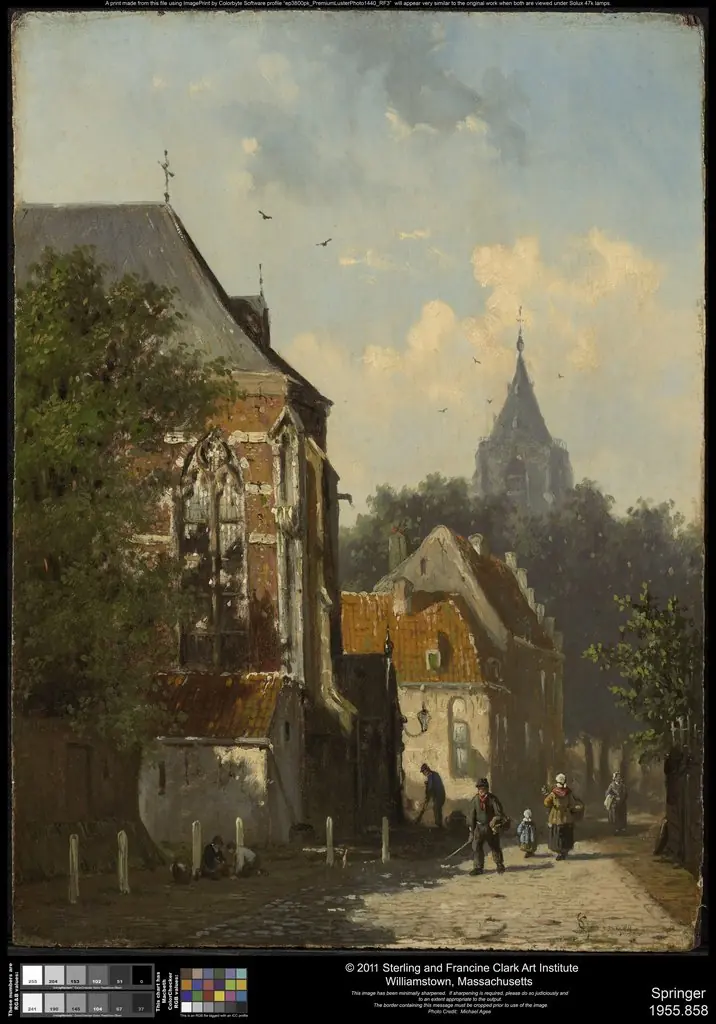 Dutch Street Scene
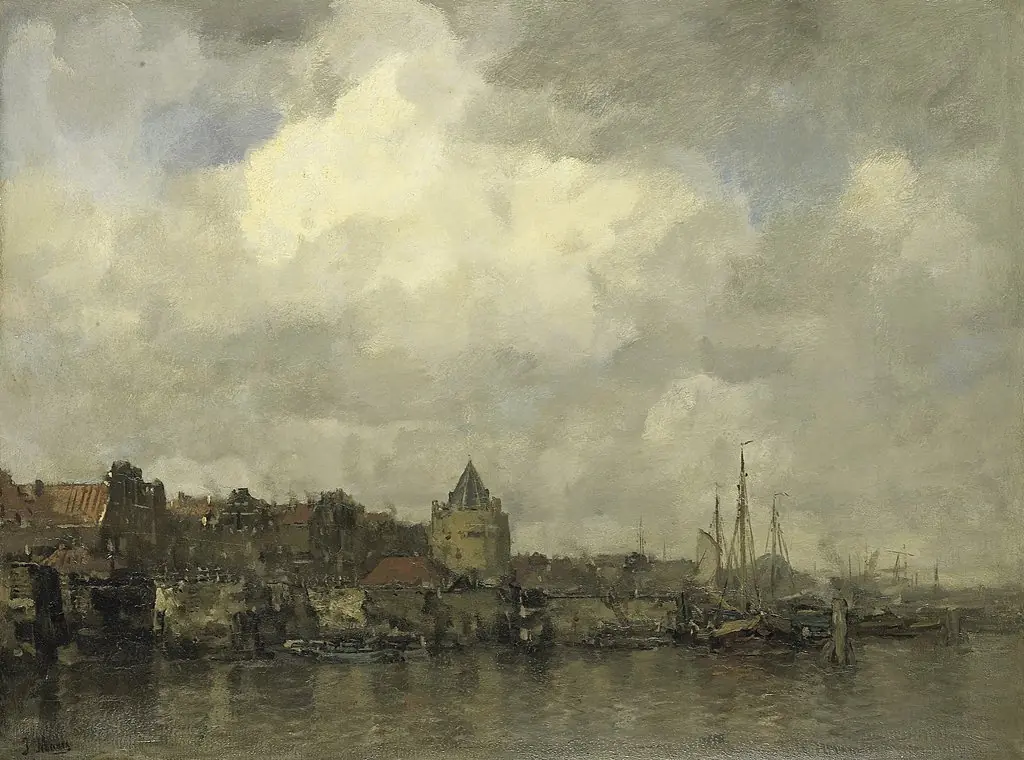 De Schreierstoren aan de Buitenkant te Amsterdam
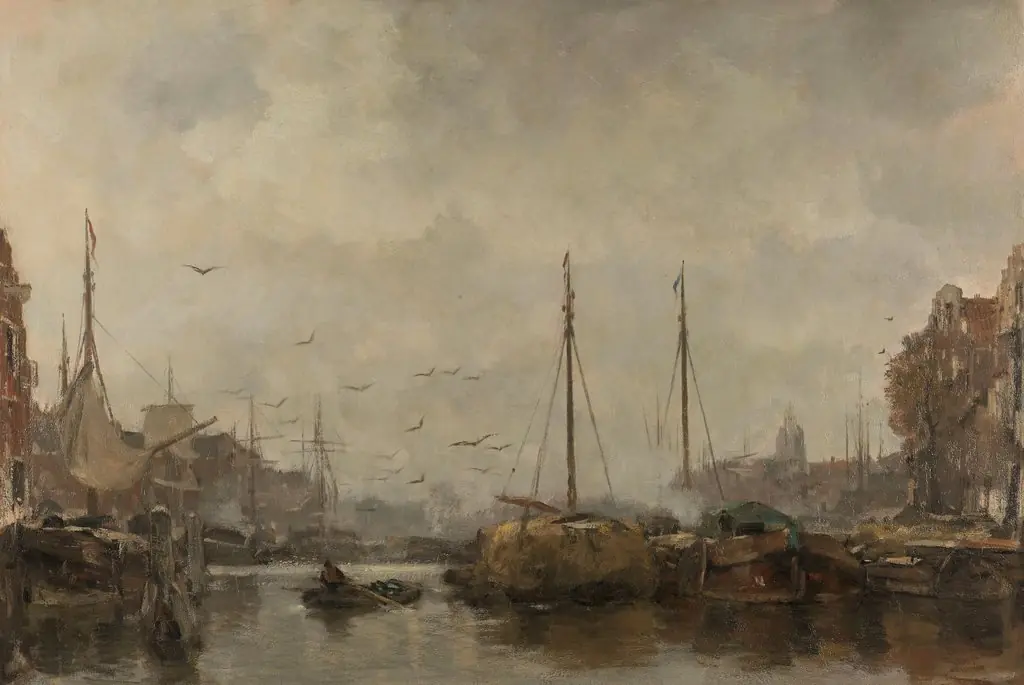 Cityscape