Artwork
Portrait of a man
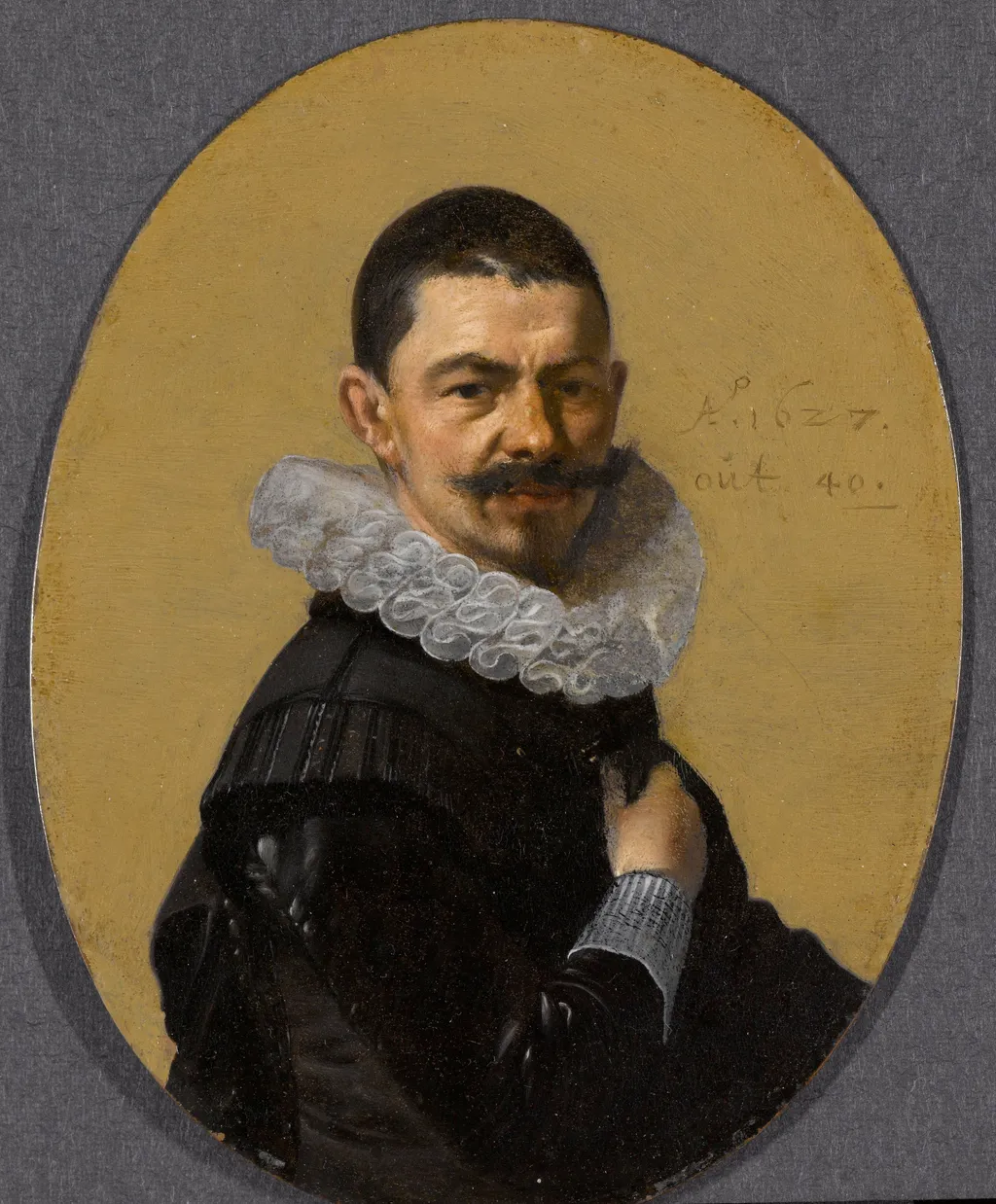
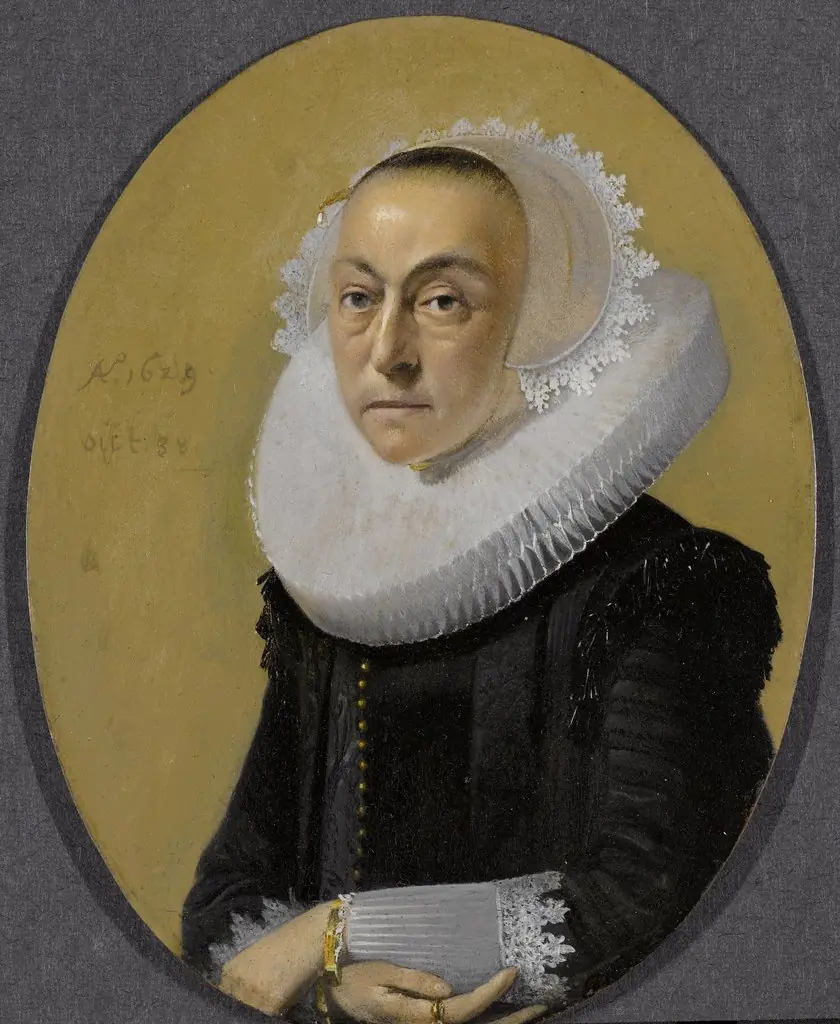
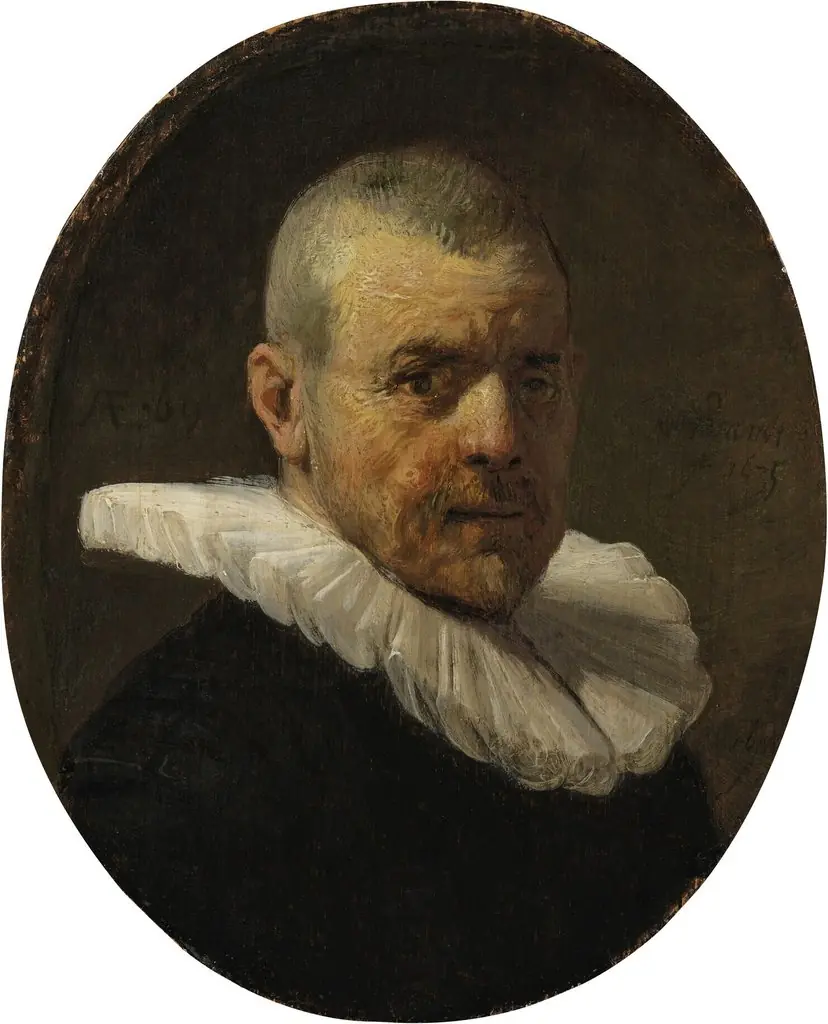
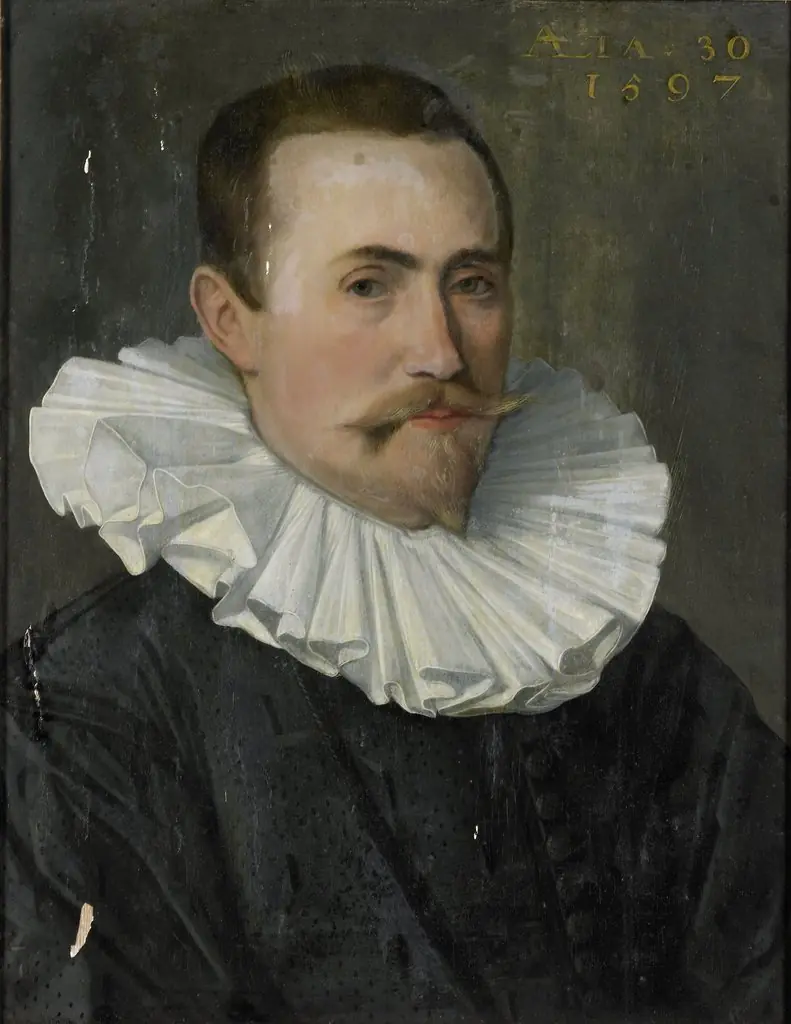
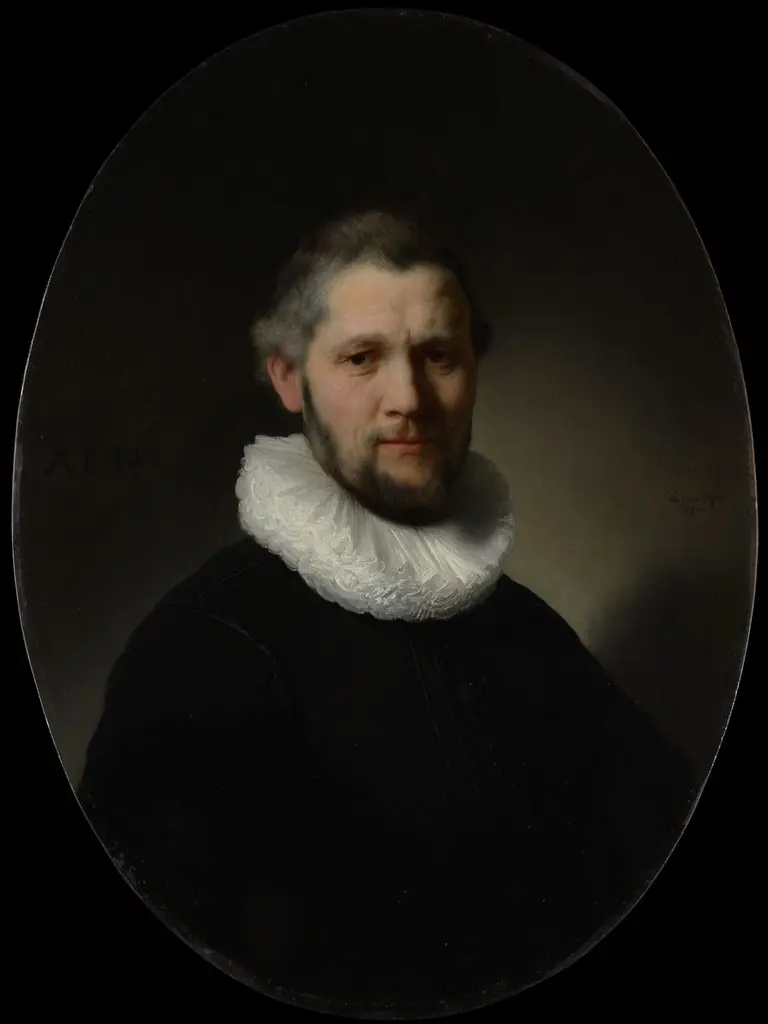
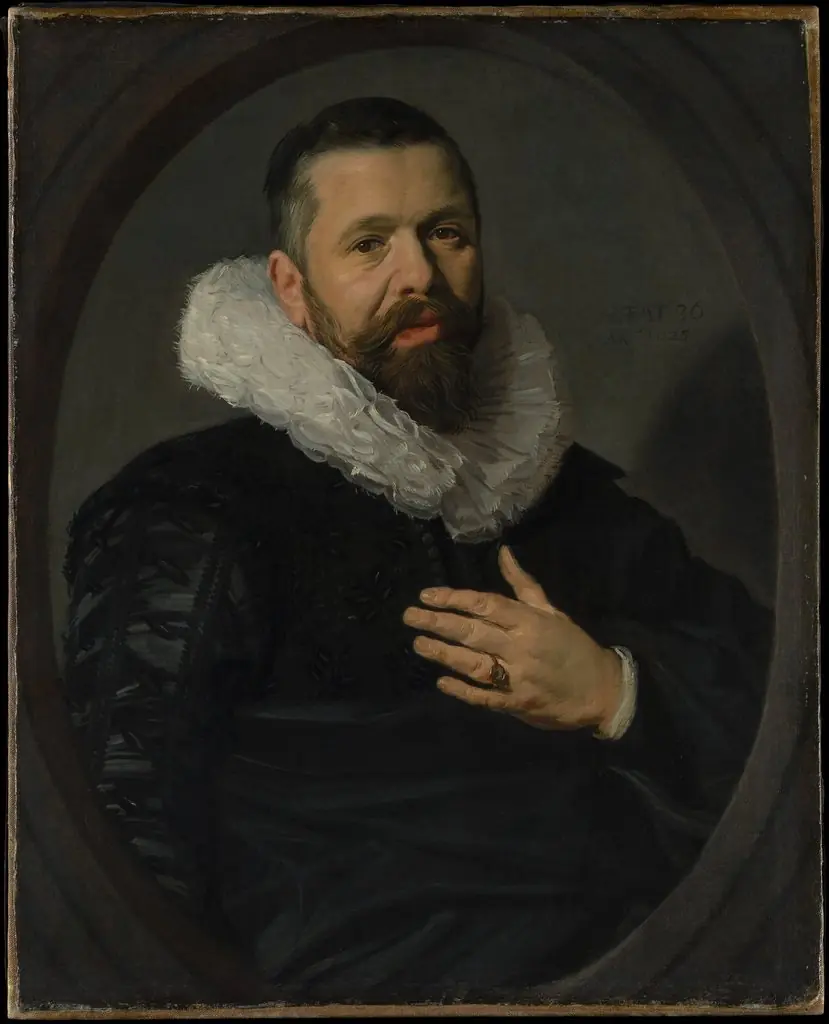
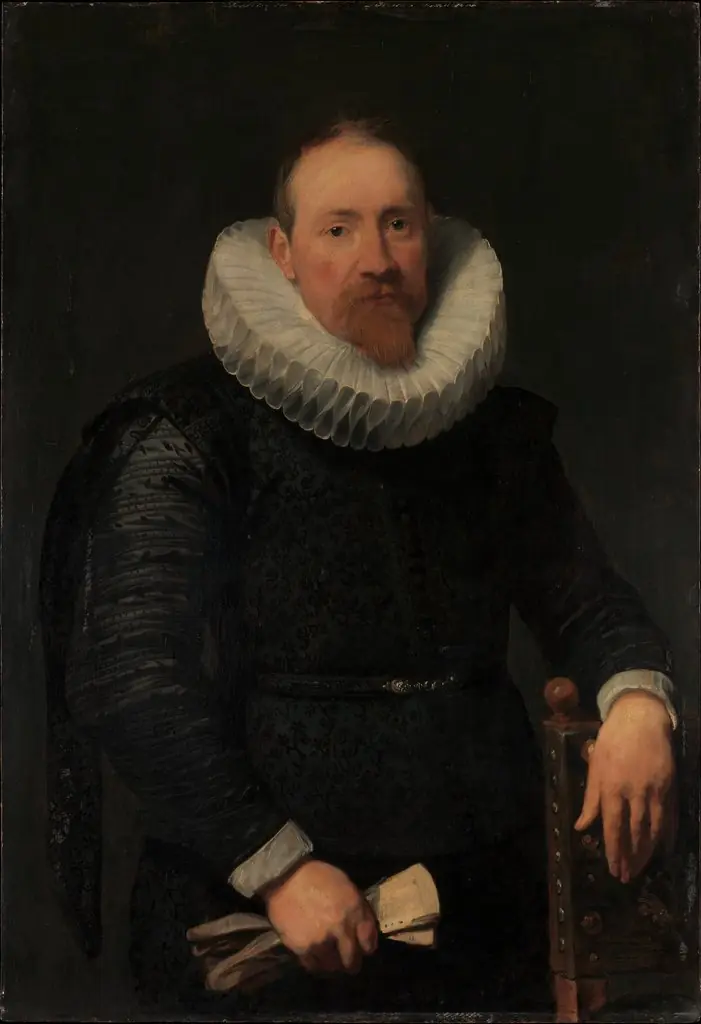
Portrait of a man is an oil painting by the Dutch Golden Age artist Willem Cornelisz Duyster. It dates from 1627 and is held in the collection of the Rijksmuseum. Created in 1627, this portrait is executed on a copper plate and measures a modest size typical of Dutch seventeenth‑century works.
About this work
Overview
The painting belongs to the collection of the Rijksmuseum in Amsterdam, where it is displayed among other examples of the period’s portraiture.
Created in 1627, this portrait is executed on a copper plate and measures a modest size typical of Dutch seventeenth‑century works. The sitter, rendered in a restrained palette of black garments against a flat yellow oval background, conveys a solemn demeanor. The painting belongs to the collection of the Rijksmuseum in Amsterdam, where it is displayed among other examples of the period’s portraiture.
Subject & Meaning
The figure is a middle‑aged man with a dark moustache, a crisp white ruff, and a black doublet. His right hand rests lightly on his chest, a pose that suggests honesty or a personal oath. The direct gaze and subdued expression hint at a private individual rather than a public official, reflecting the Dutch emphasis on personal virtue.
Technique & Style
Duyster employed the smooth surface of copper to achieve fine detail, especially in the rendering of the face where soft gradations of light model the features in a near‑sculptural way. Thick, textured brushwork appears in the folds of the collar, creating a tactile contrast with the polished background. The overall handling demonstrates a restrained chiaroscuro that balances illumination and shadow.
History & Provenance
The portrait entered the Rijksmuseum’s holdings through a 19th‑century acquisition, joining a broader collection of Dutch Golden Age paintings. Its attribution to Willem Cornelisz Duyster, an artist better known for lively genre scenes of militia life, was confirmed by stylistic analysis and archival records linking the work to his early portrait practice.
Context
During the Dutch Golden Age, portraiture served both personal commemoration and social display. Duyster, active in Amsterdam, typically painted genre scenes of soldiers, yet this work shows his capacity to capture individual likenesses. The use of copper as a support was relatively uncommon, offering a luminous surface that complemented the period’s interest in realism and subtle light effects.
Artist & collection
Artist
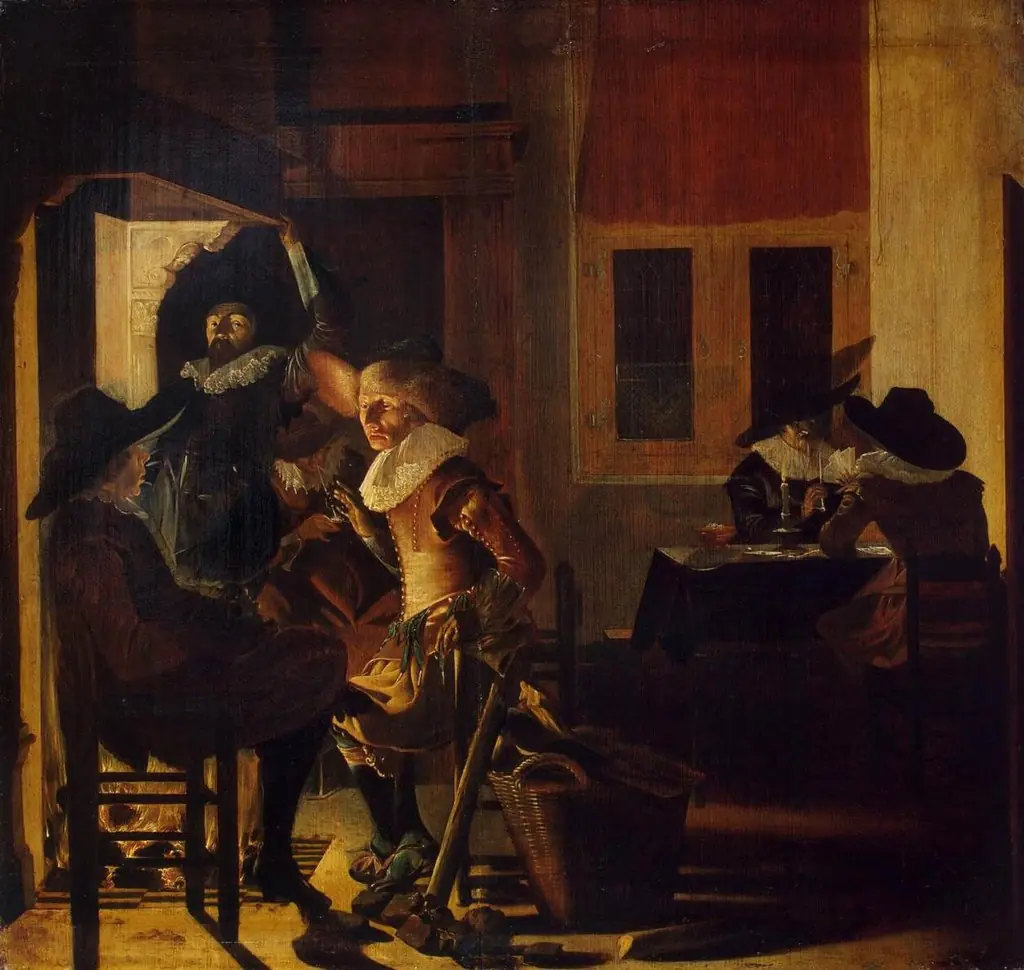
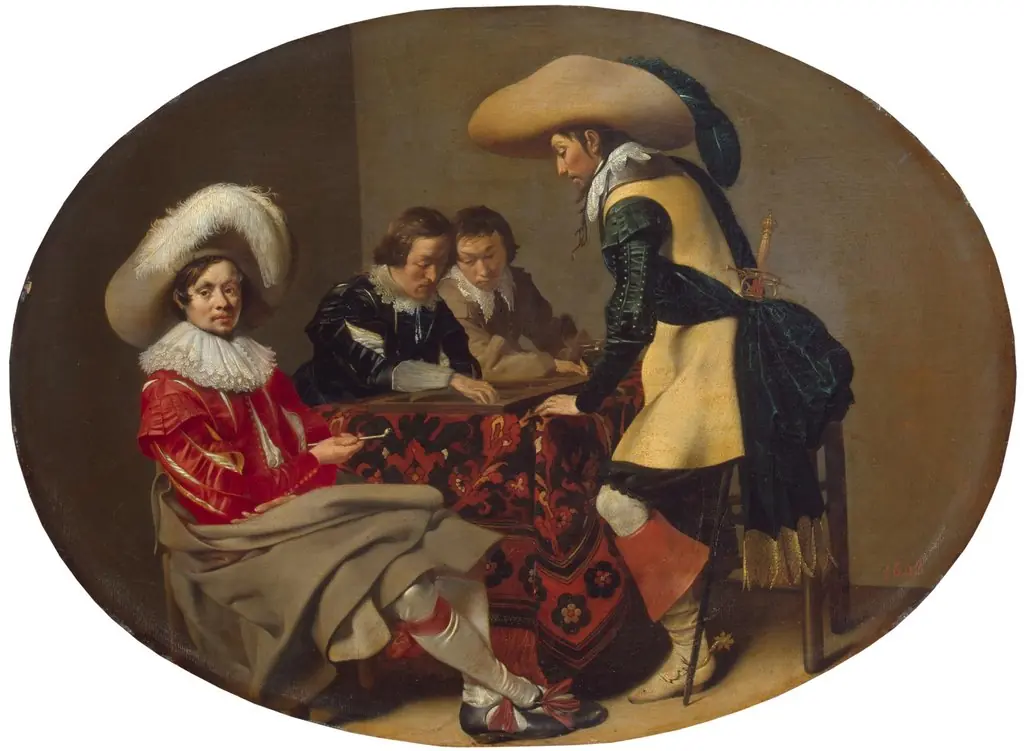
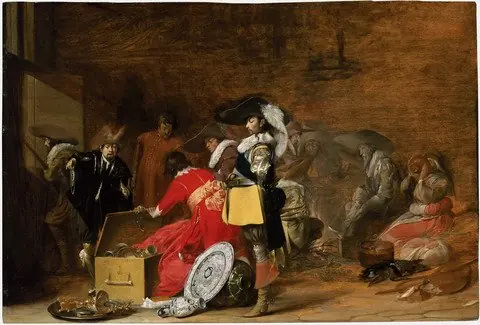
Willem Cornelisz Duyster (1599–1635) was a Dutch Golden Age painter from Amsterdam, best known for his "guardroom scenes" (cortegaarddje), genre paintings showing the military life.